Every year, thousands of preventable accidents happen on the water because boaters skip the basics. Whether you’re renting a pontoon at Crab Island or taking your own vessel into the Gulf of Mexico, understanding US Coast Guard boating safety standards isn’t optional, it’s what keeps you, your passengers, and everyone else on the water out of harm’s way.
At Original Crab Island, we put guests on the water in Destin every single day. Pontoon rentals, jet skis, fishing charters, we see firsthand how a little knowledge goes a long way. Our team keeps every vessel stocked with required safety equipment and walks renters through the essentials before departure. But we also believe that boaters themselves should know the rules, not just rely on a rental company to handle it.
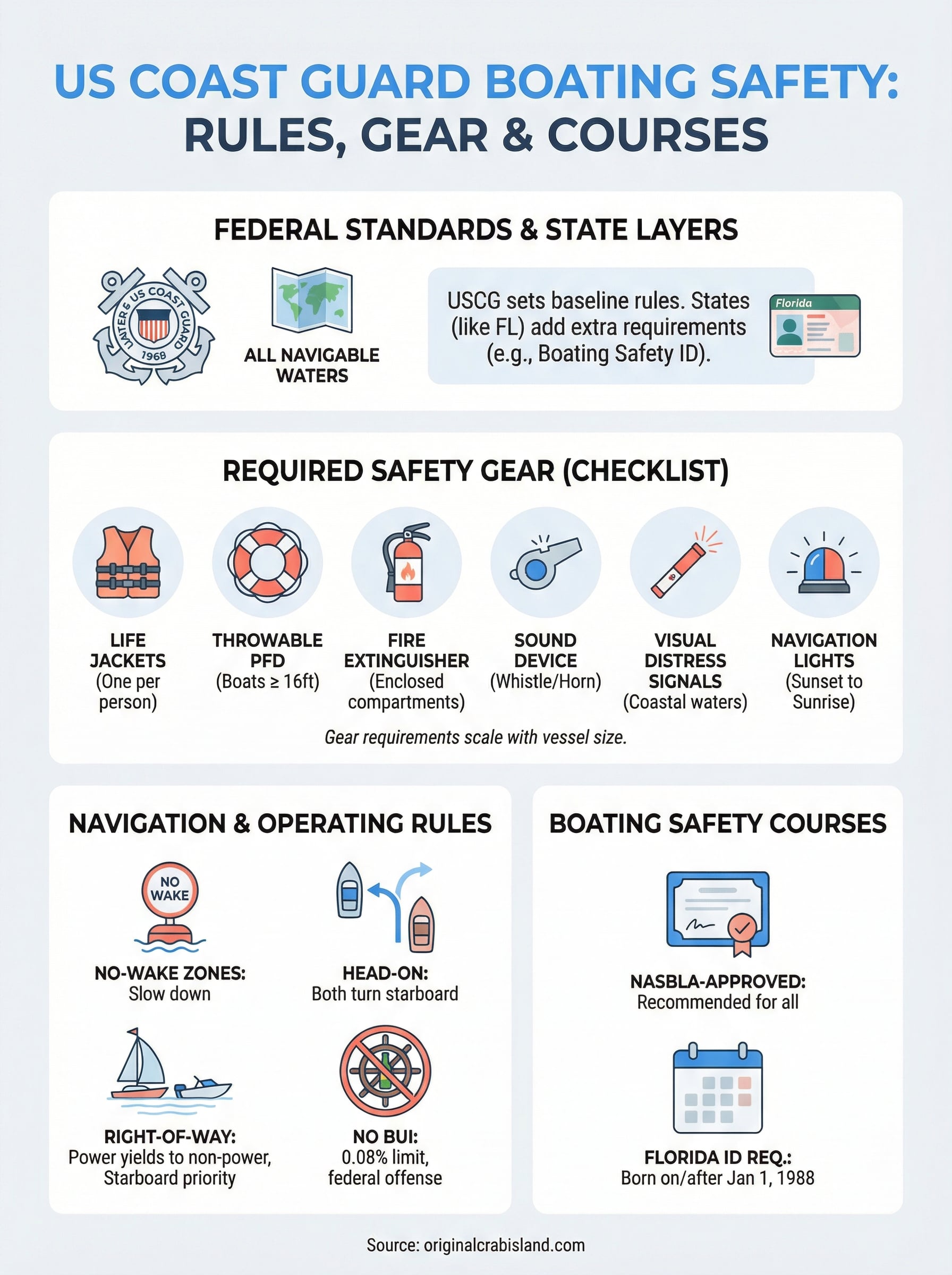
This guide breaks down what the U.S. Coast Guard actually requires of recreational boaters, from life jackets and fire extinguishers to navigation rules and distress signals. You’ll also find information on boating safety courses, who needs to take them, and how certification works in Florida. Whether you’re a first-timer headed to Crab Island or a boat owner brushing up before the season, this is the reference you need.
What US Coast Guard boating safety covers
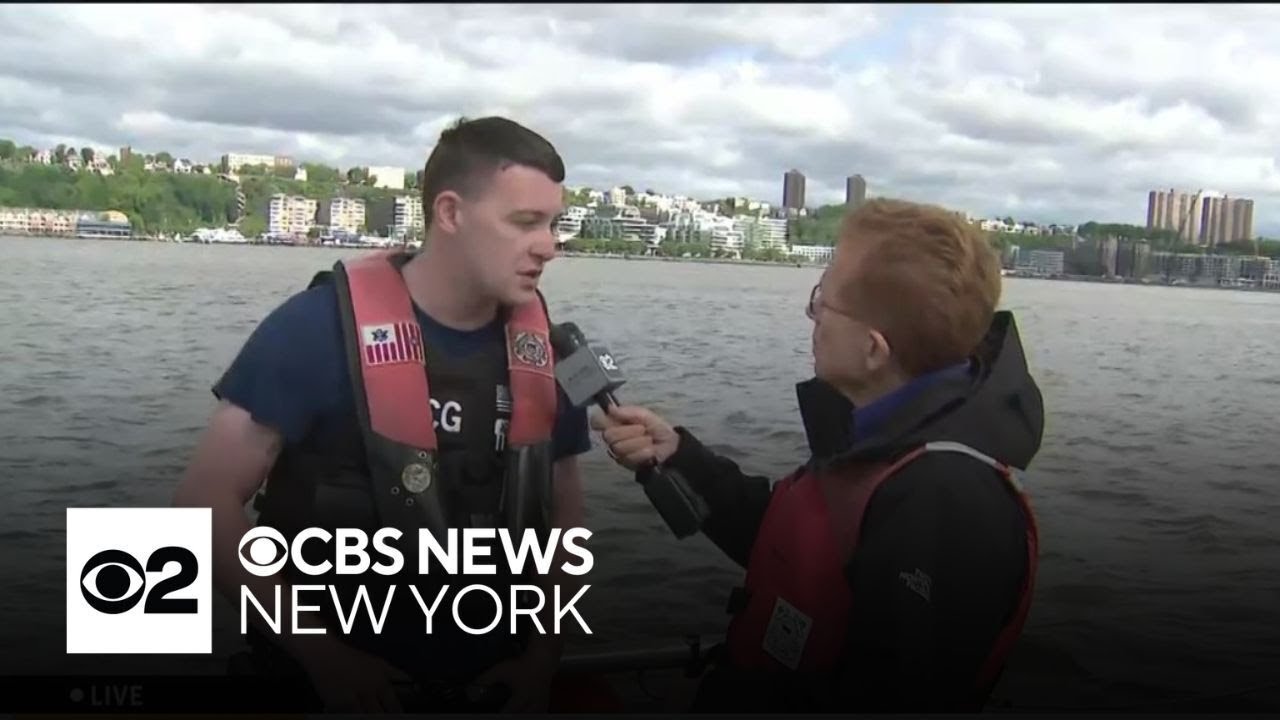
US Coast Guard boating safety is a federal framework that sets the minimum standards all recreational boaters must follow on navigable U.S. waters. The Coast Guard operates under the Department of Homeland Security and has the authority to board, inspect, and cite any vessel operating in U.S. waters, including inland lakes, rivers, and coastal areas. If you rent or own a boat anywhere in the country, these rules apply to you.
Federal authority and what it means for you
The Coast Guard writes the baseline rules, but states layer their own regulations on top. In Florida, for example, state law requires boaters born after January 1, 1988 to carry a Boating Safety Education ID card to operate a motorized vessel. Checking both federal and state requirements before you launch is essential, because the federal minimum alone might not keep you legal on Florida waters.
Knowing only the federal rules is not enough. Florida adds its own requirements, and ignoring them can result in fines or being ordered off the water.
The main categories of regulation
US Coast Guard boating safety standards break down into several clear categories, each targeting a specific risk that has caused injuries or deaths on the water.
- Personal flotation devices (PFDs): Every person on board must have access to a properly fitting life jacket.
- Visual distress signals: Flares and other signaling devices are required on certain vessel types and waters.
- Fire extinguishers: Required on boats with enclosed engine compartments or built-in fuel tanks.
- Sound-producing devices: Whistles or horns are mandatory for vessels of a certain length.
- Navigation lights: Required any time you operate between sunset and sunrise or in reduced visibility.
- Vessel registration: All motorized boats must be registered with the state and display a valid registration decal.
These categories form the foundation of what every boater is responsible for knowing before leaving the dock.
Why Coast Guard boating safety rules matter
Boating accidents kill hundreds of Americans every year, and the U.S. Coast Guard’s Recreational Boating Statistics show that operator error and missing safety equipment are the leading causes. US Coast Guard boating safety rules exist to cut those numbers, and they work when people follow them. Ignoring these regulations puts lives at risk, including your passengers, nearby swimmers, and other boaters sharing the same water.
The Coast Guard reports that in over 75% of fatal boating accidents, the victim was not wearing a life jacket.
The real cost of ignoring the rules
Non-compliance carries serious financial and legal consequences. If a Coast Guard officer boards your vessel and finds missing required equipment, you can face civil penalties starting at several hundred dollars per violation. In Florida, operating without a valid Boating Safety Education ID card adds another layer of fines. Here is a quick breakdown of what violations can cost you:
- Missing or expired PFDs: fines per person on board
- No fire extinguisher: immediate citation and potential order to return to dock
- Unregistered vessel: fines plus impoundment risk
How rules protect everyone on the water
Boating happens in shared, open spaces where your decisions directly affect other people. Proper navigation lights keep other vessels from colliding with you after sunset. Carrying required sound-producing devices lets you signal your position in low-visibility conditions. The rules reflect decades of accident data, and following them is the most effective thing you can do to keep everyone safe.
Required safety gear checklist by boat type
US coast guard boating safety requirements vary based on the length and type of your vessel, so what you need on a 16-foot rental pontoon differs from what a 30-foot yacht must carry. Knowing exactly what applies to your boat before you leave the dock keeps you legal and prepared.
Gear requirements scale with vessel size, so always check the specific rules for the boat you are operating, not just the general list.
What every boat must carry
Every recreational vessel operating in U.S. waters shares a core set of required equipment regardless of size. These are the items a Coast Guard officer will check during an inspection:
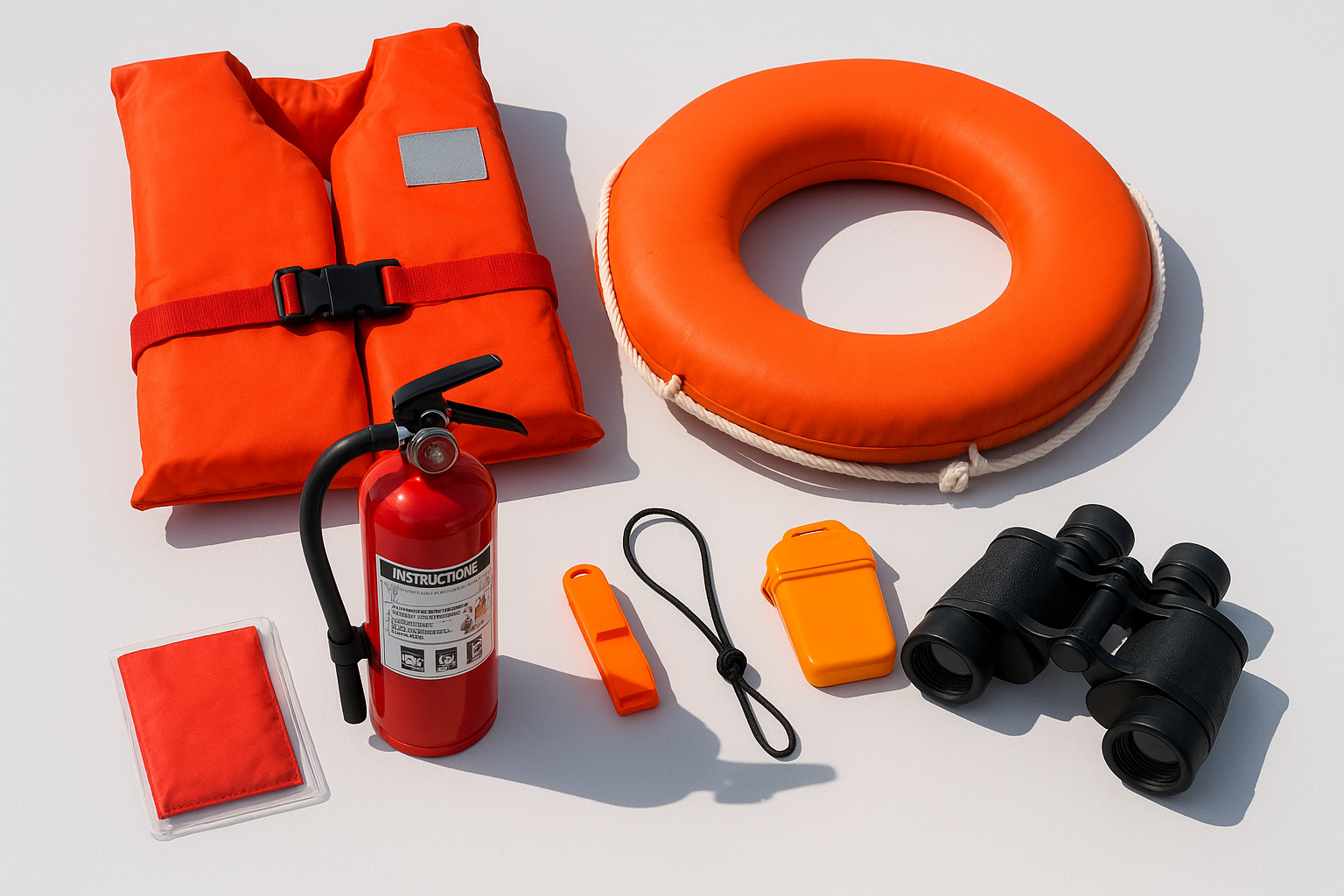
| Equipment | Requirement |
|---|---|
| Life jackets (PFDs) | One Coast Guard-approved jacket per person on board |
| Type IV throwable PFD | Required on boats 16 feet and longer |
| B-1 fire extinguisher | Required on boats with enclosed compartments |
| Sound-producing device | Whistle or horn for vessels under 65 feet |
| Visual distress signals | Required on coastal waters and the Great Lakes |
| Navigation lights | Required between sunset and sunrise |
Additional gear for larger vessels
Boats 26 feet and longer face stricter fire extinguisher requirements, typically needing multiple B-1 units or a single larger B-2 extinguisher. Larger vessels also require a backfire flame arrester on gasoline engines and must carry a ventilation system for enclosed fuel compartments. Check the U.S. Coast Guard’s official equipment requirements to confirm what applies to your specific vessel length.
Navigation and operating rules you must follow
US coast guard boating safety goes beyond carrying the right gear. You also need to know operating rules that govern how you move your vessel on the water, because breaking them puts you on a collision course with other boats, swimmers, and fixed structures.
Collision is the top type of boating accident reported to the Coast Guard, and most result from operator inattention or failing to follow right-of-way rules.
Speed and right-of-way on the water
No-wake zones require you to slow to minimum speed in harbors, marinas, and near swim areas. When two motorized vessels approach head-on, both must turn to starboard (right) to avoid collision. Core right-of-way rules to know:
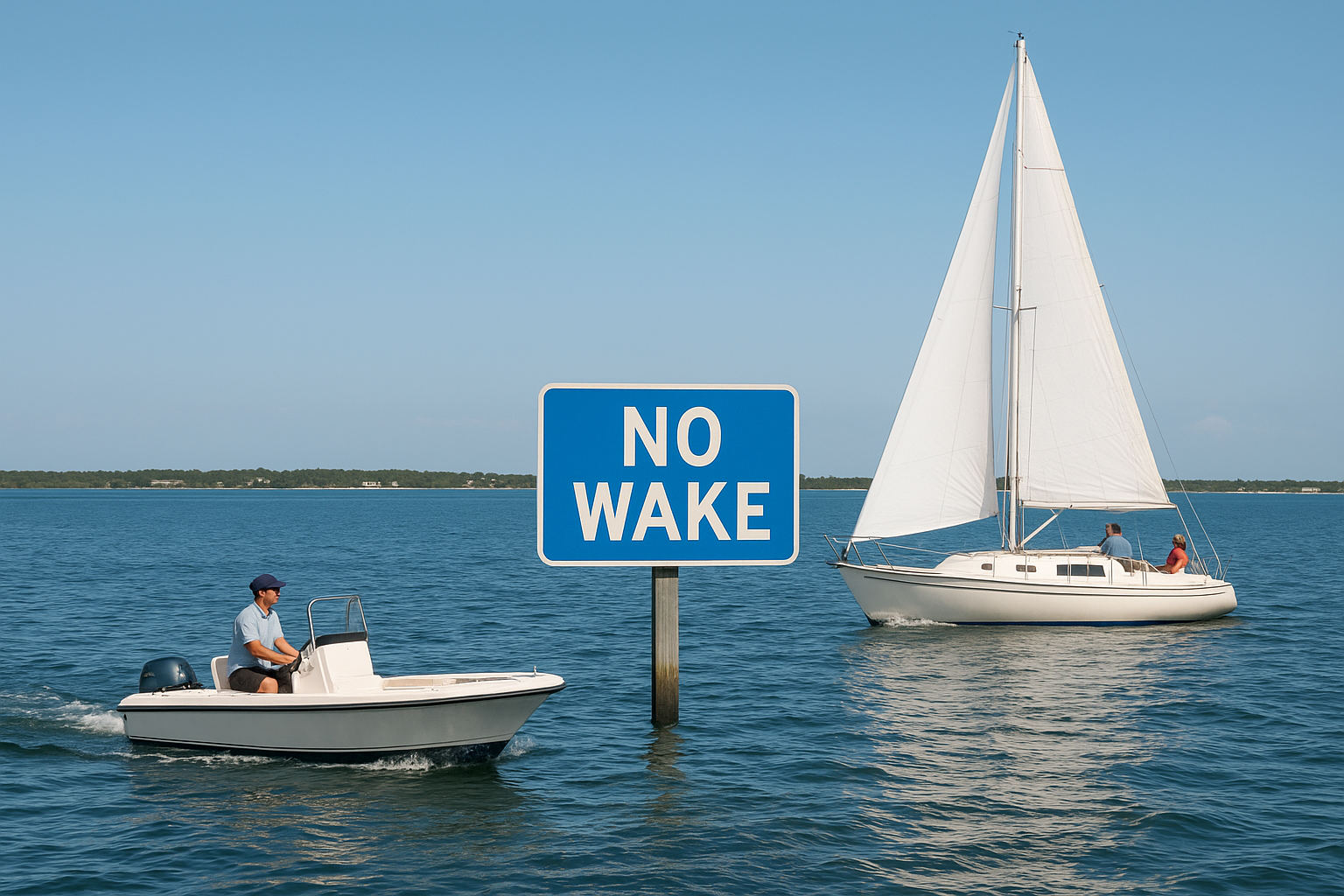
- Power vessels yield to sail and human-powered craft
- The vessel on the right (starboard) has right of way in crossing situations
- Overtaking vessels must stay clear of the boat being passed
Alcohol and impairment on the water
Operating a vessel under the influence (BUI) is a federal offense with a blood alcohol limit of 0.08%, the same as driving. Florida law enforcement actively patrols waterways like Destin Harbor, and officers can stop your vessel for probable cause at any time.
Fatigue and sun exposure amplify alcohol’s effects on the water, so rotate operators on longer trips and stay hydrated to keep your judgment sharp throughout the day.
Boating safety courses and certification options
US coast guard boating safety education is available through several formal channels, and completing an approved course is one of the most effective ways to protect yourself and everyone on your boat. In Florida, the legal requirement is specific: if you were born on or after January 1, 1988, you must carry a Boating Safety Education ID card to legally operate a motorized vessel.
Completing a recognized safety course is the fastest path to getting your Florida Boating Safety ID card before you get on the water.
Florida’s mandatory education requirement
The Florida Fish and Wildlife Conservation Commission (FWC) administers the state’s boating education program. You must pass an approved course and exam to receive your ID card, which you carry on the water at all times when operating a motorized boat.
Completing the requirement happens only once since the ID card never expires. Bring the physical card or an approved digital copy every time you operate a motorized vessel in Florida.
Where to find approved courses
The National Association of State Boating Law Administrators (NASBLA) approves courses that meet federal standards, and Florida accepts these for your ID card requirement. Providers are listed directly on the FWC’s official website.
Online courses let you finish at your own pace before your vacation starts, while classroom options are available locally through FWC-approved providers in the Destin area.
- Online courses: complete at home before your trip
- Classroom courses: available through local FWC-approved providers
- On-water training: optional but strongly recommended for first-time boaters
Next steps before you head to Crab Island
You now have a solid understanding of us coast guard boating safety requirements, from required gear to navigation rules and certification. Before you launch, run through the checklist: confirm your life jackets, fire extinguisher, and visual distress signals are on board and in good condition. If you were born after January 1, 1988, carry your Florida Boating Safety Education ID card every time you operate a motorized vessel.
Taking a NASBLA-approved course online before your trip costs little time and puts you in a far better position on the water. If you prefer to skip the logistics of owning or trailering a boat, renting from a reputable local operation is a practical and stress-free option.
At Original Crab Island, our well-maintained fleet and experienced staff handle the equipment side so you can focus on enjoying the Emerald Coast. Book your Crab Island experience and get on the water with complete confidence.
Popular Crab Island Pages
- Crab Island Pontoon Rentals
- Crab Island Fishing Charters
- Crab Island Boat and Yacht Rentals
- Crab Island Parasailing
- Crab Island Jet Ski Rentals
- Crab Island Helicopter Rides
- Crab Island Snorkeling Tours
- Crab Island Paddleboard Rentals
- Crab Island Kayak Rentals
- Crab Island Bike Rentals
- Crab Island Shark Boat
- Crab Island Pirate Ship
- Crab Island Tiki Rentals
- Crab Island Snorkeling Tours


