A single anchor works fine in calm conditions, but wind shifts, strong currents, and crowded anchorages can turn a peaceful day on the water into a stressful one. That’s exactly when knowing how to anchor with two anchors becomes a genuine skill worth having. Whether you’re holding position at a busy sandbar like Crab Island or riding out changing tides in Destin’s harbor, a two-anchor setup gives you the control that one hook simply can’t provide.
At Original Crab Island, we put people on the water every day, from pontoon rentals to fishing charters across the Emerald Coast. We’ve seen firsthand how proper anchoring separates a relaxing afternoon from a drifting disaster. Anchoring technique matters, especially in the shifting currents and shallow sandbars around Destin, Florida.
This guide breaks down the three main two-anchor methods, V-shape, tandem, and bow-and-stern, with clear steps, situational advice, and tips to help you anchor confidently no matter the conditions. Let’s get into it.
When to use two anchors and when not to
Two anchors aren’t always better than one. Using two anchors incorrectly can create real problems: tangled rodes, limited swing room, and difficulty getting underway fast when conditions change. Before you learn how to anchor with two anchors, you need to know when the technique actually helps you and when it just adds unnecessary work.
When two anchors make sense
Several specific situations call for a two-anchor setup. The clearest one is an expected wind shift, where the forecast shows conditions changing direction by more than 45 degrees during your stay. A single anchor pivots with you, which sounds fine until the hook drags on a new angle. A second anchor holds you from that direction before the shift even happens.
If you’re anchoring at a busy sandbar or tidal area where conditions change quickly, two anchors protect both your position and the boats around you.
Strong reversing currents are another good reason to set two hooks. Tidal areas like Destin harbor and the sandbar at Crab Island see water flowing hard in one direction, then switching completely a few hours later. One anchor can drag or flip when the load reverses. Setting a bow-and-stern or tandem setup keeps you planted through the full tidal cycle.
Two anchors also help when swing room is tight. In a crowded anchorage, you can’t afford to arc 180 degrees around your hook when the wind shifts. A V-shape setup reduces that swing radius significantly, keeping you off neighboring boats and giving everyone more breathing room.
Here’s a quick reference for when to use two anchors:
| Situation | Two Anchors? | Reason |
|---|---|---|
| Wind shift expected (45+ degrees) | Yes | Prevents dragging on new angle |
| Reversing tidal currents | Yes | Holds through full tidal cycle |
| Crowded anchorage | Yes | Reduces swing radius |
| Overnight stay | Yes | Extra security during variable conditions |
| Calm, stable wind | No | Extra setup adds complexity without benefit |
| Short stop in deep, reliable holding | No | One anchor is sufficient |
| Narrow channel or fairway | No | Two rodes create a serious tangle risk |
When one anchor is enough
Calm, predictable conditions with a steady wind direction and solid holding bottom don’t require two anchors. If you’re making a brief stop in deep water with good scope and reliable ground, a single well-set anchor handles the job without the added complexity. Pulling two anchors in a hurry when a squall rolls in or you need to move fast costs you time you may not have.
Plan the setup: bottom, scope, swing, and safety checks
Before you drop any anchor, spend a few minutes assessing your situation. Rushing the setup is the most common reason two-anchor rigs fail. Knowing your bottom type, calculating your scope, understanding your swing arc, and running a quick safety check will make every method of how to anchor with two anchors work better and hold longer.
Check the bottom and scope
Bottom composition directly affects which anchor type holds best and how much rode you need. Soft sand and mud suit a fluke or Danforth-style anchor, while rocky or grassy bottoms respond better to a plow or claw. For a two-anchor setup, target a scope ratio of at least 7:1 (rode length to water depth) on each hook.
| Water Depth | Minimum Scope (7:1) | Recommended Scope (10:1) |
|---|---|---|
| 5 ft | 35 ft | 50 ft |
| 10 ft | 70 ft | 100 ft |
| 15 ft | 105 ft | 150 ft |
Cutting scope short is one of the fastest ways to drag anchor, especially when current or wind shifts direction.
Calculate your swing and run safety checks
Swing radius depends on how much rode you deploy and which method you choose. A V-shape setup cuts your swing to roughly half compared to a single anchor, while a bow-and-stern setup reduces it to almost nothing. Before you commit to a position, mark your GPS coordinates so you can detect any drift before it becomes a real problem.
Run through these checks before setting either hook:
- Confirm no underwater obstacles (cables, moorings) in your drop zone
- Check that both rodes are clear of the prop and rudder
- Verify neighboring boats have room even with your reduced swing
- Keep a knife or rode cutter within reach in case you need to cut free quickly
Set two anchors in a V shape
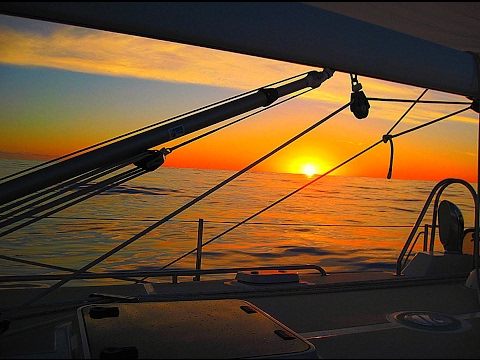
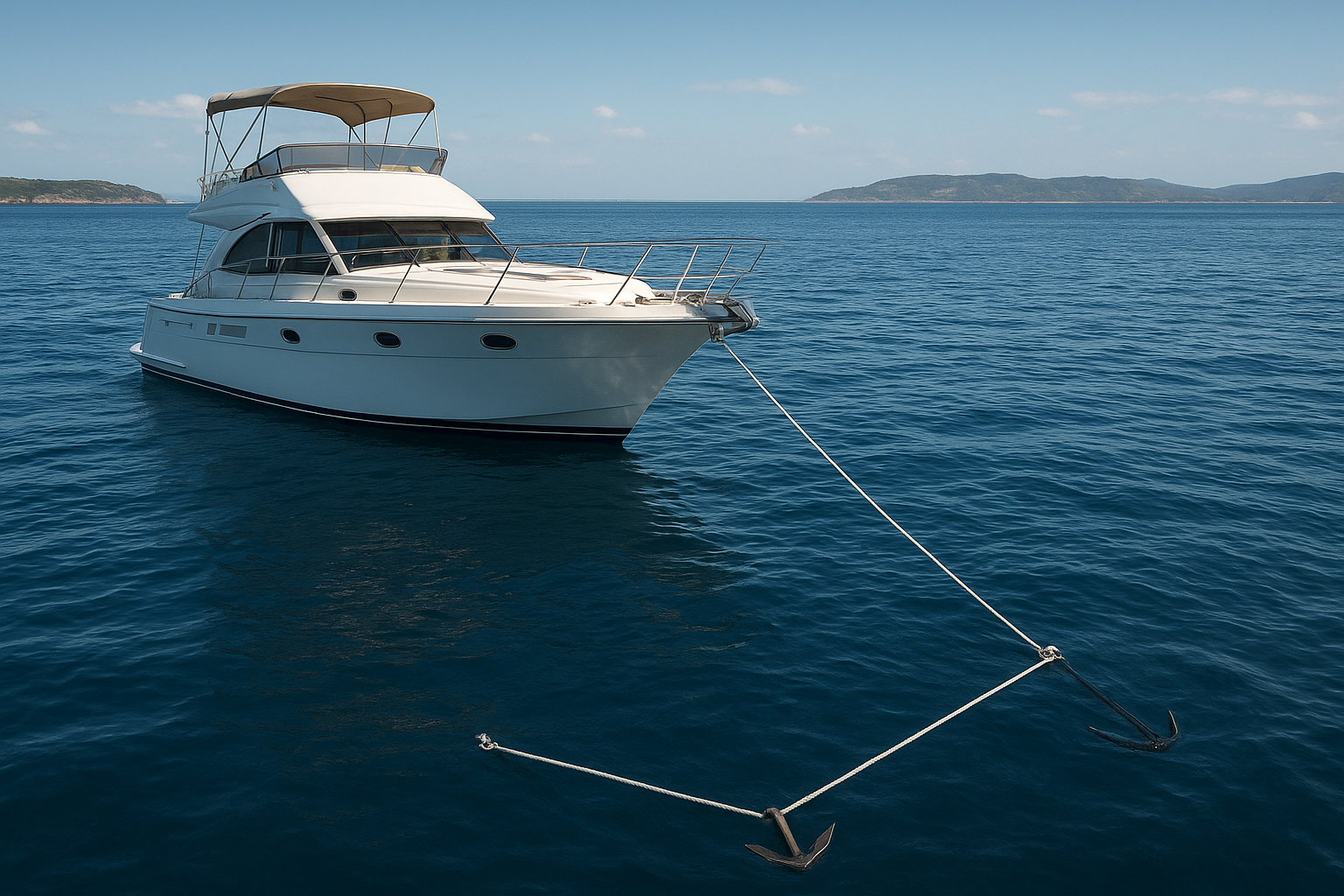
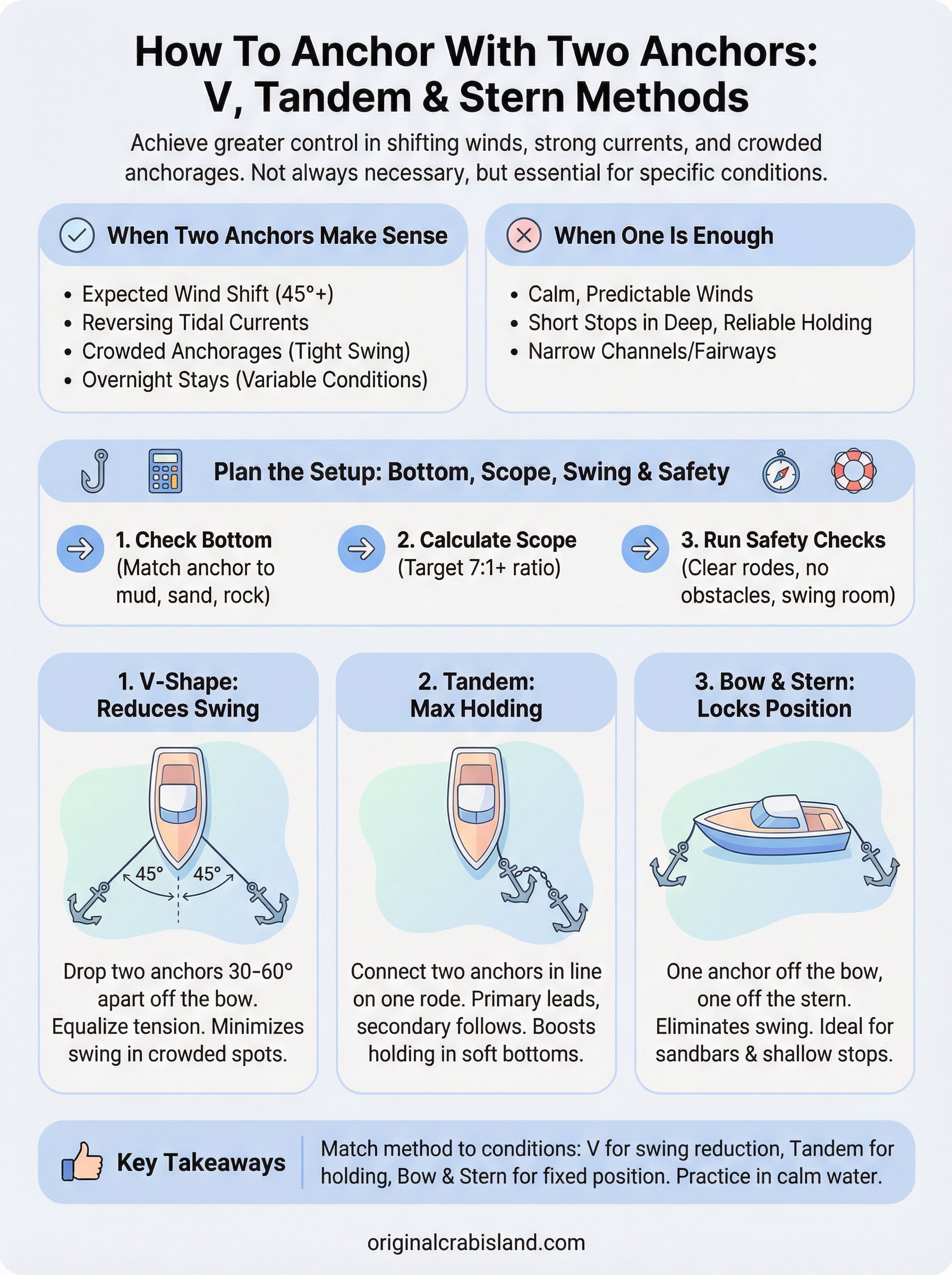
The V-shape method works well when you need to reduce swing radius in a crowded anchorage or hold through a forecasted wind shift. In this setup, you drop two anchors off the bow at angles between 30 and 60 degrees apart, creating a triangular load distribution that keeps the bow pointed into a wider range of wind directions. This is one of the most practical ways to apply how to anchor with two anchors in real, changing conditions.
The wider the angle between your two anchors, the less you’ll swing, but also the more lateral load each hook must absorb, so don’t exceed 60 degrees in strong current.
Position and drop the first anchor
Motor into the wind and pick your drop point for the first anchor. Back down slowly while paying out rode, targeting your 7:1 scope minimum, then cleat it off briefly to let the hook set. Once you feel resistance and the boat stops backing, anchor one is holding. Don’t move to the second hook until the first has a firm bite.
Use these signs to confirm anchor one has set properly:
- The boat stops drifting backward
- The rode holds tension and angles downward
- Throttling gently in reverse creates no additional drift
Set the second anchor and equalize the load
Swing the bow 30 to 60 degrees off your first anchor’s direction using short bursts of throttle, then drop the second anchor in that new direction. Back down again, paying out the same scope length as the first. Once both hooks are set, ease out on the first rode until both lines carry equal tension. Run each rode through a bow chock to keep them separated and clear of the prop.
| Step | Action |
|---|---|
| 1 | Motor into wind, drop anchor one |
| 2 | Back down and set scope at 7:1 minimum |
| 3 | Swing bow 30 to 60 degrees off anchor one |
| 4 | Drop anchor two, back down to set |
| 5 | Equalize tension on both rodes |
Set two anchors in tandem for max holding
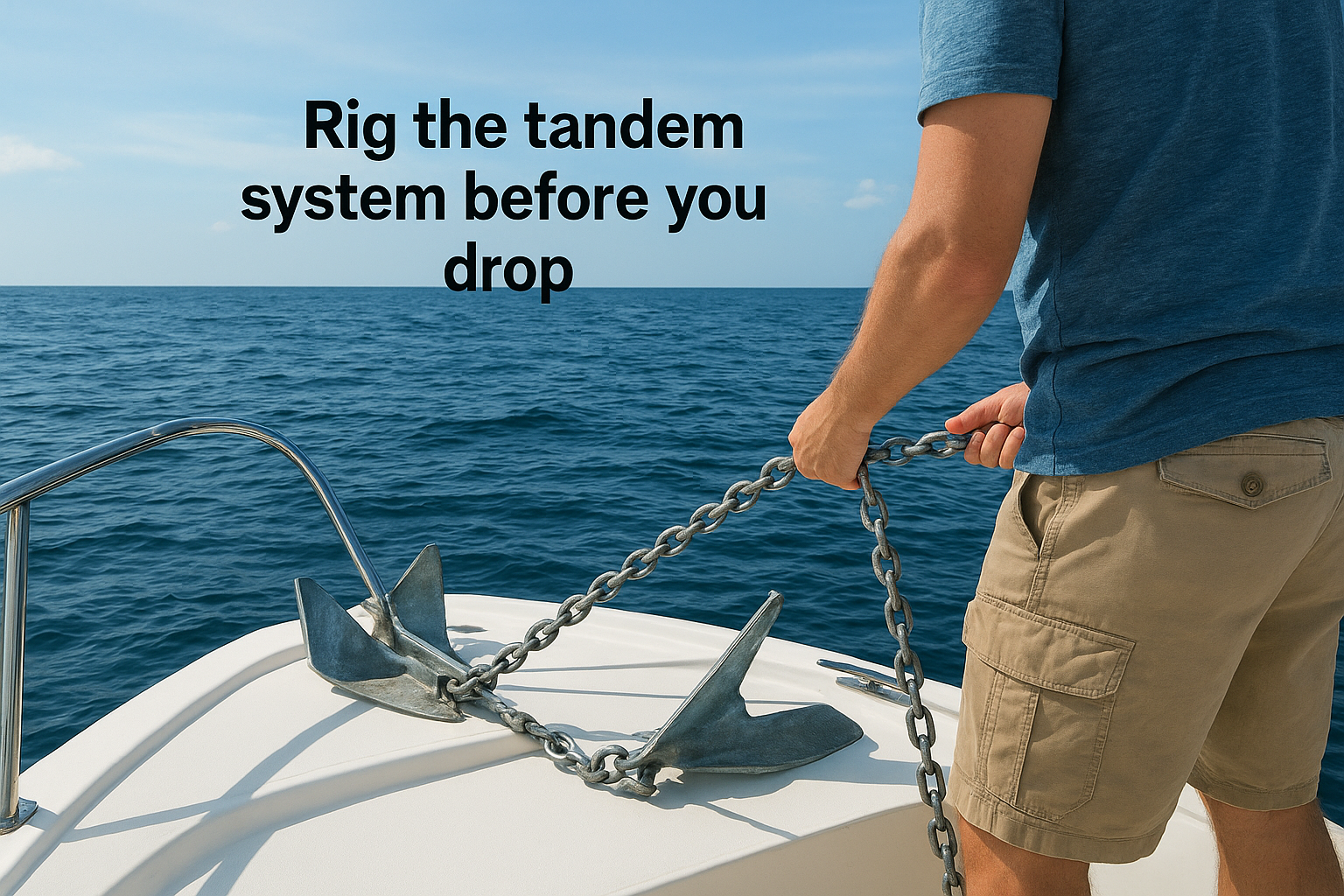
Tandem anchoring connects two anchors on the same rode, one behind the other, with the primary anchor leading and a secondary anchor set back along the chain or line. This method doesn’t reduce swing like the V-shape, but it dramatically increases raw holding power in soft or unreliable bottoms where a single hook tends to plow or skip. It’s one of the most effective ways to apply how to anchor with two anchors when your main concern is staying put rather than minimizing arc.
Tandem anchoring is especially useful in sandy, silty, or grassy bottoms where a single anchor struggles to get a consistent bite.
Rig the tandem system before you drop
Connecting the two anchors correctly before you deploy saves you a lot of trouble once you’re in position. Attach the secondary anchor to the primary anchor’s crown using a short length of chain, typically 3 to 6 feet. The secondary anchor should be a different style if possible, since a plow paired with a fluke covers a wider range of bottom conditions than two of the same type. Keep both anchors on deck and sorted before you motor into position.
Drop and set both anchors as a unit
Motor into the wind exactly as you would for a single-anchor deployment. Lower both anchors together, letting the primary hit the bottom first while the secondary trails just behind it on the short chain. Back down slowly at your full 7:1 scope minimum, giving the system time to settle and dig before you apply real load.
Use this sequence to confirm the tandem rig is holding:
- Primary anchor digs in and the rode goes taut
- Secondary anchor pulls tight against the primary’s crown
- Backing down with moderate throttle produces no drift
- GPS position holds steady for at least two minutes
Set a bow and stern anchor for sandbars
The bow-and-stern method is purpose-built for sandbars, swimming stops, and shallow tidal flats where you need to sit in one fixed orientation without any swing at all. Instead of two anchors off the bow, you drop one off the bow and one off the stern, locking the boat in place. This is the most practical way to apply how to anchor with two anchors at a spot like Crab Island, where boats need to hold their bow toward the sandbar while people swim or wade, and drifting sideways into a neighboring boat is not an option.
Bow-and-stern anchoring eliminates nearly all swing, which is exactly what you need in a crowded, shallow area where every foot of space matters.
Position the boat and drop the bow anchor
Pull into your chosen spot bow-first, with the stern facing open water or the direction of current. Drop your bow anchor while slowly backing down, setting it with a 5:1 to 7:1 scope suited to the shallow depth. Cleat off the bow rode once the anchor bites and holds firm against a short burst of reverse throttle before moving to the next step.
Run the stern anchor and lock the position
Pay out extra bow rode to give yourself enough room to deploy the stern anchor without pulling the bow hook free. Move to the stern, drop the second anchor straight back into the water, then take up tension on both rodes simultaneously until the boat sits centered between the two hooks with equal load on each line. Use this checklist to confirm the setup is holding:
- Bow rode and stern rode both carry firm tension
- Boat shows no lateral drift or rotation
- Both rodes run clear of the prop and swim platform
Key takeaways and next steps
Knowing how to anchor with two anchors comes down to matching the right method to your actual conditions. The V-shape cuts your swing in crowded anchorages, tandem anchoring maximizes holding power in soft bottoms, and the bow-and-stern setup locks you in place at sandbars and shallow stops. Each method works, but only when you pick the right one for the situation.
Before you head out, spend time checking your bottom type, calculating scope, and confirming swing room. Rushing any of those steps is the fastest way to drag anchor and ruin an otherwise great day on the water. Practice each method in calm conditions first so the steps feel automatic when you actually need them.
Ready to put these skills to use? Rent a pontoon or book a water activity at Crab Island and experience one of the best sandbars on the Emerald Coast.
Popular Crab Island Pages
- Crab Island Pontoon Rentals
- Crab Island Fishing Charters
- Crab Island Boat and Yacht Rentals
- Crab Island Parasailing
- Crab Island Jet Ski Rentals
- Crab Island Helicopter Rides
- Crab Island Snorkeling Tours
- Crab Island Paddleboard Rentals
- Crab Island Kayak Rentals
- Crab Island Bike Rentals
- Crab Island Shark Boat
- Crab Island Pirate Ship
- Crab Island Tiki Rentals
- Crab Island Snorkeling Tours


