
12 Best Life Jackets For Boating (Foam & Inflatable) In 2026
At Original Crab Island, we put thousands of visitors on the water every year, from pontoon cruises around Crab Island to jet ski adventures across Destin’s Emerald Coast. That experience has taught us one thing above all else: the right life jacket makes every trip safer and more enjoyable. Whether you’re renting a boat for a family outing or gearing up for your own vessel, choosing the best life jackets for boating is a decision that deserves real attention.
Not all PFDs are created equal. Some foam vests feel like wearing a bulky cardboard box, while certain inflatables offer freedom of movement you barely notice until you need them. USCG approval matters, but so does fit, comfort, and whether you’ll actually wear the thing when it counts. Price plays a role too, though skimping on safety gear rarely pays off.
We’ve tested, compared, and gathered feedback on dozens of models to bring you 12 life jackets worth your consideration in 2026. This guide breaks down the top foam and inflatable options, covering everything from performance and durability to real-world comfort on the water.
1. Original Crab Island pontoon rentals with USCG-approved life jackets
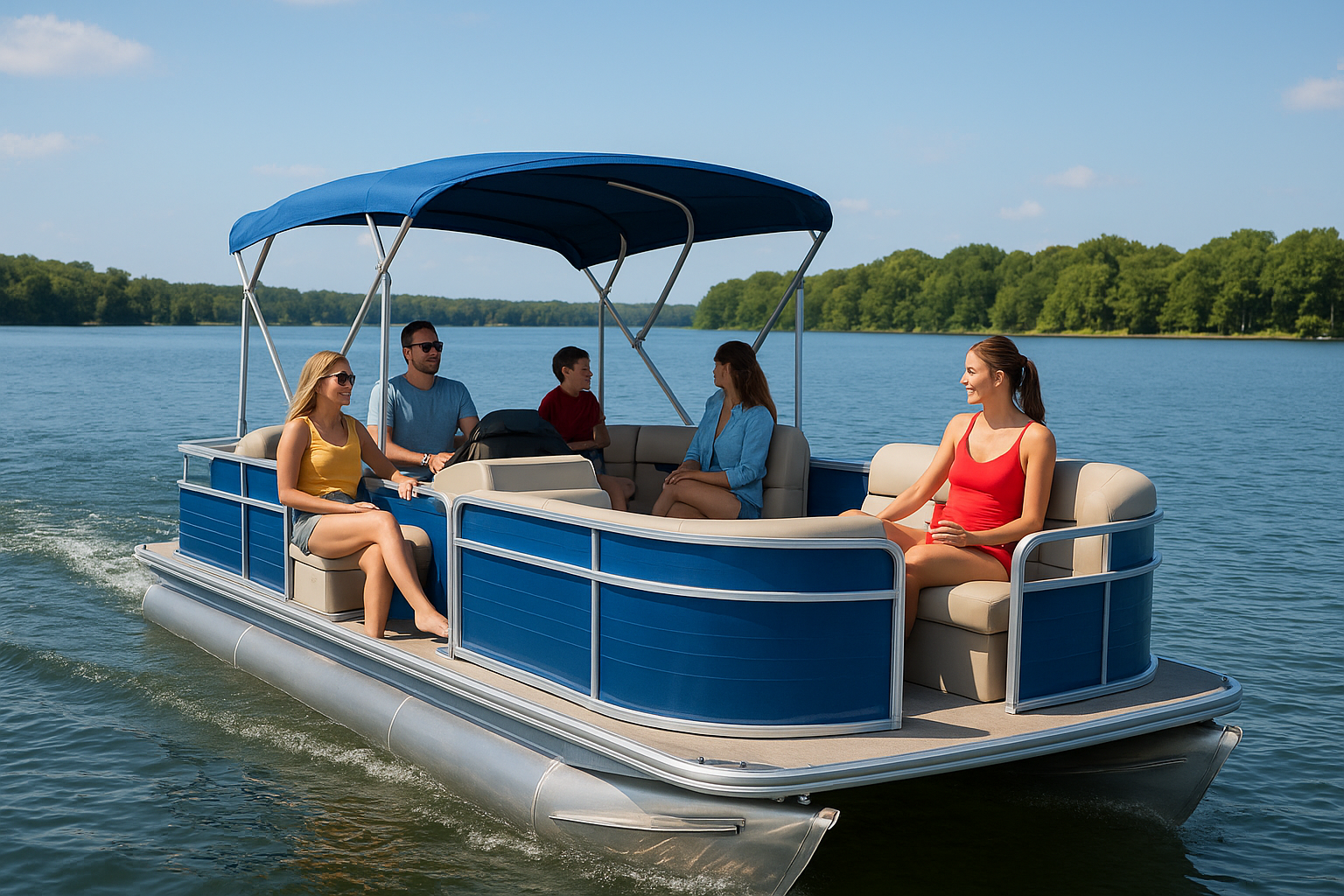
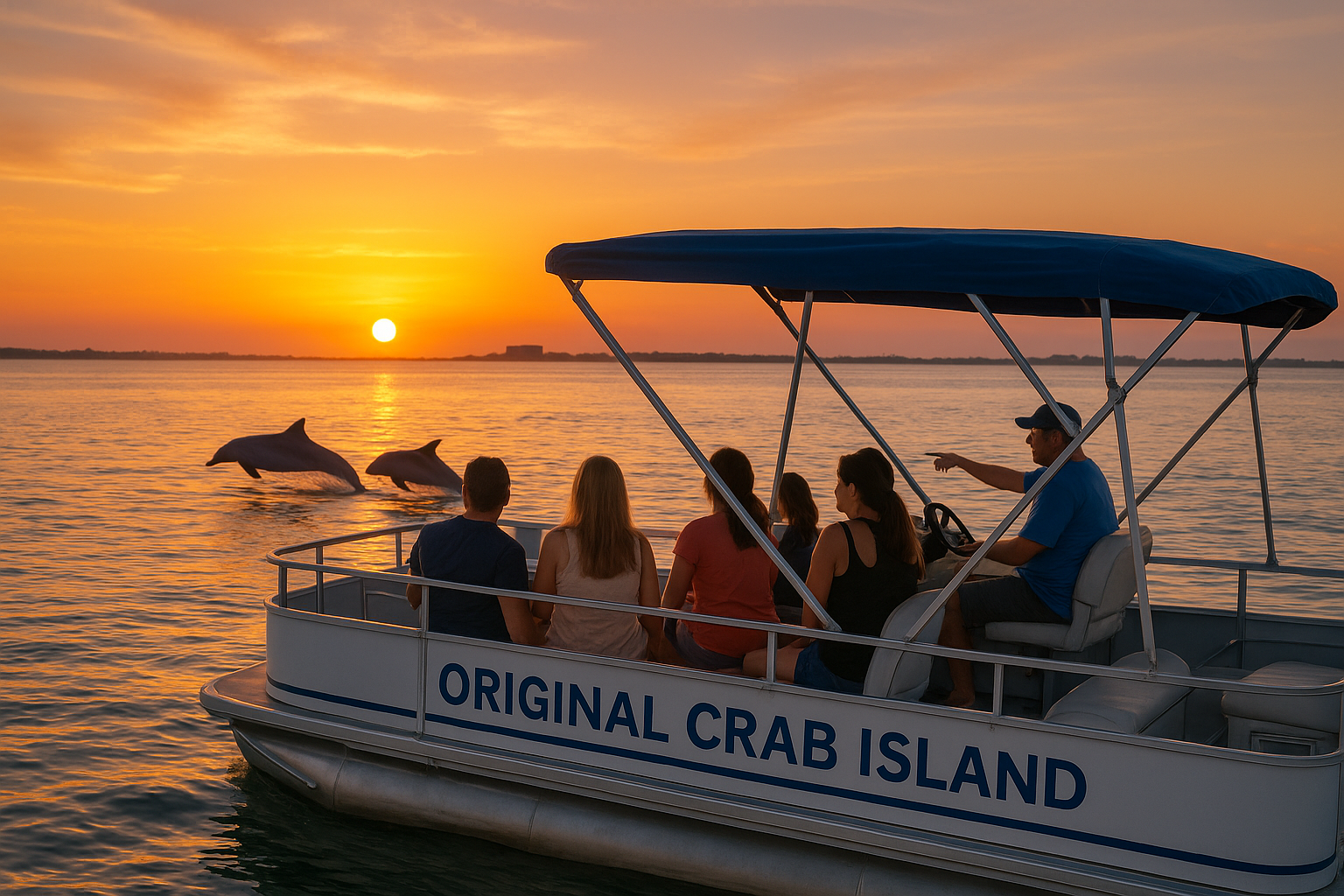
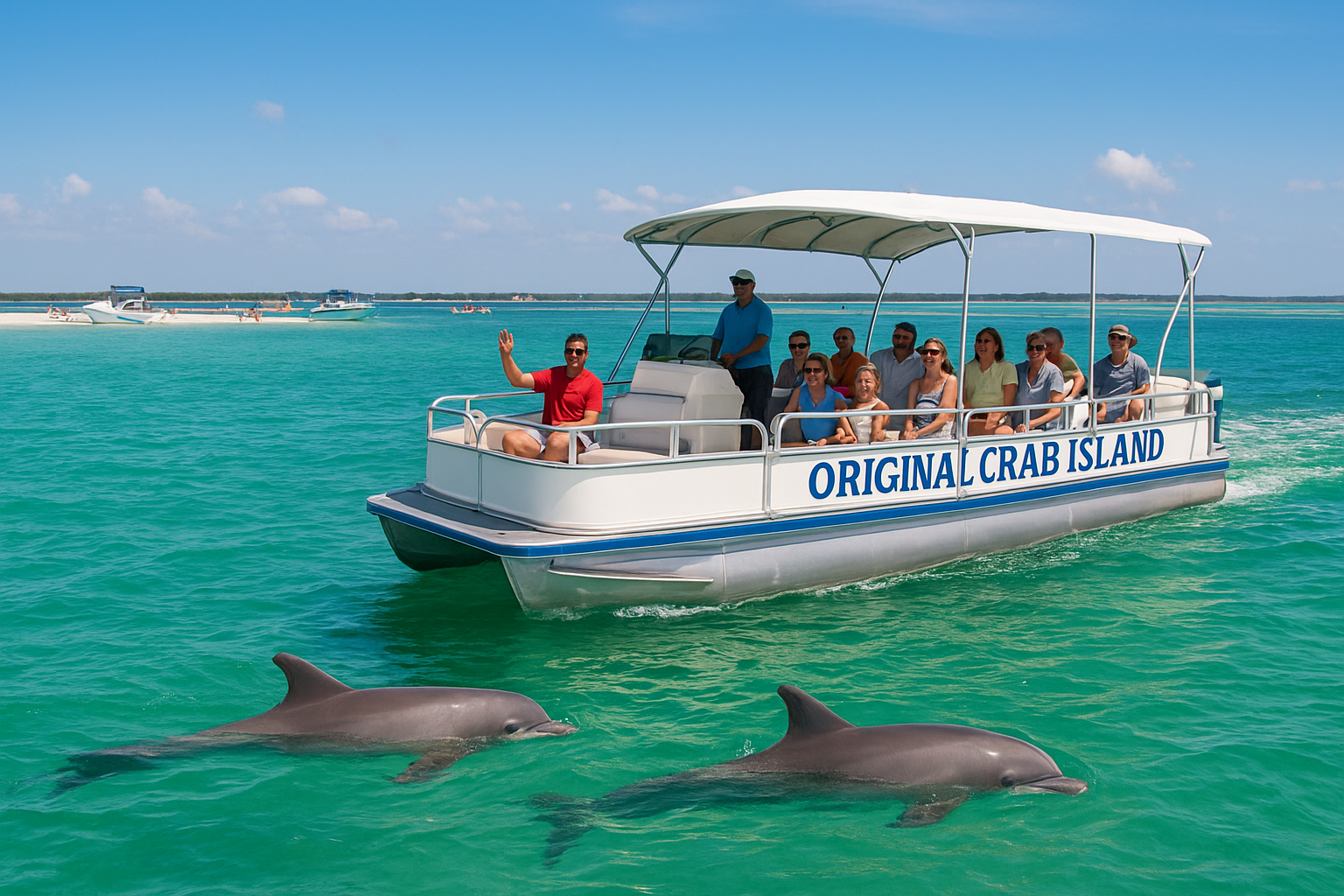
When you book a pontoon rental through Original Crab Island, you get more than just a boat for the day. Every rental includes USCG-approved life jackets for all passengers, sized from infant through adult XXL, and our staff fits each person properly before you leave the dock. We maintain and inspect these vests weekly to meet safety standards, so you’re not stuck with sun-bleached, waterlogged gear that smells like a tackle box.
What it is
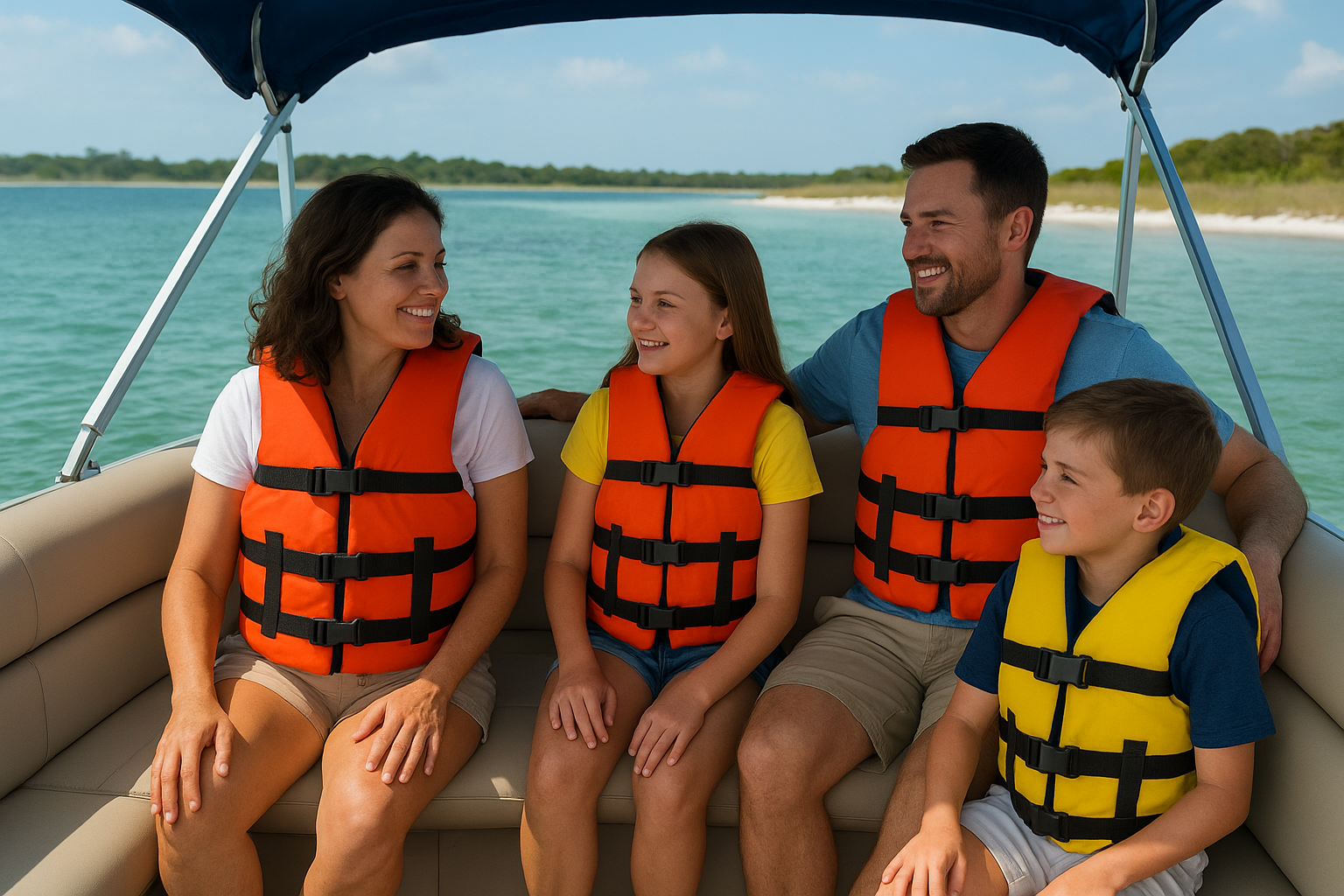
Our pontoon packages come with Type II foam life jackets that meet Coast Guard certification requirements for nearshore use. These are classic orange and yellow vests with adjustable straps, built for buoyancy in calm to moderate water conditions like you’ll find around Crab Island and Destin Harbor. Each vest provides at least 15.5 pounds of flotation, the minimum USCG standard for adult Type II devices, and they’re designed to turn an unconscious person face-up in the water.
Best for
This option works perfectly for families and groups who want hassle-free boating without buying their own safety gear. You’re covered whether you’re a first-time boater or just don’t want to haul equipment on vacation. The included vests suit calm waters, sandbar anchoring, and leisurely cruising, which describes 95% of what people do around Crab Island. If you’re planning extended offshore trips or fishing in choppy Gulf waters, you might want additional Type I offshore jackets.
Safety and comfort notes
Our staff will adjust your vest before departure to ensure proper fit and flotation positioning. The foam construction stays buoyant even after years of use, unlike inflatable models that require maintenance and can fail if punctured. You won’t need to worry about cartridge replacement, battery checks, or accidental inflation when you lean over the rail.
These vests handle splashes, swimming breaks, and unexpected entries into the water without any activation steps or waiting for inflation.
Comfort varies by body type, and foam vests do feel bulkier than inflatables, especially in Florida heat. Plan for some restriction in upper body movement, though the tradeoff is zero-maintenance reliability.
Sizing and fit tips
We stock six size categories from infant (under 30 pounds) to adult XXL (over 250 pounds). Your chest measurement matters more than your weight for proper fit. The vest should sit snug without riding up when you raise your arms overhead. Straps should be tight enough that you can’t slip out if someone pulls upward on the shoulders, but not so restrictive that they dig into your skin or limit breathing.
Typical price range
The cost is included in your pontoon rental rate, which starts around $350 for a half-day rental of our smaller boats. You’re not paying separately for the life jackets, so factor that convenience into your decision when comparing the best life jackets for boating. Buying similar USCG-approved foam vests retail runs $25 to $45 per adult vest, and you’d need multiples for a full boat.
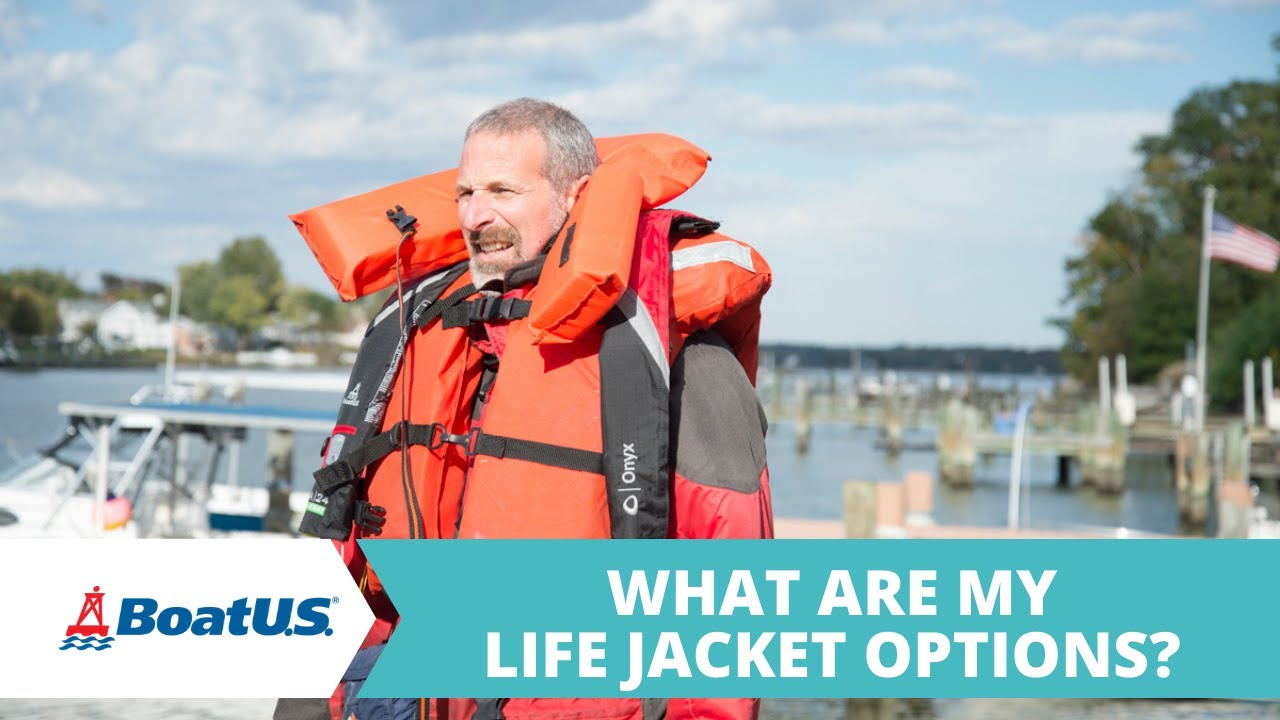
2. Mustang Survival MIT 150 A/M inflatable PFD
The Mustang Survival MIT 150 stands out among the best life jackets for boating when you prioritize low-profile comfort without sacrificing safety. This automatic/manual inflatable vest gives you the freedom to move naturally on deck while maintaining full USCG Type V approval with Type II performance. You’ll find it at the higher end of the price spectrum, but the quality and reliability justify the investment for serious boaters.
What it is
This is a belt-style inflatable PFD that wraps around your waist and inflates to 35 pounds of buoyancy when triggered. The automatic inflation mechanism deploys when submerged in water, or you can pull the manual ripcord for immediate activation. Mustang builds this model with a waterproof fabric shell and includes a safety harness attachment point rated for 3,000 pounds of breaking strength. The MIT 150 meets Coast Guard requirements for nearshore and offshore use once inflated.
Best for
You’ll appreciate this vest if you spend long hours on deck fishing, sailing, or running a boat where traditional foam vests feel too restrictive. The low profile works well for anglers who need full arm mobility and boaters who hate the bulk of standard life jackets. It suits calm to moderate conditions best, though the offshore rating gives you flexibility for varied water environments.
Safety and comfort notes
The automatic inflation system responds within seconds of water immersion, so you don’t need to remember pulling a cord during an emergency. Manual backup activation gives you control if the automatic system malfunctions or you need flotation before hitting the water.
Regular inspection and cartridge replacement every three years keeps this device reliable when you need it most.
Your comfort increases dramatically compared to foam vests, especially during hot weather when ventilation matters. The belt sits snug against your lower torso without restricting breathing or arm movement.
Sizing and fit tips
Mustang offers three size options based on chest measurement: Small (30-40 inches), Medium/Large (40-52 inches), and XX-Large (52-62 inches). Measure your chest at the widest point while wearing typical boating clothes. The belt should sit firmly at your natural waistline without sliding up or down when you move. Test the fit by bending, reaching, and sitting to ensure the buckle doesn’t dig into your abdomen.
Typical price range
Expect to pay $180 to $220 for the MIT 150 at marine retailers and online. Replacement CO2 cartridges run about $25 each, and you’ll want to keep spares onboard for reactivation after deployment or during your three-year replacement cycle.
3. Bluestorm Stratus 35 inflatable PFD
The Bluestorm Stratus 35 delivers automatic inflation technology at a price point that undercuts most premium PFDs while maintaining full USCG Type V approval. This vest gives you 35 pounds of buoyancy when deployed, matching the flotation of higher-priced competitors without the luxury brand markup. Recreational boaters looking for reliable protection and all-day comfort will find this model hits the sweet spot between performance and affordability.
What it is
This manual/automatic inflatable vest uses water-activated technology paired with a manual ripcord backup system. The Stratus 35 inflates within three seconds of submersion using a replaceable CO2 cartridge stored in the inflation chamber. Bluestorm constructs the outer shell from 420-denier ripstop nylon that resists tears and UV damage better than standard PFD fabrics. Your vest includes reflective SOLAS tape for visibility and meets Coast Guard requirements for Type II performance when inflated.
Best for
You’ll get the most value from this PFD during extended fishing trips and casual cruising where foam vests feel too restrictive. The low-profile design works well for pontoon boating and bay fishing in protected waters. Boaters who want automatic protection without paying $200 or more will appreciate the Stratus 35’s balance of features and cost.
Safety and comfort notes
The automatic inflation system activates reliably in saltwater and freshwater environments, though you should avoid accidental submersion during launching or while loading gear. Manual activation gives you instant flotation control if you need to deploy before entering the water.
Check the inflation indicator window monthly to verify your cartridge remains armed and ready for deployment.
Bluestorm uses mesh panels in the shoulder area to improve airflow, reducing heat buildup during summer boating sessions.
Sizing and fit tips
The Stratus 35 comes in universal adult sizing that adjusts from 30 to 52 inches at the chest. Adjust the side straps until the vest sits snug against your torso without riding up when you lift your arms overhead. The crotch strap prevents the inflated bladder from slipping over your head during water entry.
Typical price range
Most retailers price the Stratus 35 between $120 and $150, making it one of the best life jackets for boating when budget matters. Replacement CO2 cartridges cost around $20, and rearm kits with new cartridges and indicators run $25 to $30.
4. Onyx A/M-24 Deluxe automatic inflatable life jacket
The Onyx A/M-24 Deluxe brings automatic inflation protection to recreational boaters who want a vest that practically disappears until you need it. This Type V USCG-approved PFD combines affordability with reliable performance, giving you 24 pounds of buoyancy in a package that feels lighter than your favorite fishing shirt. Boaters shopping for the best life jackets for boating often overlook this model, but its track record and value proposition deserve serious consideration.
What it is
This yoke-style inflatable vest wraps over your shoulders and secures with adjustable straps across your chest and waist. The automatic inflation mechanism deploys when submerged about four inches underwater, using a dissolvable bobbin system that triggers the CO2 cartridge. Onyx includes a manual ripcord as backup activation, and the inflated bladder provides Type II performance levels. Your vest features 200-denier ripstop nylon construction with drainage grommets that prevent water pooling after deployment.
Best for
You’ll find this vest ideal for casual pontoon cruising and bay fishing where you want protection without bulk. The lower buoyancy rating suits calm to moderately protected waters better than offshore expeditions. Anglers and recreational boaters who prioritize freedom of movement during long days on the water will appreciate how this PFD stays out of your way until deployment.
Safety and comfort notes
Automatic activation happens within five seconds of water contact, giving you hands-free protection during unexpected entries. The bobbin system requires replacement after exposure to moisture, so store your vest in a dry location and inspect the activation indicator before each outing.
Keep spare rearming kits onboard because a deployed or moisture-compromised bobbin leaves you without automatic protection until replacement.
Mesh backing along the shoulder area reduces sweat buildup during hot weather boating sessions.
Sizing and fit tips
Onyx offers this model in three chest sizes: Small/Medium (30-40 inches), Medium/Large (40-52 inches), and Large/XX-Large (50-60 inches). Measure your chest at the widest point while wearing your typical boating layers. Adjust straps so the vest sits firmly without restricting breathing or shifting position when you bend forward.
Typical price range
Retailers stock the A/M-24 Deluxe between $75 and $95, positioning it as one of the most affordable automatic inflatables with Type V approval. Replacement rearming kits cost $15 to $20, and you’ll want multiple spares for extended boating seasons.
5. Spinlock Deckvest Lite inflatable PFD
The Spinlock Deckvest Lite represents premium European engineering applied to recreational boating safety, delivering automatic inflation technology in a package that weighs just over one pound. This USCG Type V approved vest provides 33 pounds of buoyancy when deployed, matching the performance of bulkier foam alternatives while giving you unrestricted movement during normal boat operations. Sailors and performance boaters looking for the best life jackets for boating often gravitate toward Spinlock’s reputation for reliability in demanding conditions.
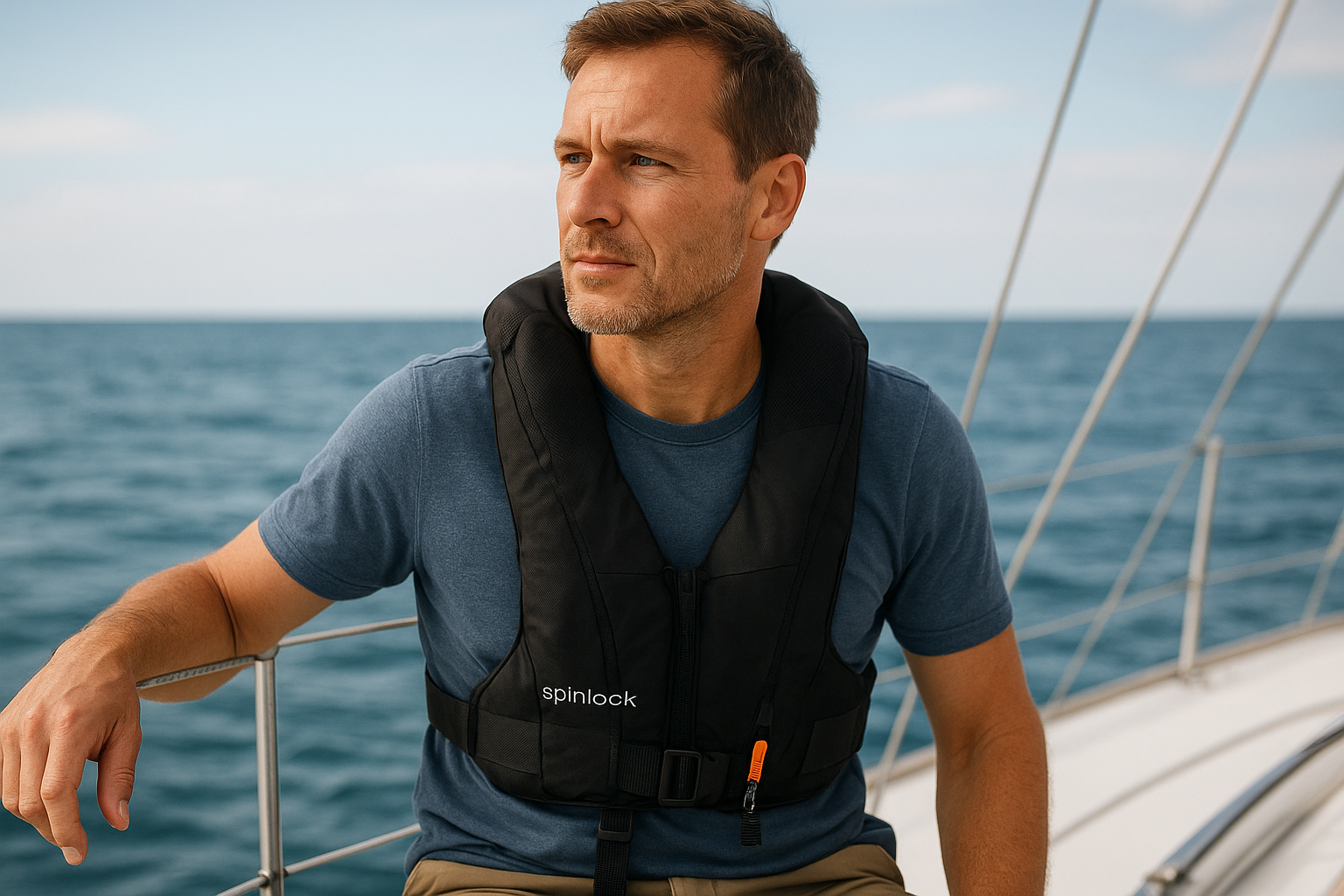
What it is
This ultra-lightweight inflatable PFD uses Spinlock’s patented Hammar hydrostatic inflation system that deploys only when submerged underwater, not from rain or spray. The vest inflates within two seconds of reaching four inches depth, triggered by water pressure rather than dissolvable bobbins that can fail from humidity exposure. Your Deckvest Lite includes a manual override cord, integrated whistle, and reflective tape panels that meet SOLAS maritime visibility standards.
Best for
You’ll appreciate this vest during sailing and active watersports where traditional PFDs interfere with performance. The hydrostatic trigger makes it perfect for kayakers and paddleboarders who regularly take splash without needing inflation. Serious recreational boaters who demand professional-grade equipment without offshore harness bulk will find the Lite version hits the balance between protection and mobility.
Safety and comfort notes
Hydrostatic activation eliminates false deployments from wave spray and rain, a common frustration with bobbin-based systems. The vest requires cartridge inspection every two years regardless of deployment history, though the Hammar mechanism itself needs no routine replacement.
Your initial investment covers technology that won’t activate accidentally when you kneel on a wet deck or lean over the rail in rough water.
Spinlock uses breathable mesh and quick-dry fabrics that reduce chafing during extended wear periods.
Sizing and fit tips
The Deckvest Lite comes in two sizes: Small/Medium (chest 30-44 inches) and Large/X-Large (chest 42-56 inches). Adjust the waist and shoulder straps until the vest sits flat against your upper chest without gaps. The crotch strap should remain snug but not restrictive when you sit or bend forward.
Typical price range
Expect to pay $220 to $260 for the Deckvest Lite through authorized marine dealers. Replacement CO2 cylinders cost approximately $30, and complete rearm kits with cartridge and indicator run $45 to $50.
6. Spinlock Deckvest 6D inflatable PFD with harness
The Spinlock Deckvest 6D adds integrated safety harness functionality to the Lite model’s proven hydrostatic inflation system, creating a comprehensive solution for sailors and offshore boaters who need both flotation and tethering capability. This USCG Type V approved vest delivers 33 pounds of buoyancy plus a 3,000-pound load-rated harness that lets you clip into jacklines during rough weather passages. Serious recreational sailors shopping for the best life jackets for boating will find the 6D justifies its premium price through dual-purpose protection.
What it is
This inflatable PFD combines automatic inflation with a built-in safety harness rated to ISO 12401 standards for marine tethering systems. The Hammar hydrostatic mechanism deploys when submerged four inches underwater, while the D-ring attachment point between your shoulder blades handles high-load forces during falls or wave strikes. Spinlock constructs the harness webbing from 2,000-denier nylon that resists UV degradation and saltwater exposure better than standard PFD materials.
Best for
You’ll maximize this vest’s capabilities during offshore sailing and extended coastal passages where clipping into jacklines prevents going overboard. Racing sailors and cruisers who venture beyond protected waters need the dual protection of flotation and tethering. This model suits conditions where foam vests feel too restrictive and simple inflatables lack attachment points for safety lines.
Safety and comfort notes
The integrated harness eliminates wearing separate tethering equipment that adds bulk and creates multiple failure points. Your vest inflates independently of harness function, so tether deployment doesn’t interfere with flotation during water entry.
Inspect both inflation cartridge and harness webbing before each sailing season to verify the entire system maintains structural integrity under load.
Padded shoulder straps distribute tether forces across your upper body rather than concentrating pressure at single attachment points.
Sizing and fit tips
Spinlock offers three sizes: Small (chest 30-38 inches), Medium/Large (chest 38-48 inches), and X-Large/XX-Large (chest 46-56 inches). The harness adjustment range accommodates foul weather gear layers without compromising proper D-ring positioning at your upper back. Test fit while wearing your heaviest sailing jacket to ensure adequate adjustment room remains.
Typical price range
Marine retailers price the Deckvest 6D between $280 and $340, reflecting the added engineering for integrated harness construction. Replacement components match the Lite model at $30 for CO2 cartridges and $45 to $50 for complete rearm kits.
7. Mustang Survival Khimera dual flotation PFD
The Mustang Survival Khimera breaks the mold among the best life jackets for boating by combining foam and inflatable flotation into a single hybrid design. This Type V USCG-approved vest gives you 16.5 pounds of inherent foam buoyancy that works immediately upon water entry, plus an additional 18 pounds when the inflatable chamber deploys. Boaters who want backup protection without relying entirely on mechanical inflation systems will find this dual-layer approach addresses concerns about both foam bulk and inflatable reliability.
What it is
This hybrid PFD uses closed-cell foam panels across the chest and back for constant flotation, while an inflatable bladder wraps around the collar area to boost total buoyancy to 34.5 pounds when deployed. The automatic inflation mechanism triggers when submerged, or you can pull the manual ripcord for immediate full flotation. Mustang constructs the outer shell from ripstop nylon with mesh ventilation panels that reduce heat buildup during active use.
Best for
You’ll appreciate this vest during fishing trips and day cruising where you want protection that doesn’t depend solely on CO2 cartridge deployment. The hybrid design suits boaters transitioning from foam to inflatables who aren’t ready to trust pure mechanical systems. This model works well in protected to moderate waters where immediate foam flotation handles most situations while inflatable backup covers emergencies requiring maximum buoyancy.
Safety and comfort notes
Your foam component provides instant flotation without activation steps, giving you redundant protection if the inflation system malfunctions. The vest feels bulkier than pure inflatables but less restrictive than traditional foam life jackets.
Dual flotation systems mean you maintain some buoyancy even if your CO2 cartridge fails or depletes after inflation.
Regular inspection of both foam integrity and inflation components keeps the entire system reliable.
Sizing and fit tips
Mustang offers three sizes based on chest measurement: Small/Medium (30-40 inches), Large/X-Large (40-52 inches), and XX-Large (52-60 inches). Adjust the side straps until the foam panels sit flat against your torso without gaps or pressure points. The crotch strap prevents the inflated collar from riding up over your head.
Typical price range
Expect to pay $160 to $195 for the Khimera at marine retailers. Replacement CO2 cartridges cost approximately $25, and complete rearm kits run $30 to $35.
8. Stohlquist Fit universal adult vest
The Stohlquist Fit delivers proven Type III flotation in a design that prioritizes all-day wearability over flashy features. This foam-based life jacket gives you reliable buoyancy without inflation mechanisms or cartridge maintenance, making it one of the best life jackets for boating when you want simplicity that works every time. Recreational paddlers and casual boaters will find this vest hits the balance between comfort and protection at a price that won’t drain your gear budget.
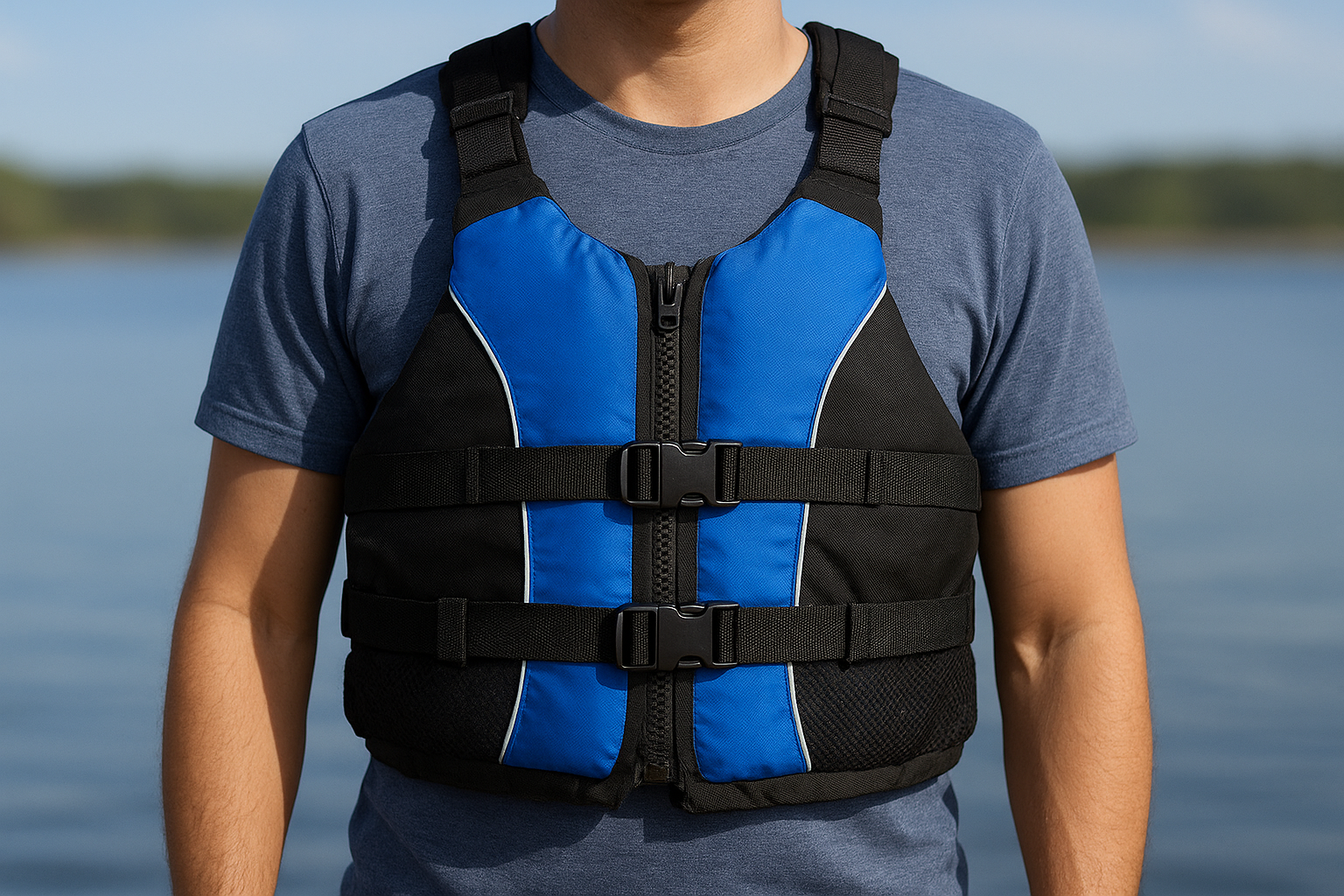
What it is
This Type III USCG-approved foam vest provides minimum 15.5 pounds of buoyancy through closed-cell foam panels distributed across the chest and back. Stohlquist constructs the outer shell from 200-denier nylon with mesh lower panels that improve drainage and ventilation. Your vest includes front-entry zippers with buckle closures, eliminating the overhead pull-on struggle of traditional life jackets. Four adjustment straps let you customize the fit across chest and waist dimensions.
Best for
You’ll get maximum value from this vest during kayaking, canoeing, and stand-up paddleboarding where arm mobility matters more than minimal bulk. The design suits protected waters and calm conditions like lakes, slow rivers, and bay cruising. Boaters who prefer maintenance-free gear over weight savings will appreciate the Fit’s zero-upkeep reliability.
Safety and comfort notes
Your foam flotation works immediately upon water entry without requiring cartridge deployment or inflation waiting periods. The vest keeps you afloat even if torn or punctured, unlike inflatables that lose buoyancy when the bladder fails.
Mesh panels across the lower back reduce sweat buildup during paddling sessions, though you’ll still feel warmer than wearing inflatable alternatives in hot weather.
Stohlquist uses soft-edge foam that flexes with your body movements rather than rigid panels that dig into your ribs.
Sizing and fit tips
The universal adult sizing adjusts from 30 to 52 inches at the chest through side and shoulder straps. Measure your chest at the widest point while wearing typical paddling clothes. Adjust straps until the vest sits snug without riding up when you lift your arms overhead. Test the fit by sitting in a paddling position to verify the foam doesn’t bunch or create pressure points.
Typical price range
Retailers stock the Stohlquist Fit between $60 and $80, positioning it as an affordable option among Type III foam vests. You’ll spend nothing on replacement cartridges or rearm kits during the vest’s lifetime.
9. Onyx MoveVent Dynamic vest
The Onyx MoveVent Dynamic brings ventilation technology to traditional foam life jackets through strategically placed mesh panels that actually work. This Type III USCG-approved vest solves the sweat-soaked discomfort that makes boaters ditch their PFDs on hot days, giving you 16.5 pounds of reliable foam flotation in a package that breathes better than most clothing. Budget-conscious boaters seeking the best life jackets for boating will find this model delivers premium comfort features at a price that competes with basic foam vests.
What it is
This foam-based life jacket uses Onyx’s MoveVent construction that integrates large mesh panels across the back and side sections for airflow. Closed-cell foam provides continuous buoyancy distributed through the chest and back areas. Your vest includes front-entry zippers with side buckle adjustments, reflective trim for visibility, and four adjustment points that accommodate different torso shapes. The outer shell uses ripstop nylon that resists tears and UV fading.
Best for
You’ll appreciate this vest during extended fishing sessions and summer boating where heat buildup drives people to remove their PFDs. The design works well for calm to moderate protected waters including bays, lakes, and coastal cruising. Anglers who spend long hours casting from boats or kayaks will find the mesh ventilation reduces the temptation to shed safety gear when temperatures climb.
Safety and comfort notes
Your foam flotation activates instantly upon water entry without mechanical systems that might fail. The MoveVent panels create genuine airflow rather than cosmetic mesh that does nothing, though you’ll still feel warmer than inflatable alternatives.
Mesh sections drain water quickly after swimming breaks or unexpected splashes, reducing the soggy weight that makes wet foam vests uncomfortable.
Sizing and fit tips
Onyx offers four adult sizes: Small/Medium (30-40 inches chest), Large/X-Large (40-48 inches), XX-Large (48-56 inches), and XXX-Large (56-62 inches). Adjust straps until the vest sits firmly against your torso without restricting breathing or riding up during arm movements.
Typical price range
Retailers price the MoveVent Dynamic between $45 and $65, making it one of the most affordable vests with genuine ventilation features. You’ll pay nothing for maintenance or replacement parts during its service life.
10. NRS Chinook Fishing vest
The NRS Chinook Fishing vest transforms the standard Type III life jacket into a floating tackle box by integrating multiple storage pockets with USCG-approved flotation. This foam-based PFD delivers 16.5 pounds of buoyancy while giving you organized access to lures, tools, and gear without returning to your boat or tackle bag. Anglers searching for the best life jackets for boating that double as functional fishing vests will find the Chinook eliminates the choice between safety and convenience.
What it is
This Type III USCG-approved vest uses closed-cell foam panels across the chest and back for continuous flotation, wrapped in a ripstop nylon shell that resists hooks and sharp objects. The Chinook includes seven zippered pockets distributed across the front panels, sized to hold pliers, leader spools, fly boxes, and small tackle trays. NRS adds four rod holder tabs along the shoulders, mesh drainage panels, and adjustable side straps that accommodate layers. Your vest features a mesh back panel that improves ventilation during warm weather fishing sessions.
Best for
You’ll maximize this vest during wade fishing, kayak angling, and small boat trips where carrying tackle on your body beats digging through storage compartments. The design suits protected waters and calm conditions like rivers, lakes, and inshore bays. Bass anglers and fly fishermen who move between spots frequently will appreciate having essential gear accessible without extra bags or vests layered over safety equipment.
Safety and comfort notes
Your foam flotation provides immediate buoyancy without mechanical systems or cartridge maintenance requirements. The multiple pockets add weight when fully loaded with tackle, though the vest balances distributed gear better than stuffing everything into single large pockets.
Plan your pocket organization to keep heavier items like pliers and multi-tools in lower pockets for better weight distribution across your torso.
Mesh panels improve drainage and airflow compared to solid foam vests.
Sizing and fit tips
NRS offers three sizes: Small/Medium (chest 32-42 inches), Large/X-Large (chest 42-52 inches), and XX-Large (chest 52-58 inches). Adjust straps until the vest sits snug against your chest without restricting arm movements during casting. Test the fit while carrying typical gear loads to verify pockets don’t create pressure points.
Typical price range
Retailers price the Chinook between $90 and $120, positioning it as a mid-range option among fishing-specific PFDs. You’ll pay nothing for maintenance during the vest’s service life beyond occasional pocket zipper cleaning.
11. Stearns Adult Classic Series vest
The Stearns Adult Classic Series represents budget-friendly Type III flotation that prioritizes basic safety over premium features, making it one of the most accessible options when shopping for the best life jackets for boating. This no-frills foam vest delivers USCG-required buoyancy at a price point that lets you outfit an entire boat without spending more than you paid for your trolling motor. Families and rental operations looking for reliable protection without bells and whistles will find the Classic Series handles essential safety duties while keeping costs reasonable.
What it is
This Type III USCG-approved foam vest provides 15.5 pounds of minimum buoyancy through closed-cell foam panels distributed across the chest and back areas. Stearns constructs the outer shell from polyester fabric with nylon webbing straps and plastic side-release buckles. Your vest includes three adjustment points at the sides and shoulders, reflective tape for low-light visibility, and a grab handle at the collar. The design uses traditional overhead entry rather than front zippers found on more expensive models.
Best for
You’ll get solid value from this vest during occasional recreational boating and backup emergency gear situations where you need Coast Guard compliance without daily comfort priorities. The Classic Series suits protected calm waters like lakes, ponds, and slow rivers. Boat owners who need multiple vests for guests or rental operators stocking large fleets will appreciate the low per-unit cost that makes safety equipment accessible.
Safety and comfort notes
Your foam flotation activates instantly when you enter the water without relying on mechanical systems or user activation. The vest maintains buoyancy even after years of storage and sun exposure, though UV degradation eventually weakens the outer fabric rather than the foam core.
Basic construction means less padding and contouring compared to premium foam vests, so expect a boxier fit that feels more restrictive during extended wear periods.
Sizing and fit tips
Stearns offers four adult sizes: Small (chest 30-35 inches), Medium (chest 36-40 inches), Large (chest 40-44 inches), and X-Large (chest 44-48 inches). Adjust the side straps until the vest sits firmly without excessive looseness when you lift your arms. The neck opening should allow comfortable head movement without the collar riding up against your chin.
Typical price range
Retailers price the Classic Series between $15 and $25, making it the most affordable USCG-approved option among adult foam vests. You’ll pay nothing for maintenance or replacement parts during its service life.
12. Astral YTV 2.0 low-profile vest
The Astral YTV 2.0 redefines what Type III foam flotation feels like by using thin-profile foam construction that moves with your body rather than against it. This USCG-approved vest gives you 16.5 pounds of buoyancy in a package that feels closer to wearing a light jacket than traditional bulky life jackets. Paddlers and active boaters seeking the best life jackets for boating that prioritize mobility will find the YTV 2.0 delivers professional-grade performance at a price that beats most premium foam alternatives.
What it is
This Type III foam vest uses Astral’s proprietary thin-foam technology that distributes flotation across larger surface areas rather than thick blocks that restrict movement. The outer shell combines 420-denier ripstop nylon with mesh ventilation panels across the sides and back. Your vest includes eight adjustment points for customized fit, a front-entry zipper with buckle closure, and reflective accents for visibility. Astral adds a fleece-lined hand warmer pocket at the chest and multiple lash points for attaching a knife or whistle.
Best for
You’ll maximize this vest during kayaking, stand-up paddleboarding, and active watersports where arm mobility and torso flexibility matter most. The low-profile design suits protected to moderate waters including rivers, lakes, and coastal paddling zones. Whitewater enthusiasts and fitness paddlers who demand unrestricted movement will appreciate how the thin foam flexes during aggressive strokes and body rotations.
Safety and comfort notes
Your foam flotation provides immediate buoyancy without activation steps or mechanical components that require maintenance. The thin-profile construction reduces bulk without sacrificing USCG buoyancy requirements, though you’ll notice less chest coverage compared to traditional foam vests.
Eight adjustment points let you dial in a snug fit that prevents the vest from riding up during swimming or paddling without creating pressure points that cause chafing.
Sizing and fit tips
Astral offers five sizes from X-Small (chest 28-32 inches) through XX-Large (chest 48-54 inches). Adjust all eight straps until the vest sits flat against your torso without gaps between the foam and your body. Test the fit by rotating your torso and reaching overhead to verify the vest moves with you rather than shifting position.
Typical price range
Retailers price the YTV 2.0 between $100 and $130, positioning it at the upper end of foam vest pricing. You’ll pay nothing for maintenance or replacement components during its lifetime.
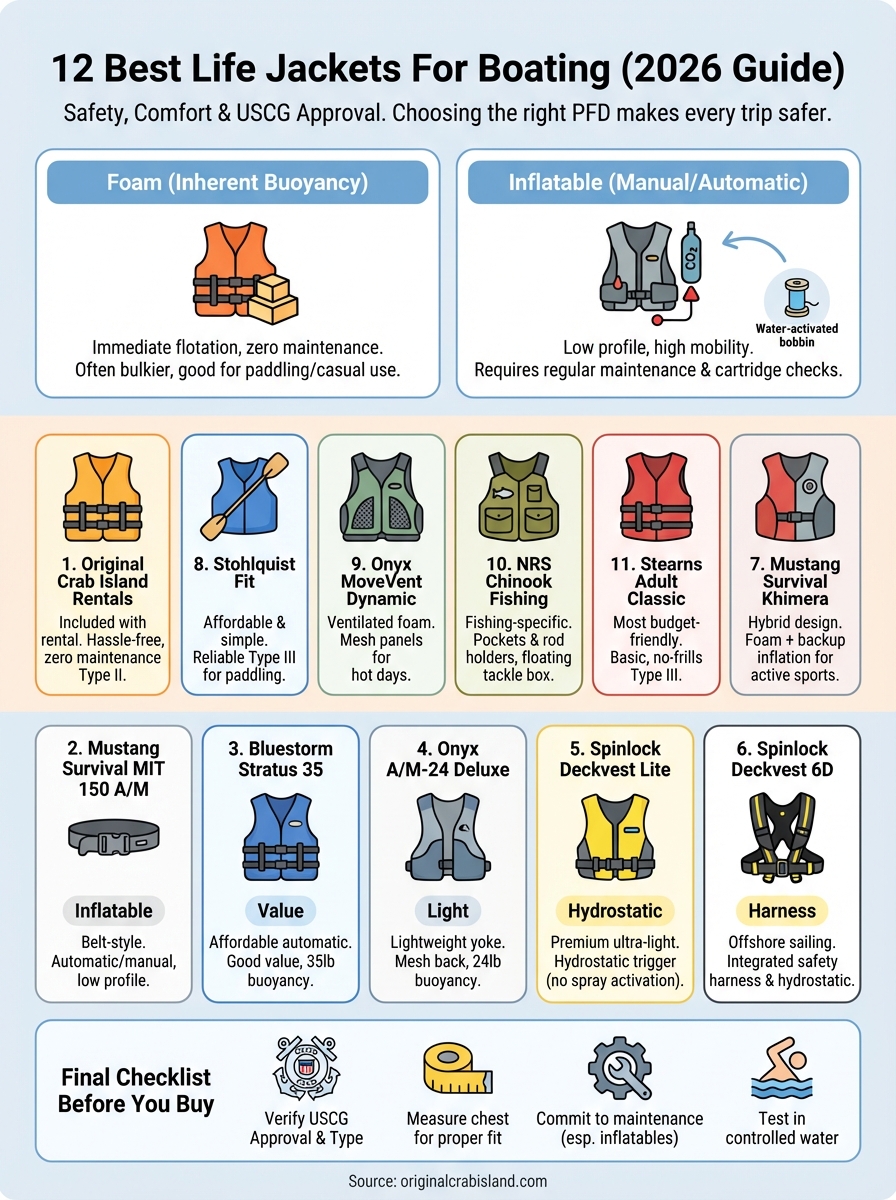
Final checklist before you buy
Before you commit to any vest, verify USCG approval and match the type rating to your typical boating environment. Type II suits calm waters, Type III works for active sports, and Type V inflatables cover multiple conditions when properly maintained. Measure your chest circumference accurately rather than guessing based on clothing sizes, since improper fit compromises both safety and comfort.
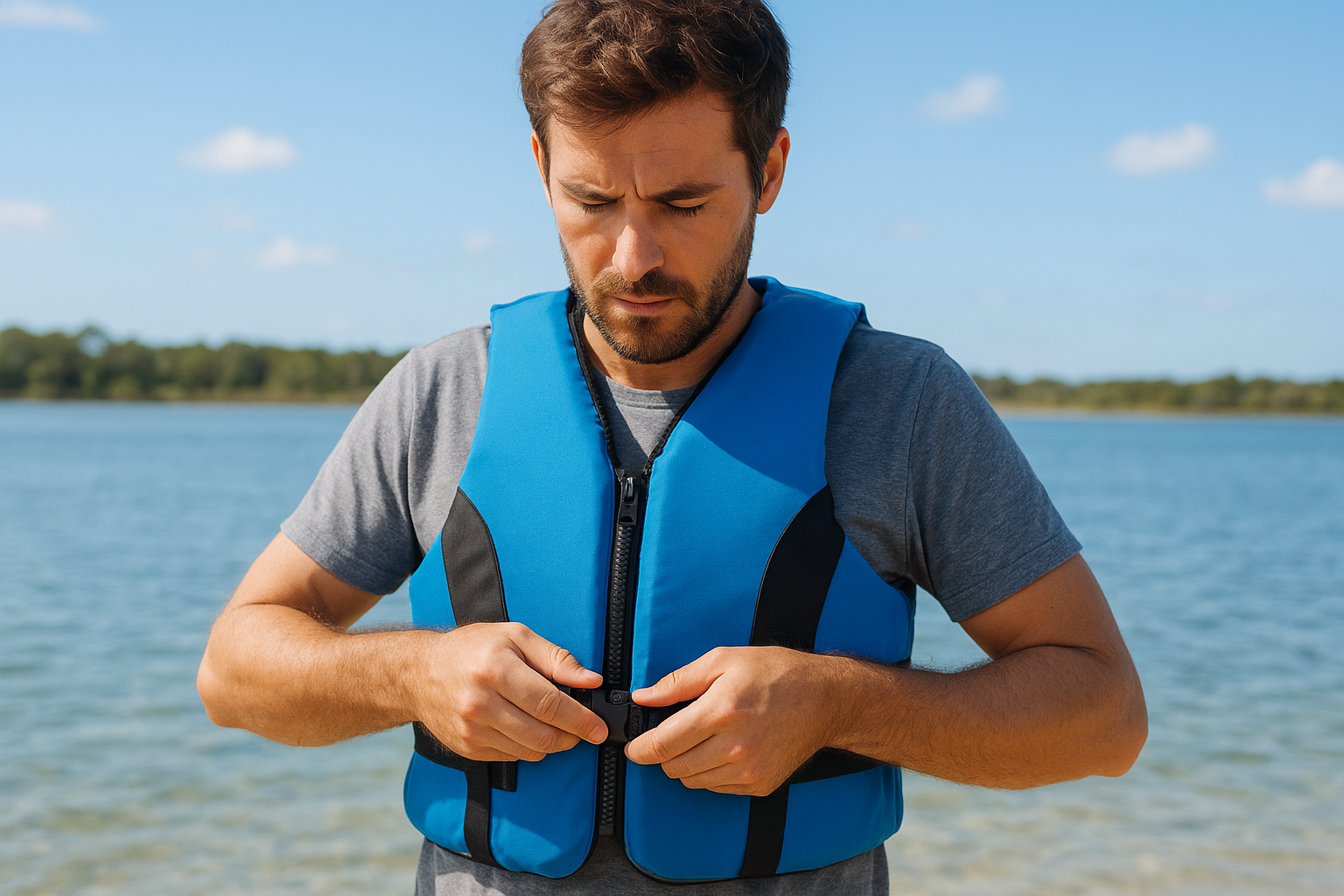
Consider your maintenance willingness when choosing between foam and inflatable models. Foam vests require zero upkeep beyond visual inspections, while inflatables need regular cartridge checks and replacement every three years regardless of use. Your decision should factor in storage conditions too, since humidity and temperature extremes affect inflatable reliability.
Test your chosen vest in controlled shallow water before heading into open conditions. Jump in with the vest secured to verify it keeps your head above water and doesn’t ride up over your face. When you’re ready to put the best life jackets for boating to work during an actual adventure, book a pontoon rental at Crab Island where our staff fits you with proper safety gear and shows you Destin’s protected waters. For more options, explore our Pontoon rentals Destin page. For more options, explore our Destin fishing charters page. For more options, explore our our rentals página.