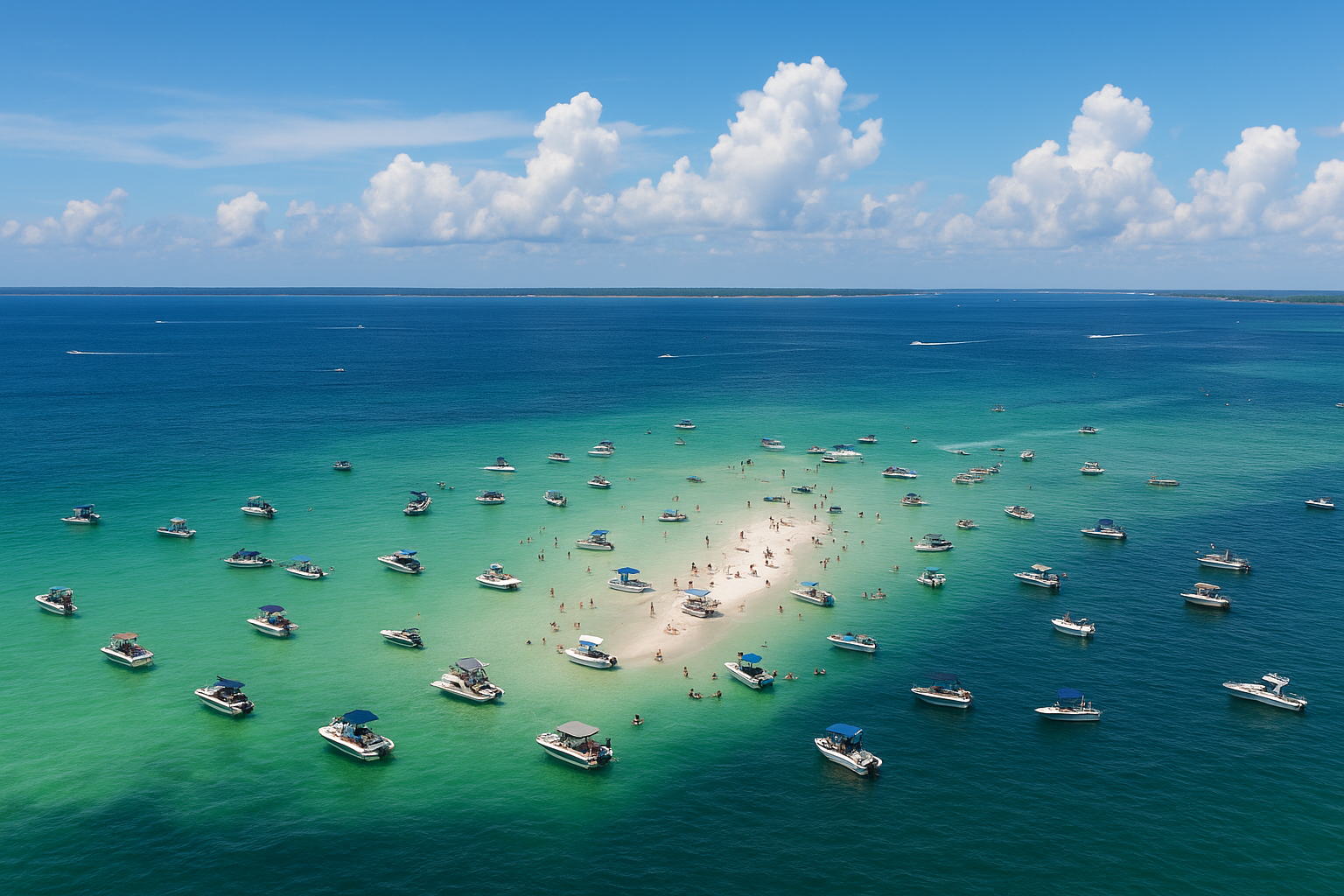
Planning a trip to Crab Island? The timing of your visit can make or break the experience. A Crab Island tide chart helps you pinpoint exactly when conditions are ideal, when the water is crystal clear and the sandbars are perfect for wading. Miss the right tide window, and you might find yourself in murky water or struggling to anchor in the right spot.
Understanding how tides work at Crab Island isn’t complicated, but it does require knowing where to look and what the numbers actually mean. At Original Crab Island, we’ve helped countless visitors plan their perfect day on the water, and tide awareness is one of the first things we recommend. It’s the difference between a good trip and a great one.
This guide breaks down how to read a Crab Island tide chart, where to find accurate schedules, and how to use that information to plan the best possible trip to Destin’s most iconic sandbar.
What a Crab Island tide chart tells you
A Crab Island tide chart shows you when high and low tides occur throughout the day and how much the water level changes during each cycle. You’ll see specific times listed alongside height measurements in feet, which tells you exactly what to expect when you arrive. The chart typically covers multiple days, so you can plan ahead and pick the best day for your visit.
High and low tide times
Each tide chart lists two high tides and two low tides per day, since Crab Island experiences a semi-diurnal tide pattern. High tide is when you’ll find the clearest water and best conditions for swimming, snorkeling, and enjoying the sandbar without fighting strong currents. Low tide brings shallower water that can look murky due to stirred-up sand and sediment.
The window between mid-tide and high tide offers the best combination of clear water and manageable depths for anchoring.
Tide heights and what they mean
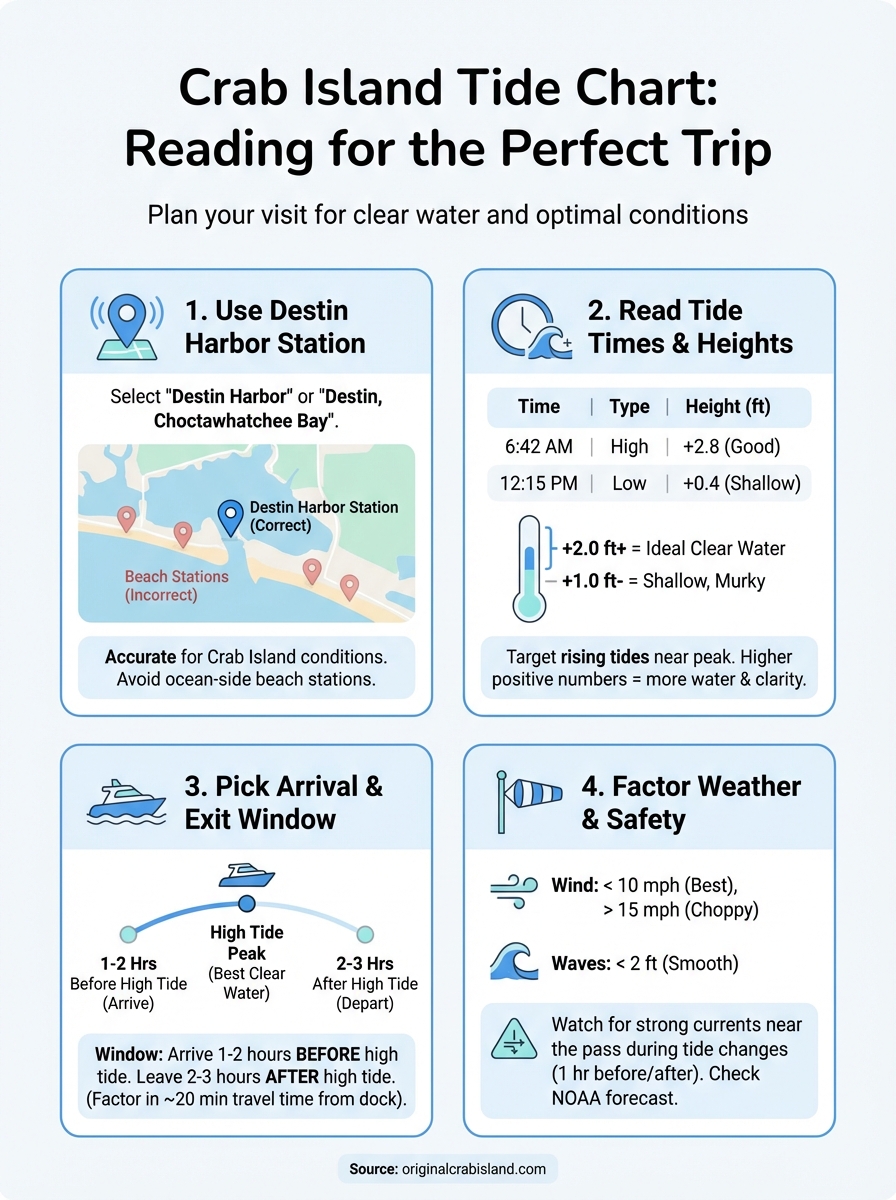
Tide heights measure vertical water level change relative to a baseline average, typically shown in feet. You’ll see numbers like +2.5 ft or -0.3 ft on your chart. A higher positive number means more water covering the sandbar, while negative or low positive numbers indicate exposed or very shallow areas. At Crab Island, the difference between high and low tide usually ranges from 2 to 4 feet, which significantly impacts water clarity and accessibility.
Here’s what typical tide data looks like:
Time
Tide Type
Height
6:42 AM
High
+2.8 ft
12:15 PM
Low
+0.4 ft
7:08 PM
High
+2.6 ft
Understanding these numbers helps you avoid arriving during low tide when conditions are less than ideal for the Crab Island experience you’re looking for.
Step 1. Use the right tide station for Crab Island
The first step in reading a Crab Island tide chart is making sure you’re looking at data from the correct tide station. Not all stations in the Destin area provide accurate readings for Crab Island, and using the wrong one can throw off your timing by 30 minutes or more. You need tide predictions specifically for the Destin Harbor area to get reliable information.
Find the Destin Harbor tide station
Crab Island sits in the Choctawhatchee Bay near the Destin Pass, which means it follows the tidal patterns of Destin Harbor. When you search for tide information, look for stations labeled "Destin, Choctawhatchee Bay" or simply "Destin Harbor" in tide prediction services. These stations are positioned close enough to Crab Island to give you accurate timing and height data for planning your visit.
Using the Destin Harbor station ensures you get tide predictions within 5 to 10 minutes of actual conditions at Crab Island.
Avoid using stations from nearby beaches like Miramar Beach o Fort Walton Beach, as their ocean-side locations don’t reflect the bay conditions at Crab Island. The difference might seem small, but it can mean arriving during less ideal water clarity or struggling with unexpected currents.
Step 2. Read high and low tide times and heights
Once you’ve found the correct Destin Harbor station, you need to know how to interpret the tide information displayed on the chart. Every Crab Island tide chart shows you specific times when tides reach their high and low points, along with corresponding height measurements. This data tells you exactly what water conditions to expect at any given hour.
Locate the tide cycle information
Look for a table or list format that displays times in 12-hour or 24-hour format alongside labels like "High" and "Low." Each entry shows when a specific tide event occurs and how high or low the water will be at that moment. You’ll typically see four entries per day, alternating between high and low tides roughly every six hours.
Reading the exact times helps you plan your departure from the dock so you arrive at Crab Island during optimal conditions.
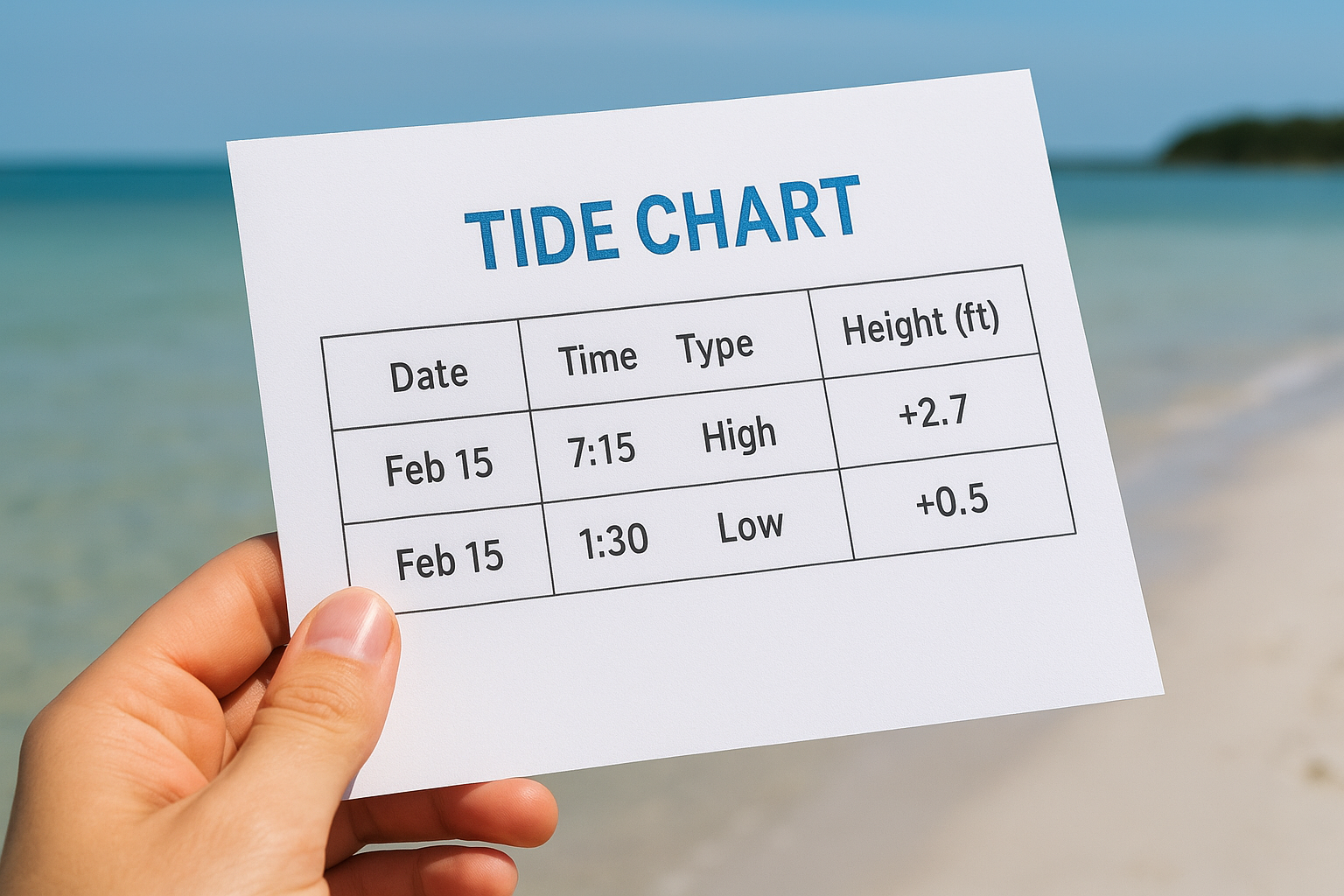
Most tide charts present this information like this:
Date
Time
Type
Height (ft)
Feb 15
7:15 AM
High
+2.7
Feb 15
1:30 PM
Low
+0.5
Interpret the height measurements
The height numbers tell you how much water covers the sandbar at different times. Positive numbers above +2.0 feet indicate good high tide conditions with clear water, while anything below +1.0 feet means shallow, potentially murky water. You want to target arrival times when heights are trending upward toward or at their daily peak.
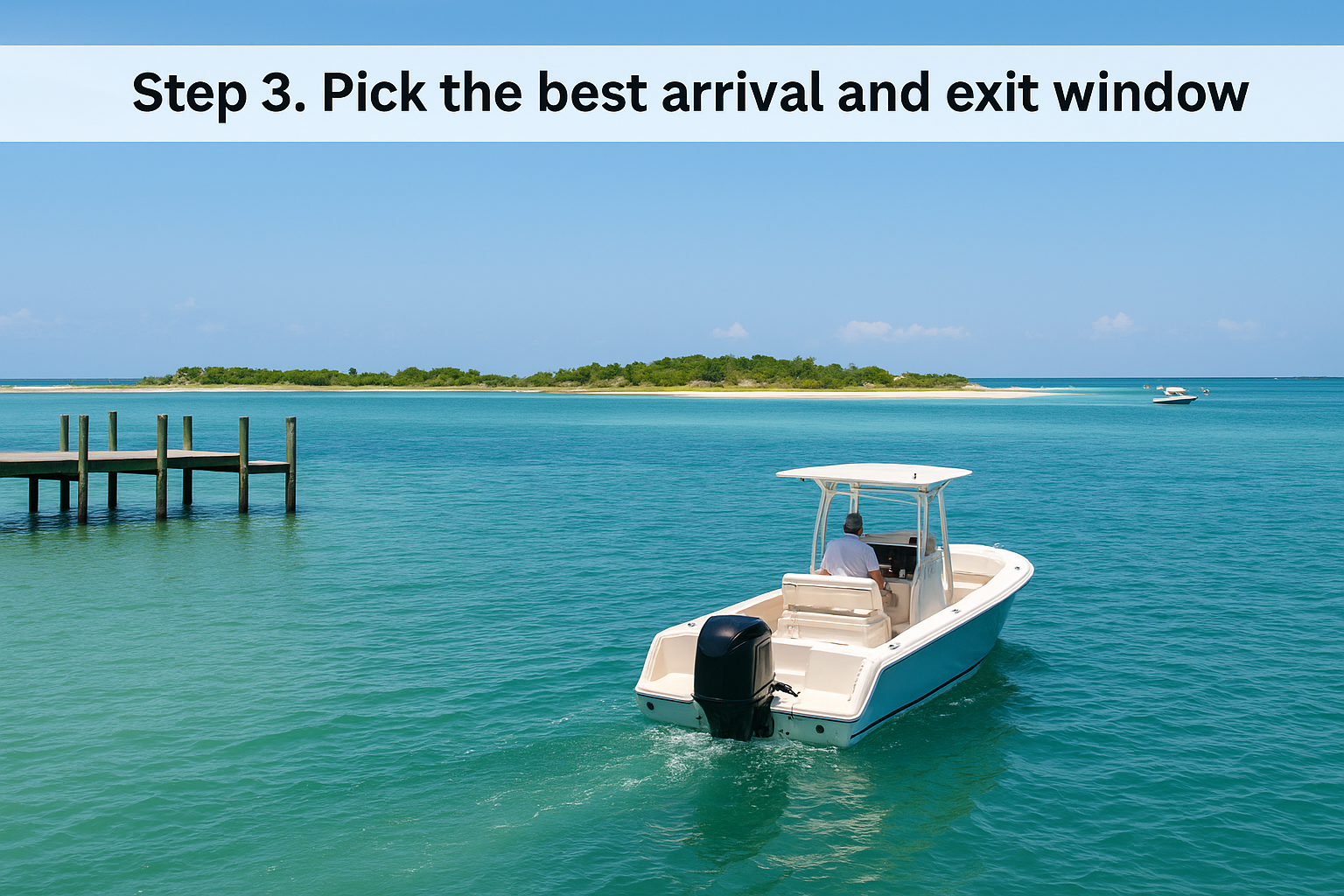
Step 3. Pick the best arrival and exit window
After reading your Crab Island tide chart, you need to translate those numbers into actual arrival and departure times from the dock. The best window starts one to two hours before high tide and extends through the peak, giving you roughly three to four hours of ideal conditions. This timing ensures you arrive when water is clearing up and stay through the best part of the day.
Calculate your travel time from the dock
Your departure time from the marina depends on how far you’re traveling to reach Crab Island. Most boats take 15 to 20 minutes from Destin Harbor, but you should add extra time for loading, fueling, and navigating through the pass. If high tide hits at 2:00 PM, you want to leave the dock no later than 12:30 PM to arrive during the optimal window.
Arriving one hour before high tide gives you time to anchor and settle in before conditions peak.
Plan your exit strategy
You should start heading back before the tide drops significantly, typically two to three hours after high tide. Waiting too long means navigating out during falling tide when currents strengthen and visibility decreases. Using the earlier example with a 2:00 PM high tide, plan to depart Crab Island between 4:00 PM and 5:00 PM for the smoothest return trip.
Step 4. Factor in currents, weather, and safety
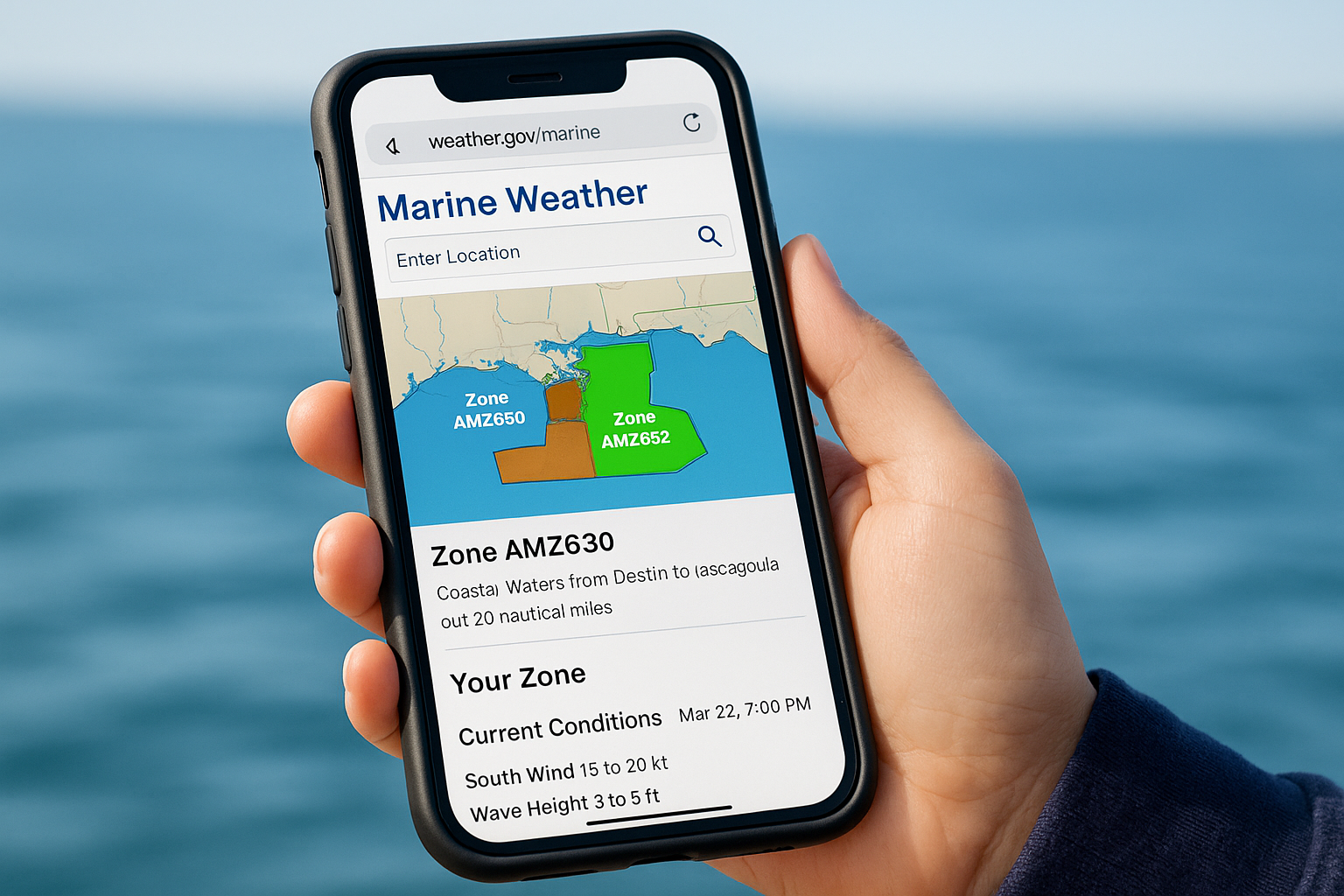
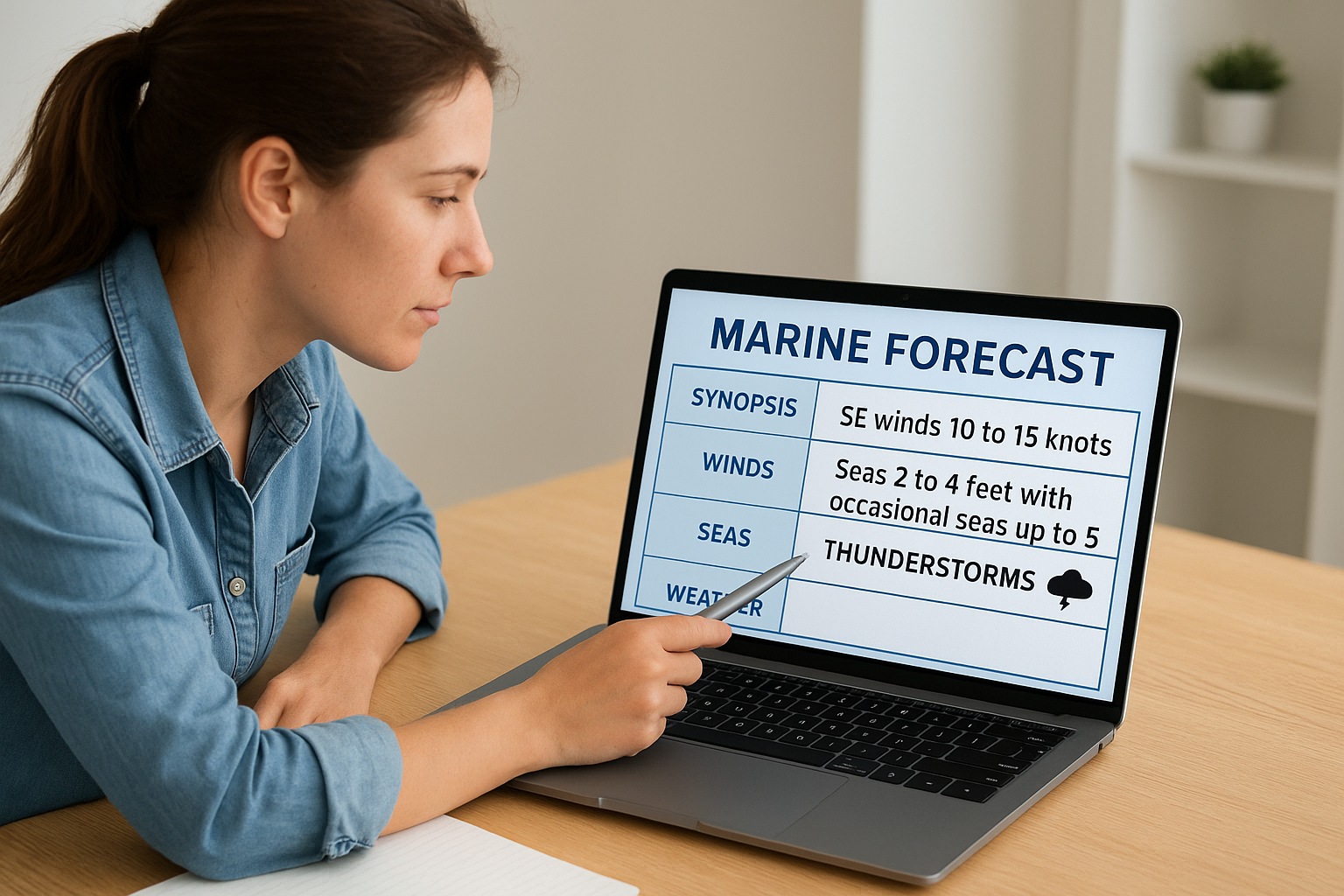
Your Crab Island tide chart gives you tide timing, but you also need to check weather conditions and water safety factors before finalizing your trip. Strong winds, high waves, or dangerous currents can turn an ideal tide window into an unsafe situation on the water. Combining tide information with current weather forecasts ensures you make smart decisions about when to visit.
Check wind speed and wave forecasts
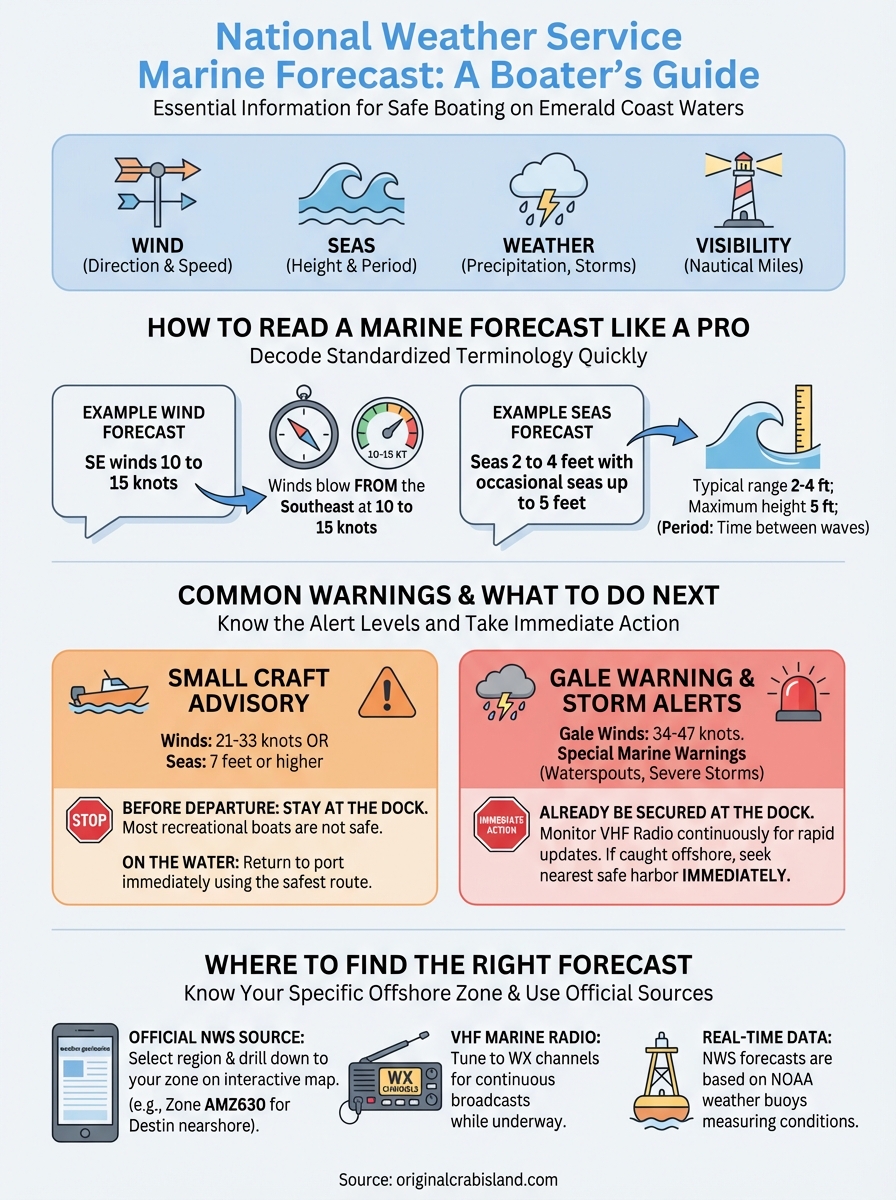
Wind speeds above 15 mph create choppy conditions that make anchoring difficult and reduce your enjoyment at Crab Island. You should check the local marine forecast for Destin Harbor on the day of your trip, looking specifically for sustained wind speeds and wave heights. Calm winds under 10 mph with wave heights below 2 feet give you the smoothest experience.
Conditions can change quickly in the Gulf, so check forecasts the morning of your trip even if you planned days ahead.
Watch for current warnings in the pass
The Destin Pass between the bay and Gulf creates strong currents during tide changes, especially during new and full moons when tidal ranges increase. Your Crab Island tide chart shows when these transitions occur, and you should avoid navigating the pass during the hour immediately before and after tide changes. Local authorities post small craft advisories when currents become dangerous, which you can find through NOAA marine weather updates.
Next steps for your Crab Island trip
You now know how to read a Crab Island tide chart, identify the correct tide station for Destin Harbor, and plan your arrival window for the clearest water. The information you’ve learned gives you the foundation for timing your visit perfectly. Your next step is securing the right watercraft and equipment to actually get out there during your planned tide window.
Book your rental through Original Crab Island to ensure you have reliable equipment that matches your schedule. Their team coordinates departures based on daily tide predictions and current weather conditions, which means you won’t have to guess whether conditions will cooperate. Reserve your watercraft at least a few days ahead, especially during busy seasons when the best time slots fill quickly.
With your Crab Island tide chart knowledge and the right boat rental, you’re ready to experience Destin’s famous sandbar when conditions are at their peak.
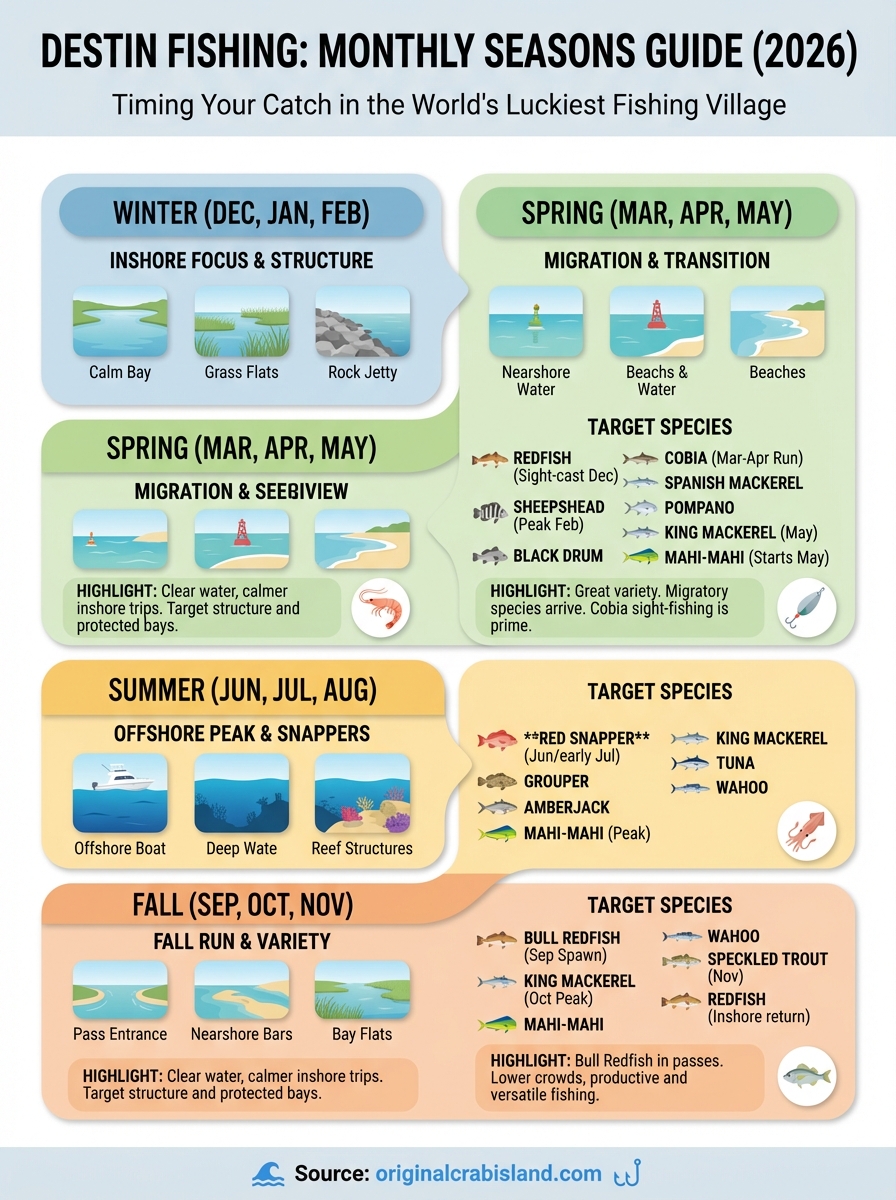
Destin, Florida didn’t earn the title "World’s Luckiest Fishing Village" by accident. Sitting at the edge of the Gulf of Mexico where deep waters run close to shore, this stretch of the Emerald Coast delivers year-round fishing opportunities that draw anglers from across the country.
But here’s the thing: timing matters. The best time to fish in Destin depends entirely on what you want to catch. Red snapper, cobia, mahi-mahi, and kingfish all run on different schedules, and hitting the water during peak migration windows can turn a good trip into an unforgettable one.
At Original Crab Island, our fishing charters head out into these Gulf waters regularly, and we’ve seen firsthand how the seasons shape what’s biting. This month-by-month guide covers exactly when to target specific species, what weather conditions to expect, and how to plan your Destin fishing trip around the 2026 calendar. Whether you’re booking a deep-sea charter or fishing inshore, you’ll know what to expect before you ever leave the dock.
1. Fish with a Destin charter from Original Crab Island
Booking a professional fishing charter removes the guesswork from finding fish in unfamiliar waters. Our captains at Original Crab Island know where the bite is happening, what’s running each month, and how to adjust tactics when conditions shift. You spend your time fishing instead of searching for GPS coordinates or burning fuel on unproductive spots.
We run charters year-round out of Destin Harbor, targeting everything from inshore redfish to offshore mahi depending on the season. The boat, gear, and local knowledge come standard, so you can focus on landing fish rather than planning logistics.
Choose the right trip length for your goals
Half-day trips (4 hours) work well for families with young kids, first-time anglers, or anyone targeting inshore species like redfish, speckled trout, and flounder. You’ll fish the bay, passes, or nearshore reefs without committing to a full day on the water.
Full-day charters (8 hours) open up deeper offshore territory where snapper, grouper, amberjack, and kingfish hold. Longer trips give you time to reach productive bottom structure, work multiple spots, and adjust your strategy if the first location doesn’t produce.
Offshore species like mahi-mahi and tuna often require a minimum 8-hour trip just to reach the productive water and have enough fishing time to make the run worthwhile.
Match your trip type to the season
Inshore charters shine during winter months (December through February) when redfish, black drum, and sheepshead move into protected bays and around structure. Water stays calmer, and shorter trips deliver solid action without heading offshore.
Spring and fall bring peak migration windows for cobia, Spanish mackerel, and pompano, which you can target on nearshore trips. Summer turns the focus offshore where red snapper season (typically June through August) drives demand for deep-water bottom fishing charters.
Plan the day around tides, wind, and crowds
Tides matter most for inshore fishing, where redfish and trout feed aggressively during incoming water. Our captains schedule trips around strong tidal movement rather than slack periods, which often means early morning or late afternoon departures.
Wind direction affects both comfort and fish activity. South winds push warmer surface water toward shore and calm the Gulf, while north winds after cold fronts can make offshore trips rougher but improve water clarity inshore. We monitor forecasts closely and adjust departure times to avoid peak tourist boat traffic at the harbor.
Know what to bring and what’s typically included
We provide all rods, reels, tackle, and bait on every charter. You don’t need a fishing license when you’re on our boat because the captain’s license covers all anglers aboard. We also handle fish cleaning at the dock so you leave with fillets ready for the grill.
Bring sunscreen, polarized sunglasses, a hat, and any food or drinks you want on the water. Seasickness medication works best when taken the night before if you’re prone to motion sickness. Soft-sided coolers fit better on deck than hard coolers, and we have ice available.
2. January
January brings cooler Gulf temperatures that push most offshore species into deeper water or south toward warmer zones. While you won’t find the same pelagic action as summer, inshore fishing heats up as redfish, black drum, and sheepshead concentrate around structure and protected bays. Water clarity improves significantly during winter months, making sight fishing possible on calm days when you can spot tailing reds in shallow grass flats.
What’s biting and what slows down
Redfish dominate the January bite throughout Choctawhatchee Bay and East Pass, with fish ranging from slot-size keepers to bull reds over 30 inches. Black drum move into similar areas, feeding on oyster bars and around dock pilings. Sheepshead spawn during winter months and stack up on structure like jetties, bridges, and artificial reefs where barnacles and crustaceans provide easy meals.
January sheepshead fishing peaks during the coldest weeks when water temperatures drop into the mid-50s, triggering their spawn and concentrating fish around hard structure.
Offshore species like snapper, grouper, and amberjack still bite when weather allows, but trip cancellations increase due to rough Gulf conditions. Spanish mackerel and pompano move south or offshore, leaving inshore waters quieter than fall months.
Best water to fish: bay, jetties, nearshore
Focus your effort in Choctawhatchee Bay from the Mid-Bay Bridge east to the Destin Bridge, where redfish cruise grass flats and oyster bars. The jetties at East Pass hold sheepshead year-round, and January brings some of the best concentrations as fish prepare to spawn.
Nearshore reefs within 10 miles of shore produce sheepshead, black sea bass, and occasional red snapper on calm days. Destin Harbor itself offers productive fishing around docks and bulkheads when cold fronts make open water too rough.
Go-to techniques and bait
Live shrimp catches everything biting in January and remains the most versatile bait for redfish, black drum, and sheepshead. Fish shrimp under popping corks over grass flats or free-line them around structure. Fiddler crabs work exceptionally well for sheepshead around jetties and bridge pilings.
Cut mullet or ladyfish produces larger black drum when fished on bottom rigs near oyster beds. Artificial lures like soft plastic paddle tails in red or white mimic shrimp and allow you to cover more water when searching for scattered redfish.
Weather windows and safety notes
Cold fronts pass through every 7-10 days during January, bringing strong north winds that can make the Gulf unfishable for 2-3 days. Plan your trips between fronts when south winds return and temperatures moderate. Early morning starts often deliver the best bite before wind speeds increase throughout the day.
Water temperatures range from 55°F to 62°F, which means layering clothing and bringing waterproof outerwear. Hypothermia risk increases if you get wet in these conditions, so pack dry bags for extra clothes and avoid wading in deeper water.
3. February
February extends the productive winter fishing patterns that define Destin’s cooler months, with inshore species continuing to concentrate around structure and protected waters. Water temperatures stabilize in the upper 50s to mid-60s, which keeps redfish, sheepshead, and black drum actively feeding throughout the day. This month often delivers some of the best time to fish in Destin for sight-casting to tailing redfish on calm mornings when water clarity reaches its annual peak.
What’s biting and what slows down
Sheepshead fishing reaches its absolute peak during February as spawning activity intensifies around jetties, bridges, and artificial reefs. You’ll find these fish stacked on any hard structure with barnacle growth. Redfish remain consistent throughout Choctawhatchee Bay, though cold snaps can temporarily slow the bite until water temperatures rebound.
Black drum continue feeding heavily on oyster bars and around dock pilings. Offshore fishing improves slightly compared to January as Gulf conditions moderate between cold fronts, but pelagic species remain scarce until spring migration begins.
Best water to fish: bay, jetties, nearshore
The East Pass jetties produce limit catches of sheepshead when you target the right tidal stages. Focus on the rocks during incoming tide when water movement pushes food into the structure. Choctawhatchee Bay flats from the Marler Bridge to the Brooks Bridge hold redfish that cruise shallow water hunting for baitfish and crustaceans.
Nearshore reefs within five miles of shore offer mixed catches of sheepshead, black sea bass, and triggerfish on calm days between weather systems.
Go-to techniques and bait
Live shrimp and fiddler crabs remain your primary baits for sheepshead, with fiddlers producing larger fish around barnacle-covered structure. Small hooks (size 1 or 1/0) and light leaders increase your hookup ratio on these bait-stealing fish.
February sheepshead bite so lightly that you need to set the hook at the slightest tap rather than waiting for a traditional pull, and using fluorocarbon leaders in 15-20 pound test improves your presentation.
Gold spoons and soft plastic jerkbaits catch redfish when worked along drop-offs and channel edges.
Weather windows and safety notes
Cold fronts arrive less frequently in February compared to January, creating longer fishing windows between weather systems. South winds and warmer days between fronts provide the most comfortable conditions and often trigger increased fish activity. Water temperatures can swing 10 degrees within a week depending on cold front timing, so check forecasts before committing to offshore trips that require calmer Gulf conditions.
4. March
March marks the transition from winter to spring fishing in Destin, with warming water temperatures triggering the first major migrations of the year. Water temps climb from the mid-60s into the low 70s, activating species that remained dormant or offshore during colder months. You’ll notice increased baitfish activity in nearshore waters as glass minnows and silversides move into bays and along beaches, which draws predators closer to shore.
What’s biting and what slows down
Cobia begin their northward migration along the Gulf Coast during March, appearing first around nearshore structures like buoys, oil rigs, and floating debris. Spanish mackerel return to inshore waters in growing numbers as the month progresses, feeding aggressively on small baitfish around the jetties and sandy beaches.
Redfish continue their strong winter patterns throughout March, though warming water temperatures spread them across wider areas of the bay. Sheepshead fishing remains excellent through mid-month before spawning activity winds down and fish disperse. Pompano start appearing along surf zones and around jetties as water temperatures reach their preferred range.
March delivers one of the best times to fish in Destin for anglers targeting multiple species on a single trip, with productive winter patterns overlapping the arrival of spring migrants.
Best water to fish: bay, jetties, nearshore
Focus your effort on nearshore reefs and structures within three miles of shore where cobia cruise in 30 to 60 feet of water. The East Pass jetties hold Spanish mackerel and sheepshead simultaneously, allowing you to switch targets based on tidal movement and fish activity.
Choctawhatchee Bay flats produce consistent redfish action, particularly around oyster bars and grass edges. Surf zones along Destin beaches attract pompano when water clarity improves after calm weather periods.
Go-to techniques and bait
Live pinfish or small blue crabs work best for cobia when sight-fishing around structure. Cast ahead of cruising fish and let the bait sink naturally. Spanish mackerel hit fast-moving silver spoons or small white jigs retrieved quickly through schools of baitfish.
Fresh shrimp catches redfish, pompano, and sheepshead throughout March. Sand fleas become effective pompano bait later in the month when these crustaceans emerge in surf zones.
Weather windows and safety notes
Cold fronts decrease in frequency and intensity during March compared to earlier winter months. South winds dominate between weather systems, creating comfortable fishing conditions and calmer Gulf waters. Water temperatures can still drop after strong fronts, temporarily slowing fish activity until conditions stabilize.
5. April
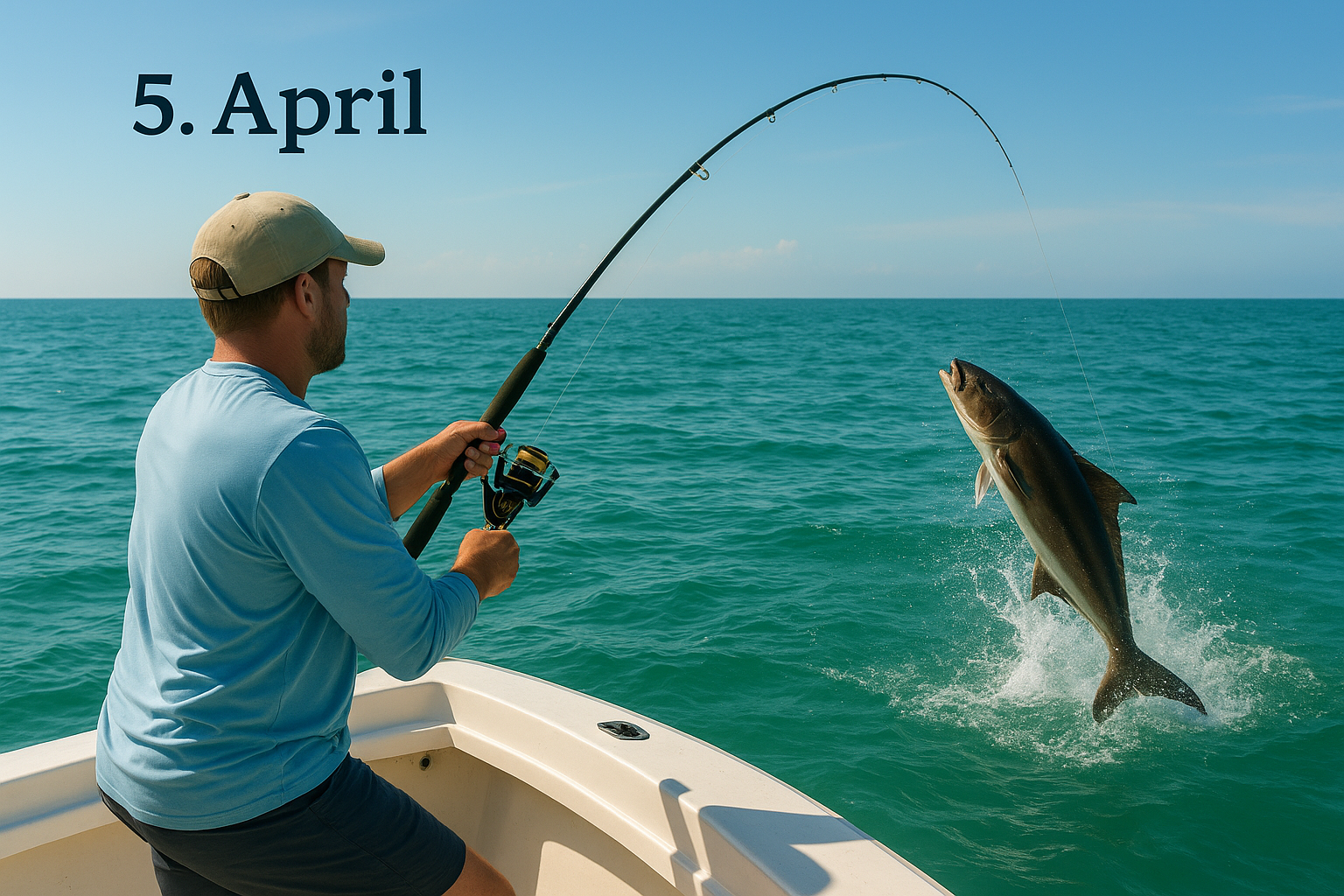
April delivers prime spring fishing conditions as water temperatures push into the mid-70s and pelagic species arrive in force along Destin’s coastline. This month represents the transition into peak season, with cobia migration reaching full strength and multiple inshore species feeding aggressively in warming waters. Calm Gulf conditions become more consistent, opening up nearshore and offshore fishing opportunities that were limited during winter months.
What’s biting and what slows down
Cobia dominate April fishing as massive schools migrate north through Destin waters, with fish ranging from 30 to 80 pounds cruising around structures and following rays in open water. Spanish mackerel numbers explode throughout the month, creating fast action around jetties, beaches, and nearshore reefs. Pompano fishing peaks along surf zones and around East Pass.
Redfish spread across wider areas of Choctawhatchee Bay as warming water temperatures reduce their concentration around winter structure. Sheepshead fishing declines significantly after spawning concludes, though you’ll still catch occasional fish around jetties.
April ranks among the best time to fish in Destin for sight-casting to cobia, with clear water and migrating schools creating opportunities to target individual fish cruising near the surface.
Best water to fish: bay, jetties, nearshore
Nearshore waters from 20 to 60 feet deep produce consistent cobia action around natural and artificial structures. The East Pass jetties hold Spanish mackerel throughout the day, with peak activity during tidal movement. Choctawhatchee Bay flats continue producing redfish, particularly during early morning and late afternoon periods when fish move shallow to feed.
Go-to techniques and bait
Live eels or large pinfish work best for cobia when sight-fishing around structures or following rays. Spanish mackerel hit small silver spoons and Got-Cha lures retrieved quickly through feeding schools. Fresh shrimp remains effective for redfish and pompano throughout April.
Weather windows and safety notes
Stable weather patterns dominate April with fewer frontal passages compared to earlier months. South and southeast winds create comfortable conditions and push warm surface water toward shore, improving fish activity.
6. May
May bridges the gap between spring patterns and summer offshore fishing, with water temperatures climbing into the upper 70s and triggering aggressive feeding behavior across multiple species. This month marks the beginning of serious offshore action while maintaining excellent nearshore and inshore opportunities, giving you the widest variety of fishing options throughout the year. Red snapper season typically opens in early June, so May represents your last chance to target other bottom species without competing for space over popular reef sites.
What’s biting and what slows down
King mackerel arrive in strong numbers throughout May, roaming nearshore waters and the 100-foot depth contour offshore. Mahi-mahi begin appearing around weed lines and floating debris as Gulf Stream currents push closer to shore. Cobia migration continues through mid-May before fish disperse to summer feeding grounds, though numbers decline compared to April’s peak runs.
Redfish remain active in Choctawhatchee Bay but move to deeper grass flats as water temperatures rise. Spanish mackerel fishing stays consistent around jetties and beaches. Triggerfish season typically opens in May, providing excellent action on nearshore reefs and artificial structures.
May delivers some of the best time to fish in Destin for targeting multiple species in a single day, with productive inshore patterns overlapping the arrival of offshore pelagics.
Best water to fish: bay, jetties, nearshore, offshore
Offshore waters from 80 to 200 feet deep produce king mackerel and mahi-mahi along temperature breaks and current edges. Nearshore reefs within 10 miles hold triggerfish, Spanish mackerel, and remaining cobia. The East Pass jetties continue producing Spanish mackerel during tidal movement, while Choctawhatchee Bay grass flats hold redfish throughout the day.
Go-to techniques and bait
Slow-trolling live bait or pulling spoons and diving plugs catches king mackerel along depth contours. Live shrimp under popping corks remains effective for redfish on bay flats. Ballyhoo or bonito strips work well for mahi-mahi when trolled behind offshore spreads.
Weather windows and safety notes
Stable weather dominates May with minimal cold front activity and predictable afternoon sea breezes. Morning trips offer the calmest Gulf conditions before wind speeds increase through midday.
7. June
June launches peak summer fishing season in Destin as water temperatures push into the low 80s and red snapper season opens, creating the busiest month on the water. This month represents the transition to offshore dominance, with bottom fishing pressure intensifying over productive reefs and wrecks as anglers from across the region target the year’s most anticipated fishery. Your focus shifts from nearshore structures to deeper Gulf waters where grouper, snapper, and amberjack concentrate around hard bottom throughout summer months.
What’s biting and what slows down
Red snapper fishing explodes when the federal season opens (typically early June), with fish from 15 to 30 pounds stacked over natural and artificial reefs. Gag grouper, triggerfish, and red grouper provide excellent action on the same bottom structures. Mahi-mahi roam offshore lanes in growing numbers as summer progresses, following weed lines and temperature breaks in 200 to 1,000 feet of water.
King mackerel remain consistent along the 100-foot contour but move slightly deeper as surface temperatures warm. Inshore redfish action slows during midday heat but picks up during early morning and late evening periods when fish move shallow to feed.
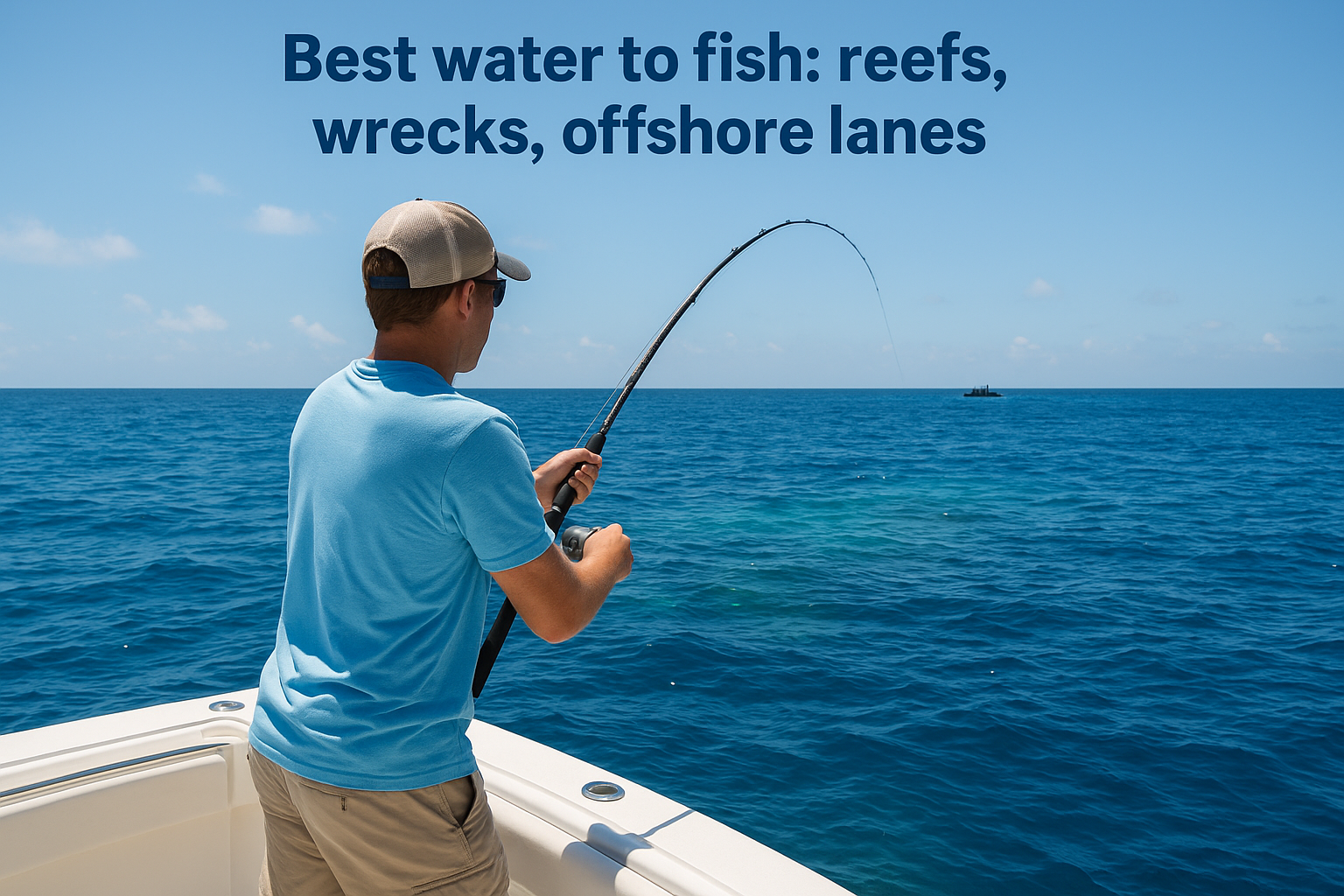
Best water to fish: reefs, wrecks, offshore lanes
Concentrate your effort on natural reefs and artificial structures in 80 to 120 feet of water where red snapper and grouper dominate the catch. Popular public reefs see heavy pressure during snapper season, so arriving early secures your spot. Offshore waters from 200 to 600 feet produce mahi-mahi and blackfin tuna along current edges and floating debris.
Go-to techniques and bait
Bottom fishing with cut bait or whole squid produces red snapper and grouper over reef structures. Circle hooks in 7/0 to 9/0 sizes reduce gut-hooking and improve survival rates for undersized fish. Trolling ballyhoo or rigged bonito behind offshore spreads catches mahi-mahi cruising blue water.
Season rules to confirm before you go
Check current federal regulations for red snapper season dates, which change annually based on stock assessments and can close with minimal notice once quotas fill. Size and bag limits vary between state and federal waters, so confirm which regulations apply to your fishing location.
June represents the best time to fish in Destin for red snapper when regulations allow, but you must verify the exact season dates and daily bag limits before leaving the dock because closures can happen unexpectedly.
8. July
July brings peak summer heat and the most intense fishing pressure of the year as tourists flood Destin for vacation season. Water temperatures reach the mid to upper 80s, pushing most productive fishing to early morning hours or late evening when surface temperatures cool slightly. Red snapper season typically closes by mid-July after quota fills, shifting your focus to other bottom species and offshore pelagics that thrive in warm Gulf waters. This month requires strategic planning around weather, crowds, and heat to maximize your time on the water.
What’s biting and what slows down
Mahi-mahi fishing reaches peak productivity during July as schools concentrate along weed lines and current breaks in deeper offshore waters. Blackfin tuna and wahoo appear more frequently as water temperatures climb. King mackerel move to the 80 to 100-foot depth range where cooler water provides relief from surface heat.
Grouper, amberjack, and triggerfish continue producing solid catches on reef structures, though you’ll compete with other anglers for productive spots. Inshore fishing slows dramatically during midday heat but picks up at dawn and dusk when redfish and speckled trout feed in shallow grass flats.
Best water to fish: offshore, reefs, early morning inshore
Offshore waters from 300 to 1,000 feet produce the most consistent action during July, with mahi-mahi, tuna, and wahoo roaming blue water far from the temperature extremes closer to shore. Nearshore reefs in 80 to 120 feet hold bottom species but see heavy boat traffic throughout the day.
July represents one of the best times to fish in Destin for offshore pelagics when you target deep water early in the morning before afternoon thunderstorms build over the Gulf.
Choctawhatchee Bay flats require dawn or dusk trips to avoid midday heat that shuts down inshore bite.
Go-to techniques and bait
Trolling spreads with ballyhoo, bonito strips, and artificial skirted lures catches mahi-mahi and tuna in offshore lanes. Bottom fishing with cut bait or live pinfish produces grouper and amberjack over reef structures. Live shrimp fished under popping corks remains your best option for inshore redfish during cooler morning hours.
Heat, storms, and peak crowd strategy
Afternoon thunderstorms develop almost daily during July, typically building between 2 PM and 5 PM over the Gulf. Plan your trips to finish by early afternoon and monitor radar constantly when offshore. Peak tourist crowds mean you’ll face competition for dock space, bait supplies, and productive fishing spots.
Bring extra water, apply sunscreen frequently, and wear protective clothing to manage intense UV exposure during midday hours.
9. August
August extends July’s summer fishing patterns while introducing peak hurricane season concerns that require constant weather monitoring and flexible planning. Water temperatures hold steady in the mid to upper 80s throughout the month, keeping the best action focused on deep offshore waters where cooler temperatures and stronger currents concentrate pelagic species. This month delivers excellent fishing when weather cooperates, but tropical systems can shut down the Gulf for days at a time, making backup plans essential for any trip to Destin.
What’s biting and what slows down
Mahi-mahi remain the primary offshore target during August, with schools feeding aggressively along weed lines and floating debris in 300 to 800 feet of water. Wahoo appear more consistently as the month progresses, hitting trolled baits at higher speeds than other pelagics. Blackfin tuna continue producing catches around current breaks and temperature edges in deeper water.
Grouper, amberjack, and triggerfish maintain steady catches on reef structures, though competition for spots remains high. Inshore fishing stays slow during midday but produces redfish and speckled trout during dawn and dusk when fish move shallow to feed.
Best water to fish: deep offshore and structure
Focus your effort in deep offshore waters from 400 to 1,000 feet where pelagic species avoid the warmest surface temperatures closer to shore. These depths also position you near the continental shelf edge where wahoo and tuna roam along dramatic depth changes and strong current flows.
Nearshore reefs in 80 to 120 feet continue holding bottom species but require early departure times to secure productive spots before other boats arrive.
Go-to techniques and bait
Trolling spreads with ballyhoo, bonito strips, and high-speed lures catches mahi-mahi and wahoo in offshore lanes. Varying your trolling speeds between 6 and 12 knots helps you determine which species are feeding most actively. Bottom fishing with cut bait or live pinfish produces grouper and amberjack over reef structures.
August represents one of the best times to fish in Destin for wahoo when you troll high-speed lures along the 100-fathom curve where these speedsters ambush baitfish moving with Gulf Stream currents.
Storm season planning and backup options
Tropical systems peak during August, bringing the highest risk of trip cancellations due to hurricanes, tropical storms, or large swells generated by distant weather. Monitor forecasts three to five days ahead and maintain flexible schedules that allow you to shift trips around storm windows.
Keep backup plans ready for inshore fishing when offshore conditions deteriorate but bay waters remain calm enough to fish safely.
10. September
September marks the transition from peak summer into Destin’s productive fall fishing season, with water temperatures dropping from the mid-80s into the upper 70s as the month progresses. This cooling trend triggers bull redfish migration into passes and nearshore waters while offshore species remain active around deeper structures. Tourist crowds thin significantly after Labor Day, giving you more room to fish productive spots without competing for space at popular reefs and channels.
What’s biting and what slows down
Bull redfish appear in large schools around East Pass and nearshore waters during September, with fish ranging from 27 to 40 inches feeding aggressively before their fall spawn. Mahi-mahi continue producing offshore catches along weed lines and floating debris, though numbers decline slightly compared to summer peaks. King mackerel move closer to shore as water temperatures moderate.
September represents one of the best times to fish in Destin for bull redfish when massive schools stack up in passes and around nearshore structures during their annual spawning migration.
Grouper, amberjack, and triggerfish maintain steady action on reef structures throughout the month.
Best water to fish: inshore bull reds and offshore pelagics
Focus your effort around East Pass and nearshore bars in 15 to 40 feet of water where bull redfish school during their spawn. Offshore waters from 200 to 600 feet still hold mahi-mahi and blackfin tuna. Choctawhatchee Bay flats become more productive as cooling temperatures reactivate slot-size redfish feeding patterns.
Go-to techniques and bait
Large live pinfish or cut mullet catches bull redfish around passes and nearshore structures. Trolling ballyhao or rigged bonito produces offshore pelagics cruising blue water. Live shrimp under popping corks works well for bay redfish as water temperatures drop.
Shoulder-season travel advantages
Reduced crowds mean easier access to boat ramps, bait shops, and productive fishing spots throughout September. Hotel rates drop after Labor Day while weather remains warm and mostly stable.
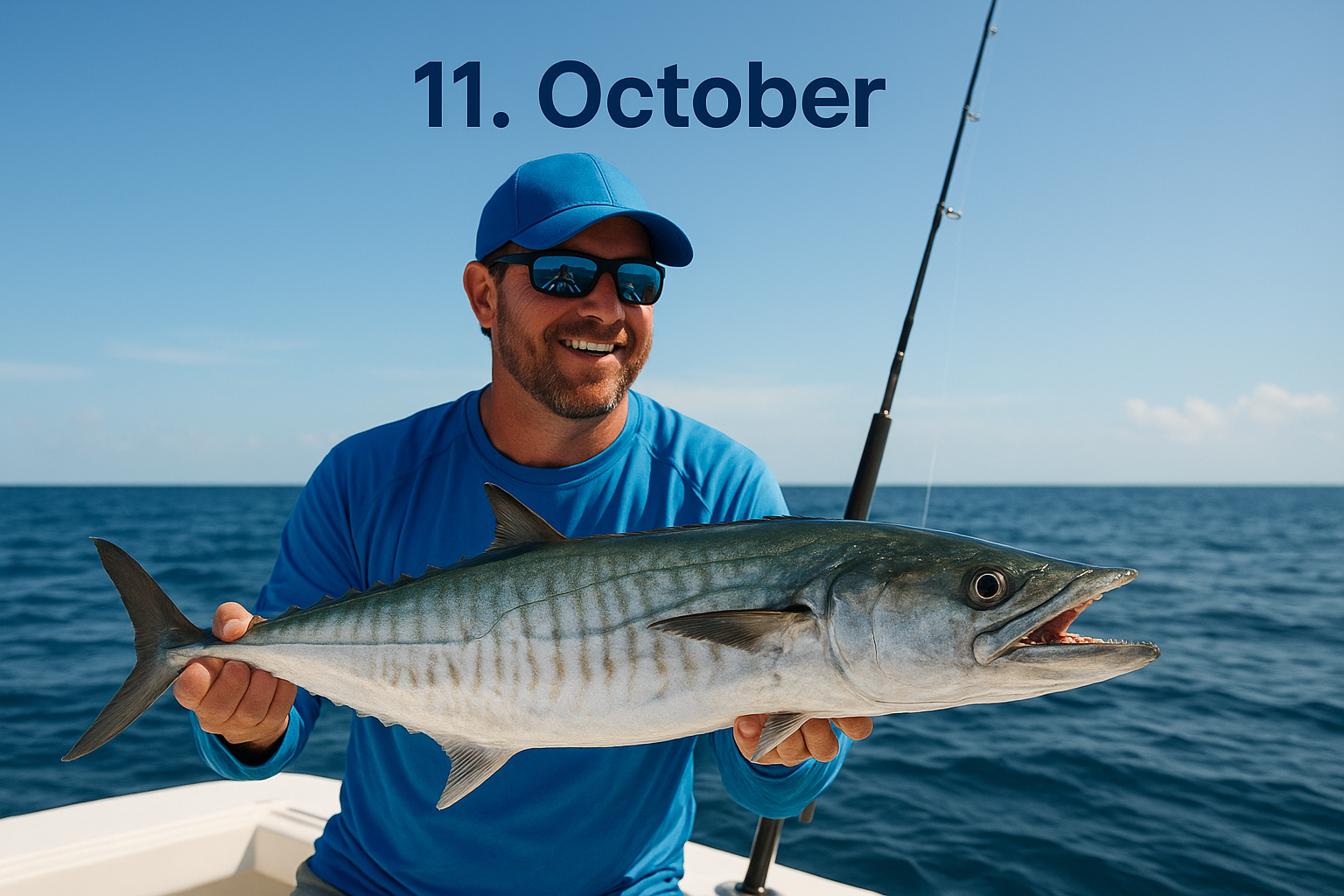
11. October
October delivers prime fall fishing conditions as water temperatures drop into the low to mid-70s and cooling trends trigger aggressive feeding behavior across multiple species. This month ranks among the best time to fish in Destin because you get excellent weather, reduced crowds, and productive action both inshore and offshore. Major fishing tournaments schedule throughout October, bringing competitive anglers to Destin’s waters but also confirming the month’s reputation for consistent catches across diverse target species.
What’s biting and what slows down
King mackerel dominate October fishing as massive schools move through Destin waters during their fall migration south. Redfish feed heavily throughout Choctawhatchee Bay as cooling water reactivates their metabolism after summer’s heat. Speckled trout appear in growing numbers around grass flats and oyster bars, providing excellent inshore action on light tackle.
Offshore species like wahoo, blackfin tuna, and mahi-mahi remain active around deeper structures and blue water. Grouper fishing stays strong on reef structures, while triggerfish continue biting through most of October before their season closes.
October represents one of the most versatile fishing months in Destin, with productive patterns spanning from shallow bay flats to deep offshore lanes where pelagics roam along temperature breaks.
Best water to fish: bays, passes, reefs, offshore
Target Choctawhatchee Bay grass flats and oyster bars where redfish and speckled trout feed throughout the day. King mackerel cruise along the 60 to 100-foot depth contour within easy reach of nearshore trips. Offshore waters from 200 to 600 feet produce wahoo, tuna, and late-season mahi-mahi around current edges and floating debris.
Go-to techniques and bait
Slow-trolling live bait or pulling spoons and diving plugs catches king mackerel along depth contours. Live shrimp under popping corks remains your most versatile option for redfish and speckled trout. Cut bait or live pinfish produces grouper over reef structures.
Tournament month considerations
Major tournaments concentrate boats over productive king mackerel grounds during October weekends. Plan your trips during weekdays to avoid the heaviest competition for fishing spots and bait supplies.
12. November
November brings cooler water temperatures into the mid to low 60s and signals the return of winter fishing patterns that concentrate species around structure and protected waters. This month bridges the gap between fall’s offshore productivity and winter’s inshore dominance, giving you solid action in both environments depending on weather conditions between cold fronts. Tourist crowds remain minimal through November, leaving popular fishing spots open and reducing competition for productive structure throughout Choctawhatchee Bay and nearshore reefs.
What’s biting and what slows down
Redfish move back into protected bay waters and around oyster bars as dropping temperatures trigger their winter patterns. Speckled trout numbers increase throughout Choctawhatchee Bay, providing excellent light tackle action on grass flats. Black drum appear around structure in growing numbers, feeding heavily before water temperatures drop further in December.
Late-season offshore opportunities remain viable during calm weather windows, with wahoo, blackfin tuna, and king mackerel still producing catches over deeper reefs and along the 100-foot contour. Sheepshead begin their pre-spawn concentration around jetties and bridges.
Best water to fish: inshore plus late offshore shots
Focus your effort in Choctawhatchee Bay around oyster bars, grass flats, and channel drop-offs where redfish and speckled trout feed throughout the day. The East Pass jetties hold sheepshead and black drum around structure. Offshore reefs in 80 to 120 feet produce bottom species and late pelagics when Gulf conditions allow trips between cold fronts.
Go-to techniques and bait
Live shrimp remains your most effective bait for redfish, speckled trout, and sheepshead throughout November. Soft plastic paddle tails in natural colors catch trout over grass flats. Cut mullet produces black drum around oyster beds and dock pilings.
Cold fronts, water clarity, and best times to fish
Cold fronts return with increasing frequency during November, bringing strong north winds that improve water clarity but can shut down the bite temporarily. Fish the two days before each front arrives when barometric pressure drops and species feed aggressively. Post-front periods require patience as fish adjust to temperature changes.
November represents one of the best times to fish in Destin for speckled trout when cooling water triggers their fall feeding patterns and concentrates fish on productive grass flats throughout Choctawhatchee Bay.
13. December
December closes out the year with full winter fishing patterns as water temperatures settle into the mid to upper 50s and inshore species concentrate around structure throughout Choctawhatchee Bay. This month delivers some of the clearest water conditions you’ll see all year in Destin, making sight fishing possible on calm days when you can spot redfish tailing in shallow flats. Shorter daylight hours and cold morning temperatures require strategic planning to maximize your fishing time, but the consistent action on redfish, sheepshead, and black drum makes December trips worthwhile for anglers who dress appropriately and target peak feeding windows.
What’s biting and what slows down
Redfish dominate December catches throughout protected bay waters and around oyster bars where they feed on crustaceans and small baitfish. Sheepshead stack up on jetties, bridges, and artificial reefs as their spawn approaches in January. Black drum appear consistently around dock pilings and oyster beds, providing solid action for anglers targeting larger specimens.
Offshore fishing becomes highly weather-dependent during December, with strong cold fronts limiting your opportunities to reach deeper waters. When conditions allow, red snapper, grouper, and triggerfish still bite over reef structures, but you’ll face limited weather windows between frontal passages.
Best water to fish: inshore winter patterns and late nearshore
Concentrate your effort in Choctawhatchee Bay from the Mid-Bay Bridge east to the Destin Bridge, where redfish cruise grass flats and shallow channels. The East Pass jetties produce sheepshead throughout the month, particularly during incoming tides when water movement pushes food into the rocks.
Nearshore reefs within 10 miles of shore offer productive fishing on calm days between cold fronts.
Go-to techniques and bait
Live shrimp catches everything biting in December and remains your most versatile option for redfish, black drum, and sheepshead. Fiddler crabs work exceptionally well for sheepshead around barnacle-covered structure. Soft plastic paddle tails in natural colors allow you to cover more water when searching for scattered redfish.
December represents one of the best times to fish in Destin for sight-casting to redfish when crystal-clear water and calm conditions let you spot tailing fish in shallow grass flats before making your cast.
Short days, cold mornings, and best times to fish
Sunrise happens after 6:30 AM during December, giving you less productive daylight compared to summer months. Target the warmest part of the day between 10 AM and 3 PM when fish activity peaks and air temperatures moderate. Water temperatures stabilize throughout the day, creating consistent bite windows rather than the dawn and dusk patterns that dominate warmer months.
Your next step
You now know the best time to fish in Destin based on your target species and the conditions each month brings. January through March deliver exceptional inshore action with redfish and sheepshead around structure. April and May bring spring migrations of cobia and Spanish mackerel. Summer months from June through August shift your focus offshore to red snapper, mahi-mahi, and pelagics cruising deep water. Fall’s September through November window produces diverse catches from bull redfish to king mackerel before winter patterns return in December.
Book your fishing charter with Original Crab Island and our captains will put you on the most productive water for the season you choose. We provide all tackle, bait, and local knowledge so you can focus on landing fish rather than guessing where they’re biting. Your Destin fishing trip starts the moment you step aboard with gear ready and a captain who fishes these waters year-round. For more options, explore our our services página.
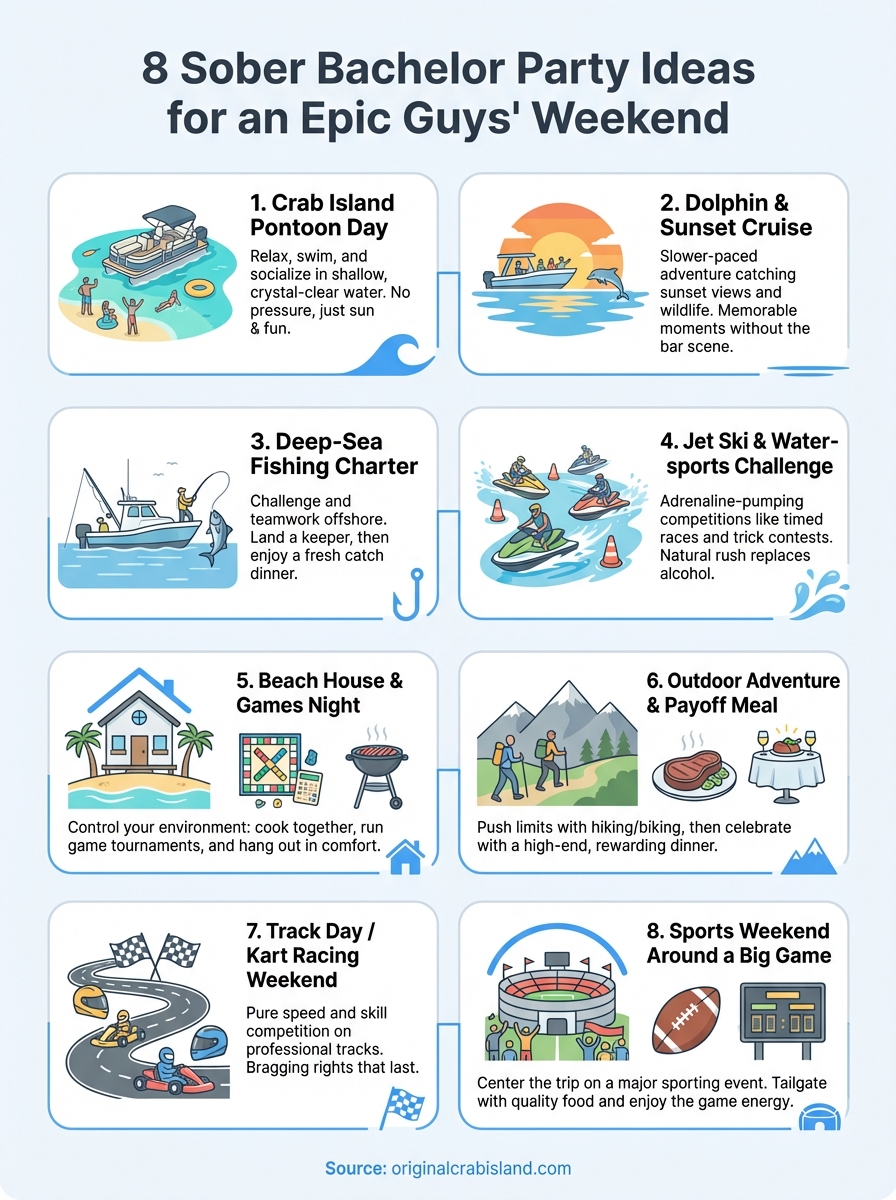
Not every legendary bachelor party needs to revolve around bars and bottle service. Whether the groom-to-be is in recovery, training for a competition, or simply prefers experiences over hangovers, sober bachelor party ideas are gaining serious momentum. And here’s the thing: some of the best guys’ weekends don’t involve alcohol at all.
The secret is choosing activities where the experience itself takes center stage. Destinations like Destin, Florida offer the perfect setup, think pontoon cruises out to Crab Island, jet ski races along the Emerald Coast, and deep-sea fishing charters in the Gulf of Mexico. These shared adventures create the kind of stories you’ll actually remember, without the next-morning regrets.
This guide covers eight sober bachelor party ideas that deliver genuine fun for the whole crew. From adrenaline-pumping water sports to laid-back outdoor escapes, you’ll find options that match any group’s energy and interests, proving that an epic send-off doesn’t require a single drink.
1. Spend a pontoon day at Crab Island in Destin
Isla del Cangrejo sits in the middle of Choctawhatchee Bay, just east of the Destin Bridge, where crystal-clear emerald water stays waist-deep across a sprawling sandbar. You’ll anchor your pontoon boat among dozens of other vessels while floating in water that’s warm, shallow, and perfect for hanging out all day. The spot draws crowds during peak season, but the vibe stays relaxed and social without feeling like a frat party.
What you’ll do all day
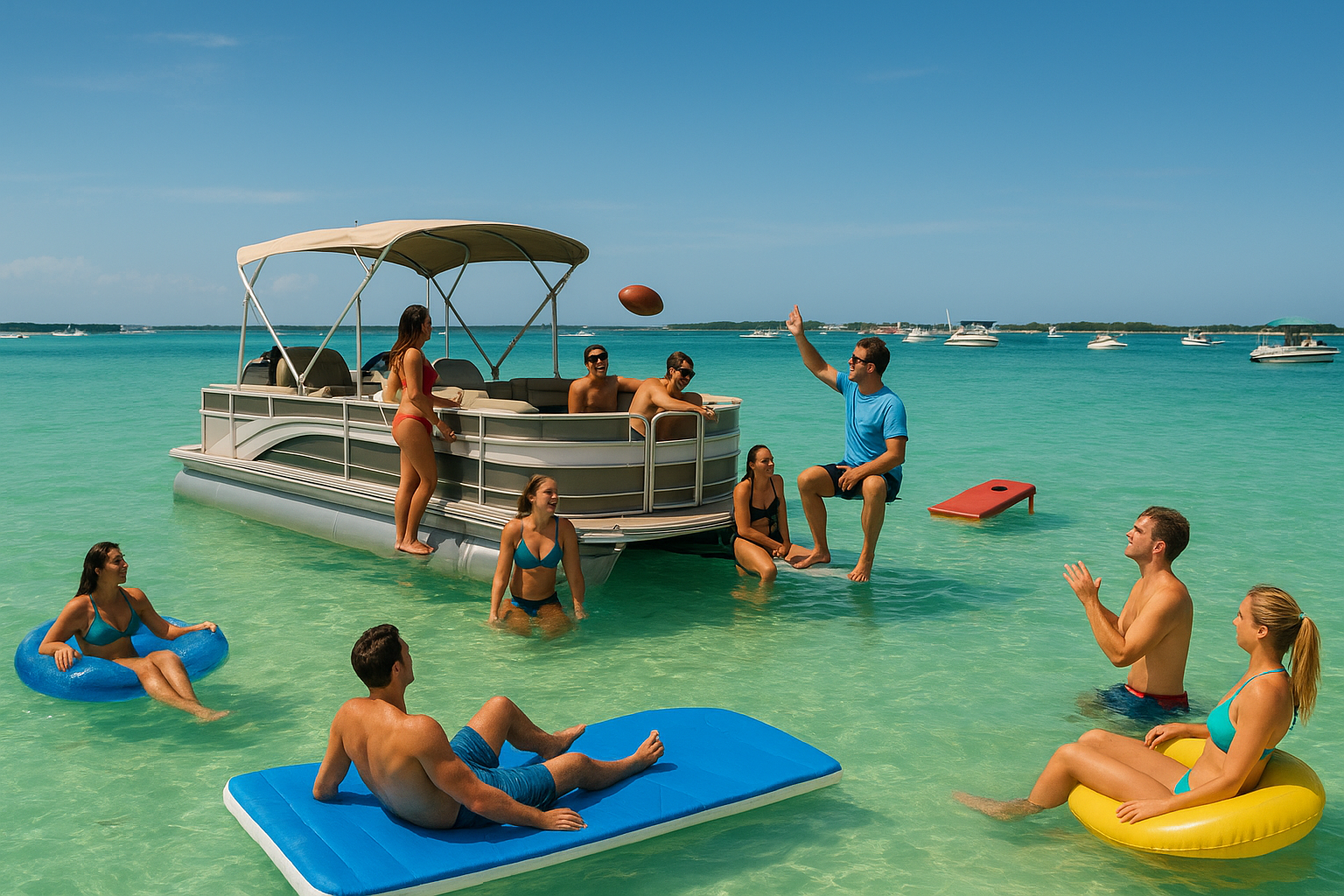
Your crew will spend most of the day anchored in shallow water, jumping off the boat, tossing footballs, playing cornhole on floating platforms, and exploring the sandbar. Floating vendors cruise through selling food, drinks, and inflatable toys if you want to add to the experience. Groups typically bring portable speakers, water toys, and shade setups to claim their space. Swimming, floating, and soaking up sun become the main activities, with zero pressure to do anything structured beyond enjoying the water.
Why it works for a sober bachelor party
The setting naturally keeps everyone active and engaged without needing alcohol to fill the gaps. You’re constantly moving between swimming, games, and boat-based hangouts, which creates natural energy throughout the day. The shallow, clear water means everyone stays safe no matter their swimming ability, and the laid-back atmosphere lets the group connect without the forced energy of bar-hopping.
"The best part about Crab Island is that the experience itself is the entertainment. You don’t need anything else to make it memorable."
How to plan the day from start to finish
Book your pontoon rentalfor a full day (usually 8 hours) so you’re not rushed. Launch early, around 9 or 10 a.m., to claim your spot before peak crowds arrive. Pack everything you need in waterproof bags and coolers, since you won’t have access to stores once you’re out there. Plan to stay through the afternoon, then head back before sunset when the sandbar starts clearing out.
Sober food and drink game plan that feels festive
Load your coolers with sandwiches, fruit, chips, and easy finger foods that won’t get soggy. Bring plenty of sports drinks, flavored waters, and energy drinks in addition to regular water to keep hydration interesting. Pack ice in separate bags so drinks stay cold all day. Consider bringing a portable grill if your rental allows it, or pre-cook items like chicken skewers that taste great cold.
Budget range and what changes the price
Expect to pay $300 to $600 for a full-day pontoon rental depending on boat size and season. Fuel typically runs $50 to $100 based on how much you cruise. Food and drinks for a group of eight cost $150 to $300 if you shop smart at local grocery stores. Add $100 to $200 for water toys, floating mats, or other gear if you don’t already own them.
2. Book a dolphin and sunset cruise
A dolphin and sunset cruise gives your group a slower-paced adventure that still delivers those "bachelor party weekend" moments without the bar scene. You’ll cruise the Destin coastline in late afternoon light, watch for dolphins playing in the boat’s wake, and catch the sunset over the Gulf of Mexico’s emerald waters. This works perfectly as a transition activity between bigger adventures or as a relaxed evening option that feels special without requiring alcohol to make it memorable.
What you’ll do on the water
Your crew will cruise through Choctawhatchee Bay and the Gulf while scanning for dolphin pods that frequently swim near boats. You’ll cover 10 to 15 miles of coastline, stopping at prime viewing spots when dolphins appear. Most charters provide music systems and comfortable seating, so the group can relax while enjoying the scenery and wildlife sightings.
Best timing for wildlife and sunset views
Book your departure two to three hours before sunset to maximize dolphin sightings during their active feeding periods. Dolphins swim most actively in late afternoon, and you’ll position the boat facing west 30 minutes before sunset to catch the full color show. Spring through fall offers the best weather and wildlife activity.
How to plan the route, music, and vibe
Your captain handles the route, but you control the music and atmosphere. Create a playlist ahead of time that matches the group’s taste without leaning on typical party anthems. Bring portable speakers if the boat’s system doesn’t meet your needs, and plan photo ops at key sunset moments.
Sober upgrades that make it feel like a party
Pack craft sodas, flavored sparkling waters, and mocktails in a cooler with plenty of ice. Bring high-quality snacks like charcuterie, fresh fruit, and specialty chips that feel more elevated than typical bachelor party fare. Consider hiring a photographer for 30 minutes to capture sunset shots.
"The sunset over the Gulf gives you that ‘moment’ every bachelor party needs, without anyone needing to be drunk to appreciate it."
Budget range and what changes the price
Expect $400 to $800 for a private charter that accommodates six to eight people. Price varies based on boat size, trip length (two to three hours), and season. Food and drinks add $75 to $150 depending on how fancy you get with the spread.
3. Go deep-sea fishing with a charter
A deep-sea fishing charter puts your crew six to nine miles offshore in Gulf waters where grouper, snapper, and amberjack bite year-round. You’ll spend four to eight hours on a boat with a professional captain who handles navigation and fish-finding while your group focuses on reeling in catches. This option delivers natural competition, teamwork, and genuine accomplishment when someone lands a keeper fish, making it one of the strongest sober bachelor party ideas for groups that enjoy outdoor challenges.
What you’ll do on the boat and back at the dock
Your captain will rig your lines, position the boat over productive spots, and coach first-timers through proper technique. You’ll rotate through fishing stations, help each other net catches, and keep a running tally of who lands the biggest fish. Back at the dock, most charters offer cleaning and filleting services, so you walk away with coolers full of fresh fillets ready for dinner.
Who this idea fits best and who it doesn’t
This works perfectly for groups that enjoy being outdoors and don’t mind getting hands dirty. Skip it if your crew includes anyone who gets seasick easily or hates the smell of fish. The experience requires patience and physical effort, so it matches groups that appreciate genuine challenges over passive entertainment.
How to choose a charter and avoid surprises
Book captains with solid online reviews and transparent pricing that includes licenses, gear, and bait. Ask about trip length, target species, and boat amenities before paying deposits. Confirm whether they provide seasickness remedies, sunscreen, and drinking water, or if you need to bring your own.
Make the catch part of the celebration
Plan a fish fry or grilled dinner using your day’s catch as the centerpiece meal. Take photos with the biggest fish of the day and create a simple trophy or certificate for the winner. Turn weighing and measuring catches into friendly competitions that give everyone bragging rights.
"Landing a 30-pound grouper gives you a story that beats any bar crawl, and the fish dinner afterward makes the whole day feel complete."
Budget range and what changes the price
Expect $600 to $1,200 for a half-day charter (four to six hours) that fits six to eight people. Full-day trips run $1,000 to $2,000 depending on boat size and target species. Peak season bookings and specialized trips for bigger game fish push prices higher.
4. Build a jet ski and watersports challenge day
You’ll turn Destin’s coastline into your personal competition course by renting jet skis and adding challenges that test speed, skill, and creativity. This format works as one of the best sober bachelor party ideas because the natural adrenaline rush eliminates any need for alcohol, and the structured competitions give everyone clear roles throughout the day. Your group will spend four to six hours on the water rotating through timed races, trick competitions, and team challenges.
What you’ll do and how to structure the competitions
Set up three to five different events like timed sprints between buoys, wake jumping contests, and precision docking challenges. Assign a scorekeeper who tracks points for each rider across all events, creating a leaderboard that builds throughout the day. Plan 20-minute rotations so everyone gets equal water time.
How to keep the day fun for mixed skill levels
Create handicap systems where beginners start closer to finish lines or receive bonus points for completing challenges. Pair experienced riders with first-timers during team events so skills balance across competitions without leaving anyone behind.
Safety, rules, and smart pacing
Establish clear boundaries for the competition area and require life jackets on every rider. Build in 15-minute breaks between events so nobody gets exhausted or reckless. Designate one person as safety spotter who stays off the water during each round.
Sober hype ideas that replace "shots and dares"
Award ridiculous trophies for winners of each event and create silly penalties for last place like wearing a costume vest for the next round. Take action camera footage of the best moments and worst wipeouts to replay at dinner.
"The competition itself creates enough energy that nobody misses drinking. You’re too focused on not getting smoked by your buddy in the next race."
Budget range and what changes the price
Expect $150 to $300 per jet ski for a half-day rental, so a group of six pays $900 to $1,800 total. Longer rental periods and newer model machines increase costs. Add $50 to $100 for action cameras if you don’t own them.
5. Rent a beach house and run a food and games night
Renting a beach house for two to three nights creates a home base where your crew controls every detail of the experience. You’ll have full kitchen access, multiple bedrooms, and common spaces designed for groups to hang out without interruptions. This option ranks among the most flexible sober bachelor party ideas because you build the entire weekend around activities your group actually enjoys instead of defaulting to bar crawls.
What you’ll do from check-in to lights out
Your group will arrive in early afternoon, claim rooms, and settle in before heading to the beach or pool. Evening activities center around cooking dinner together, running tournaments for board games or video games, and hanging out on decks or around fire pits. Late night shifts to movie marathons, card games, or sitting outside while telling stories that wouldn’t work in public settings.
The easiest way to plan food for a group
Assign each person one meal to handle so nobody shoulders the entire cooking burden. Stock the kitchen with breakfast basics like eggs, bacon, and bagels that anyone can prepare without skills. Order takeout or delivery for one meal to give everyone a break from cooking duties.
Games that stay fun without drinking
Focus on competitive board games like Settlers of Catan or ticket-based tournaments where winners earn actual prizes. Set up video game competitions with sports games or racing titles that create natural trash talk. Run poker tournaments with cash buy-ins that give everyone real stakes.
Turn it into a bachelor party without getting cringey
Create a simple roast or toast session where each person shares one story about the groom. Present him with a practical gift from the group like a high-end cooler or grilling tools he’ll actually use.
"A beach house gives you the privacy to celebrate however you want, without worrying about being the loudest table at a restaurant."
Budget range and what changes the price
Expect $200 to $500 per person for a weekend rental depending on house size and location. Groceries run $50 to $100 per person for three days of meals. Beachfront properties and peak season bookings push costs higher.
6. Plan an outdoor adventure day with a big payoff meal
You’ll spend the morning and early afternoon pushing your limits outdoors, then transition into a carefully planned dinner that serves as the real celebration of the day. This approach works as one of the smartest sober bachelor party ideas because the physical challenge creates natural endorphins and shared accomplishment, while the meal gives everyone something to look forward to during tough moments. Your group will bond over genuine effort and recovery rather than forced bar energy.
What you’ll do in the morning and afternoon
Pick activities like hiking trails with elevation gains, kayaking through state parks, or mountain biking along coastal routes near Destin. Start early, around 7 or 8 a.m., to avoid peak heat and finish by mid-afternoon. Plan for three to five hours of actual activity time including breaks.
How to pick the right adventure for your group
Choose challenges that push but don’t break your weakest member. Test the route distance and difficulty against your least experienced person’s ability, then add optional extensions for anyone who wants more. Skip technical activities requiring specialized skills unless everyone can participate safely.
What to pack so nobody suffers
Bring extra water, electrolyte packets, and salty snacks to prevent dehydration and cramping. Pack basic first aid supplies, sunscreen, and backup clothing layers in waterproof bags. Assign one person to carry shared emergency gear so everyone else travels lighter.
Make the dinner feel like the main event
Book reservations at a high-end steakhouse or seafood restaurant where you can arrive sweaty and exhausted but still get excellent service. Order appetizers for the table and premium entrees that feel like rewards for the day’s effort.
"The dinner tastes better after you’ve earned it. Nobody needs alcohol when they’re that hungry and satisfied."
Budget range and what changes the price
Expect $50 to $100 per person for guided adventure activities or park fees. Dinner runs $75 to $150 per person depending on restaurant choice and whether you add premium sides or desserts.
7. Do a track day or kart racing weekend
A track day or kart racing weekend delivers pure adrenaline without needing alcohol to amplify the experience. You’ll spend hours competing on professional-grade tracks where speed and skill determine winners, creating natural bragging rights that last long after the weekend ends. This ranks among the most thrilling sober bachelor party ideas for groups that feed off competition and want an experience they’ll actually remember clearly.
What you’ll do and how to book it
Your group will run qualifying laps, timed races, and bracket-style tournaments across multiple sessions throughout the day. Book through track facilities that offer group packages including safety briefings, equipment rentals, and dedicated track time. Reserve two to three months ahead for weekend slots since popular tracks fill quickly during peak season.
How to keep it competitive and safe
Establish clear rules about aggressive driving and require everyone to attend the safety briefing seriously. Create racing brackets that match similar skill levels in early rounds, then run finals between top performers. Track officials handle most safety enforcement, but your group should agree on consequences for reckless driving before anyone gets behind the wheel.
Add-on activities that fill the weekend
Combine track time with golf simulator sessions, arcade competitions, or go-kart tracks if you finish racing early. Many facilities sit near other entertainment options that extend the weekend without forcing downtime at hotels.
Sober celebrations that match the adrenaline
Award custom trophies or racing-themed prizes to podium finishers and create penalties like wearing a ridiculous helmet for the slowest qualifier. Capture lap time data and video footage to replay at dinner while reliving close finishes.
"Posting faster lap times than your buddy creates the same rush as any party trick, except you’ll remember every second of it."
Budget range and what changes the price
Expect $150 to $400 per person for full-day karting packages with multiple race sessions. Professional track days with real cars run $500 to $1,500 per person depending on vehicle type and track time allotted.
8. Build a sports weekend around one big game
Planning your bachelor party around a major sporting event transforms the game into the weekend’s centerpiece while giving your crew natural gathering points before, during, and after kickoff. This works best for groups that already follow the same team or sport, where the game itself creates enough excitement to carry the celebration. You’ll spend the day building up to game time through tailgating, then extend the energy into post-game activities that keep everyone engaged.
What you’ll do before, during, and after the game
Your group will arrive at the stadium three to four hours early to set up a tailgate spot in the parking lot. You’ll grill food, play cornhole or football, and soak up the pre-game atmosphere while other fans arrive. During the game, you’ll sit together in your ticket section, react to every play, and participate in stadium traditions like chants or celebrations. After the final whistle, head to a sports bar or back to your rental house to replay highlights and extend the day.
How to plan a tailgate without alcohol
Focus on food quality over quantity by grilling burgers, brats, and chicken that taste better than typical stadium fare. Bring specialty sodas, energy drinks, and craft root beers in large coolers packed with ice. Set up lawn games like cornhole tournaments with brackets and prizes to create competition before the game starts.
Tips for tickets, transportation, and timing
Buy tickets from official team sites or verified resellers at least six weeks ahead to secure seats together. Arrange ride-sharing or shuttle services so nobody worries about parking or navigating post-game traffic. Arrive early enough to claim prime tailgate space before lots fill up.
Keep the group together without babysitting anyone
Create a designated meeting spot with specific times if anyone wanders off during tailgating. Share live location data through group messaging apps during the game in case someone needs a bathroom break or food run.
"The game gives you built-in entertainment and natural energy peaks that make the day memorable without needing anything extra."
Budget range and what changes the price
Expect $75 to $300 per person for game tickets depending on sport, teams, and seat location. Tailgate food and drinks run $30 to $60 per person. Playoff games and rivalry matchups push ticket prices significantly higher.
Make it a weekend everyone remembers
The strongest sober bachelor party ideas create natural highs through shared challenges and genuine connection rather than relying on alcohol to manufacture fun. Each option in this guide delivers memorable experiences that your crew will reference for years, from landing trophy fish in the Gulf to crushing lap times on a race track. These activities prove that the best bachelor parties focus on doing something together instead of just drinking together.
Planning a weekend that everyone actually enjoys requires picking activities that match your group’s interests and energy levels. You might combine a pontoon day at Crab Island with a sunset cruise, or build your entire weekend around a single big adventure followed by quality downtime. The key is choosing experiences where the activity itself becomes the celebration.
Whether you’re renting a pontoon boat for a Crab Island adventure or taking the kids out on jet skis along the Emerald Coast, one piece of safety equipment matters more than any other: your life jacket. Knowing how to choose the right life jacket isn’t just about checking a box for Coast Guard compliance, it’s about making sure everyone on the water comes home safe. At Original Crab Island, we see thousands of visitors each season, and proper PFD selection remains one of the most overlooked aspects of water safety.
The problem? Life jackets aren’t one-size-fits-all. A vest that works perfectly for kayaking might be completely wrong for wakeboarding. Sizing alone involves multiple factors, chest measurements, weight ranges, and age categories all play a role. Add in the five different USCG classifications, and it’s easy to see why so many people end up with ill-fitting or inappropriate flotation devices.
This guide breaks down everything you need to know: from understanding Type I through Type V classifications to testing fit before you hit the water. You’ll learn which life jackets match specific activities, how to size for adults and children correctly, and what features actually matter for comfort and safety. By the end, you’ll be able to confidently select the right PFD for any water adventure, whether you’re fishing offshore or floating at the sandbar.
What the USCG label tells you
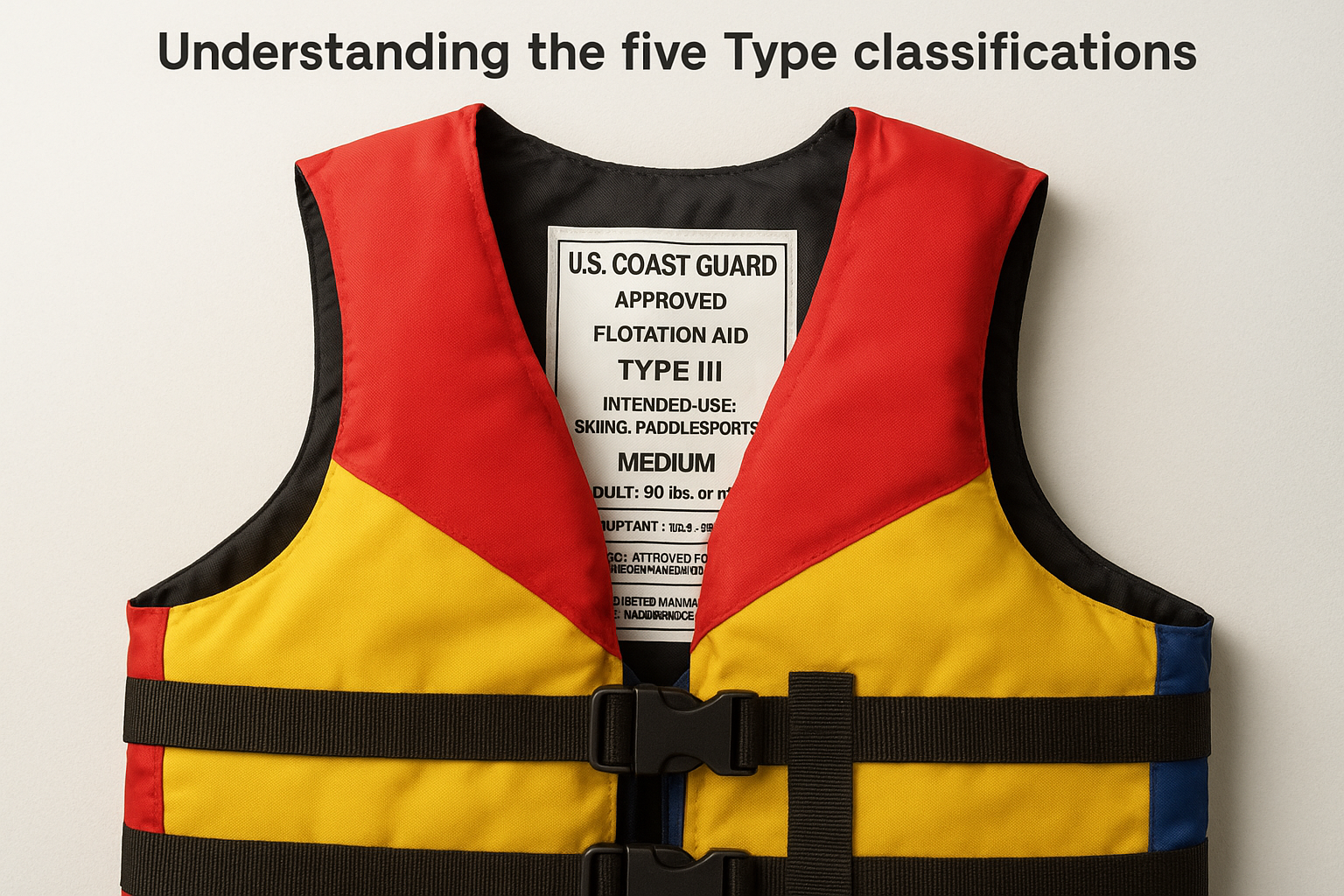
Every approved life jacket carries a U.S. Coast Guard label that tells you exactly what the device does and who should wear it. You’ll find this label inside the jacket, typically sewn into the lining or printed on a permanent tag. The label includes critical safety information about buoyancy ratings, approved activities, weight limits, and the PFD’s official Type classification. Reading this label is the first step in learning how to choose the right life jacket, and ignoring it could put you in serious danger.
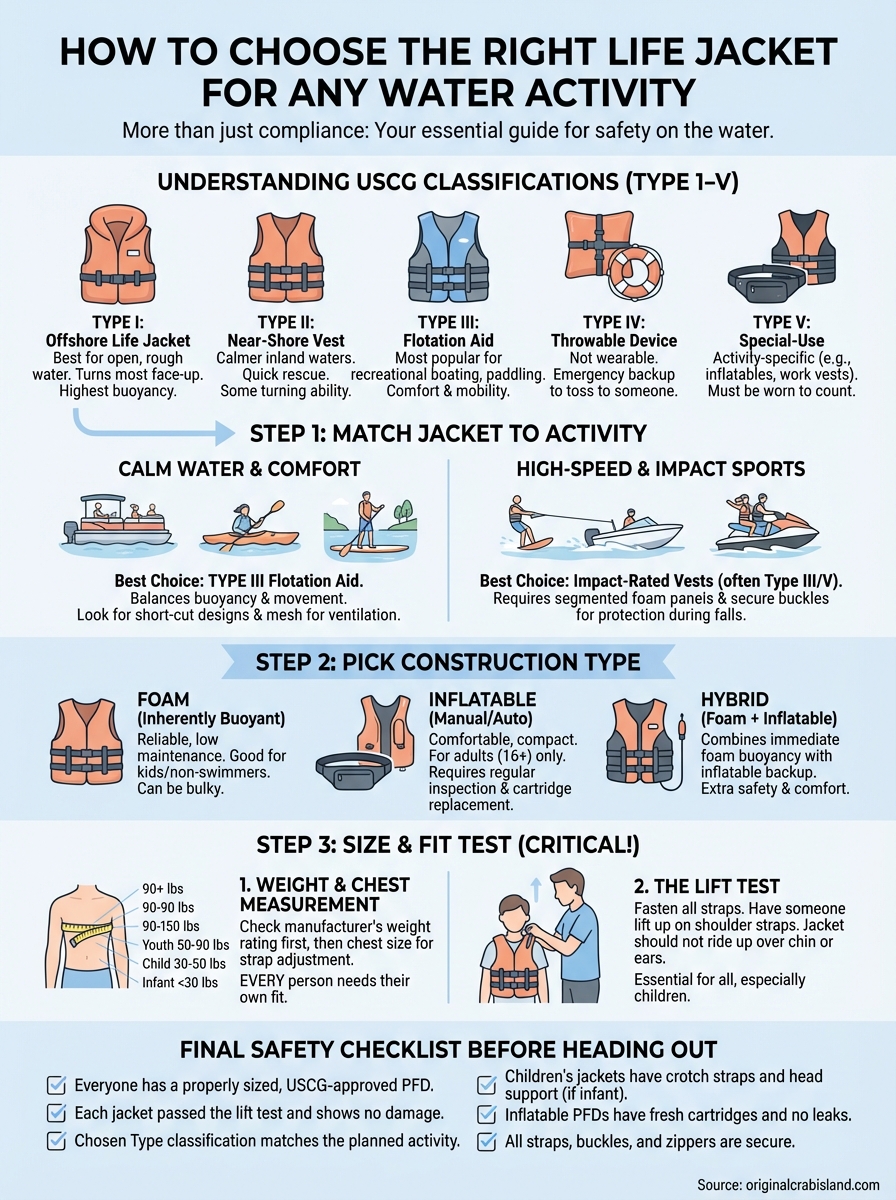
Understanding the five Type classifications
The USCG sorts life jackets into five categories based on buoyancy and intended use. Type I offshore jackets provide the most flotation (22 pounds minimum) and work in rough, open water where rescue may take hours. They’re bulky but designed to turn most unconscious wearers face-up. Type II near-shore vests offer 15.5 pounds of buoyancy for calmer inland waters where help arrives quickly. Type III flotation aids match Type II buoyancy but prioritize comfort and mobility, they’re the most popular choice for recreational boating, skiing, and paddling.
Type IV throwable devices (cushions, rings) provide 16.5 pounds of buoyancy and serve as emergency equipment you toss to someone in distress, not something you wear. Finally, Type V special-use PFDs include hybrids, inflatables, and activity-specific designs that must be worn according to label instructions to maintain Coast Guard approval.
The Type classification determines where and how you can legally use the life jacket, not just how well it floats.
Key label information beyond the Type
Your label also specifies exact weight ranges that determine proper fit. A jacket rated for 90+ pounds won’t provide adequate buoyancy for a 60-pound child, even if the straps cinch tight. Look for the "Approved for" section that lists activities like waterskiing, kayaking, or general boating. Some PFDs carry restrictions, inflatables under 16 years old, no unconscious wearers, no non-swimmers. The label shows whether your jacket uses inherently buoyant foam or relies on inflation, which affects how you inspect and maintain it. Check the approval number (starts with 160) to verify the jacket meets current standards and hasn’t been recalled.
Step 1. Match the jacket to your activity
Your activity determines which Type of life jacket keeps you safe. Type III flotation aids dominate recreational boating because they balance buoyancy with freedom of movement, but they’re not ideal for every situation. Learning how to choose the right life jacket starts with understanding what you’ll actually be doing on the water. A jacket that works for leisurely pontoon cruises around Crab Island might fail completely during wakeboarding wipeouts or offshore fishing in choppy seas.
Calm water activities need comfort and mobility
For pontoon boat trips, kayaking, paddleboarding, and casual swimming at the sandbar, Type III vests give you the best combination of safety and comfort. These jackets allow full arm rotation for paddling and won’t chafe during extended wear. Look for short-cut designs that sit above your waist so you can sit comfortably without the jacket riding up. Mesh panels and multiple adjustment straps help with ventilation and fit. Type II near-shore vests work too, but most people find them bulkier than necessary for protected waters.
High-speed and impact sports require impact-rated protection
Waterskiing, wakeboarding, tubing, and jet skiing demand Coast Guard-approved vests specifically rated for impact protection. Standard foam jackets won’t protect your ribs during a 30-mph wipeout. You need segmented foam panels that flex with your body while absorbing shock. These vests typically feature shorter torsos, wider armholes, and secure buckle systems that won’t tear loose on impact.
Impact-rated vests prevent serious injuries during high-speed water sports, not just keep you afloat.
Type V special-use PFDs designed for performance sports often outperform standard Type IIIs in these situations.
Step 2. Pick foam, inflatable, or hybrid
Understanding construction types is crucial when you’re figuring out how to choose the right life jacket. The three main options each offer distinct advantages and limitations based on your needs. Foam jackets use closed-cell foam for permanent buoyancy, inflatable PFDs rely on CO2 cartridges that activate manually or automatically, and hybrid designs combine both technologies for backup protection. Your choice affects comfort, maintenance requirements, and who can safely wear the device.
Foam jackets for reliability and low maintenance
Inherently buoyant foam jackets work immediately without any activation steps, making them ideal for children, non-swimmers, and anyone who might panic in the water. You never worry about cartridge replacement or inflation failure because the buoyancy stays constant. These jackets require minimal maintenance beyond checking for tears and ensuring straps function properly. The tradeoff? Foam PFDs feel bulkier and hotter during extended wear, especially in summer heat. They take up more storage space on boats with limited cabin room.
Inflatable PFDs for comfort and storage
Manual and automatic inflatables pack down to belt or suspender sizes until you need them, then inflate to full buoyancy in seconds. Adults find them far more comfortable for all-day wear during fishing trips or long cruises. However, inflatables require regular inspection of CO2 cartridges, firing mechanisms, and bladder integrity. You must replace cartridges after each inflation, and the devices cost significantly more upfront than foam alternatives.
Inflatable PFDs are not Coast Guard approved for anyone under 16 years old or for high-impact water sports.
Hybrid designs that combine both
Hybrid life jackets provide 7-10 pounds of foam buoyancy plus an inflatable chamber for additional flotation when activated. This design gives you immediate flotation if the inflation system fails while maintaining better comfort than traditional foam-only jackets. Hybrids work well for offshore fishing and situations where you want redundant safety systems.
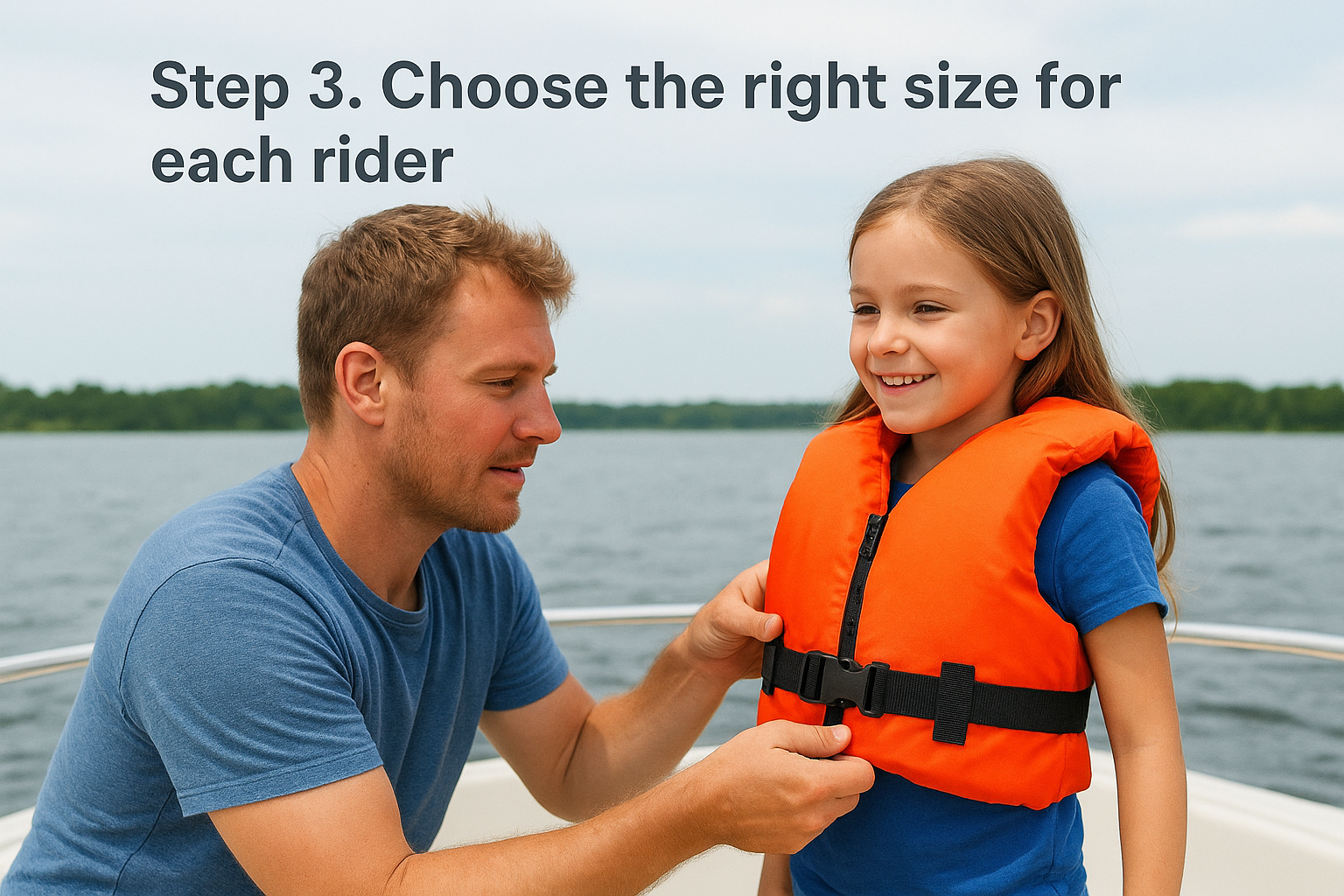
Step 3. Choose the right size for each rider
Size matters more than any other factor when learning how to choose the right life jacket. A jacket that fits properly keeps your head above water during emergencies, while an oversized vest can slip off completely or ride up over your face. Weight determines the primary size category, but you also need to verify chest measurements to ensure proper strap adjustment and coverage. Every person on your boat needs their own correctly sized PFD, borrowing an adult jacket for a teenager or child creates a dangerous situation that no amount of strap tightening can fix.
Read weight ranges first, then check chest size
Start with the manufacturer’s weight rating printed on the label. Most adult jackets begin at 90 pounds and go up in 30-pound increments (90+, 90-150, 150+). Youth sizes typically cover 50-90 pounds, while child sizes handle 30-50 pounds. After selecting the weight category, measure chest circumference at the widest point to confirm the jacket’s adjustable straps can cinch properly without gaps. A 140-pound adult with a 42-inch chest needs a different cut than someone the same weight with a 36-inch chest.
Chest size determines comfort and strap effectiveness, but weight determines whether the jacket provides adequate buoyancy.
Infant and child sizing requires extra attention
Infants under 30 pounds need Type II jackets with head support collars that keep their faces clear of water. Look for crotch straps on all children’s PFDs to prevent the jacket from sliding off during swimming or panic situations. Test the arm openings, your child shouldn’t be able to slip their arms back inside the jacket while wearing it. Replace children’s life jackets every season as they grow, since outgrowing the weight rating eliminates Coast Guard approval even if the straps still fit.
Step 4. Do a fit test and basic upkeep
Knowing how to choose the right life jacket extends beyond picking the correct size off the shelf. You need to test the fit in actual conditions before anyone steps onto your boat. A proper fit test simulates what happens when someone enters the water, revealing whether the jacket provides adequate support or creates dangerous gaps. Beyond the initial fitting, your life jackets require regular inspection and basic maintenance to maintain Coast Guard approval and ensure reliability during emergencies.
Perform the lift test before every trip
Put the life jacket on and fasten all straps snugly but comfortably. Have someone grasp the shoulder straps and lift upward firmly while you relax your body. The jacket should stay firmly in place with minimal upward movement. If it rides up over your chin or ears, it’s too large regardless of what the weight rating says. Your ears should never slip below the top edge of the jacket during this test. For children, perform the test in shallow water to ensure the jacket keeps their face clear while they’re relaxed or floating on their back.
A life jacket that passes the lift test on land but rides up in water puts you at serious risk during an actual emergency.
Check these items before each season
Inspect all straps, buckles, and zippers for wear, corrosion, or damage. Replace any jacket with torn fabric, missing hardware, or foam that feels compressed or waterlogged. Test inflatable PFDs by checking cartridge weight (replace if below minimum), examining the inflation mechanism for corrosion, and inflating the bladder to verify it holds air overnight. Store jackets in cool, dry locations away from direct sunlight and gasoline fumes, which degrade foam and fabric.
Final safety checklist before you head out
You now understand how to choose the right life jacket based on activity type, construction, size, and fit. Before you leave the dock, run through this final verification checklist to ensure everyone stays safe on the water.
Verify that every person aboard has their own Coast Guard-approved PFD that matches their weight and chest size. Confirm each jacket passed the lift test and shows no signs of damage or wear. Check that your chosen Type classification matches your planned activities, Type III for casual boating and paddling, impact-rated vests for watersports, Type I or II for offshore trips. Make sure children’s jackets include crotch straps and that inflatable PFDs have fresh cartridges installed.
Ready to experience the Emerald Coast with confidence? Book your Crab Island adventure with Original Crab Island, where properly fitted life jackets come standard with every pontoon rental, jet ski excursion, and guided tour. Our staff ensures you have the right safety equipment before you hit the water.
Heading out to Crab Island or cruising the Emerald Coast waters near Destin means checking one thing before you untie from the dock: the National Weather Service marine forecast. This official resource tells you exactly what to expect on the water, wind speeds, wave heights, visibility, and any storm warnings that could turn a perfect day into a dangerous one. Ignoring it isn’t worth the risk.
At Original Crab Island, we send guests out on pontoon boats, jet skis, fishing charters, and parasailing adventures every day. We’ve seen firsthand how quickly Gulf conditions can shift. That’s why we want you to understand how to read and use these forecasts before your next trip.
This guide breaks down the key components of marine forecasts, explains where to find them, and shows you how to interpret the data so you can make smart decisions on the water. Whether you’re a first-time renter or an experienced boater, this information keeps your crew safe.
What the National Weather Service marine forecast is
The National Weather Service (NWS) operates a dedicated network of marine forecasting stations that issue official predictions for offshore and coastal waters. These forecasts come directly from government meteorologists who analyze atmospheric data, ocean buoys, radar systems, and satellite imagery around the clock. You won’t find opinions or guesswork here, just verified weather conditions and warnings backed by federal resources.
The NWS marine forecast is the only source legally recognized by the Coast Guard for official maritime weather information.
Each forecast divides U.S. waters into specific zones that reflect geographic boundaries and weather patterns. When you look up a national weather service marine forecast, you’re accessing zone-specific data that tells you wind direction, wave heights, visibility ranges, thunderstorm risk, and small craft advisories. The forecasts update multiple times daily, typically every six hours, with additional bulletins issued whenever conditions change rapidly or hazardous weather develops.
How forecasters build your zone report
Meteorologists pull data from NOAA weather buoys positioned throughout the Gulf of Mexico and other coastal regions. These buoys measure real-time wave action, water temperature, wind speed, and barometric pressure. That raw information feeds into forecast models that predict how conditions will shift over the next 24 to 48 hours. You get a summary written in standardized language that describes current conditions and expected changes by specific time periods.
What each zone update includes
Your zone forecast breaks down into distinct sections: synopsis, winds, seas, weather, and visibility. The synopsis gives you the big picture of weather systems moving through. Wind forecasts tell you speed and direction using nautical terminology. Seas descriptions include wave height ranges and dominant wave periods. Weather entries flag precipitation, storms, or fog. Visibility measurements tell you how far you can see, measured in nautical miles.
Why marine forecasts matter for boaters
You can’t see what’s coming over the horizon, but the National Weather Service marine forecast can. Gulf waters around Destin shift fast. A calm morning at Crab Island can turn into two-foot chop with 15-knot winds by afternoon, and without warning, you’re fighting to keep control of your pontoon boat. Recreational boaters who skip the forecast put themselves, their passengers, and their rental equipment at serious risk.
Checking marine forecasts before departure reduces your chance of weather-related accidents by over 70%.
What ignoring forecasts costs you
Search and rescue teams respond to hundreds of preventable incidents every year because boaters didn’t check conditions before leaving. When you rent from Original Crab Island, you’re responsible for that vessel and everyone aboard. A small craft advisory means wind and wave conditions exceed safe limits for most recreational boats. Ignoring that warning can strand you offshore, damage equipment, or worse. Insurance won’t cover negligence, and the Coast Guard will bill you for rescue operations if you ignored posted warnings.
How forecasts shape your trip
Marine forecasts tell you when to reschedule, what gear to bring, and which routes to avoid. Planning a fishing charter? Wind direction affects where fish feed. Booking parasailing? You need sustained winds within a specific range. Every water activity depends on accurate weather data, and the national weather service marine forecast gives you that reliability.
Where to find the right forecast for your waters
You need to know your specific offshore zone before you can pull the right forecast. The Gulf of Mexico near Destin falls into distinct National Weather Service zones, and each one reports different conditions based on distance from shore and water depth. Checking a forecast for the wrong zone gives you useless information that could leave you unprepared when conditions change.
Official NWS sources
The National Weather Service Marine Prediction Center hosts all official forecasts at weather.gov/marine. You select your region, then drill down to your specific zone by clicking the corresponding area on the interactive map. For Destin boaters, you’ll typically reference Zone AMZ630 (Coastal Waters from Destin to Pascagoula out 20 nautical miles) or Zone AMZ632 (Waters from Pensacola to Destin from 20 to 60 nautical miles). Each zone page displays the current forecast, warnings, and update timestamps.
Knowing your zone number before departure saves time and eliminates confusion when conditions deteriorate.
Mobile access options
Download the NOAA Weather Radio app or access weather.gov directly through your smartphone browser. Both methods let you bookmark your zone for instant access. You can also tune a VHF marine radio to WX channels for continuous broadcasts of the national weather service marine forecast while underway. Save your zone number in your phone contacts so you never have to search for it at the dock.
How to read a marine forecast like a pro
Marine forecasts use standardized terminology that takes practice to decode quickly. When you open a national weather service marine forecast, you’ll see sections labeled Synopsis, Winds, Seas, and Weather. Each section follows a specific format that packs maximum information into minimum space, and understanding that structure lets you assess conditions in under a minute.
Breaking down forecast shorthand
Wind reports appear as direction followed by speed: "SE winds 10 to 15 knots" means winds blow from the southeast at those speeds. Seas descriptions combine wave height with period: "Seas 2 to 4 feet with occasional seas up to 5 feet" tells you the typical range and maximum you might encounter. The period (time between waves) matters because longer periods create smoother rides than short, choppy intervals.
Learning to spot the difference between "seas" and "wind waves" helps you predict actual water conditions more accurately.
Visibility measurements use nautical miles, and anything below 3 nautical miles creates navigation hazards. Weather entries flag specific threats like thunderstorms, rain, or fog using abbreviations you’ll recognize after checking a few forecasts. Pay attention to timing phrases like "becoming" or "diminishing" because they tell you when conditions shift during your trip.
Common warnings and what to do next
The national weather service marine forecast uses specific alert levels that tell you exactly how dangerous conditions have become. Small craft advisories, gale warnings, and special marine warnings each trigger different responses. You need to know what each warning means and what action to take when you see one posted for your zone.
Small craft advisories
A small craft advisory means sustained winds of 21 to 33 knots or seas of 7 feet or higher are expected. If you see this warning before departure, stay at the dock. Your pontoon rental isn’t designed for those conditions, and neither are most recreational vessels under 40 feet. Already on the water when the advisory posts? Return to port immediately using the safest route available.
Small craft advisories account for the majority of marine weather warnings issued in Gulf waters.
Gale warnings and storm alerts
Gale warnings signal winds of 34 to 47 knots, and you should already be secured at the dock before they take effect. Special marine warnings cover sudden severe weather like waterspouts or intense thunderstorms that develop within your area. Monitor your VHF radio continuously because these warnings update rapidly. If caught offshore during a special marine warning, seek the nearest safe harbor immediately.
Before you leave the dock
Checking the national weather service marine forecast takes two minutes but could save your entire trip. You’ve learned where to find your zone forecast, how to decode the terminology, and what warnings demand immediate action. Now you need to build that habit before every departure. Pull the forecast on your phone while loading gear, bookmark your zone for instant access, and monitor VHF weather channels once you’re underway.
Conditions around Crab Island and the Emerald Coast shift faster than most visitors expect. That morning calm won’t last all day, and you need real-time information to make smart decisions. When you rent from Original Crab Island, you get well-maintained equipment and local expertise, but the responsibility for checking weather conditions stays with you. Your safety depends on staying informed, and the NWS gives you everything you need to do that right.
Whether you’re cruising the Gulf of Mexico or anchoring at a sandbar like Crab Island, staying connected on the water isn’t optional, it’s essential. When you buy marine VHF radio equipment, you’re investing in your safety, your crew’s peace of mind, and reliable communication when cell service drops off.
At Original Crab Island, we spend our days on the Emerald Coast helping visitors experience Destin’s waters through boat rentals, fishing charters, and water adventures. We know firsthand how critical proper marine communication gear is for every boater, whether you’re a weekend warrior or a seasoned captain.
This guide breaks down five solid options for purchasing a marine VHF radio online. We’ll cover handheld units for portability, fixed-mount systems for larger vessels, and everything in between, so you can find the right fit for your boat and budget.
1. West Marine
West Marine stands as the largest marine retailer in the United States, offering an extensive inventory of marine VHF radios from brands like Standard Horizon, Icom, and Uniden. Their online platform lets you filter by handheld or fixed-mount options, DSC capability, and waterproof ratings, making it straightforward to narrow down choices.
What you can buy here
You’ll find everything from basic handheld units starting around $100 to premium fixed-mount systems with AIS integration that run over $600. West Marine stocks both recreational-grade radios for weekend boaters and commercial-grade equipment for professional captains. Their selection includes accessories like external speakers, RAM mounts, and antenna upgrades.
Best for
West Marine works best for boaters who want in-person support alongside online shopping. You can order online and pick up at one of their 240+ retail locations, which lets you ask questions before finalizing your purchase. Their staff typically includes experienced boaters who understand installation requirements and feature comparisons.
Typical pricing
Handheld VHF radios range from $120 to $350, while fixed-mount models span $150 to $700 depending on features like DSC, AIS, and display quality. West Marine runs frequent sales and offers a loyalty rewards program that gives you 5% back on purchases, which adds up when you buy marine VHF radio equipment and accessories together.
"Their price-match guarantee means you won’t overpay if you find a lower advertised price elsewhere."
Shipping, returns, and warranties
Standard shipping takes 3-7 business days, and orders over $49 qualify for free shipping. Returns are accepted within 90 days of purchase with original packaging. Most radios come with manufacturer warranties ranging from one to three years, and West Marine offers extended protection plans for additional coverage.
What to check before you click buy
Verify the radio includes DSC capability if you want distress signaling features. Check whether your boat needs a handheld or fixed-mount unit based on your vessel size and typical usage. Read through installation requirements for fixed-mount systems, as some models need professional wiring if you’re not comfortable working with 12-volt electrical systems.
2. Walcott Radio
Walcott Radio specializes in marine electronics and has been serving boaters since 1961. Their online store focuses specifically on communication equipment, which means you’ll find knowledgeable staff who understand VHF radio specifications and installation requirements better than general retailers.
What you can buy here
You can buy marine VHF radio units from Icom, Standard Horizon, and Uniden, along with antennas, mounting brackets, and cables. Their inventory leans toward fixed-mount systems for powerboats and sailboats, though they stock handheld options as well.
Best for
Walcott Radio serves boaters who want technical expertise during the buying process. Their sales team can answer specific questions about antenna length, coax cable requirements, and DSC programming. This retailer works well when you need installation guidance beyond basic setup instructions.
Typical pricing
Fixed-mount VHF radios start around $170 and go up to $550 for advanced models with GPS integration. Handheld units range from $130 to $300. Their prices align with competitors, though you won’t find deep discounts or frequent sales promotions.
"You’ll pay standard retail prices, but the trade-off is access to specialists who know marine communications."
Shipping, returns, and warranties
Orders ship within 2-3 business days via UPS or FedEx. Returns are accepted within 30 days with a restocking fee on opened items. Manufacturer warranties apply to all radios, typically covering one to three years depending on the brand.
What to check before you click buy
Confirm your boat’s electrical system voltage matches the radio’s requirements before ordering. Check whether you need additional accessories like antenna mounts or coax cables, as these often ship separately and add to your total cost.
3. The GPS Store
The GPS Store operates as a specialized marine electronics retailer with a focused inventory of navigation and communication equipment. Their online platform carries VHF radios from manufacturers like Icom, Standard Horizon, and Garmin, paired with expert guidance from a team that understands marine communication requirements.
What you can buy here
You’ll find handheld and fixed-mount VHF radios alongside mounting hardware, antennas, and coax cables. The GPS Store stocks models with DSC capability, GPS integration, and Class D Digital Selective Calling features. Their inventory includes both recreational and commercial-grade equipment.
Best for
This retailer serves boaters who want specialized knowledge when they buy marine VHF radio equipment. The sales team understands antenna placement, cable routing, and DSC setup procedures. Their expertise helps you match radio features to your specific boating needs.
Typical pricing
Handheld units start around $140 and reach $320, while fixed-mount systems range from $180 to $600 depending on features. Their pricing stays competitive with other marine specialists, and they occasionally run manufacturer promotions.
"You’ll find fair pricing without the deep discounts of big-box retailers."
Shipping, returns, and warranties
Orders ship within 2-4 business days through major carriers. You can return items within 30 days with original packaging. Manufacturer warranties cover one to three years based on brand and model.
What to check before you click buy
Verify your boat’s mounting space for fixed units before ordering. Check whether you need additional accessories like antenna mounts or extension cables, as these typically ship as separate items.
4. Amazon
Amazon carries a massive inventory of marine VHF radios from dozens of manufacturers, giving you access to more models and price points than any specialized marine retailer. You’ll find Standard Horizon, Uniden, Cobra, and Icom units alongside lesser-known brands. The platform’s customer reviews and questions sections help you compare real-world experiences before making a purchase decision.
What you can buy here
You can buy marine VHF radio units in both handheld and fixed-mount configurations, along with antennas, mounting brackets, and power cables. Amazon stocks everything from basic recreational models to advanced systems with DSC, GPS, and AIS integration. Third-party sellers expand the selection beyond what ships directly from Amazon warehouses.
Best for
Amazon works well for boaters who prioritize competitive pricing and fast delivery over specialized advice. The platform serves you best when you already know which radio model you need and want the convenience of Prime shipping. You’ll benefit from easy price comparisons and customer feedback.
Typical pricing
Handheld units range from $90 to $280, while fixed-mount radios span $140 to $550. Prices fluctuate based on seller competition and seasonal sales. Prime members get additional discounts during promotional periods.
"Amazon’s pricing beats specialized marine retailers by 10-20% on identical models."
Shipping, returns, and warranties
Prime members receive free two-day shipping on eligible items. You can return most radios within 30 days for a full refund. Manufacturer warranties apply directly through the brand, not through Amazon.
What to check before you click buy
Verify you’re ordering from a reputable seller by checking ratings and reviews. Confirm the radio includes all mounting hardware and cables, as some listings ship unit-only without accessories.
5. Cobra online store
Cobra manufactures handheld VHF radios specifically designed for recreational boaters and operates a direct-to-consumer online store. Their website focuses exclusively on Cobra-branded products, which means you’ll find their complete radio lineup without sorting through competing brands. The company has built a reputation for producing affordable handheld units that balance basic functionality with durability.
What you can buy here
You can buy marine VHF radio units from Cobra’s HH and MR series, which include floating handheld models with 6-watt power output. Their inventory includes radios with noise-canceling microphones, backlit displays, and some models with Rewind-Say-Again playback features. Cobra stocks replacement antennas, charging cradles, and speaker microphones as accessories.
Best for
Cobra’s store works best for boaters seeking budget-friendly handheld radios for occasional use. Their direct sales approach eliminates retailer markups while maintaining warranty coverage. You’ll benefit from buying directly if you want manufacturer support without third-party complications.
Typical pricing
Handheld units range from $90 to $180, positioning Cobra as one of the most affordable options in marine VHF communications. Their pricing undercuts premium brands by 30-40% while maintaining basic functionality.
"Direct purchasing from Cobra eliminates retailer margins and speeds up warranty claims."
Shipping, returns, and warranties
Orders ship within 3-5 business days via standard carriers. Returns are accepted within 30 days with original packaging. All radios include a three-year warranty covering manufacturing defects.
What to check before you click buy
Confirm the radio includes NOAA weather channels and meets your power requirements for your typical boating range. Check whether the model floats, as not all Cobra handhelds include this feature.
Quick next step
Now that you’ve explored five solid options to buy marine VHF radio equipment online, you can make an informed decision based on your boat type, budget, and feature requirements. Whether you choose West Marine’s extensive inventory, Amazon’s competitive pricing, or direct purchasing from Cobra, proper communication gear keeps you safe on the water and connected when it matters most.
The right VHF radio transforms how you experience boating by connecting you to weather updates, emergency services, and other vessels in your area. When you’re ready to put that equipment to use, consider exploring the waters around Destin and discovering why Crab Island remains one of Florida’s most popular boating destinations.
Few experiences match the thrill of spotting wild dolphins while riding your own watercraft across Destin’s emerald waters. A jet ski dolphin tour Destin adventure combines the freedom of personal watercraft with guided wildlife encounters, giving you the best of both worlds without the crowded boat deck.
At Original Crab Island, we’ve spent years helping visitors navigate Destin’s waters and know firsthand what makes a tour worth your time and money. Whether you’re planning a family outing or looking for an adrenaline-packed afternoon, finding the right operator matters.
This guide breaks down the five top-rated jet ski dolphin tours available in Destin for 2026. You’ll find current pricing, tour lengths, what’s included, and honest insights to help you pick the experience that fits your group and budget.
1. Original Crab Island jet ski dolphin tour
Our jet ski dolphin tour destin service puts you on the water with experienced local guides who know exactly where dolphins feed and play throughout the day. You ride high-performance Yamaha waverunners that balance power with stability, making them perfect for first-time riders and veterans alike.
Where you launch and where you ride
You launch from our Harbor Boulevard location in Destin, just minutes from the famous Crab Island sandbar. Your guide leads you through Choctawhatchee Bay and into the Gulf waters where dolphin pods regularly travel along the coastline searching for fish.
What you do on the tour
Your guide spots dolphins and positions the group for optimal viewing without disturbing the animals. You cruise at moderate speeds when traveling between locations, then slow down to watch dolphins surface, feed, and interact with their pods. The tour includes photo opportunities at scenic stops along the way.
"Seeing dolphins in their natural habitat from your own jet ski creates an unforgettable connection with Destin’s wildlife."
Tour length and start times
Each tour runs 90 minutes from launch to return. We offer three daily departures: morning at 9:00 AM, midday at 12:30 PM, and afternoon at 3:30 PM. Morning tours typically provide the calmest water conditions and highest dolphin activity.
Price and what it includes
Tours cost $149 per rider o $199 for two riders on a single jet ski. Your fee covers the waverunner rental, fuel, safety gear, and full guide service. We provide life jackets, waterproof bags for phones, and a brief orientation before departure.
Rider requirements and safety rules
Drivers must be 18 years old with a valid driver’s license. Passengers need to be at least six years old and able to hold on independently. You’ll wear a life jacket throughout the tour and maintain safe distances from dolphins as required by federal marine protection laws.
2. Boogies Watersports jet ski dolphin tour
Boogies Watersports operates from multiple locations across Destin and offers a jet ski dolphin tour destin experience that emphasizes small group sizes and personalized attention. Their tours focus on wildlife education alongside the excitement of riding your own watercraft.
Where you launch and where you ride
You depart from their East Pass Marina location near the Destin Bridge. The tour route covers Choctawhatchee Bay and extends into the Gulf of Mexico when conditions allow, following coastal areas where dolphins hunt and socialize.
What you do on the tour
Your guide identifies dolphin pods and explains their behavior patterns while you observe from a respectful distance. You stop at shallow sandbars for breaks and photo opportunities throughout the journey.
Tour length and start times
Tours run two hours with departures at 10:00 AM and 2:00 PM daily. The extended length gives you more time to explore different areas and increases your chances of multiple dolphin sightings.
Price and what it includes
Single riders pay$169 while double riders split $229 for one jet ski. The package covers the watercraft, fuel, guide service, and safety equipment including life jackets and dry bags.
Rider requirements and safety rules
Operators must be 21 years old with a government-issued ID. Passengers need to reach five years old and meet a minimum weight requirement. You follow federal marine wildlife guidelines that protect dolphins from harassment.
3. Destin Vacation Boat Rentals waverunner tour
Destin Vacation Boat Rentals runs a jet ski dolphin tour destin operation that stands out for its flexible scheduling and emphasis on small, intimate groups. Their guides prioritize quality wildlife encounters over rushing through a set route.
Where you launch and where you ride
You start from their Marler Bridge facility on the northern shore of Choctawhatchee Bay. The tour explores protected bay waters and coastal areas near Crab Island where dolphins frequently hunt in the shallow feeding grounds.
What you do on the tour
Your guide tracks dolphin movements using local knowledge and recent sighting reports. You maintain appropriate viewing distances while watching dolphins feed, play, and interact naturally in their habitat.
Tour length and start times
Tours last 75 minutes with flexible departure times between 9:00 AM and 4:00 PM based on availability. You can request specific times when booking to match your daily schedule.
"The flexibility in scheduling lets you plan your dolphin encounter around other vacation activities without compromise."
Price and what it includes
Single riders pay $139 while two-person rides cost $189 per waverunner. Your package includes the watercraft, fuel, safety briefing, life jackets, and guide service throughout the tour.
Rider requirements and safety rules
Operators need to be 18 years old with valid identification. Passengers must be seven years or older and comfortable sitting independently. You follow federal guidelines that protect marine wildlife from disturbance.
4. Gilligan’s Watersports jet ski dolphin tour
Gilligan’s Watersports brings over 20 years of local experience to their jet ski dolphin tour destin adventures. Their operation emphasizes safety and environmental responsibility while delivering exciting encounters with Destin’s resident dolphin populations across prime viewing locations.
Where you launch and where you ride
Your tour begins at their Highway 98 location near the Mid-Bay Bridge. You ride through protected bay channels and coastal zones where dolphins gather to feed on abundant baitfish schools throughout the day.
What you do on the tour
Guides position your group near active dolphin pods and share facts about their migration patterns and social behavior. You watch dolphins hunt, play, and surface while capturing photos from your personal watercraft at safe observation distances.
Tour length and start times
Each tour operates for 100 minutes with departures scheduled at 8:30 AM, 11:30 AM, and 3:00 PM daily. The varied schedule accommodates different vacation timelines and weather preferences.
"Extended tour times mean more opportunities to spot dolphins and explore Destin’s diverse coastal ecosystem."
Price and what it includes
Solo riders invest $159 while tandem riders pay $219 per jet ski. Your package covers the watercraft rental, fuel, safety equipment, and expert guide service from start to finish.
Rider requirements and safety rules
Drivers must reach 18 years old with valid photo identification. Passengers need to be six years or older and physically able to maintain secure seating. Federal marine wildlife protection standards apply throughout your tour.
5. Xtreme H2O jet ski dolphin tour
Xtreme H2O specializes in high-speed jet ski dolphin tour destin experiences that attract riders seeking more aggressive riding styles. Their operation balances thrill-seeking action with responsible wildlife viewing, making them popular among experienced watercraft operators who want both speed and dolphin encounters.
Where you launch and where you ride
You depart from their Harbor View Marina facility on Destin’s north shore. The tour covers open bay waters and extends into Gulf channels where dolphins actively hunt along drop-offs and underwater structures.
What you do on the tour
Your guide locates dolphin pods using GPS technology and local sighting networks. You ride at elevated speeds between locations, then slow to observe dolphins feeding and traveling in their natural patterns.
Tour length and start times
Tours operate for 85 minutes with three daily slots at 9:00 AM, 12:00 PM, and 3:30 PM. The shorter duration focuses on efficient dolphin spotting rather than extended cruising.
"Faster transit times between locations mean you cover more water and potentially encounter multiple dolphin groups."
Price and what it includes
Single riders pay $155 while doubles cost $209 per jet ski. Your package includes the watercraft, fuel, safety gear, and experienced guide throughout your tour.
Rider requirements and safety rules
Operators must be 18 years old with valid identification. Passengers need to reach eight years old and demonstrate ability to hold on during faster riding. Federal marine protection laws govern all dolphin interactions.
Make your pick and get on the water
Each jet ski dolphin tour destin operator brings distinct advantages depending on your priorities. Original Crab Island delivers the best value-to-experience ratio with flexible scheduling and prime dolphin viewing locations, while Boogies emphasizes longer tours for extended wildlife encounters. Destin Vacation Boat Rentals stands out for scheduling flexibility, Gilligan’s offers the most educational content, and Xtreme H2O appeals to riders seeking faster-paced adventures.
Your choice depends on your group’s experience level, budget constraints, and preferred tour style. First-time riders benefit from operations offering thorough safety briefings and moderate speeds, while experienced operators may prefer tours with faster transit times between dolphin locations.
Book your dolphin encounter during morning hours for calmer water conditions and increased wildlife activity. Most operators fill their popular time slots weeks in advance during peak season, so reserve your spot early to secure your preferred date and time. Start planning your Destin adventure and experience the thrill of encountering wild dolphins from your own watercraft. For more options, explore our our services página.
Planning a trip to Crab Island? Before you head out on the water, checking a crab island destin live cam gives you a real-time look at conditions on Florida’s most popular sandbar. You can see how crowded it is, what the weather looks like, and whether the water is that famous emerald green everyone talks about.
At Original Crab Island, we send boats out to the sandbar daily and know firsthand how valuable it is to check conditions before you go. Whether you’re renting a pontoon for the afternoon or booking a sunset cruise with friends, a quick glance at a live feed helps you plan your day smarter and avoid surprises.
This guide covers the 5 best live cam options for watching Crab Island in real time. We’ll show you where to find reliable camera feeds, what each one actually shows, and how to use them to time your visit for the best possible experience on the water.
1. Emerald Grande Crab Island live cam
The Emerald Grande at HarborWalk Village hosts one of the most reliable live cameras pointed directly at Crab Island. This camera sits on the upper floors of the resort and gives you a straight view across the water to the sandbar, making it easy to see how many boats are anchored and what the weather conditions look like in real time.
Where this camera looks and what it covers
This camera sits on the east side of the Destin Harbor and faces northwest toward Crab Island. You can see the entire sandbar area from a distance of about one mile, which means you get a wide view of boat traffic, water color, and cloud cover overhead. The angle captures the main gathering area where most pontoons and boats anchor during peak hours.
What it helps you check before you go
Before you leave the dock, this feed helps you confirm the water clarity and whether the sandbar is visible above the waterline. You can also spot weather changes moving in from the Gulf, see how choppy the water looks, and gauge crowd levels based on the number of boats already there. This saves you from heading out into conditions that don’t match what you hoped for.
How to watch and troubleshoot buffering
You access this crab island destin live cam through the Emerald Grande website or third-party beach cam directories. If the feed buffers or lags, refresh your browser or try a different device since mobile connections sometimes work better than desktop. Peak viewing times on weekends can slow the stream down due to high traffic.
Checking the camera between 10 AM and 2 PM gives you the clearest picture of what conditions will look like when you arrive.
When this view looks most accurate
The camera performs best during full daylight hours when the sun is high. Early morning or late afternoon can create glare on the water that makes it harder to read conditions. Midday footage gives you the truest sense of water color and visibility.
Limits to know about this angle
This camera cannot show you fine details like current strength or shallow water depth. You also won’t see the temperature or feel the wind speed from the footage. Distance means smaller boats and individual people are hard to spot, so you get a general view rather than close-up details.
2. LDV Crab Island Destin live webcam
The LDV camera feed offers a different perspective on Crab Island compared to resort-based views. This crab island destin live cam streams through a platform that aggregates beach cameras across Florida’s coast, giving you access to footage from multiple angles. The LDV feed updates every few seconds and shows you what conditions look like from a vantage point closer to the sandbar itself.
Where this camera sits and what you can see
This camera operates from a fixed position along the Destin Harbor area with a view toward the sandbar. You can see the shallow water zones where boats typically anchor and the deeper channel that leads out to the Gulf. The angle captures both the eastern and central portions of Crab Island, showing you how boats cluster during busy periods.
What it helps you confirm in real time
You can use this feed to verify current boat density and see whether the sandbar sits above or below the waterline at any given hour. Wave conditions and wind patterns become visible through the movement of anchored boats. This helps you decide if conditions match what you prefer for your day on the water.
How to use the pan and zoom features
Most LDV streams offer basic controls that let you adjust the viewing angle. Click the directional arrows to pan left or right, then use the zoom function to focus on specific areas of the sandbar. Zooming in helps you read water clarity and spot activity that the wide view might miss.
Use the zoom feature during midday hours to see the truest water color and confirm visibility at the sandbar.
Best times to use it for trip planning
Check this camera between 9 AM and noon if you plan to head out for an afternoon session. Morning footage shows you how conditions develop and whether weather patterns stay stable. Weekend mornings give you the most useful preview of crowd levels you’ll encounter later in the day.
What this cam will not tell you
This feed does not display tide schedules or water temperature readings. You also cannot judge current strength or wind speed from the video alone. Depth changes and underwater hazards remain invisible, so you still need to check navigation charts before heading out.
3. Destin beach cams with Crab Island views
Several beach camera networks across Destin capture portions of the water between the shore and Crab Island. These cameras sit at different locations along the coastline, giving you multiple viewing angles that help build a complete picture of conditions before you head out.
Which camera feed to pick for Crab Island
Pick cameras positioned on the eastern shore of Destin Harbor for the clearest view toward the sandbar. Cameras at HarborWalk Village or near the Destin Bridge give you a direct sightline across the water where most boat activity happens.
What each Destin angle adds to your decision
Eastern angles show you morning light conditions and how the sun reflects off the water. Western cameras capture afternoon weather patterns moving in from the Gulf. Combining both views helps you spot incoming storms or clearing skies.
How to use these cams with weather and wind
Watch for whitecaps on the water to gauge wind strength. Dark patches indicate clouds overhead while bright reflections suggest sunny conditions at the sandbar.
Cross-reference two different beach cams to confirm weather patterns before you commit to launching your boat.
When to check for boat traffic and crowds
Check any crab island destin live cam between 11 AM and 1 PM on weekends to see peak crowds. Weekday mornings show lighter traffic patterns.
Quick tips for first-timers to Crab Island
Compare multiple camera angles within ten minutes of each other. Note how boats cluster in the same shallow zones, which shows you the safest anchoring areas.
4. Destin Chamber beach web cams
The Destin Chamber of Commerce operates a network of beach cameras positioned along the coast that capture different water zones around the harbor entrance and beyond. These cameras do not point directly at Crab Island, but they show you weather patterns, water conditions, and harbor traffic that affect your trip to the sandbar. You can access these feeds through the Chamber’s website and use them to piece together a complete picture of what conditions look like across the entire area.
What views you get and how they relate to Crab Island
Chamber cameras focus on public beach access points and the harbor entrance where boats pass on their way to Crab Island. You see the water between the shore and the sandbar, which tells you about wave height, water clarity, and sky conditions that match what you will encounter at the island itself.
What to look for in the water and sky
Watch for color changes in the water that signal algae blooms or sediment stirred up by boat traffic. Cloud formations moving from west to east indicate incoming weather systems that could reach Crab Island within the hour.
Check the water color in Chamber cam footage to confirm the visibility you will find at the sandbar.
How to use these cams to time your launch
Compare the harbor entrance footage with any crab island destin live cam to see how conditions match between departure points and your destination. Calm water at the entrance usually means smooth conditions at the sandbar.
Best use cases for families and groups
Families planning a full-day outing benefit from checking these cams early to spot weather trends. Groups coordinating multiple boats can use the feeds to synchronize launch times when conditions look most stable.
Common mistakes these cams can help you avoid
These cameras prevent you from launching into deteriorating weather you cannot see from the dock. They also stop you from heading out when harbor congestion creates long wait times at the bridge.
5. LiveBeaches Crab Island sandbar cam
LiveBeaches operates a specialized camera positioned to capture the sandbar itself rather than distant harbor views. This crab island destin live cam gives you the closest digital perspective on actual sandbar conditions, showing you water depth, boat positioning, and activity levels in ways that distant cameras cannot match.
What this cam shows on the sandbar
This camera captures the shallow water zones where boats anchor and people wade through knee-deep water. You see how far the sandbar extends above the waterline and where boats cluster during different tide cycles.
How to read conditions from the footage
Watch how boats sit in the water to judge current strength. Boats swinging on their anchors indicate stronger currents while stable positioning suggests calmer conditions for swimming and wading.
What to look for with tides and current
Look for exposed sand during low tide periods and boats sitting in deeper water during high tide. Current direction becomes visible through wake patterns around anchored vessels.
The sandbar cam shows you exactly where boats anchor safely, which helps you pick your spot before you arrive.
When to watch for the clearest water color
Check between 10 AM and 2 PM when overhead sun illuminates the water without glare. Morning and afternoon angles create shadows that distort true water clarity.
Safety notes this view can highlight
This camera reveals overcrowded zones where boats pack too tightly together. You can spot areas with better spacing that offer safer anchoring options away from heavy traffic.
Quick recap and next steps
These five live camera options give you real-time visibility into conditions at Crab Island before you leave the dock. The Emerald Grande and LDV cameras offer direct views of the sandbar, while Destin beach cams and Chamber feeds help you track weather patterns and harbor traffic. The LiveBeaches sandbar cam shows you exactly where boats anchor and how deep the water sits during different tide cycles.
Checking a crab island destin live cam before heading out saves you from wasted trips and helps you time your visit when conditions match what you want. Combine footage from two or three cameras to build a complete picture of what you will encounter on the water.
Ready to experience Crab Island for yourself? Original Crab Island provides pontoon rentals, jet skis, and guided tours that get you out on the sandbar with reliable equipment and local knowledge. Book your next adventure and see the Emerald Coast the way it was meant to be enjoyed. For more options, explore our Destin pontoon rentals page. For more options, explore our Destin fishing charters page. For more options, explore our Servicios página.
You’ve been handed the best man duties, and now the pressure is on. Planning a bachelor party that actually lives up to the hype takes more than booking a bar and hoping for the best. This bachelor party planning guide breaks down everything you need to know, from setting a realistic timeline to managing group dynamics without losing your mind.
Whether you’re organizing a laid-back weekend or an adventure-packed getaway in a destination like Destin, Florida, having a clear plan keeps the chaos at bay and the groom happy. At Original Crab Island, we’ve helped countless bachelor parties hit the water with pontoon boats, jet skis, and sunset cruises, and the best ones always start with solid preparation.
Below, you’ll find a practical framework covering timelines, budgets, etiquette, and activity ideas to help you pull off an unforgettable send-off for the groom without the last-minute panic.
What a great bachelor party includes
A successful bachelor party balances the groom’s preferences with practical logistics that keep everyone engaged and happy. Before you dive into booking venues or sending out invites, you need to understand the core components that separate forgettable weekends from stories the group will tell for years. This section of your bachelor party planning guide breaks down what actually matters.
The right mix of attendees
You want a guest list that creates energy without drama. Aim for people who genuinely know the groom and can handle the planned activities without constant hand-holding. A typical bachelor party ranges from 8 to 15 people, which gives you enough momentum for group activities while keeping logistics manageable.
Consider the groom’s different friend circles: college buddies, work colleagues, childhood friends, and family members. Mix these groups strategically so you don’t end up with cliques that ignore each other. If you’re inviting the bride’s brother or the groom’s dad, make sure the activity level and tone match what they’d actually enjoy.
The best bachelor parties bring together people who want to celebrate the groom, not just show up for a party.
Activities that match the vibe
Your itinerary should reflect what the groom actually likes, not what bachelor party stereotypes suggest. Some grooms want adrenaline-fueled adventures like deep-sea fishing or jet skiing in Destin. Others prefer low-key experiences like brewery tours, golf outings, or poker nights at a rental house.
Build your schedule around one or two anchor activities that define the trip, then fill in gaps with casual options like group dinners or beach time. If you’re planning a destination weekend, dedicate Saturday to the main event and keep Friday and Sunday lighter for travel and recovery. For a single-day party, focus on 4 to 6 hours of planned activities followed by dinner and drinks.
Include downtime so people can recharge. Back-to-back activities from dawn to midnight sound great on paper but burn people out fast. A two-hour break in the afternoon gives everyone space to nap, grab food, or explore on their own.
Built-in flexibility and backup plans
Weather, hangovers, and unexpected issues will test your schedule. Build in buffer time between activities so a late start or slow morning doesn’t derail your entire day. If you’re booking outdoor activities like pontoon rentals or parasailing, have indoor alternatives ready in case conditions turn.
Keep the group informed but don’t overshare every detail. Send a rough itinerary so people know what to pack and when to show up, but leave room to adjust based on energy levels and group consensus. The goal is structure that prevents chaos while allowing spontaneous moments that often become the best memories.
Step 1. Lock the guest list, budget, and date
This first step in your bachelor party planning guide determines everything else, from venue size to activity options. You need to nail down these three elements at least 8 to 12 weeks before the party date, especially if you’re planning a destination weekend. Starting with clarity here prevents the awkward situation where you’ve booked a house for 12 people but only 8 can attend, or worse, planned activities that blow through everyone’s budget.
Finalize your guest list first
Start by asking the groom who absolutely needs to be there. This core group typically includes close friends, groomsmen, and important family members. Once you have that list, work outward to people the groom would enjoy having but who aren’t essential. Cap your total between 10 and 15 attendees to keep coordination manageable.
Send a quick group text or email asking who can realistically commit before you start booking anything. People need to know the general timeframe and approximate cost before they agree. If someone can’t attend, you’ll know early enough to adjust your plans rather than scrambling two weeks out when deposits are non-refundable.
Set a realistic budget per person
Calculate total costs and divide by the number of confirmed guests. Most bachelor parties run between $300 and $800 per person for a weekend trip, depending on location and activities. For a local single-day event, expect $150 to $300 per person.
Break down your budget into clear categories so everyone knows what they’re paying for:
Category
Estimated Cost Per Person
Accommodation
$100-200
Main Activities
$80-150
Food & Drinks
$80-120
Transportation
$40-80
The best approach is collecting money upfront through Venmo or PayPal rather than chasing people down later.
Pick dates that work for key people
Poll the core group before finalizing dates. Avoid major holidays, wedding season peak weekends, and dates when half the guest list has prior commitments. Aim for 4 to 8 weeks before the wedding so the groom isn’t stressed about last-minute wedding preparations.
Weekends work best for destination parties, but Friday-only events can work for local celebrations where people have jobs and families. Once you lock a date, send calendar invites immediately so people block the time.
Step 2. Pick the location and book the basics
Once you have your guest list, budget, and date locked, you need to secure the physical elements that make the party happen. This step in your bachelor party planning guide requires booking accommodations and anchor activities before prices spike or availability disappears. You’re working against other groups planning similar events, so moving quickly here saves money and stress.
Choose between destination and local options
Decide if you’re staying local or traveling to a destination based on your budget and the groom’s preferences. Destination bachelor parties in places like Destin, Florida offer beaches, water activities, and a vacation atmosphere that justifies the travel costs. Local parties keep expenses lower and make attendance easier for people with tight schedules or limited budgets.
For destination trips, pick locations within a 3-hour flight from where most guests live. Closer destinations mean cheaper airfare and less travel fatigue. Beach towns, mountain cabins, and major cities with strong nightlife scenes work well because they offer multiple activity options in one area.
Lock down accommodation early
Book your rental house, hotel block, or vacation property at least 6 to 8 weeks out to secure group rates and prime locations. For parties with 10 to 15 people, rental houses with multiple bedrooms beat hotels because they provide communal space for meals and hanging out between activities.
Search platforms like Vrbo or Airbnb for properties with outdoor spaces, full kitchens, and proximity to your planned activities. Read reviews specifically mentioning bachelor parties to confirm the property manager allows groups. Pay the deposit immediately after everyone confirms they can attend and has sent their portion of the costs.
Reserve your anchor activities
Identify the one or two main activities that define your trip and book them next. Water-based adventures like pontoon rentals, fishing charters, or jet skiing require reservations, especially during peak season. Contact providers directly to confirm group capacity, cancellation policies, and weather backup dates.
Lock in activities that require advance booking before filling your schedule with spontaneous options.
Create a simple booking tracker to stay organized:
Activity
Provider
Date/Time
Cost Per Person
Confirmation #
Pontoon Rental
Original Crab Island
Saturday 10am
$75
TBD
Dinner Reservation
Restaurant Name
Saturday 7pm
$60
TBD
Step 3. Build an itinerary that people will enjoy
Your itinerary transforms booked activities into a cohesive experience that keeps the group engaged without overwhelming them. At this stage of your bachelor party planning guide, you need to arrange your confirmed reservations into a logical flow that accounts for energy levels, travel time between locations, and natural breaks. The difference between a great weekend and an exhausting slog comes down to pacing and variety.
Structure your schedule around peak energy times
Plan your most demanding activities for mid-morning when everyone is fresh but awake. If you’ve booked a pontoon rental or fishing charter, schedule it for 10am to 2pm rather than an early 7am departure that half the group will miss because they stayed out late. Reserve evenings for group dinners and nightlife when people naturally want to socialize and unwind.
Build your itinerary using this basic template:
Saturday Sample Schedule:
9:00am: Breakfast at rental house
10:30am: Pontoon boat rental at Crab Island
2:00pm: Return and free time
4:00pm: Regroup for group activity (jet skis, golf, beach time)
7:00pm: Dinner reservation
9:30pm: Bars or nightlife
Leave 90-minute buffers between major activities so delays don’t create a domino effect. Transportation time counts as activity time, so factor in 20 to 30 minutes for getting 10 people from one location to another.
Balance planned events with open blocks
Schedule two to three planned activities per day maximum and leave gaps for people to explore, rest, or handle personal needs. Your group will appreciate having 4 to 5 hours of unstructured time across the weekend where they can grab lunch, take a nap, or wander around town without a set agenda.
Structure creates the framework, but flexibility makes the memories worth keeping.
Mix activity types so you’re not doing four hours of drinking followed by four more hours of drinking. Alternate between active experiences like water sports, moderate activities like golf or dining, and low-key options like poker games at the house. This rhythm keeps energy levels steady and prevents the burnout that comes from non-stop high-intensity plans.
Step 4. Confirm details and run a smooth event
You’re in the final stretch of this bachelor party planning guide, where confirmed reservations turn into actual experiences. This step happens during the week leading up to the party and continues through the event itself. Your job shifts from planning to execution, which means sending reminders, coordinating arrivals, and keeping everyone on schedule without micromanaging.
Send final confirmations one week out
Send a detailed message to your entire group seven days before the first person arrives. Include exact addresses, arrival times, parking instructions, and what people need to bring. This communication eliminates the last-minute confusion that derails schedules and tests your patience.
Your confirmation message should cover these specifics:
Final Details Checklist:
Rental house address with check-in instructions and door codes
Activity confirmation numbers and provider contact information
Exact meeting times and locations for each planned event
Cash requirements for tips, group meals, or activities
Emergency contact number (yours) for stragglers or issues
Sending one comprehensive message beats answering the same questions from five different people.
Follow up with individual confirmation texts to people handling specific responsibilities like transportation, meal coordination, or activity equipment. Confirm that vendors have your correct group size and know you’re arriving on schedule.
Manage the event without hovering
Designate a point person for each major activity rather than controlling everything yourself. If you’re heading to Isla del Cangrejo on a pontoon rental, assign someone to handle headcount and departure time while you focus on keeping the overall timeline moving. This delegation prevents you from burning out while giving other groomsmen meaningful roles.
Keep your printed itinerary and confirmation numbers accessible on your phone. When delays happen, communicate changes immediately to the full group rather than letting people show up to empty meeting spots. Stay flexible enough to skip activities if the group momentum shifts, but firm enough to prevent one person’s late arrival from holding up 12 others.
Wrap it up and take care of the crew
Following this bachelor party planning guide puts you ahead of most best men who wing it and hope things work out. You’ve locked your guest list, secured accommodations, booked activities, and confirmed details. Now your final responsibility is making sure everyone gets home safely and the groom walks away with stories worth telling for years.
After the party wraps, collect all receipts and settle outstanding expenses within a week so nobody feels stuck covering costs they didn’t expect. Send a group message thanking everyone for showing up and share photos so the memories stick around longer than the hangovers. Check in with the groom privately to confirm he actually enjoyed himself and didn’t feel overwhelmed by the schedule or group dynamics.
Florida’s waters call to boaters year-round, but staying legal on the water requires keeping your paperwork current. If you need to renew Florida vessel registration online, you’re in the right place. The Florida Department of Highway Safety and Motor Vehicles (FLHSMV) offers a straightforward digital process that saves you a trip to the local tax collector’s office, and gets you back on the water faster.
At Original Crab Island, we spend our days helping visitors experience Destin’s incredible waterways through pontoon rentals, fishing charters, and jet ski adventures. We know firsthand how important proper vessel documentation is for anyone operating a boat in Florida. Whether you’re a local boat owner or keep your vessel docked along the Emerald Coast, an expired registration means you’re stuck on shore.
This guide walks you through the exact steps to complete your renewal, the documents you’ll need, fees to expect, and tips to avoid common mistakes. By the end, you’ll have everything required to handle your registration in minutes from your phone or computer.
What you need before you renew online
Before you start the online renewal process, gather your necessary documents and information. The Florida MyDMV Portal requires specific vessel details and payment information to complete your transaction. Having everything ready saves time and prevents errors that could delay your renewal.
Your vessel information
You’ll need your Florida vessel registration number printed on your current registration certificate. This number typically appears as FL followed by letters and numbers (example: FL1234AB). Keep your hull identification number (HIN) handy as well, since the system may ask you to verify it for security purposes.
The portal also requires:
Your boat’s make and model
Current expiration date on your registration
Your complete mailing address on file
Contact phone number and email address
Payment details
The renewal fee depends on your vessel’s length, but you’ll need a valid credit or debit card to complete the transaction online. Florida accepts Visa, MasterCard, Discover, and American Express. The system also charges a small convenience fee for electronic processing, typically around $2 to $3 on top of your base registration cost.
Make sure the credit card billing address matches the address on your Florida driver’s license or ID to avoid verification issues.
Your bank statement will show the charge from Florida’s Department of Highway Safety and Motor Vehicles. Most transactions process immediately, and you’ll receive a confirmation email with your temporary registration that serves as proof you can legally operate your vessel while you wait for your official documents to arrive by mail within 7 to 10 business days.
Step 1. Confirm your renewal timing and status
Your first action starts with verifying your vessel registration expiration date and making sure your renewal window is open. Florida allows you to renew up to 90 days before your current registration expires, giving you plenty of time to complete the process without rushing. Check the expiration date printed on your current registration certificate or sticker displayed on your boat’s hull.
Check your expiration date
Look at your registration decal affixed to both sides of your vessel’s bow. The expiration date appears clearly on the sticker, typically showing the month and year your registration ends. You can also find this information on your registration certificate stored with your boat documents.
Not every vessel qualifies for online renewal. Your boat must have a clean title status with no liens currently being processed or ownership changes pending. Additionally, you cannot renew florida vessel registration online if your registration has been expired for more than six months. In these cases, you’ll need to visit your local tax collector’s office in person to reinstate your registration with updated documentation.
Step 2. Gather your info and find your vessel record
Before you can renew florida vessel registration online, you need to access the official Florida MyDMV Portal and locate your vessel record in the system. This step confirms your registration details match state records and allows you to proceed with the actual renewal transaction. You’ll verify your boat’s information appears correctly before submitting payment.
Access the Florida MyDMV Portal
Navigate to gorenew.com or the official flhsmv.gov website and select the vessel registration renewal option. You’ll see a search function that asks for your Florida registration number and additional verification details. Enter your complete registration number exactly as it appears on your current certificate, including the FL prefix.
The portal requires you to confirm your last name or business name associated with the registration. This security measure ensures only authorized owners can access vessel records and complete renewals online.
Locate your vessel in the system
Once you enter your credentials, the system displays your vessel record with key details like make, model, length, and current expiration date. Review this information carefully for accuracy before proceeding. If you spot errors in your boat’s specifications or your contact information appears outdated, you’ll need to update these details through your local tax collector’s office before completing the online renewal.
Incorrect information on your registration can lead to complications during law enforcement encounters or insurance claims.
Step 3. Renew in Florida MyDMV Portal
You’re now ready to complete the actual renewal process within the portal. This step involves reviewing your vessel information, confirming renewal details, and submitting your payment to renew florida vessel registration online. The entire transaction typically takes less than five minutes once you’ve verified your information is accurate.
Review and confirm your details
The portal displays a renewal summary screen showing your boat’s current registration details and the new expiration date. Double-check these items before proceeding:
New expiration date (typically two years from current expiration)
Make any necessary corrections to your contact information using the update fields provided. Your registration certificate will be mailed to the address shown on this screen.
Complete payment and submit
Select your payment method and enter your credit or debit card information in the secure payment fields. The system calculates your total cost including the base registration fee, applicable taxes, and the convenience fee for online processing. Click the submit button to finalize your transaction.
Print or save the confirmation receipt that appears on screen. Florida will mail your official registration certificate and decals within 7 to 10 business days.
Fix common online renewal problems
Even the smoothest online systems occasionally hit snags. When you encounter issues trying to renew florida vessel registration online, most problems stem from a few common causes that you can resolve quickly. Understanding these typical obstacles and their solutions keeps your renewal process moving forward without requiring an in-person visit to your local tax collector’s office.
Vessel record not found error
You might see a "vessel not found" message when the system can’t locate your registration number. This happens when you mistype your registration number, omit the FL prefix, or include extra spaces in the search field. Double-check your registration certificate for the exact format and try entering it again.
Sometimes the system can’t find your vessel if your registration has been expired for more than six months or if recent ownership changes haven’t fully processed. In these cases, contact your local tax collector’s office at their customer service number to verify your vessel’s status in the state database before attempting to renew online again.
Payment declined or processing errors
Your payment may fail if your billing address doesn’t match the address on file with your credit card company. Update your address information in the portal before resubmitting. Another common issue occurs when your card has insufficient funds or daily spending limits that block the transaction.
Clear your browser cache and cookies, then restart the renewal process if you encounter repeated payment errors.
Try using a different credit card or wait 24 hours before attempting another transaction if your bank flags the payment as suspicious.
Ready to get back on the water
You’ve now completed the process to renew florida vessel registration online through Florida’s MyDMV Portal. Your confirmation receipt serves as temporary proof of registration while you wait for your official documents to arrive in the mail. Keep this confirmation accessible on your boat until your new registration decals show up within the next week or two.
Now that your paperwork is current, you’re ready to enjoy Florida’s incredible waterways. If you’re visiting the Destin area and want to experience the legendary Crab Island sandbar, explore our pontoon rentals and guided tours at Original Crab Island. We provide everything you need for an unforgettable day on the Emerald Coast, from jet skis to fishing charters, all with well-maintained equipment and experienced guides who know these waters like the back of their hand.