Picking the wrong wakeboard size can turn a great day on the water into a frustrating one. Too short and you’ll struggle with stability; too long and every turn feels sluggish. If you’re searching for a Connelly wakeboard size chart, you’re already on the right track, because matching board length to your weight is the single most important decision you’ll make before strapping in.
Connelly has been building wakeboards for decades, and their current lineup covers everything from beginner-friendly cruisers to aggressive pro-level shapes. Each model rides a little differently, which means sizing recommendations can shift from board to board. We put this guide together at Original Crab Island because we see it firsthand, visitors hit the waters off Destin, Florida every week ready to ride, and the right equipment makes all the difference in how much fun they actually have.
Below, you’ll find Connelly’s recommended size ranges broken down by model and rider weight, along with practical tips to help you zero in on the correct board length. Whether you’re gearing up for a trip to the Emerald Coast or shopping for your own setup, this chart gives you everything you need to choose with confidence.
1. Beginner and family boards
Connelly’s beginner and family lineup is built to be forgiving and stable, which means sizing matters even more at this level. A board that’s too short will have you fighting to stay upright, while one that’s too long makes it harder to initiate a turn. The Connelly Pure and Draft are the two models you’ll most likely be comparing in this category, and both are designed to get new riders up and riding without unnecessary frustration.
Models and rider weight ranges
The table below reflects the standard Connelly wakeboard size chart recommendations for their beginner and family models. These ranges give you a reliable starting point before factoring in your riding style or skill level.
| Model | Length | Rider Weight |
|---|---|---|
| Connelly Pure | 130 cm | Up to 150 lbs |
| Connelly Pure | 135 cm | 100–175 lbs |
| Connelly Pure | 141 cm | 150–225 lbs |
| Connelly Draft | 139 cm | Up to 175 lbs |
| Connelly Draft | 145 cm | 150–230 lbs |
Both boards use three-stage rocker designs that help beginners generate pop off the wake without requiring advanced technique or strong edge control.
How to choose your length if you are between sizes
If your weight falls at the overlap between two sizes, go with the longer option. Beginner riders benefit from the extra surface area because it keeps the board more stable at slower boat speeds, which is exactly where most first-timers spend the bulk of their time. The added length costs you very little in maneuverability at this stage of learning.
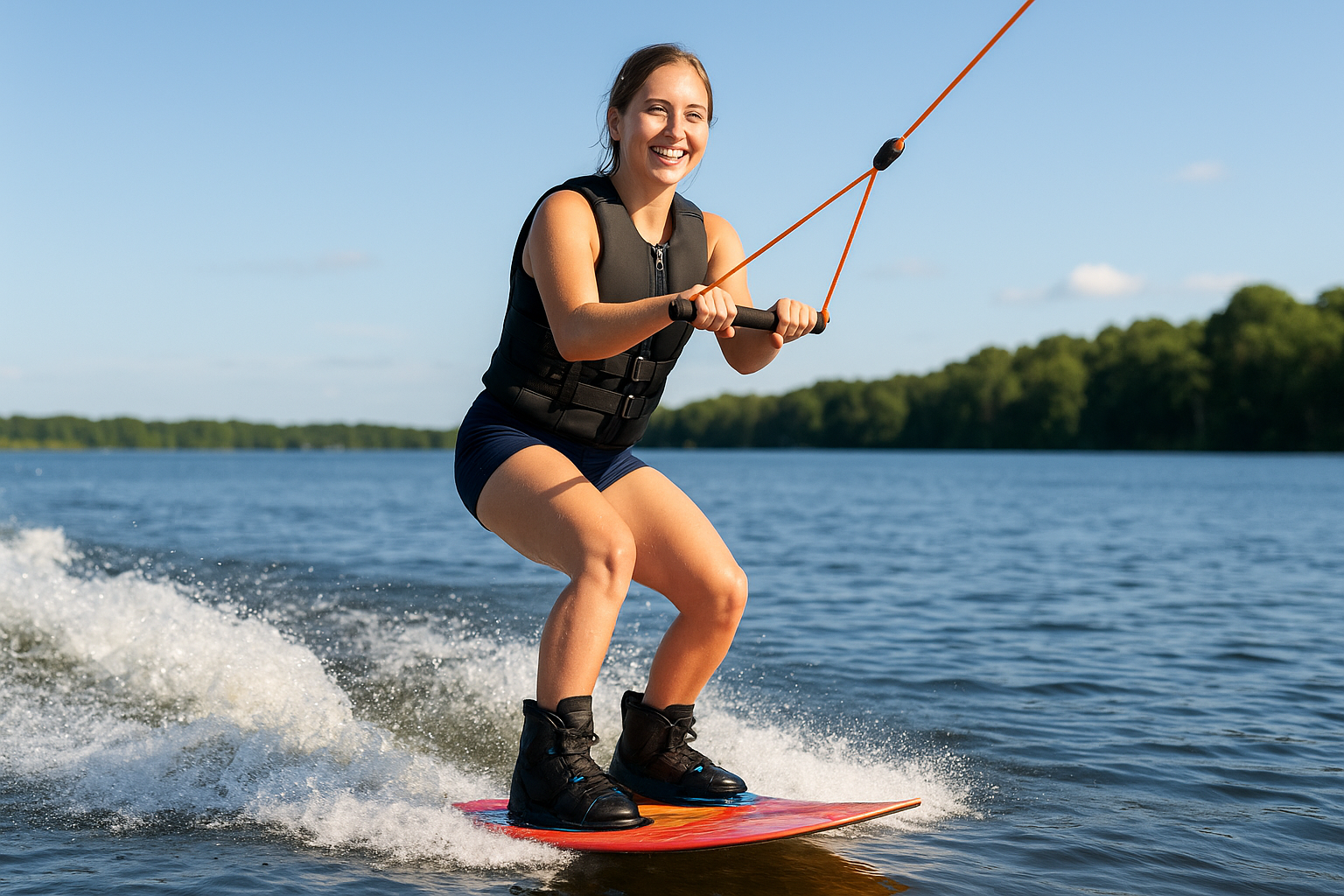
When in doubt, size up. A beginner on a slightly longer board will progress faster than one who is constantly fighting to stay balanced.
Common fit mistakes to avoid for first-timers
The most common error first-timers make is choosing a board based on appearance rather than what actually fits their weight. Another frequent mistake is borrowing a friend’s board without checking the size, then assuming their struggles are a skill problem when it’s really an equipment problem. Always verify the weight range printed on the board or listed on the manufacturer’s spec sheet before you strap in.
2. Intermediate all-around boards
When you’ve got the basics down and want more response from your board, Connelly’s intermediate lineup gives you a noticeable step up in performance. The Connelly Surge and Reverb are the standout models here, offering a balance between forgiveness and a sharper, more reactive feel on the water.
Models and rider weight ranges
The table below lays out the standard size recommendations from the Connelly wakeboard size chart for their intermediate all-around models.
| Model | Length | Rider Weight |
|---|---|---|
| Connelly Surge | 134 cm | Up to 160 lbs |
| Connelly Surge | 140 cm | 140–200 lbs |
| Connelly Reverb | 136 cm | Up to 170 lbs |
| Connelly Reverb | 142 cm | 160–220 lbs |
What changes when you move up from a beginner board
Intermediate boards use more aggressive rocker profiles and sharper edges compared to beginner shapes. You’ll notice the board responds faster to your weight shifts, which means sizing precision matters more at this level.
Choosing the wrong size on an intermediate board is more punishing because the sharper design leaves less room for error than a beginner model would.
Picking a size for faster progression and more pop
At the intermediate level, your riding goals should guide your size choice as much as your weight does. If you’re focused on boosting higher off the wake, stay in the middle of your weight range rather than pushing toward the top end, where extra board length can slow down your pop timing.
3. Continuous rocker and fast-ride boards
Continuous rocker boards have a smooth, uninterrupted curve from tip to tail, which gives them a faster, more predictable ride than three-stage designs. Connelly’s Optimus and Bella models fall into this category, built for riders who want consistent speed through the wake and a carvy, fluid feel on the water.
Models and rider weight ranges
The table below pulls from the connelly wakeboard size chart for their continuous rocker models so you can match your weight to the correct length before you hit the water.
| Model | Length | Rider Weight |
|---|---|---|
| Connelly Optimus | 137 cm | Up to 175 lbs |
| Connelly Optimus | 143 cm | 160–230 lbs |
| Connelly Bella | 134 cm | Up to 150 lbs |
| Connelly Bella | 138 cm | 130–180 lbs |
Why continuous rocker changes the "right" size feel
Continuous rocker boards carry more speed through the wake, which makes them feel livelier than a three-stage board of the same length. Because of this, you may find that sizing toward the lower end of your weight range still feels plenty stable.
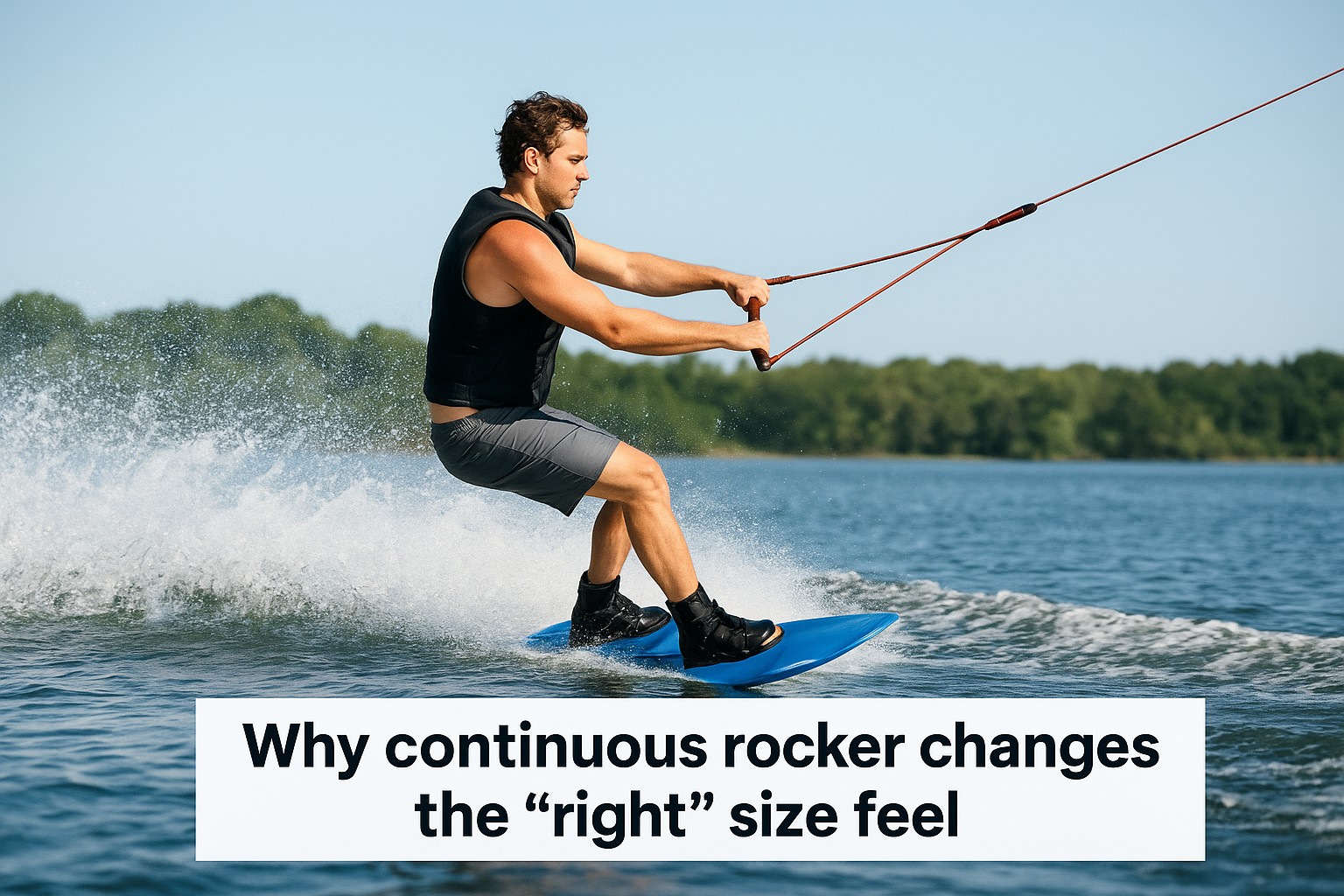
If you’re used to a three-stage board, expect the same size to feel faster and slightly looser underfoot.
Sizing tips for speed, edging, and softer landings
A longer continuous rocker board gives you a bigger edge to work with, which translates to better hold during hard carves. Shorter lengths reward aggressive riders who want quick response and tighter turns, but they require more precise weight distribution on landings.
4. Advanced and pro-level boards
At this level, you already know how a board should feel, which makes the Connelly wakeboard size chart a starting point rather than the final word. The Connelly Voodoo and Reverb Pro are built for riders who push hard at the wake and expect precise, immediate feedback from their equipment.
Models and rider weight ranges
Advanced boards run narrower and stiffer than recreational shapes, so weight-to-length matching stays critical even when you have the skills to compensate for minor sizing errors.
| Model | Length | Rider Weight |
|---|---|---|
| Connelly Voodoo | 138 cm | Up to 185 lbs |
| Connelly Voodoo | 144 cm | 170–240 lbs |
| Connelly Reverb Pro | 140 cm | Up to 190 lbs |
| Connelly Reverb Pro | 146 cm | 175–250 lbs |
When to size down for control vs size up for stability
Sizing down gives you faster edge-to-edge response and tighter rotation on tricks, making it the right call when your riding prioritizes technical performance. Size up when you ride large, steep wakes or spend most sessions hitting big air where a stable landing platform matters more than quick transitions.
If you land hard and often, the extra surface area of a longer board will reduce cumulative impact on your knees over a full day on the water.
How riding style and wake size affect length choice
Your wake size and boat speed directly influence which end of the size range suits you best. Riders behind large boats with tall, steep wakes benefit from a shorter board because the wake does more of the work. Behind a smaller boat with a flatter wake, a longer board helps you generate momentum and hold clean lines through the flats.
5. Big rider and special-fit options
Riders over 230 lbs need boards with real surface area and structural rigidity, not just the longest option in the standard lineup. Connelly builds dedicated models that hold up under heavier loads without sacrificing edge control.
Models and rider weight ranges
The Connelly Links and Surge Max are the primary options for bigger riders, and both sit at the top end of the connelly wakeboard size chart with extended lengths designed specifically for heavier weights.
| Model | Length | Rider Weight |
|---|---|---|
| Connelly Links | 147 cm | 200–275 lbs |
| Connelly Surge Max | 150 cm | 230–300 lbs |
How to pick a board when you want more surface area
More surface area keeps you higher on the water plane, which reduces drag and makes getting up from a dead stop much easier. If your weight sits at the upper end of the Links range, move straight to the Surge Max rather than staying on a board working too hard to support you.
A board that’s undersized for your weight will feel sluggish and wear you out faster, regardless of your skill level.
Extra checks before you buy: stance, boots, and fit
Board length is only part of the equation. Binding size and stance width need to match your boot size and shoulder width, or you’ll stress your knees and ankles unevenly. Confirm that the boots rated for your weight class are compatible with the board’s insert pattern before buying.
Run a quick checklist before committing to a purchase:
- Verify binding compatibility with the board’s insert spacing
- Check that your boot size falls within the recommended range
- Confirm your natural stance width fits the board’s usable insert range
Ready to pick your size
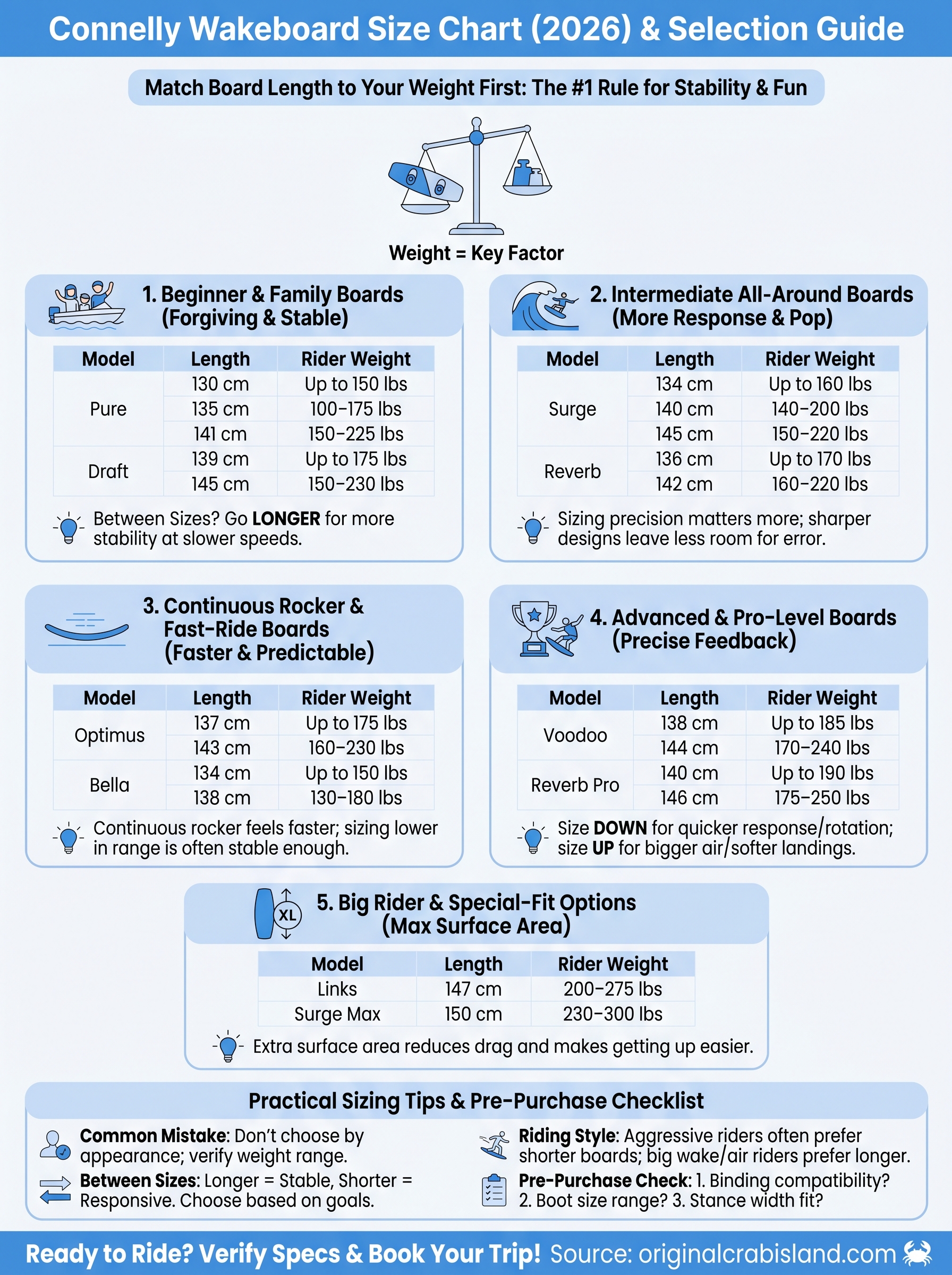
You now have everything from the connelly wakeboard size chart laid out in one place, covering beginner shapes all the way through big-rider options. The core rule stays the same across every model: match your board length to your weight first, then adjust based on your skill level and riding goals. When you fall between two sizes, lean toward the longer option if stability is your priority, or the shorter one if you want quicker response and tighter control.
Before you book your next trip or place an order, run through your weight range, confirm your binding compatibility, and double-check your stance width against the board’s insert spacing. Getting those three things right means you’ll spend your time on the water actually riding instead of fighting your equipment. If you’re planning a trip to the Florida Panhandle, book a water activity rental in Destin and put your sizing knowledge to work on the Emerald Coast. For more options, explore our Services page.
Popular Crab Island Pages
- Crab Island Pontoon Rentals
- Crab Island Fishing Charters
- Crab Island Boat and Yacht Rentals
- Crab Island Parasailing
- Crab Island Jet Ski Rentals
- Crab Island Helicopter Rides
- Crab Island Snorkeling Tours
- Crab Island Paddleboard Rentals
- Crab Island Kayak Rentals
- Crab Island Bike Rentals
- Crab Island Shark Boat
- Crab Island Pirate Ship
- Crab Island Tiki Rentals
- Crab Island Snorkeling Tours