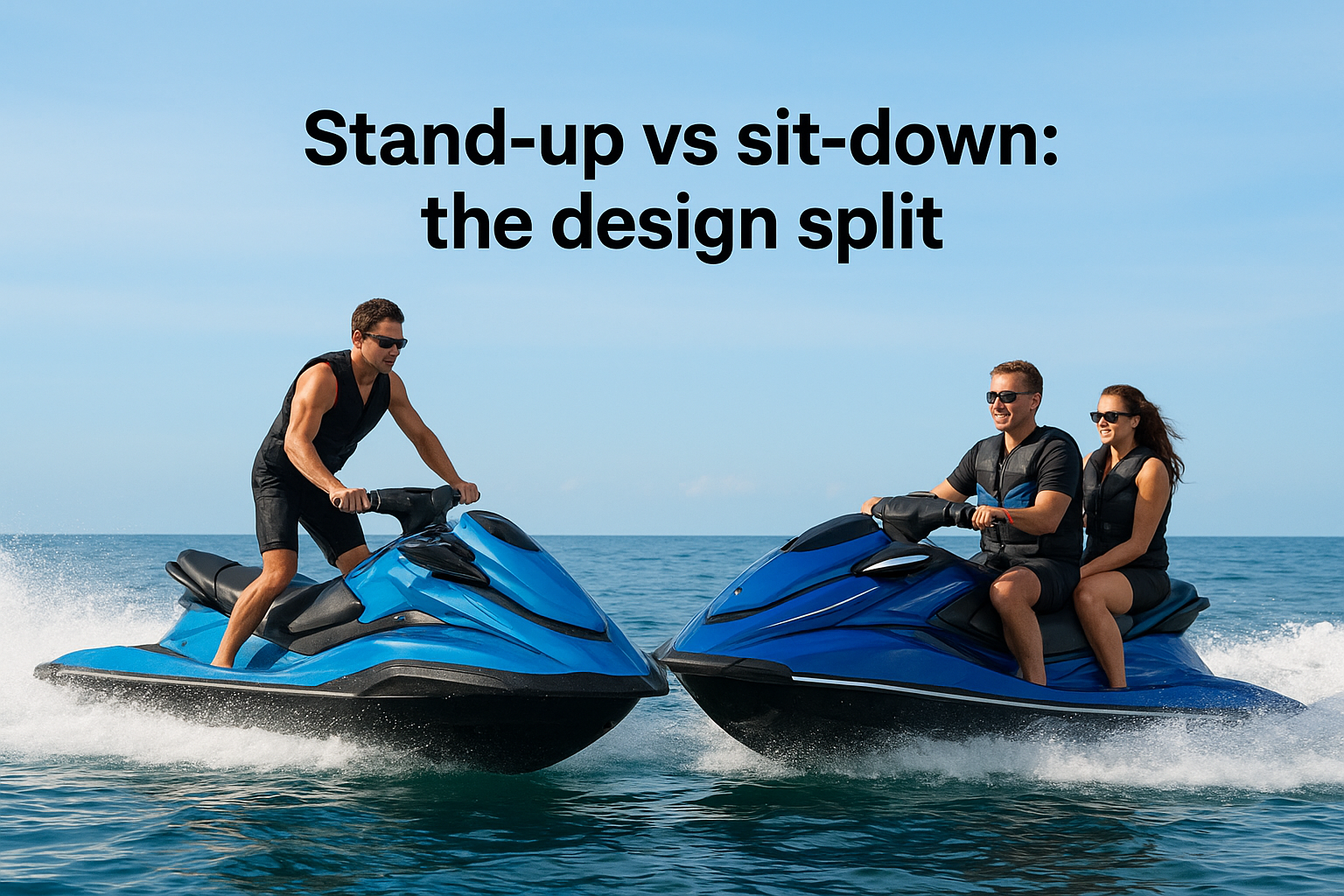
Renting a jet ski in Destin sounds like the perfect way to explore Crab Island and the Emerald Coast, until you realize there’s a rulebook involved. Understanding Florida personal watercraft laws isn’t just about avoiding fines; it’s about keeping yourself and everyone around you safe on the water.
Whether you’re a first-time rider or bringing the whole family out for some fun, Florida has specific regulations covering who can operate a PWC, what certifications you need, life jacket requirements, and when you’re allowed to ride. Missing even one detail can turn an exciting day into an expensive headache, or worse, a dangerous situation.
At Original Crab Island, we help visitors navigate these rules every day through our jet ski rentals in Destin. This guide breaks down everything you need to know before hitting the water, from age restrictions to required safety courses, so you can focus on the fun part.
Why Florida PWC laws matter
Florida’s waters attract millions of visitors each year, and personal watercraft account for a significant portion of boating accidents and injuries in the state. These laws exist because jet skis can reach speeds over 60 mph, operate in shallow waters where swimmers gather, and require split-second decision making. You’re not just protecting yourself when you follow the rules; you’re protecting every person sharing the water with you.
Safety consequences of ignoring PWC regulations
Accidents happen fast on a jet ski. Collision injuries involving personal watercraft tend to be more severe than other boating accidents because riders have no protective barrier between them and the water, other boats, or fixed objects. Florida law enforcement and the Coast Guard report that operator inexperience and failure to follow basic safety rules cause the majority of PWC incidents. When you skip required safety courses or let someone underage operate a rental, you’re gambling with real consequences that can include serious injury or death.
Florida Fish and Wildlife Conservation Commission data shows that personal watercraft accidents consistently rank among the top types of boating incidents in the state.
Financial and legal penalties you face
Breaking Florida personal watercraft laws costs you money, and sometimes much more. First-time violations for operating without proper certification can result in fines starting at $250, plus mandatory court appearances and points on your driving record. Rental companies hold you financially responsible for any violations that occur while you’re operating their equipment. If your violation causes an accident, you’re looking at potential civil liability, criminal charges, and skyrocketing insurance rates. Local law enforcement actively patrols popular areas like Crab Island, and they know exactly what to look for when spotting illegal operation.
Who can operate or rent a PWC in Florida
Florida personal watercraft laws set clear age limits and education requirements that affect both operators and rental companies. You can’t just hand the keys to anyone who wants to ride, and rental companies face serious liability if they allow unqualified operators on their equipment. Understanding these requirements protects you from legal trouble and ensures everyone stays safe on the water.
Age requirements for PWC operators
You must be at least 14 years old to legally operate a personal watercraft in Florida. Anyone born on or after January 1, 1988 needs to complete an approved boating safety course and carry their certification while operating. Children under 14 cannot operate a PWC under any circumstances, even with adult supervision. Rental companies won’t let you rent to minors, and they verify both age and certification status before handing over the keys.
Florida law makes no exceptions to the 14-year minimum age requirement for PWC operation.
Boating safety education requirements
Your Florida Boater Education Card proves you completed an approved safety course through the Fish and Wildlife Conservation Commission or a National Association of State Boating Law Administrators (NASBLA) approved provider. The course covers navigation rules, safety equipment, and proper PWC operation. You only need to take the course once, and your certification remains valid for life.
What safety gear Florida requires on PWCs
Florida personal watercraft laws mandate specific safety equipment that you must have on board before leaving the dock. Rental companies check this gear before you take off, but understanding what’s required helps you verify everything yourself. Missing even one required item can result in fines and having your ride cut short by marine patrol.
Life jacket requirements for PWC riders
Every person on your personal watercraft must wear a Coast Guard approved Type I, II, or III life jacket at all times while the engine is running. Florida law doesn’t allow you to simply have PFDs on board; they must be properly fastened and worn. Inflatable life jackets don’t count as approved devices for PWC operation. Children under six years old need properly sized jackets that fit their weight and chest measurements.
Florida requires life jackets to be worn, not just carried, on all personal watercraft.
Additional required safety equipment
Your PWC must have a functioning engine cutoff switch (lanyard) that attaches to your wrist or life jacket, stopping the engine if you fall off. You also need a sound producing device like a whistle or horn that’s audible for at least half a mile. Fire extinguishers aren’t required on PWCs because they’re considered open vessels, but you must have proper ventilation.
Where and when you can ride a PWC in Florida
Florida personal watercraft laws restrict both the times and locations where you can legally operate a jet ski. These rules protect swimmers, wildlife, and other boaters in areas where PWCs pose the greatest risk. Understanding these boundaries keeps you legal and helps you plan your ride around Destin’s most popular spots.
Time restrictions for PWC operation
You cannot operate a personal watercraft between sunset and sunrise in Florida. Law enforcement defines these times by official National Weather Service data, not by when it "looks dark" outside. Violating this rule carries mandatory fines and potential equipment seizure.
Rental companies often won’t let you take equipment out near sunset to ensure you return before the legal cutoff. This protects both you and their business from violations and liability.
Florida prohibits all personal watercraft operation during nighttime hours for safety reasons.
Location and distance requirements
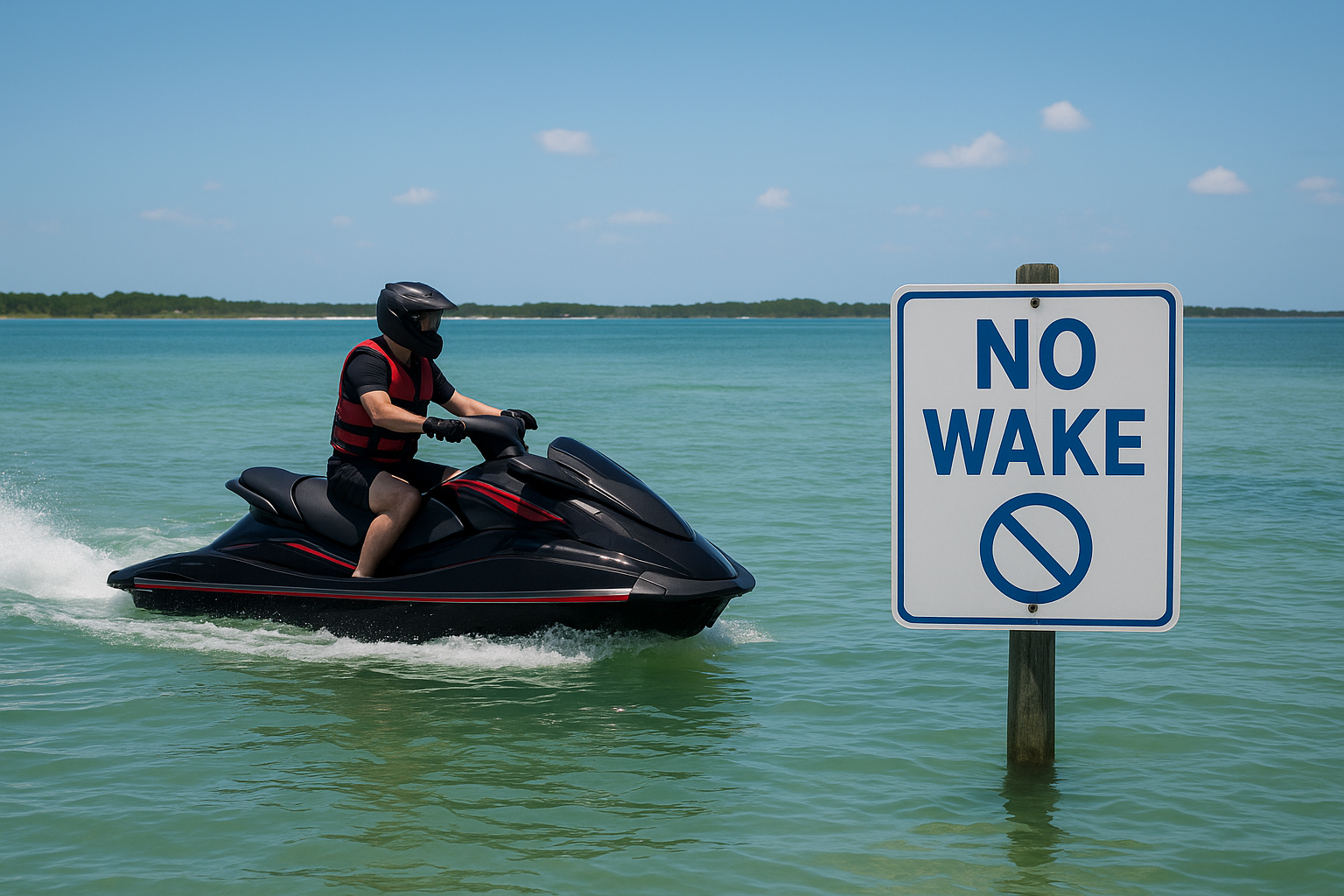
You must stay at least 50 feet away from other vessels, people in the water, and fixed structures unless you’re traveling at idle speed. No-wake zones require the slowest possible speed while maintaining steerage, typically 5 mph or less. Certain areas around Destin completely prohibit PWC operation, including marked swimming zones and protected wildlife areas.
Operating within 100 feet of military or commercial vessels violates federal law under any circumstances. Local authorities actively patrol these restricted zones around Crab Island and Destin Harbor.
How to stay compliant when renting in Destin
Rental companies in Destin take Florida personal watercraft laws seriously because they face steep penalties for allowing unqualified operators on their equipment. You need to come prepared with specific documents and be ready for a verification process before you get the keys. Understanding what rental companies check saves you time at the dock and prevents last-minute disappointments when you show up without the right credentials.
What documents you must bring
You need valid government-issued photo identification that proves you meet the minimum age requirement of 14 years old. Anyone born on or after January 1, 1988 must also present their Florida Boater Education Card or an equivalent NASBLA-approved certification. Rental companies scan or photograph these documents for their records and liability protection. Your driver’s license alone doesn’t qualify as boating certification, even if you’ve rented jet skis before in other states.
Rental companies cannot legally allow you on a PWC without proper age verification and boating certification.
What rental companies verify before departure
Rental staff walk you through a mandatory safety briefing that covers basic operation, local no-wake zones, and emergency procedures. They fit you with an approved life jacket and verify the engine cutoff lanyard works properly. Most companies require you to sign a liability waiver acknowledging you understand all restrictions on time, location, and operation.
Before you head to Crab Island
Florida personal watercraft laws protect everyone enjoying the Emerald Coast, from first-time visitors to experienced riders. You now know the age requirements, certification rules, mandatory life jacket regulations, and operational restrictions that keep you legal on the water. Checking off these requirements before you arrive saves you from turning away at the dock or facing citations from marine patrol during your ride.
Rental companies handle most of the safety equipment and verification process, but you control whether you show up with proper identification and boating certification. Double-checking your documents the night before prevents disappointment when you’re ready to explore the crystal-clear waters around Destin. Weather conditions and local regulations can change, so confirm your rental details and any area-specific restrictions with your operator.
Original Crab Island provides fully compliant jet ski rentals with all required safety equipment and comprehensive briefings before you launch. Our staff verifies your credentials, walks you through proper operation, and points out the best spots to ride while staying within legal boundaries.
Planning a bachelor party doesn’t mean you have to wait until the sun goes down to start the celebration. Some of the best daytime bachelor party ideas keep the crew active, entertained, and building memories long before happy hour rolls around. Whether you’re looking for adrenaline-fueled adventures or something more laid-back, daytime activities set the tone for an unforgettable send-off.
Destin, Florida, delivers exactly what a bachelor party needs: crystal-clear Gulf waters, miles of white sand beaches, and enough outdoor activities to fill an entire weekend. From jet skis and pontoon boats to deep-sea fishing charters, the Emerald Coast offers group experiences that go way beyond the typical bar crawl. At Original Crab Island, we specialize in getting groups out on the water with top-notch gear and straightforward booking, so you can focus on celebrating, not logistics.
This guide breaks down nine daytime bachelor party ideas perfect for a Destin getaway. You’ll find options for every type of group, whether the groom wants high-speed thrills on the water or a relaxed afternoon cruising to Crab Island. Let’s get into it.
1. Rent a pontoon and spend the day at Crab Island
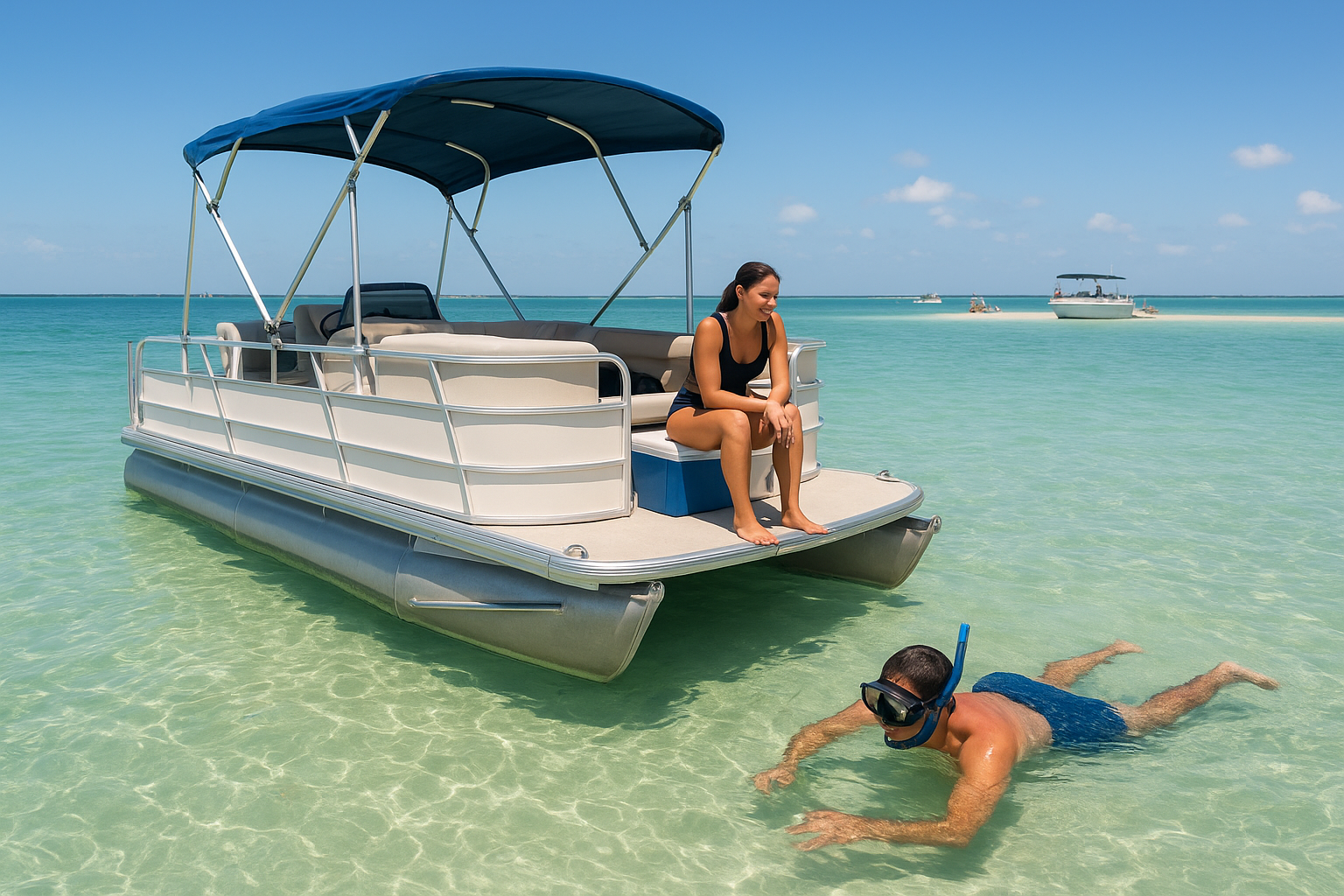
Crab Island sits at the top of most daytime bachelor party ideas in Destin for good reason. You get shallow emerald water, floating vendors, and a sandbar scene that runs all day long. Your crew can anchor up, jump off the boat, toss around a football, and drink cold beers while standing waist-deep in the Gulf. It’s social, easy to manage, and gives everyone space to do their own thing without splitting up the group.
Why it works for a daytime bachelor party
This activity keeps the bachelor party together without forcing anyone into a rigid schedule. You control the departure time, the length of the trip, and how long you stay anchored. The pontoon gives you shade, seating, and a floating home base while Crab Island delivers the party atmosphere. Floating food boats sell burgers, tacos, and drinks, so you don’t need to pack everything yourself. Groups bond naturally when they’re all hanging in the water together, which makes this one of the easiest ways to kick off a bachelor weekend.
Crab Island offers one of the few spots where you can combine a boat rental, a swim-up party scene, and Gulf views into a single daytime activity.
Best time of day and how long to plan
You want to leave the dock between 10 a.m. and noon to claim a good spot before the sandbar fills up. Most groups rent for four to six hours, which gives you time to cruise over, anchor for a few hours, and head back without feeling rushed. Plan for the trip to take about 15 minutes each way from the harbor. Avoid late afternoon if you want calmer water and fewer boats jockeying for space.
Group size, vibe, and who will love it
Pontoons work best for groups of six to twelve people, depending on the boat size. The vibe stays relaxed and social, with plenty of room to move around, drink, and jump in the water. This activity fits bachelor parties that want low-key fun with flexibility. If your groom loves being on the water but doesn’t need nonstop action, this nails it.
Estimated budget per person
Expect to pay $50 to $100 per person for a half-day pontoon rental, depending on group size and boat capacity. Add another $20 to $30 per person for food and drinks from floating vendors. Fuel usually runs around $30 to $50 total, split across the group.
What to bring and key safety rules
Pack sunscreen, towels, a cooler with ice, and plenty of water. Bring cash for the floating vendors since most don’t take cards. Life jackets come with the rental, and you need to wear them if you’re operating the boat or if anyone’s under 18. Designate a sober driver before you leave the dock and avoid anchoring too close to other boats.
2. Do a guided jet ski ride on the bay
A guided jet ski ride through Destin Harbor and along the Emerald Coast delivers high-speed thrills and Gulf views without requiring any experience. Your crew follows an instructor who knows the best routes, the safest channels, and where to open up the throttle. You get adrenaline and scenery packed into one activity, which makes it one of the most popular daytime bachelor party ideas for groups that want action on the water.
Why it works for a daytime bachelor party
Jet ski tours keep the energy high and the group engaged without demanding hours of commitment. You ride in a pack, which creates a shared experience with built-in competition. Groups can race each other on straightaways, follow the guide through harbor traffic, and stop for photos near landmarks. The guide handles navigation and safety, so you focus on riding hard and having fun. This activity works for bachelor parties that want something more intense than a pontoon float but don’t need an all-day commitment.
Guided jet ski tours let you push speed limits safely while exploring parts of Destin Harbor most visitors never see.
Best time of day and how long to plan
Book a tour between 9 a.m. and 11 a.m. to beat afternoon heat and catch calmer water. Most tours run 60 to 90 minutes, which includes a safety briefing, gear setup, and the ride itself. You spend about 45 minutes on the water, covering miles of coastline and harbor channels.
Group size, vibe, and who will love it
Tours accommodate groups of four to ten riders, depending on availability. The vibe runs high-energy and competitive, perfect for bachelor parties that want speed and action. Grooms who love motorsports, water sports, or anything with a throttle will dominate this activity.
Estimated budget per person
Expect to pay $120 to $150 per person for a guided tour. This covers the jet ski rental, fuel, safety gear, and the guide. Some operators offer group discounts for parties of six or more.
What to bring and key safety rules
Bring sunglasses with a strap, sunscreen, and swimwear that won’t come off during high-speed turns. Wear the provided life jacket the entire ride. Follow the guide’s instructions, maintain safe distances between riders, and avoid alcohol before or during the tour.
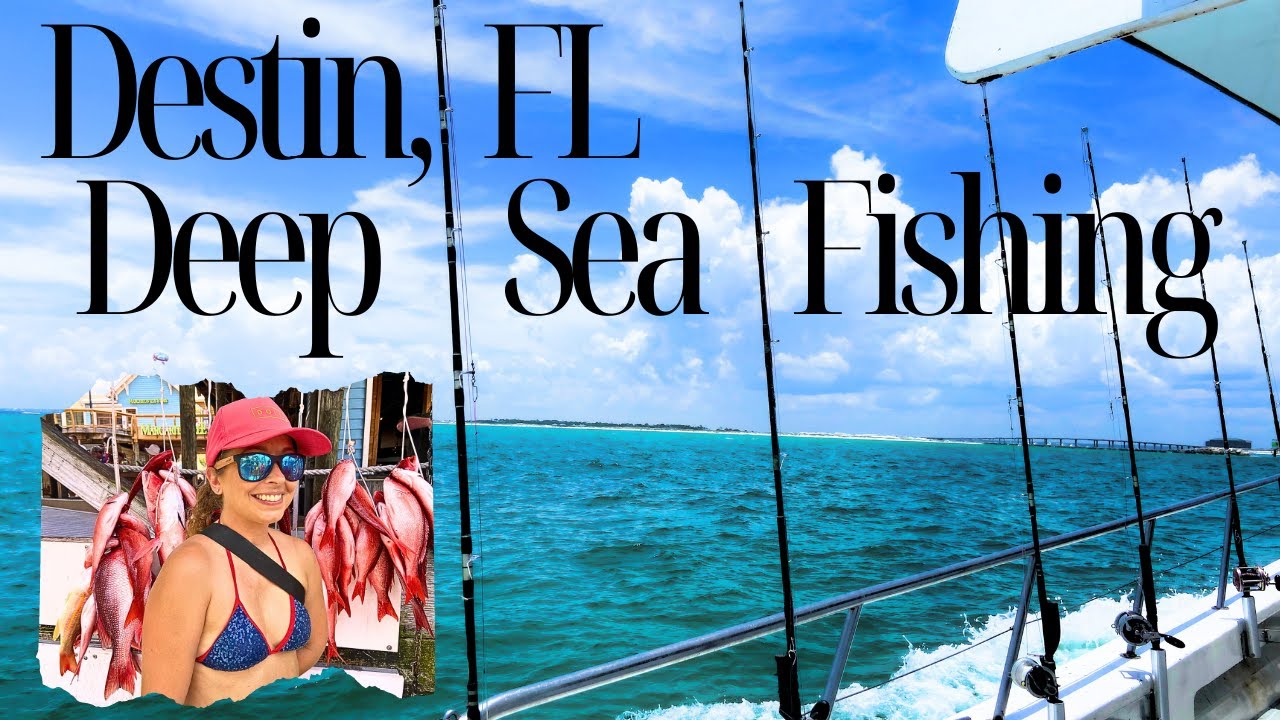
3. Book a morning deep sea fishing charter
A deep sea fishing charter gets your bachelor party off the dock early and out into Gulf waters where bigger fish live. You leave while the sun rises, spend hours trolling for mahi-mahi, grouper, or red snapper, and return with fresh catches and sea stories before lunchtime. Chartered fishing trips combine competition, skill, and the kind of downtime that lets guys talk without distractions. This ranks high among daytime bachelor party ideas for groups that want something physical and rewarding.
Why it works for a daytime bachelor party
Fishing charters create natural camaraderie through shared challenges. Your crew competes to land the biggest fish while bonding over early morning beers and Gulf sunrises. The captain and crew handle navigation, bait, and filleting, so you focus on reeling in catches. Groups walk away with fresh fish for a cookout and photos of whoever caught the trophy haul. Bachelor parties that want a mix of competition and relaxation find this activity hits both.
Morning fishing charters deliver trophy catches and quiet Gulf time before most people finish breakfast.
Best time of day and how long to plan
Book a charter that leaves between 6 a.m. and 7 a.m. to reach productive fishing spots by sunrise. Most trips run four to six hours, returning you to the dock before noon. You spend three to four hours actively fishing, with travel time making up the rest.
Group size, vibe, and who will love it
Charters accommodate groups of six to twelve, depending on boat size. The vibe stays competitive but laid-back, perfect for bachelor parties that want morning action without chaos. Grooms who fish regularly or want to try something new will dominate this activity.
Estimated budget per person
Expect to pay $80 to $150 per person for a half-day charter. This covers the boat, crew, tackle, and bait. Some captains charge extra for fish cleaning.
What to bring and key safety rules
Bring sunscreen, polarized sunglasses, and motion sickness medication if anyone gets seasick. Wear closed-toe shoes with grip. Follow the captain’s instructions, watch your footing on wet decks, and avoid alcohol until you’re back on land.
4. Go parasailing for big views and big laughs
Parasailing launches your bachelor party 800 feet above the Gulf for views that stretch across miles of emerald water and white sand beaches. You get strapped into a harness, the boat accelerates, and you lift off the deck as the parachute fills with wind. The entire experience delivers adrenaline during takeoff, serenity in the air, and laughter when you splash down. This activity stands out among daytime bachelor party ideas because it pushes comfort zones without requiring athletic ability or experience.
Why it works for a daytime bachelor party
Parasailing creates instant photo opportunities and stories that last long after the trip ends. Your crew watches from the boat while each rider soars above the water, which builds anticipation and friendly trash talk. The contrast between nervous energy before launch and calm confidence in the air makes this activity memorable. Groups bond over shared nerves and celebrate together when everyone survives the splashdown.
Parasailing delivers bucket list views and genuine thrills without demanding hours of your bachelor party schedule.
Best time of day and how long to plan
Schedule your flight between 9 a.m. and noon for calmer winds and better visibility. Each session takes 60 to 90 minutes total, including boat travel and safety briefings. Your actual flight time runs 10 to 15 minutes per person.
Group size, vibe, and who will love it
Most operators handle groups of six to ten, with riders going up individually or in pairs. The vibe stays exciting and supportive, perfect for bachelor parties that want quick thrills with built-in bragging rights.
Estimated budget per person
Expect to pay $80 to $120 per person for a standard flight. Photo packages add $20 to $40.
What to bring and key safety rules
Bring waterproof sunscreen and secure your phone or leave it on the boat. Wear swimwear and shoes you can kick off. Follow crew instructions during takeoff and landing, and avoid parasailing after drinking alcohol.
5. Take a private dolphin and harbor cruise
A private dolphin and harbor cruise combines wildlife watching with coastal sightseeing in a relaxed setting that works for any bachelor party pace. Your group boards a chartered boat, cruises through Destin Harbor past fishing fleets and luxury yachts, then heads into open water where dolphins swim alongside the boat. You get close-up views of marine life, photo opportunities with the Gulf as backdrop, and narration from a captain who knows where dolphins feed and play. This ranks among the most chill daytime bachelor party ideas for crews that want something memorable without physical demands.
Why it works for a daytime bachelor party
Dolphin cruises deliver consistent entertainment without requiring effort from your group. Everyone stays on board, drinks in hand, watching dolphins surface and jump near the boat. The harbor tour adds local context and gives you views of Destin’s waterfront that you miss from land. Bachelor parties that want a break from high-intensity activities find this cruise resets the energy while keeping everyone together.
Private dolphin cruises offer guaranteed wildlife encounters and Gulf views without the physical commitment of fishing or water sports.
Best time of day and how long to plan
Book your cruise between 10 a.m. and 2 p.m. when dolphins feed most actively. Most trips run 90 minutes to two hours, covering both the harbor tour and dolphin watching.
Group size, vibe, and who will love it
Private charters accommodate groups of six to twenty, depending on boat size. The vibe stays relaxed and social, perfect for bachelor parties that want easy conversation and scenic downtime.
Estimated budget per person
Expect to pay $40 to $70 per person for a private charter. Larger groups split costs more efficiently.
What to bring and key safety rules
Bring cameras, sunscreen, and drinks if the charter allows outside beverages. Wear non-slip shoes and follow captain instructions when moving around the boat.
6. Plan a beach day at Henderson Beach with games
Henderson Beach State Park delivers 900 feet of protected Gulf shoreline with space to set up a full bachelor party base camp for the day. You claim a spot early, anchor your coolers and chairs in the sand, and spend hours rotating between beach games, swimming, and cold drinks. The park stays less crowded than public beaches while offering facilities like restrooms, showers, and pavilions. This lands among the most budget-friendly daytime bachelor party ideas for groups that want flexibility without sacrificing quality beach access.
Why it works for a daytime bachelor party
Beach days give your crew freedom to split up and regroup naturally throughout the day. Some guys play spikeball or cornhole while others swim or nap under umbrellas. You control the schedule, the activities, and the vibe without coordinating with vendors or captains. Groups bond over competitive beach games and shared downtime between rounds. Henderson Beach provides natural scenery and photo backdrops that beat generic hotel pools.
Henderson Beach combines pristine Gulf access with bachelor party flexibility that structured tours can’t match.
Best time of day and how long to plan
Arrive between 8 a.m. and 9 a.m. to secure prime spots before the park fills. Plan for four to six hours on-site. You pay the $6 entrance fee per vehicle at the gate.
Group size, vibe, and who will love it
This works for groups of six to twenty. The vibe stays casual and social, perfect for bachelor parties that want relaxed competition and Gulf views.
Estimated budget per person
Expect to spend $10 to $20 per person covering park entry, food, and drinks. Game equipment adds $20 to $50 total if you need to buy it.
What to bring and key safety rules
Pack beach games, coolers with ice, sunscreen, and plenty of water. Bring trash bags and follow park rules. Avoid glass containers and respect other beachgoers sharing the space.
7. Play a round of golf or hit a driving range
Golf fits naturally into daytime bachelor party ideas for groups that want friendly competition without getting soaked or sunburned. Destin offers several courses with Gulf views and challenging layouts that test your swing while keeping the atmosphere relaxed. You can book a full 18-hole round for competitive players or hit a driving range where everyone smashes balls without worrying about scorecards. The pace stays flexible, drinks flow throughout the round, and your crew gets hours of conversation between shots.
Why it works for a daytime bachelor party
Golf creates natural downtime between swings where your group talks, jokes, and bonds without forced interaction. You compete hole-by-hole while maintaining social flow that structured activities can’t match. Driving ranges work for mixed skill levels since everyone focuses on distance and form rather than keeping score. Bachelor parties that want relaxed competition with built-in breaks find golf delivers exactly that.
Golf keeps bachelor parties engaged for hours without demanding constant physical effort or nonstop energy.
Best time of day and how long to plan
Tee times between 8 a.m. and 10 a.m. beat afternoon heat and slower play. A full round takes four to five hours, while driving range sessions run 60 to 90 minutes.
Group size, vibe, and who will love it
Golf accommodates groups of four to sixteen across multiple foursomes. The vibe stays casual and competitive, perfect for grooms who golf regularly or want low-key daytime activity.
Estimated budget per person
Expect to pay $50 to $100 per person for 18 holes including cart rental. Driving ranges cost $15 to $30 for bucket rentals.
What to bring and key safety rules
Bring golf shoes, sunscreen, and plenty of water. Rent clubs if anyone doesn’t own a set. Follow course pace-of-play rules and avoid excessive drinking until the back nine.
8. Do a bike ride with stops in Destin hotspots
Bike rides transform daytime bachelor party ideas into active tours that cover more ground than walking while keeping the pace social. You rent bikes, map a route through Destin’s boardwalks, harbor district, and coastal neighborhoods, then stop at breweries, taco stands, or beach access points along the way. Your crew stays together while burning calories that justify the beers you drink at each stop. This activity combines exercise, exploration, and drinking without the cost or commitment of boat rentals.
Why it works for a daytime bachelor party
Biking keeps energy levels steady while creating natural conversation flow between stops. You avoid the sluggish feeling that comes from sitting at bars all day while still hitting multiple locations. Bachelor parties that want to explore Destin beyond the beach find bikes reveal neighborhoods, restaurants, and views they’d miss from a car. The activity stays flexible since you control your route, stop duration, and total mileage.
Bike tours let you cover miles of Destin coastline while building an appetite for seafood and cold drinks at every stop.
Best time of day and how long to plan
Start between 9 a.m. and 10 a.m. to finish before afternoon heat peaks. Plan for three to four hours total, including riding time and stops. You cover 8 to 12 miles depending on your route and fitness levels.
Group size, vibe, and who will love it
This works for groups of four to ten riders. The vibe stays casual and exploratory, perfect for bachelor parties that want active daytime plans with drinking built in.
Estimated budget per person
Expect to pay $20 to $40 per person for bike rentals. Add $30 to $50 for food and drinks at stops.
What to bring and key safety rules
Bring sunscreen, water bottles, and phone mounts for navigation. Wear helmets and follow traffic laws. Avoid heavy drinking until your final stop to keep riding safe.
9. Build a daytime food crawl with seafood and beer
A food crawl lets your bachelor party sample multiple restaurants, bars, and seafood shacks across Destin without committing to one location all day. You map a route hitting four to six spots for appetizers, entrees, and drinks, then walk or Uber between locations. Your crew eats fresh Gulf oysters at one stop, crushes fish tacos at the next, and finishes with cold beers overlooking the harbor. This ranks among the most flexible daytime bachelor party ideas for groups that want great food and social drinking without structured activities.
Why it works for a daytime bachelor party
Food crawls keep your group moving while satisfying different appetites and drinking speeds. You avoid sitting at one table for hours while still getting quality meals and local seafood. Bachelor parties that want downtime between physical activities find this fills afternoons perfectly. Everyone contributes to the route, which creates investment in the experience.
Food crawls let you taste Destin’s best seafood spots while keeping the bachelor party social and mobile throughout the day.
Best time of day and how long to plan
Start your crawl between noon and 1 p.m. to catch lunch specials and avoid dinner crowds. Plan for three to four hours covering four to six locations. Space stops 30 to 45 minutes apart for eating and travel time.
Group size, vibe, and who will love it
This works for groups of four to twelve. The vibe stays social and exploratory, perfect for bachelor parties that want good food with drinking built in.
Estimated budget per person
Expect to spend $50 to $80 per person covering food, drinks, and transportation between stops.
What to bring and key safety rules
Bring cash for quick payments and tips. Designate a sober driver or budget for rideshare costs. Pace alcohol consumption across stops and drink water between locations.
Quick wrap-up
Destin delivers on every type of daytime bachelor party ideas your crew needs, whether you want adrenaline or relaxation on the Emerald Coast. You can hit the water with jet skis and fishing charters, claim beach territory at Henderson Beach, or cruise through town on bikes hitting seafood spots along the way. The Gulf Coast gives you options that keep energy high without forcing everyone into the same rigid schedule, and every activity works for groups that want to bond before the sun sets.
Your bachelor party deserves more than generic tourist traps and overpriced bar tabs that drain wallets without creating real experiences. Original Crab Island specializes in getting groups out on the water with pontoon rentals, fishing charters, and water sports that create the kind of memories you talk about for years. We handle the logistics while you focus on celebrating the groom. Book your bachelor party adventure and lock in the best daytime activities Destin offers before your crew arrives.
Destin sits at the edge of the Gulf of Mexico, where deep underwater canyons attract some of the most prized game fish on the East Coast. If you’re searching for offshore fishing charters Destin has to offer, you’re tapping into a tradition that earned this city the title "World’s Luckiest Fishing Village."
Finding the right charter can make or break your trip. You need a captain who knows where the fish are biting, a boat that’s properly equipped, and a crew that actually delivers on the experience they promise. Price, trip length, and target species all factor into your decision, and not every charter is built the same.
At Original Crab Island, we help visitors experience the best of Destin’s waters, including guided deep-sea fishing trips in the Gulf. We put together this guide to help you compare the top offshore charters operating out of Destin in 2026, so you can spend less time scrolling and more time reeling in your catch.
1. Original Crab Island offshore fishing charters
Original Crab Island operates deep-sea fishing charters that depart directly from Destin Harbor and push into the Gulf’s deeper waters. Your captain knows the underwater structure and seasonal patterns that bring fish into range, and the crew stays focused on putting you on productive water.
Best trip lengths and fishing styles
You can book half-day trips (4-6 hours) that target reef fish and nearshore structure, or full-day excursions (8-10 hours) that venture farther offshore for pelagic species. The crew runs both bottom fishing and trolling techniques depending on what’s biting and what you want to catch.
Longer trips give you access to deeper ledges and more shot opportunities at trophy fish.
Target species and seasonal bite
Expect red snapper, grouper, and amberjack during spring and summer when they stack up over reefs and wrecks. Fall brings king mackerel, wahoo, and mahi-mahi as water temps shift. Winter months producetuna and blackfin when conditions allow for offshore runs.
Who this charter fits best
This charter works well if you’re traveling with family or a mixed group where some anglers have experience and others are trying offshore fishing for the first time. The crew adjusts the pace and instruction based on your skill level.
What’s included and what to bring
Your trip includes all rods, reels, tackle, and bait, plus the captain handles fish cleaning at the dock. You bring your own cooler with ice, food, and drinks, along with sunscreen and any personal gear you prefer.
Typical price range and booking notes
Pricing runs $600 to $1,200 depending on trip length and group size. You book directly through Original Crab Island’s website or by phone, and deposits secure your date during peak season. Cancellations follow standard weather policies with rescheduling options available.
2. Destin Offshore Charters
Destin Offshore Charters runs a fleet of custom sportfishing boats equipped for Gulf runs that target trophy fish. Your captain holds USCG credentials and navigates to productive zones based on real-time conditions and decades of local knowledge.
Best trip lengths and fishing styles
You can book half-day trips (6 hours) that cover reef and wreck structures, or full-day runs (8-12 hours) that push farther offshore for bigger pelagics. The crew uses bottom fishing, trolling, and live bait techniques depending on target species and water conditions.
Target species and seasonal bite
Spring and summer produce red snapper, grouper, triggerfish, and amberjack over structure. Fall brings mahi-mahi, wahoo, and king mackerel as they migrate through. Winter sees blackfin tuna and sailfish when weather permits deeper water trips.
Who this charter fits best
This charter suits experienced anglers looking for consistent action and captains who fish actively rather than just driving the boat. Groups of four to six work best for shared trips.
What’s included and what to bring
Your trip includes all tackle, rods, reels, bait, and fishing licenses, plus fish cleaning at the dock. Bring your own food, drinks, and cooler for the day.
Captains provide instruction but expect you to handle your own gear once you’re shown the basics.
Typical price range and booking notes
Rates run $700 to $1,500 based on trip length and group size. You book online or by calling the dock office, and 50% deposits hold your reservation.
3. Pelican Adventures
Pelican Adventures operates a custom 36-foot Yellowfin built specifically for Gulf fishing and designed to handle open water. The captain runs offshore trips that target productive reefs, ledges, and blue water zones based on current fishing reports and seasonal patterns.
Best trip lengths and fishing styles
You can choose half-day trips (6 hours) that focus on reef species and nearshore structure, or full-day runs (8-10 hours) that venture into deeper offshore waters. The crew runs bottom fishing for reef fish and switches to trolling when conditions favor pelagic species.
Target species and seasonal bite
Summer months bring red snapper, triggerfish, and amberjack over reefs and wrecks. Fall produces mahi-mahi, wahoo, and cobia as they move through the area. Winter targets tuna and sailfish when weather permits extended offshore runs.
Who this charter fits best
This charter works well for small groups of two to four anglers who want a more personalized experience. Families with older kids and serious anglers both find value in the captain’s hands-on approach.
What’s included and what to bring
Your trip includes all rods, tackle, bait, and fishing licenses, plus the crew cleans your catch dockside. You bring your own food, drinks, and cooler, along with sunscreen and weather gear.
Captains provide personalized instruction throughout the trip based on your skill level.
Typical price range and booking notes
Pricing runs $750 to $1,300 depending on trip length. You book by calling directly or through their website, with deposits required for peak season dates.
4. O Sea D Charters
O Sea D Charters runs a 42-foot Hatteras designed for serious Gulf fishing and equipped with Penn International tackle that handles big fish. The captain operates out of Destin Harbor and targets productive offshore zones that consistently produce quality catches.
Best trip lengths and fishing styles
You can book 6-hour trips that cover nearshore reefs and wrecks, or 8 to 12-hour runs that push into deeper Gulf waters. The crew specializes in bottom fishing for reef species and switches to trolling patterns when targeting fast-moving pelagics.
Target species and seasonal bite
Spring and summer deliver red snapper, gag grouper, and greater amberjack over artificial reefs and natural ledges. Fall brings mahi-mahi, blackfin tuna, and king mackerel as they migrate through Destin’s waters. Winter produces wahoo and sailfish when conditions support extended offshore runs.
Who this charter fits best
This charter suits anglers who want a traditional sportfishing experience with proven gear and a captain who knows Gulf structure. Groups of up to six work well for shared trips.
The Hatteras platform provides stability in rough water and room to work multiple lines.
What’s included and what to bring
Your trip covers all tackle, bait, fishing licenses, and dockside fish cleaning. You supply your own food, beverages, and cooler for the day.
Typical price range and booking notes
Rates range from $800 to $1,400 based on trip duration. You book by phone or through their website, with deposits securing your date during peak months.
5. Executive Saltwater Charters
Executive Saltwater Charters operates a 38-foot Contender built for serious Gulf fishing and rigged with Shimano Tiagra reels that handle large offshore species. The captain runs targeted trips that focus on productive zones and adapts techniques based on what’s actively feeding.
Best trip lengths and fishing styles
You can book half-day trips (6 hours) that target reef fish and structure, or full-day runs (10-12 hours) that push into deeper offshore waters. The crew specializes in bottom fishing with live bait and runs trolling spreads when conditions favor pelagic species.
Target species and seasonal bite
Summer produces red snapper, scamp grouper, and amberjack over natural bottom and artificial reefs. Fall brings mahi-mahi, blackfin tuna, and wahoo as they move through the area. Winter targets yellowfin tuna and sailfish during extended offshore runs.
Who this charter fits best
This charter works best for anglers who want quality over quantity and prefer a captain who actively participates in landing fish. Groups of four or fewer get the most attention.
The Contender platform delivers speed to reach productive water faster than most boats.
What’s included and what to bring
Your trip includes all tackle, bait, licenses, and fish cleaning. You bring food, drinks, and ice for your catch.
Typical price range and booking notes
Rates run $850 to $1,500 based on trip length. You book by phone with deposits required for all reservations.
Picking your charter
The best offshore fishing charters Destin offers share a few common traits: experienced captains who know Gulf structure, well-maintained boats with quality tackle, and flexible trip options that match your schedule. You’ll get the most value when you book trips that align with seasonal patterns and target species you actually want to catch during your visit.
Your captain’s local knowledge matters more than boat size or fancy gear. Look for operations that provide clear pricing, realistic expectations, and straightforward policies on weather cancellations. Check what’s included in your rate so you’re not surprised by hidden costs when you reach the dock.
Ready to experience more of what Destin offers beyond fishing? Original Crab Island delivers the complete Emerald Coast experience with activities that extend beyond the offshore bite. Explore Crab Island and surrounding waters through our pontoon rentals, parasailing trips, and guided adventures that show you why visitors keep returning to these Florida Gulf shores.
Redfish rank among the most exciting gamefish along the Gulf Coast, and for good reason. These bronze-backed fighters put up a serious battle on light tackle and frequent the same shallow waters where families wade and boats cruise for the day. Learning how to catch redfish inshore opens up some of the best fishing opportunities Florida has to offer, without venturing miles offshore.
Here in Destin, the Emerald Coast’s backwaters, grass flats, and oyster bars hold healthy populations of redfish year-round. Whether you’re visiting on vacation or looking to add some rod-bending action to your trip, targeting reds in these shallow environments is both accessible and rewarding. At Original Crab Island, we see firsthand how a great day on the water can become the highlight of someone’s vacation, which is exactly why we put together this guide.
Below, you’ll find proven techniques for locating redfish, the best baits and lures to throw, and the specific rigs that consistently produce. We’ll cover where to focus your efforts, what tackle to bring, and how to read the water like a local.
Understanding inshore redfish behavior
Redfish live their lives tied to specific structures and environmental cues that dictate when and where they feed. These copper-backed predators aren’t randomly scattered across the flats. They patrol predictable zones based on tide movement, water temperature, and available forage. Once you understand what drives their behavior, finding them becomes less about luck and more about reading the conditions in front of you.
What drives redfish feeding patterns
Tidal movement controls almost everything redfish do in shallow water. During incoming tides, redfish push into grass flats, oyster bars, and marsh drains to ambush prey that floods in with rising water. They time their feeding to these movements because crabs, shrimp, and baitfish become exposed and vulnerable as water covers structure. Your best fishing happens during the first two hours of an incoming tide when reds actively hunt in water depths ranging from six inches to four feet.
Water temperature plays an equally important role in their activity levels. Redfish feed most aggressively when water temperatures sit between 65 and 75 degrees, which typically occurs during spring and fall along the Emerald Coast. Summer months see them feeding earlier in the morning or later in the evening to avoid midday heat, while winter pushes them into deeper channels and darker-bottomed areas where water holds warmth longer.
How redfish hunt in shallow water
Redfish rely heavily on their sense of smell and the vibration-detecting lateral line running along their bodies. You’ll often see them with their heads tilted down, rooting through soft bottom or oyster rubble for crabs and shrimp. This feeding behavior creates visible mud clouds or nervous water that skilled anglers spot from a distance. They also produce a distinct tailing behavior where their tail fin breaks the surface as they nose down into shallow structure.
"Redfish in skinny water give themselves away through mud, wakes, and tails. Learn to read these signs before you make your first cast."
Sound and disturbance spook redfish quickly in shallow environments. They detect boat motors, footsteps in the water, and poorly placed casts through pressure waves that travel efficiently through thin water columns. Successful anglers approach fishing spots quietly, using trolling motors on low settings or poling into position. When you wade fish, slow, deliberate steps keep pressure waves minimal and prevent alerting entire schools to your presence.
Seasonal movement and timing
Spring brings redfish onto the flats in strong numbers as warming water triggers increased metabolism and feeding. You’ll find them spread across grass beds and near marsh points where baitfish congregate. This season offers some of the most consistent action because fish actively feed throughout the day, not just during narrow windows. Water clarity typically improves during spring, which makes sight fishing particularly productive for targeting cruising schools.
Fall fishing rivals spring as prime redfish season along the Gulf Coast. Cooling water temperatures push bull redfish (fish over 27 inches) back into inshore waters after their summer offshore spawn, while resident fish feed heavily to prepare for winter. Target deep grass edges, channel drop-offs, and areas near passes where larger specimens patrol. During winter months, redfish become more lethargic and concentrate in deeper holes, around docks, and near power plant outflows where water stays warmer. Summer heat drives them to feed during low-light periods, making early morning and late evening the most productive times for how to catch redfish inshore during the hottest months.
Gear that makes inshore redfish easier
Your tackle selection directly impacts your success rate when targeting redfish in shallow water. The right gear lets you cast accurately into tight spots, handle hard-fighting fish in structure-rich environments, and adapt to changing conditions throughout the day. You don’t need expensive equipment to consistently catch reds, but you do need gear matched to the specific demands of inshore fishing.
Rod and reel combinations that handle reds
A medium-power spinning rod between seven and seven and a half feet gives you the casting distance and fish-fighting backbone needed for how to catch redfish inshore. This length provides enough leverage to pull fish away from oyster bars and pilings while maintaining sensitivity to detect subtle bites. Pair your rod with a 3000 or 4000 series spinning reel that holds at least 150 yards of line and features a smooth drag system capable of handling sudden runs.
Look for rods with a fast or moderate-fast action that loads well during the cast but still has enough backbone in the lower section to control fish. Graphite composite rods offer a good balance between sensitivity and durability at reasonable price points. Your reel should feature a sealed drag system to resist saltwater corrosion and at least four ball bearings for smooth retrieves. Brands available through major retailers consistently deliver reliable performance without breaking your budget.
"Match your rod length to where you fish. Longer rods cast farther on open flats, while shorter setups give better control around docks and mangroves."
Terminal tackle and line selection
Spool your reel with 15 to 20-pound braided line for maximum casting distance and direct connection to the fish. Braided line cuts through grass better than monofilament and telegraphs bites instantly because it stretches minimally. Attach a 20 to 30-pound fluorocarbon leader measuring two to three feet long using a double uni knot or FG knot. Fluorocarbon leader provides abrasion resistance against oyster shells and becomes nearly invisible in clear water.
Circle hooks in sizes 1/0 to 4/0 work well for live bait presentations and reduce gut-hooking when you practice catch-and-release. Use inline weights ranging from 1/8 to 1/2 ounce depending on current strength and water depth. Keep a selection of jig heads in matching weight ranges for artificial presentations. Stainless steel snap swivels let you change lures quickly without retying.
Essential tools for handling fish
Carry long-nose fishing pliers to remove hooks safely and bend down barbs for easier releases. A rubber-coated landing net with a generous hoop diameter prevents scale damage and makes landing fish easier in current. Pack a lip-gripping tool for controlling fish during hook removal and photo opportunities. Keep a measuring tape or measuring board in your boat to quickly verify fish length against slot limits, and bring a cooler with ice if you plan to keep your legal catch.
Baits and lures redfish eat year-round
Redfish feed opportunistically on whatever prey moves through their territory, which gives you flexibility in bait and lure selection. Understanding which offerings produce consistent results across different seasons and conditions eliminates guesswork at the tackle shop. Your success in how to catch redfish inshore often comes down to matching your presentation to what redfish naturally encounter in their environment.
Live baits that produce consistently
Live shrimp remain the most reliable bait for redfish throughout the year because they’re abundant in inshore waters and trigger aggressive strikes. Hook a medium shrimp (around three inches long) through the horn between its eyes for maximum action, or through the tail for longer casts. Purchase bait shrimp from local tackle shops the morning of your trip, and keep them alive in a well-aerated bucket with regular water changes.
Finger mullet between three and five inches work exceptionally well during fall and winter when larger baitfish schools move through inshore areas. Hook mullet through both lips for surface presentations or behind the dorsal fin for bottom fishing. Blue crabs, either whole or cut into quarters, produce excellent results around oyster bars and rocky structure where redfish actively hunt crustaceans. Use fresh or recently dead crabs because redfish locate prey primarily through scent in murky water conditions.
"Live shrimp catch redfish in every inshore environment from grass flats to deep channels. Keep them lively and your hookup rate stays high."
Artificial lures that work
Soft plastic paddle tails in three to five-inch lengths consistently fool redfish when worked slowly along the bottom. Rig them on jig heads matching water depth, using lighter weights in skinny water and heavier options in current or deeper channels. Colors mimicking natural prey like white, pearl, and chartreuse produce in clear water, while darker shades like plum and red work better when visibility drops.
Gold and silver spoons flash brightly and create vibration that redfish detect from a distance. Cast spoons past structure and retrieve them with a steady, medium-speed retrieve that produces a wobbling action. Topwater plugs generate explosive surface strikes during low-light periods, particularly in calm conditions when redfish feed aggressively in less than two feet of water. Walk-the-dog style lures and poppers both trigger strikes from aggressive fish.
Matching presentation to conditions
Work baits and lures slowly in cold water when redfish metabolism slows and they’re less willing to chase fast-moving presentations. Speed up your retrieve during warmer months when fish actively pursue fleeing prey. Switch to scent-based offerings like cut bait or live shrimp when fishing stained water where visibility limits the effectiveness of sight-based hunting. Clear water conditions favor artificial lures that mimic natural baitfish movement and color patterns precisely.
Rigs that cover most inshore situations
Rigging your line correctly determines whether your bait reaches redfish at the right depth and presents naturally in current. The rigs below handle most inshore scenarios you’ll encounter when targeting reds, from shallow grass flats to deeper channel edges. Learning to tie these setups quickly lets you adapt to changing conditions without wasting valuable fishing time, and each rig serves a specific purpose based on structure and water depth.
Carolina rig for grass flats
The Carolina rig keeps your bait off the bottom while still maintaining contact with structure where redfish feed. This setup works exceptionally well when fishing how to catch redfish inshore over grass beds because the sliding weight moves through vegetation without snagging while your bait floats above. Thread a 1/4 to 1/2-ounce egg sinker onto your main line, followed by a plastic bead to protect your knot. Tie a barrel swivel to your main line, then attach an 18 to 24-inch fluorocarbon leader to the opposite end of the swivel. Complete the rig by tying your hook to the leader using a Palomar or improved clinch knot.
Cast this rig beyond your target area and retrieve it slowly with periodic pauses. The weight bumps along the bottom while your bait trails behind at mid-water depth, perfectly positioned for redfish cruising over grass. Adjust your leader length based on grass height, using shorter leaders in sparse grass and longer options over thicker beds.
Popping cork setup for live bait
A popping cork rig suspends live bait at a fixed depth while creating surface disturbance that attracts redfish from a distance. Slide a popping cork onto your main line with the concave end facing down, then tie a barrel swivel below it. Attach a two to three-foot fluorocarbon leader to the swivel and complete the setup with a circle hook sized appropriately for your bait.
"Popping corks work surface noise and keep bait visible to redfish feeding in the water column, especially around oyster bars and dock pilings."
Adjust the distance between your cork and hook based on water depth, positioning your bait six inches to one foot off the bottom. After casting, pop the cork sharply with your rod tip to create splashing sounds, then pause for several seconds. This technique mimics feeding baitfish and triggers aggressive strikes.
Jig head rig for versatility
The jig head rig offers the simplest setup for artificial lures and works across all inshore environments. Thread your soft plastic paddle tail or swimbait onto a jig head, ensuring the hook point exits at the top centerline of the bait for proper swimming action. Match jig weight to conditions:
1/8 ounce: Water less than 2 feet, minimal current
1/4 ounce: Water 2-4 feet, light to moderate current
3/8 ounce: Water over 4 feet, strong current or wind
Tie your jig directly to your fluorocarbon leader using a loop knot for maximum action. Cast beyond structure and retrieve with a slow, bouncing motion that keeps your lure near the bottom where redfish actively hunt. Vary your retrieval speed until you determine what triggers strikes on that particular day.
Find redfish inshore: spots and conditions
Location selection separates anglers who consistently catch redfish from those who struggle. Redfish concentrate around specific structures and environmental features that provide ambush points and reliable food sources. Learning to identify these high-percentage areas before you make your first cast dramatically increases your hookup rate and helps you understand how to catch redfish inshore with consistency across different trips.
Target structure that holds baitfish
Oyster bars rank among the most productive redfish habitat because they attract crabs, shrimp, and small baitfish that reds actively hunt. Focus on bars with 18 to 36 inches of water during mid-tide periods, casting your bait along the edges where structure meets sand or grass. You’ll often see nervous water or mud clouds as redfish work these areas, which gives you visual confirmation before you fish.
Grass flats adjacent to deeper channels or cuts hold redfish throughout the day as they move on and off the flats with tidal flow. Target the transition zone where grass meets sand bottom, particularly near points and pockets that create current breaks. During falling tides, position yourself near channel edges and intercept redfish as they retreat from shallow flats into deeper water. Dock pilings and bridge supports provide shade and current breaks while attracting baitfish schools. Cast tight to structure and work your bait parallel to pilings rather than away from them, since redfish often hold within inches of vertical structure.
"Redfish use structure as feeding stations. Find the structure that concentrates prey, and you’ll find actively feeding fish."
Read water conditions before you cast
Water clarity determines your approach and bait selection throughout the day. Clear water conditions allow redfish to inspect your offering closely, requiring natural presentations with fluorocarbon leaders and realistic lure colors. Stained or murky water shifts their reliance to scent and vibration, making live bait and darker-colored artificials more effective. Current speed impacts where redfish position themselves within structure. Moderate current creates defined feeding zones along edges and points, while slack tide spreads fish across larger areas and reduces concentrated feeding activity.
Time your trips around tides and weather
Plan your fishing around incoming tides when water floods onto flats and pushes baitfish into shallow areas where redfish ambush them. The first two hours of rising water produce the most consistent action, particularly on spring tides following new and full moons when tidal range reaches its peak. Overcast days with light wind offer ideal conditions because cloud cover reduces spooking fish in shallow water while slight surface chop breaks up your silhouette. Avoid fishing during extreme temperature swings or immediately after cold fronts when barometric pressure changes shut down feeding activity temporarily.
Hook, fight, and release redfish the right way
Your technique during the hookup, fight, and release determines whether a redfish swims away healthy or suffers injury that reduces survival rates. Proper handling protects the fishery while giving you clean hookups and successful releases that maintain Florida’s excellent redfish population. The steps below keep fish in prime condition whether you plan to release them immediately or measure first for a potential keeper.
Setting the hook and controlling the fight
Circle hooks require a different approach than traditional J-hooks when you’re learning how to catch redfish inshore with live bait. Instead of jerking the rod upward when you feel a bite, simply reel down steadily until you feel solid resistance, then lift the rod to a 45-degree angle. The circle hook design pulls into the corner of the mouth as the fish moves away, creating a secure hookset that rarely results in gut-hooking.
When using artificial lures with standard J-hooks, set the hook with a firm upward sweep of the rod as soon as you feel weight. Keep your rod tip up during the fight to maintain constant pressure and prevent the fish from diving into structure. Redfish make powerful runs during the first few seconds after hookup, so let your drag system do its job rather than locking down and risking a break-off.
"Keep steady pressure throughout the fight. Redfish tire quickly with consistent rod angle and smooth drag, which reduces handling time and stress."
Landing fish without injury
Net your redfish head-first in one smooth motion rather than chasing it around the boat, which exhausts the fish unnecessarily. Rubber-coated nets prevent removing the protective slime layer that shields redfish from infection and disease. If you plan to measure the fish before deciding to keep or release it, leave it in the net while taking length measurements to minimize air exposure.
Avoid these common mistakes that injure fish:
Dragging redfish over rough boat surfaces or oyster shells
Holding fish by the gills or eye sockets
Removing fish from water for extended photo sessions
Using metal lip grips that damage jaw structure
Release techniques that ensure survival
Wet your hands before touching any fish you intend to release because dry hands remove the protective slime coating instantly. Support larger redfish horizontally with one hand under the belly and another gripping the lower jaw if you need to remove a hook. Keep the fish in the water during hook removal whenever possible, lifting it only for quick measurements or a brief photo.
Follow this release sequence for maximum survival rates:
Hold the fish upright in the water facing into current
Move it gently forward and backward to push water through gills
Wait until the fish kicks strongly and attempts to swim away
Release your grip only when the fish shows vigorous tail movement
Exhausted fish need several minutes of revival before they swim off on their own. If a redfish floats or lists to one side after release, continue the forward-backward motion until it regains equilibrium and swims away under its own power.
Plan your next inshore redfish day
You now have the knowledge to consistently locate and catch redfish across the Emerald Coast’s most productive inshore waters. The techniques covered above work throughout the year when you match your approach to tidal movement, seasonal patterns, and the specific structure redfish use for feeding. Success in how to catch redfish inshore comes down to preparation, proper gear selection, and reading conditions before you make your first cast.
Your next step involves getting on the water and putting these strategies into practice. Whether you need a pontoon boat to access grass flats and oyster bars or want to explore Destin’s backwaters on your own schedule, Original Crab Island offers the equipment and local knowledge that turns good fishing days into exceptional ones. Book your rental, load your tackle box with the baits and lures discussed above, and experience firsthand why redfish remain the top inshore target for anglers visiting Florida’s Gulf Coast.
Picture this: crystal-clear turquoise water, sandbars barely breaking the surface, and hundreds of boats anchored together in one of Florida’s most unique gathering spots. If you’re asking what is Crab Island Destin, you’re about to discover why this submerged sandbar has become the must-visit destination on the Emerald Coast.
Crab Island isn’t actually an island at all. It’s a shallow sandbar located in the Choctawhatchee Bay, just north of the Destin Harbor. The water here ranges from ankle-deep to waist-deep, creating a natural floating playground where visitors wade, swim, and socialize right in the middle of the bay. During peak season, you’ll find floating vendors, water trampolines, and a party-like atmosphere that draws thousands of visitors each week.
At Original Crab Island, we’ve helped countless visitors experience this iconic spot firsthand through our pontoon boats, jet skis, and guided tours. This complete guide covers everything you need to know before your visit, from how to actually get there (hint: you need a boat) to the best times to go, what to bring, and activities worth trying once you arrive.
Why Crab Island is worth the trip
Understanding what is Crab Island Destin helps explain why this spot consistently ranks among the top attractions in Northwest Florida. This isn’t your typical beach experience. The combination of shallow, warm water, a vibrant social scene, and unique recreational opportunities creates something you simply can’t replicate at a standard shoreline. Thousands of visitors return year after year, and many consider their Crab Island visit the highlight of their Destin vacation.
The water itself sets it apart
The Choctawhatchee Bay creates perfect conditions for wading and swimming. Water temperatures stay comfortably warm from May through September, often reaching the mid-80s during peak summer months. You can walk around for hours in waist-deep water, making it ideal for families with young children who want to play without deep-water concerns.
"The shallow sandbar creates a natural gathering spot where you can stand, socialize, and cool off without worrying about swimming skills or water depth."
Visibility in the bay typically extends several feet, allowing you to see the sandy bottom beneath your feet. The gentle current keeps the water circulating without creating dangerous conditions, and the protected bay location means you avoid the strong waves and undertow common at Gulf beaches.
Social atmosphere you won’t find elsewhere
Crab Island transforms into a floating community every weekend during the season. Boats anchor side by side, creating an impromptu waterborne gathering where strangers become friends. Floating vendors sell food, drinks, and inflatables directly from their boats, pulling up alongside anchored vessels to serve customers.
Music plays from boat speakers, creating a festive backdrop while you wade between groups. You’ll spot everything from small pontoon boats to luxury yaches, all sharing the same shallow waters. The democratic nature of the experience means everyone gets the same incredible spot, regardless of when you arrive or what you’re riding.
Activities beyond just swimming
Water trampolines and inflatable obstacle courses dot the sandbar during peak hours, providing entertainment for all ages. You can rent paddleboards or kayaks from floating vendors, exploring the surrounding waters at your own pace. Many visitors bring their own floating mats and pool noodles, creating custom relaxation zones right in the water.
The shallow depth allows for games you couldn’t play in deeper water. Volleyball, cornhole, and even floating beer pong tables appear regularly. Families set up temporary play areas with sand toys and floats, while groups of friends create their own party zones with coolers and speakers anchored in the sand.
Where Crab Island is and what it looks like
When people ask what is Crab Island Destin, they often expect directions to a traditional island with sand and palm trees. You won’t find any of that here. Crab Island sits beneath the water’s surface most of the time, creating a submerged sandbar that only reveals its full character during low tide and when crowds gather.
The exact location in Destin
Crab Island lies directly north of the Destin Harbor entrance, positioned where the Choctawhatchee Bay meets the East Pass. You can spot it from the Destin Bridge, looking northwest toward the bay. The sandbar sits approximately 500 yards from the harbor, creating a short but necessary boat ride from any launch point.
The North Jetty marks the eastern boundary, while open bay waters extend to the west. This protected location shields visitors from Gulf waves and currents, making the water consistently calmer than nearby beach areas. Your boat’s GPS will show coordinates around 30.3934° N, 86.4963° W, though you’ll easily spot the cluster of anchored boats during busy periods.
What you’ll see when you arrive
Your first view of Crab Island reveals a floating cityscape of boats anchored in shallow turquoise water. The sandbar stretches roughly half a mile long, with the shallowest sections creating natural gathering zones where dozens of people wade together. Water depth varies from knee-deep to chest-deep depending on tides and your exact position on the sandbar.
The bottom consists of white sand mixed with crushed shells, visible through the clear bay water. You won’t see traditional island features like vegetation or permanent structures. Instead, colorful boats of every size create the scenery, along with inflatable toys and water trampolines bobbing in designated areas.
"The sandbar creates a temporary island effect where you can stand in the middle of the bay, surrounded by water but firmly planted on solid sand."
During peak season, floating vendor boats cruise between anchored vessels, their bright awnings and food displays easily visible from a distance. The backdrop features the Destin Bridge and harbor buildings, reminding you that civilization sits just minutes away despite the isolated-feeling experience.
How to get to Crab Island
You can’t drive, walk, or swim to Crab Island. The half-mile distance from shore and strong currents near the harbor entrance make water transportation your only safe option. Most visitors choose between renting their own watercraft, booking a water taxi service, or arriving on a private boat if they have access. Each method offers different advantages depending on your group size, budget, and how long you want to stay anchored on the sandbar.
Boat rental options
Renting a pontoon boat gives you the most flexibility and control over your Crab Island experience. You pick your arrival time, choose your exact anchoring spot, and stay as long as your rental period allows. Pontoon boats accommodate 6 to 12 passengers depending on size, making them perfect for families or friend groups who want to bring their own coolers, floats, and supplies.
At Original Crab Island, our pontoon rentals include basic navigation instructions and safety equipment, so even first-time boaters can confidently make the short trip. The journey takes roughly 5 to 10 minutes from the harbor, and you’ll follow dozens of other boats heading to the same destination. Jet ski rentals offer a faster, more adventurous alternative, though they provide less space for gear and passengers.
Water taxi and shuttle services
Water taxis run scheduled trips throughout the day, picking up passengers from designated dock locations and dropping them at Crab Island. This option costs less than a full boat rental and eliminates the responsibility of operating a vessel. Most services charge per person rates and operate on fixed schedules, typically offering pickups every hour during peak season.
"Water taxis work well for smaller groups who want a budget-friendly option without the commitment of a full-day boat rental."
Private boat access
If you own a boat or know someone who does, you can launch from any public ramp near Destin Harbor. The Destin East Pass public boat ramp provides the closest access point. Understanding what is Crab Island Destin includes knowing that navigating there requires basic boating skills, especially when maneuvering through the busy harbor entrance and finding a safe anchoring spot among hundreds of other vessels.
What to do once you arrive
Once you anchor your boat and step into the water, understanding what is Crab Island Destin becomes instantly clear through the experience itself. The shallow sandbar transforms into your personal playground where you can wade, socialize, eat, and play without ever needing to return to your boat. Most visitors spend three to six hours here, moving between different activities as the mood strikes. The beauty of Crab Island lies in its flexibility, letting you create your own experience based on what sounds appealing in the moment.
Wade and explore the sandbar
Start by walking around the sandbar to find your preferred depth and location. Some sections stay ankle-deep during low tide, perfect for setting up chairs or letting kids play safely. Other areas reach chest-deep, creating natural swimming zones where you can cool off completely. You’ll quickly notice social clusters forming around boats, and most groups welcome friendly newcomers who want to chat or join games.
The sandbars shift slightly with tides and seasons, so exploring helps you find the best spots for your group’s needs. You can walk surprisingly far from your anchored boat while staying in shallow water, giving you the freedom to mingle with other visitors or find quieter areas away from the main crowds.
Visit floating vendors for food and supplies
Floating vendors cruise through the anchored boats selling everything from tacos and burgers to ice cream and frozen drinks. You’ll hear them announce their offerings over loudspeakers, making it easy to flag them down when you want food. Most accept cash and credit cards through mobile payment systems, though cash transactions sometimes move faster during busy periods.
"The floating vendors eliminate the need to pack elaborate meals, letting you grab fresh food and cold drinks without leaving the water."
Rent or bring water equipment
Water trampolines and inflatable obstacle courses provide entertainment for hours, especially for kids and teens. You can rent paddleboards or kayaks from vendors, exploring the bay beyond the main gathering area. Many visitors bring their own floating mats and pool noodles, creating comfortable lounging spots right in the water where you can relax between activities.
Rules, safety, and what to bring
Understanding what is Crab Island Destin includes knowing the regulations and safety considerations that protect everyone enjoying this unique sandbar. The Choctawhatchee Bay falls under Florida Fish and Wildlife Conservation Commission jurisdiction, meaning standard boating laws apply to all visitors. You’ll need to follow anchoring etiquette, respect other boaters’ space, and maintain proper safety equipment on your vessel. Preparation makes the difference between a stress-free day and dealing with preventable problems in the middle of the bay.
What you’re allowed to bring
You can bring coolers with food and beverages including alcohol, though glass containers are strongly discouraged due to safety concerns in the water. Most visitors pack sandwiches, snacks, and canned drinks to avoid dealing with floating vendors’ higher prices. Your boat must carry required safety equipment including life jackets for every passenger, a fire extinguisher, and sound-producing devices.
Inflatable toys, floating mats, and personal water equipment are welcome as long as they don’t create navigation hazards for other boats. You’ll see everything from pool noodles to elaborate floating islands anchored alongside boats. Pets are allowed but must stay under your control at all times, and you’re responsible for cleaning up after them.
Safety precautions that matter
The harbor entrance near Crab Island experiences strong currents and heavy boat traffic, requiring constant attention when navigating. Always anchor your boat securely using proper techniques, checking that your anchor holds in the sandy bottom before leaving your vessel. Children should wear life jackets even in shallow water, as unexpected drop-offs and boat traffic create potential dangers.
"The combination of boat traffic, changing tides, and crowds means staying alert protects both you and other visitors from accidents."
Essential items to pack
Sunscreen becomes your most critical item since you’ll spend hours in direct sunlight with water reflecting additional rays. Bring a waterproof bag for phones and valuables, along with plenty of drinking water to prevent dehydration in the Florida heat. Towels, hats, and sunglasses provide extra sun protection, while a small first-aid kit handles minor cuts from shells or equipment.
Ready for your Crab Island day
You now know what is Crab Island Destin and exactly what to expect when you arrive at this one-of-a-kind sandbar. From understanding the shallow bay location to planning your transportation and packing the right supplies, you have everything needed to make your visit smooth and memorable. The combination of warm, clear water, social atmosphere, and unique floating activities creates an experience that keeps visitors coming back season after season.
Your next step is simple: book your boat and pick your date. At Original Crab Island, we provide pontoon rentals, jet skis, and guided tours that take the guesswork out of reaching the sandbar. Our equipment stays well-maintained, our team knows the best anchoring spots, and we handle all the logistics so you focus on enjoying your day. Whether you’re visiting with family, friends, or celebrating a special occasion, your Crab Island adventure starts with the right transportation and a little planning.
Destin’s emerald-green waters and calm bay conditions make it one of the top spots in Florida for jet skiing. Whether you’re racing across Choctawhatchee Bay, exploring the sandbars near Crab Island, or cruising along the Gulf Coast, there’s nothing quite like the thrill of open water at full throttle. But with dozens of rental companies competing for your business, finding the best jet ski rentals in Destin Florida takes a bit of research.
At Original Crab Island, we’ve spent years helping visitors experience everything Destin has to offer, from pontoon rentals to parasailing adventures. We know these waters, and we know what makes a jet ski rental worth your money. That means reliable equipment, fair pricing, and staff who actually care about your experience on the water.
This guide breaks down five top jet ski rental options in Destin for 2026. We’ll cover what each company offers, their pricing structures, fleet quality, and booking requirements so you can make an informed decision before your trip.
1. Original Crab Island
Original Crab Island stands out as one of the best jet ski rentals in Destin Florida because we combine direct access to prime riding areas with equipment you can trust. Our operation sits right on the bay, giving you immediate access to Crab Island and the surrounding emerald waters without wasting time on long transports or complicated logistics.
Where you launch and ride
You’ll launch directly from our waterfront location on Choctawhatchee Bay, which puts you minutes away from Crab Island’s famous sandbar. The bay’s calm waters make it perfect for first-time riders, while experienced jet skiers can venture toward the Gulf for more challenging conditions. We’re positioned to give you the full range of Destin’s riding zones without burning through your rental time just getting there.
Jet ski options and ride experience
Our fleet features late-model Yamaha WaveRunners that seat up to three riders comfortably. Each jet ski gets inspected before every rental, so you’re not dealing with sputtering engines or mystery warning lights. You’ll cover everything from shallow sandbar areas to open-water cruising, with the freedom to explore at your own pace once you complete the brief safety orientation.
Requirements, rules, and safety
You need to be at least 18 years old with a valid photo ID to operate a jet ski solo. Riders between 16 and 17 can drive if they’ve completed a boating safety course approved by Florida Fish and Wildlife Conservation Commission. We provide all required safety equipment, including life jackets and lanyards, and walk you through the basics before you head out.
"Safety briefings take about 10 minutes and cover everything from how to reboard after a fall to navigating around other watercraft."
Pricing, inclusions, and add-ons
Rental rates start at $125 per hour for a single jet ski, with discounts for longer sessions. Half-day and full-day packages bring the hourly rate down significantly. Your rental includes fuel, safety gear, and basic insurance coverage. We also offer waterproof phone cases and GoPro mounts if you want to document the ride.
Booking process, timing, and cancellations
You can reserve your jet ski through our online booking system or by calling directly. We recommend booking at least 48 hours in advance during peak season (May through August) to guarantee availability. Cancellations made more than 24 hours before your scheduled time receive a full refund, while later cancellations forfeit the deposit.
2. Xtreme H2O
Xtreme H2O operates from a Harbor Boulevard location that gives you quick access to both bay and Gulf riding zones. This company focuses on high-performance rentals for riders who want speed and agility rather than passenger capacity. Their streamlined operation caters to experienced jet skiers looking for responsive equipment.
Where you launch and ride
Your departure point sits near the East Pass inlet, positioning you between Choctawhatchee Bay’s protected waters and the Gulf of Mexico’s rolling waves. This strategic location lets you choose your riding environment based on skill level and weather conditions without backtracking.
Jet ski options and ride experience
Xtreme H2O maintains a fleet of Yamaha and Sea-Doo models optimized for speed rather than three-rider capacity. Most units accommodate one or two riders, making them ideal for couples or solo adventurers who prioritize maneuverability over group riding.
Requirements, rules, and safety
You must be 18 or older with government-issued identification to rent independently. The company provides mandatory safety equipment and conducts a brief orientation covering local no-wake zones and navigation protocols before releasing you onto the water.
"Their safety briefing includes GPS-marked boundaries to keep you within legal riding areas."
Pricing, inclusions, and add-ons
Hourly rentals begin at $140 per jet ski with fuel included. Extended rentals of three hours or more qualify for reduced per-hour rates. The base price covers liability insurance and all required safety gear.
Booking process, timing, and cancellations
Reservations go through their website or phone line, with a deposit required to hold your time slot. Cancellations before 72 hours receive full refunds, while shorter notice results in partial forfeiture.
3. Destin Water Fun
Destin Water Fun offers a family-focused rental experience from their Mid-Bay Bridge location. This company built its reputation on serving multi-generational groups who want stable equipment and patient instruction rather than racing-oriented jet skis. Their approach makes them a solid choice among the best jet ski rentals in Destin Florida for families with younger riders.
Where you launch and ride
You’ll depart from a protected marina near the Mid-Bay Bridge, giving you access to Choctawhatchee Bay’s calmer sections. The launch area keeps you away from heavy boat traffic, making it easier to get comfortable before venturing toward more populated zones like Crab Island.
Jet ski options and ride experience
Their fleet consists of three-seater Yamaha models designed for stability over speed. Each jet ski handles choppy conditions well while maintaining enough power for open-water cruising. The equipment skews toward comfort rather than performance, which suits riders carrying children or first-timers.
Requirements, rules, and safety
You need to be 18 years old with valid identification to operate alone. Riders 16 and up can drive with parental consent and proof of boating education. Staff provides life jackets, safety lanyards, and detailed maps showing restricted areas.
"Their pre-ride briefing includes specific instructions for riding with children, including weight distribution and proper life jacket sizing."
Pricing, inclusions, and add-ons
Hourly rates start at $135 per jet ski with fuel and insurance included. They offer family packages that discount rates when you rent multiple units simultaneously.
Booking process, timing, and cancellations
Reservations require a phone call or online booking with 24-hour advance notice recommended. Cancellations before 48 hours qualify for full refunds.
4. Wet-N-Wild Watersports
Wet-N-Wild Watersports operates from a Gulf-side location that puts you directly on the Emerald Coast’s signature turquoise waters. This positioning makes them one of the best jet ski rentals in Destin Florida for riders who want immediate access to open Gulf conditions rather than bay cruising. Their setup serves those seeking longer coastal rides with minimal bay navigation.
Where you launch and ride
Your launch happens from a beachfront facility on Okaloosa Island, eliminating the need to cross from bay to Gulf. You’ll ride along white-sand beaches and venture toward offshore sandbars without navigating through congested boat channels.
Jet ski options and ride experience
The fleet includes Kawasaki and Yamaha models rated for three passengers. Equipment focuses on open-water stability rather than bay maneuverability, with larger hulls that handle swells confidently.
Requirements, rules, and safety
You must be 18 or older with photo identification. The company provides Coast Guard-approved life jackets and reviews Gulf-specific safety protocols including weather monitoring and emergency procedures.
"Their briefing covers Gulf conditions like currents and wave patterns that differ from bay riding."
Pricing, inclusions, and add-ons
Rentals start at $150 per hour with fuel included. Half-day packages reduce the hourly cost by 20 percent.
Booking process, timing, and cancellations
Book through their website or phone with 48-hour advance notice recommended. Cancellations before 24 hours receive full refunds.
5. Happy’s Watersports
Happy’s Watersports runs a multi-location operation across Destin, giving you flexibility in choosing your launch point based on where you’re staying. Their business model centers on convenience and accessibility, with rental stations positioned near major resort areas and vacation hubs. This geographical spread makes them a practical choice among the best jet ski rentals in Destin Florida for visitors who want to minimize drive time before hitting the water.
Where you launch and ride
You can choose from three different launch locations including Harbor Blvd, Sandestin, and Okaloosa Island. Each site gives you access to different riding zones, from protected bay waters to Gulf coastline, letting you pick the environment that matches your skill level.
Jet ski options and ride experience
Their fleet combines Yamaha and Sea-Doo models across all locations with consistent maintenance standards. The equipment handles three riders comfortably while delivering enough power for both leisurely cruising and spirited runs across open water.
Requirements, rules, and safety
You need to be 18 years old with valid identification to rent. Staff provides Coast Guard-approved safety equipment and location-specific briefings that cover traffic patterns and local riding zones before you depart.
"Each launch site has unique navigation considerations that staff explains during your pre-ride orientation."
Pricing, inclusions, and add-ons
Hourly rates start at $145 per jet ski regardless of launch location. Fuel and liability coverage come standard with every rental.
Booking process, timing, and cancellations
Reserve through their centralized booking system online or by phone. Cancellations before 48 hours qualify for full refunds.
Quick recap and next steps
You’ve now seen the five top options for jet skiing in Destin, each offering different strengths depending on your priorities. Original Crab Island gives you direct bay access and reliable equipment, Xtreme H2O focuses on high-performance rides, Destin Water Fun caters to families, Wet-N-Wild Watersports puts you on the Gulf, and Happy’s Watersports offers multiple launch locations for convenience. All five companies deliver quality experiences, but your choice depends on where you want to ride, who’s joining you, and what kind of adventure you’re after.
Your next move is simple: check availability for your travel dates and book early if you’re visiting during peak season. Most companies fill their schedules weeks in advance between May and August, so waiting until you arrive limits your options. If you’re looking for the complete Destin experience beyond jet skiing, explore everything Original Crab Island offers from pontoon rentals to parasailing adventures that showcase the best of the Emerald Coast.
There’s nothing quite like the rush of a rod bending under the weight of a powerful fish miles offshore. Mastering deep sea fishing tips and techniques can mean the difference between coming home with stories of "the one that got away" and actually landing trophy catches in the Gulf of Mexico.
Whether you’re planning your first offshore adventure or looking to sharpen your skills before your next trip to the Emerald Coast, understanding the fundamentals matters. From selecting the right gear to mastering methods like trolling and bottom fishing, solid preparation separates successful anglers from those who simply ride the waves and hope for the best. The good news? These skills are learnable, and you don’t need decades of experience to start catching fish.
At Original Crab Island, we run fishing charters out of Destin, Florida, one of the country’s premier deep sea fishing destinations. We’ve seen firsthand what works and what doesn’t when anglers head offshore. This guide covers proven techniques for targeting popular species, gear recommendations that won’t break the bank, and practical advice to help you make the most of your time on the water. Whether you’re booking a charter or eventually captaining your own trip, these fundamentals will serve you well.
What deep sea fishing means in the Gulf
Deep sea fishing in the Gulf of Mexico typically starts when you leave the shallow inshore waters behind and venture into depths of 100 feet or more. Most charter operations out of Destin head 10 to 40 miles offshore into the open Gulf, where the continental shelf drops sharply and creates the conditions that attract big game fish. The water changes from green to deep blue, the waves build, and you enter an environment where pelagic species roam in search of baitfish and squid.
Understanding these offshore waters helps you apply deep sea fishing tips and techniques more effectively because you’ll know what to expect before your line hits the water. The Gulf holds everything from powerful billfish to hefty grouper, and each species requires different approaches. Your success depends on matching your methods to the fish you’re targeting and the structure they prefer.
Distance and depth thresholds
You’ll find productive fishing grounds starting around 10 miles offshore when depths reach 80 to 120 feet, a zone where red snapper, king mackerel, and amberjack frequent artificial reefs and natural ledges. Pushing further to 20 to 30 miles brings you into 200 to 600 feet of water, home to tuna, mahi-mahi, and wahoo that patrol temperature breaks and floating debris. The true deep water starts beyond that, where depths exceed 1,000 feet and blue marlin, sailfish, and swordfish swim.
Most recreational trips stay within the 100 to 400 foot range because it balances travel time, fuel costs, and species variety. You’ll cover more ground trolling in these depths compared to bottom fishing, but both methods produce results when you locate structure or bait concentrations.
The further you venture offshore, the more your gear, experience, and preparation need to match the conditions you’ll face.
Target species you’ll encounter
Grouper and snapper dominate the bottom fishing scene in the Gulf, with red grouper, gag grouper, and red snapper among the most sought-after. These fish hold tight to structure like reefs, wrecks, and ledges in depths from 80 to 300 feet. You’ll drop baits straight down and wait for the hard strike that signals a fish trying to pull back into its hole.
Pelagic species like mahi-mahi, tuna, and wahoo roam the open water column hunting baitfish. Mahi favor floating debris and weed lines in the top 100 feet, while blackfin and yellowfin tuna dive deeper but still respond to surface trolling. Wahoo cruise along drop-offs and edges where currents concentrate prey.
King mackerel and cobia patrol mid-range depths and structure. Kings school up over reefs and wrecks in spring and fall, while cobia migrate along the coast in spring and often shadow manta rays. Both respond to live bait and fast-moving lures.
Season and weather patterns
Spring (March through May) brings the strongest action for cobia, king mackerel, and grouper as water temperatures rise into the mid-70s. Summer (June through August) heats the Gulf into the 80s, pushing mahi-mahi, wahoo, and tuna closer to shore while triggering red snapper season (check current regulations, as dates change). Fall (September through November) offers consistent fishing across most species with calmer seas and comfortable temperatures.
Winter slows the bite but doesn’t stop it. You’ll target grouper and amberjack in deeper water where temperatures stay more stable, though rough weather limits the number of fishable days. Plan trips around forecasted winds under 15 knots and wave heights below 3 feet for the most comfortable experience offshore.
Plan your trip and pack the safety essentials
Successful offshore fishing starts on land with proper planning and preparation. You need to account for weather windows, vessel capabilities, and the safety equipment required when you’re miles from shore with no quick exit. Skipping these steps puts you at risk and wastes the opportunity to fish during prime conditions when everything aligns.
Building a solid foundation through deep sea fishing tips and techniques includes understanding what happens before you leave the dock. Charter operators handle most logistics, but even then you’ll benefit from knowing what questions to ask and what gear to bring. If you’re heading out on a private boat, the responsibility sits entirely with you and your crew.
Book with reputable operators or check vessel condition
Choosing the right charter operation determines your safety, comfort, and fishing success on the water. Look for captains with Coast Guard licenses, proper insurance, and positive reviews from recent customers who fished the same season you’re planning. Ask about the boat’s age, engine maintenance records, and onboard safety equipment before booking.
Private vessel owners need to inspect hull integrity, engine performance, navigation electronics, and communication systems at least 48 hours before departure. Check fuel capacity against your planned distance, verify bilge pumps work properly, and test VHF radios on multiple channels. Replace worn lines, inspect tackle storage, and ensure your GPS has updated charts for the offshore zones you’ll fish.
A well-maintained vessel with functional safety gear matters more than any fishing technique once you’re 20 miles offshore.
Safety gear checklist for offshore trips
Pack these items regardless of trip length or charter status:
Required safety equipment:
Life jackets (one per person, Coast Guard approved)
Throwable flotation device
First aid kit with seasickness medication
Fire extinguisher (properly charged)
Visual distress signals (flares or flags)
Sound signaling device (horn or whistle)
VHF marine radio with charged batteries
Personal essentials:
Sunscreen (SPF 50+, reef-safe formula)
Polarized sunglasses with retainer strap
Wide-brim hat or cap
Waterproof jacket
Non-slip deck shoes
Extra clothing in waterproof bag
Water bottles (one gallon per person minimum)
Snacks and lunch
Weather apps on your phone help monitor conditions, but carry paper backup charts showing your fishing grounds and the route back to port. Download offline maps before losing cell signal offshore.
Choose rods, reels, line, and leaders that hold up
Your gear takes a beating offshore when large fish test every connection from hook to rod tip. Selecting equipment that matches the species you’re targeting and the depths you’ll fish matters more than buying the most expensive setup on the shelf. The right combination of rod strength, reel capacity, line weight, and leader material determines whether you land fish or watch them break off after a hard fight.
These deep sea fishing tips and techniques for gear selection apply whether you’re building your first offshore arsenal or upgrading worn equipment. You don’t need to spend thousands to catch fish, but you do need components that work together as a system and can handle the sustained pressure of fighting 20 to 100 pound fish in open water.
Match rod power and action to your target species
Bottom fishing for grouper and snapper requires rods with heavy power ratings (30 to 50 pound class) and fast action tips that telegraph bites while providing the backbone to pull fish away from structure. Look for 6.5 to 7 foot conventional rods with roller guides that reduce line friction when dropping baits to depths of 100 to 300 feet.
Trolling for pelagic species calls for medium-heavy to heavy power rods (20 to 50 pound class) in the 6 to 7 foot range with moderate-fast actions. These flex enough to absorb the initial strike when a wahoo or tuna slams a lure at speed but still deliver sufficient lifting power during the fight. Choose rods rated for the line weight you plan to spool on your reels.
Rod specifications by fishing method:
Method
Power Rating
Length
Action
Line Class
Bottom fishing
Heavy
6.5-7 ft
Fast
30-50 lb
Trolling
Medium-Heavy to Heavy
6-7 ft
Moderate-Fast
20-50 lb
Live bait drifting
Medium-Heavy
7-7.5 ft
Moderate
20-30 lb
Select reels with drag systems that handle big fish
Conventional reels dominate deep sea fishing because they hold more line, provide better cranking power, and feature drag systems capable of sustained pressure. You’ll need reels that hold at least 400 yards of 30 to 50 pound monofilament or the equivalent in braided line (typically 50 to 80 pound braid holds the same volume as lighter mono).
Star drag systems offer simple, reliable performance for bottom fishing where you need maximum stopping power to turn fish away from reefs. Lever drag reels give you preset drag settings and smooth transitions during long fights with pelagic species that make multiple runs. Both styles work, but lever drags excel when you’re targeting tuna, wahoo, or billfish that can strip 200 yards in seconds.
Quality drag washers that maintain consistent pressure without overheating separate reels that land fish from those that fail when it matters most.
Build line and leader setups that prevent break-offs
Braided mainline (50 to 80 pound test) paired with monofilament or fluorocarbon leaders (30 to 100 pound test) creates the standard offshore setup. Braid offers no stretch for better bite detection and hook sets in deep water, while mono leaders provide shock absorption and abrasion resistance where fish strike or rub against structure.
Connect braid to leader using a double uni knot or FG knot that passes smoothly through rod guides. Your leader length depends on the method: 6 to 10 feet for trolling, 3 to 5 feet for bottom fishing where you need to feel structure, and 10 to 15 feet when targeting leader-shy species like wahoo. Keep spare spools of leader material and pre-tied rigs in your tackle box because you’ll retie frequently after catching fish or snagging bottom.
Fish the three core methods: troll, bottom, drop
Offshore fishing breaks down into three fundamental techniques that cover most situations you’ll encounter in the Gulf. Each method targets different species and water column zones, so mastering all three expands your versatility and catch rates when conditions favor one approach over another. You’ll spend most trips using at least two of these methods as you move between fishing spots or adapt to what’s biting.
Learning these deep sea fishing tips and techniques means understanding when to deploy each method based on the species you’re targeting, the depth you’re fishing, and what the fish are doing that day. Some trips call for trolling all morning then switching to bottom fishing when you locate structure, while others require alternating between methods until you find what produces strikes.
Trolling technique for pelagic fish
Run your boat at 6 to 9 knots while pulling lures or rigged baits behind the transom at distances of 50 to 200 feet. Stagger your lines at different depths using planers, diving plugs, or weighted ballyhoo to cover the water column from surface to 40 feet down. Watch for bird activity, floating debris, and color changes that signal baitfish concentrations where mahi-mahi, tuna, and wahoo feed.
Deploy four to six rods in rod holders spread across the stern and outriggers. Use bright skirted lures like pink, green, or blue for mahi, while darker colors (black, purple) work better for wahoo. Rig fresh or frozen ballyhoo with wire leaders for wahoo (45 to 60 pound) and heavier mono for tuna (80 to 100 pound). When a rod bends, reduce throttle immediately but maintain forward momentum until the angler clips into the fighting belt.
Bottom fishing for reef species
Position your boat directly over structure using GPS coordinates and your depth finder, then drop baits straight down to the bottom using 8 to 16 ounce weights. Cut bait like bonito chunks, squid, or live pinfish work best for grouper and snapper. Keep your rod tip up and maintain light tension so you feel the weight bouncing bottom, then set the hook hard when you feel a strike and crank fast to pull the fish away from the reef before it dives into a hole.
The first few seconds after hooking a bottom fish determine whether you land it or lose it to structure.
Drop jigging for vertical presentations
Lower metal jigs (4 to 12 ounces) to the bottom while drifting over structure or holding position in current. Lift your rod tip sharply 3 to 5 feet, then drop it quickly to create a fluttering action that triggers strikes from amberjack, almaco jack, and grouper. Vary your jigging speed and cadence every 10 to 15 lifts until you find what the fish want that day. This method produces when bottom fishing slows because the aggressive movement forces reaction strikes from fish that ignore stationary baits.
Read the water and adjust fast when it’s slow
Recognizing productive water conditions and knowing when to change your approach separates successful offshore trips from frustrating ones where you run the same pattern all day without results. The ocean constantly shifts as currents move, bait migrates, and fish respond to temperature changes and feeding opportunities. You need to stay alert and adapt your strategy based on what you observe rather than sticking rigidly to a plan that isn’t working.
These deep sea fishing tips and techniques for reading offshore conditions help you make informed decisions about where to fish and when to move. Pay attention to surface activity, water color transitions, and your electronics, then adjust your methods until you find what triggers strikes. Most slow days turn around when you spot the clues and respond quickly instead of burning hours in unproductive water.
Spot bait, birds, and temperature breaks
Watch for diving birds (terns, frigatebirds, gulls) working over baitfish schools because predatory fish like tuna, mahi-mahi, and wahoo attack from below while birds hit from above. Steer toward the action and position your boat to intercept the school’s direction of travel rather than driving directly through and scattering everything. Troll through these zones or cast topwater plugs if the fish are aggressive enough to hit surface presentations.
Temperature breaks show on your fish finder as sharp transitions between water masses of different colors. Blue water mixing with green water creates edges where baitfish concentrate and gamefish patrol. These breaks shift daily with wind and current, so the spot that produced yesterday may hold nothing today. Focus your trolling efforts along 0.5 to 2 degree temperature changes and mark any floating debris or weed lines you encounter.
Finding and fishing the edges where different water masses meet produces more consistent results than randomly covering open water.
Change lures, depths, or locations
Switch lure colors when trolling produces no strikes after 30 to 45 minutes of covering productive-looking water. Rotate between bright colors (chartreuse, pink, orange) and natural patterns (blue, silver, black) until something triggers a bite. Adjust your spread depth by adding or removing weight or switching between surface lures and deep divers to target different zones of the water column.
Move locations when you’ve worked an area thoroughly without results. Mark productive structure and return at different tide stages or times of day, as fish activity often peaks during specific current phases. Keep a log of what worked (location, depth, lure type, time, tide) so you build a pattern over multiple trips rather than starting fresh each time you head offshore.
Quick recap and next steps
You now understand the core fundamentals of offshore fishing in the Gulf, from matching gear to target species to executing the three primary methods that produce results. Success offshore comes from proper preparation, quality equipment, and adapting your approach when conditions change. These deep sea fishing tips and techniques work whether you’re booking your first charter or planning an independent trip once you’ve built experience on the water.
The best way to apply what you’ve learned? Get offshore and fish. Reading about trolling patterns and bottom fishing rigs only takes you so far until you feel a rod bend under real pressure and work through the decisions that separate landed fish from lost ones. Book a fishing charter with Original Crab Island to experience these methods firsthand with experienced captains who fish the Emerald Coast year-round. You’ll learn faster with guidance, catch more fish, and return home with the confidence to tackle your next offshore adventure.
You’ve been handed the title of best man, and now comes the real challenge: pulling together a weekend that actually works for everyone. Between coordinating flights, booking activities, and keeping the groom happy, a bachelor party itinerary template becomes less of a nice-to-have and more of a survival tool. Without a clear plan, you’re stuck fielding "what time are we leaving?" texts every five minutes.
The good news? A solid template does the heavy lifting for you. It keeps the group on track, prevents double-bookings, and gives everyone a reference point so you’re not repeating yourself all weekend. Whether you’re planning a laid-back beach trip or a packed adventure schedule, the right format makes sharing details simple and keeps the chaos to a minimum.
At Original Crab Island, we’ve helped countless bachelor parties make the most of their time in Destin, from pontoon cruises to deep-sea fishing charters. We’ve seen what separates a well-organized weekend from a logistical mess, and it usually comes down to preparation. Below, you’ll find customizable itinerary templates designed to fit your crew’s vibe, plus tips on building a schedule that balances fun with enough flexibility to actually enjoy it.
What a bachelor party itinerary template includes
A bachelor party itinerary template needs more than just a list of activities. You’re coordinating multiple people across different time zones, juggling deposits, and making sure nobody gets left behind at the airport. The best templates give you structured fields for every detail so nothing falls through the cracks, and they’re flexible enough to adjust when plans change (because they always do).
Your template should act as both a schedule and a reference document. Think of it as the single source of truth for the weekend. When someone asks about check-in times or where to meet for dinner, they should find the answer in one place without digging through a dozen group texts.
Day-by-day schedule breakdown
The core of any itinerary is a clear timeline for each day. You need start times, end times, locations, and activity descriptions laid out in a way that’s easy to scan. Break each day into morning, afternoon, and evening blocks, then fill in what’s happening during each window.
Include buffer time between activities so you’re not scrambling when things run long. A 30-minute cushion between a boat rental and dinner reservations gives everyone room to breathe. Your schedule should also note which activities are optional versus mandatory, so the guys who want to sleep in or skip the golf outing know they can.
"A template without built-in flexibility is just a recipe for frustration when the group wants to make a spontaneous stop."
Contact information and emergency details
You need a dedicated section for phone numbers, addresses, and confirmation codes. List the groom’s contact, all attendees, hotel front desk, activity vendors, and anyone else the group might need to reach. Store confirmation numbers for every reservation so you’re not searching through emails when the rental company asks for proof.
Add emergency contacts and the nearest urgent care facility. It’s not about expecting disaster, but knowing where to go if someone twists an ankle or needs a pharmacy saves time when it matters. Keep insurance information and prescription details on hand for anyone who might need them.
Activity costs and payment tracking
Money gets messy fast when you’re splitting expenses across ten people. Your template should include a cost breakdown for every activity, showing who paid, who owes, and what the per-person total looks like. Create a simple table with columns for activity name, total cost, deposit paid, and balance due.
Track payment deadlines so you’re not scrambling to collect Venmo payments the night before a charter leaves. Note which activities require upfront deposits versus day-of payment, and flag any cancellation policies that might affect refunds if plans shift.
Transportation and accommodation info
Spell out how everyone’s getting from point A to point B. Include flight numbers and arrival times, rental car details, and the address for every location you’re visiting. If you’re using rideshare apps, note estimated travel times between spots so the group knows when to request pickups.
List check-in and check-out times for your accommodation, along with parking instructions and Wi-Fi passwords. Add the property manager’s contact info if you’re renting a house, or the hotel concierge number if you need recommendations. This section prevents the "where are we staying again?" questions that always pop up.
Step 1. Lock the basics and budget
Before you touch your bachelor party itinerary template, you need solid answers to three questions: when, who, and how much. These decisions determine everything else, from which activities you can afford to whether your preferred weekend is even available. Skipping this step leads to scope creep and budget overruns that turn a fun trip into a financial headache.
Start by getting confirmation from the groom on his availability and must-haves. You’re planning this for him, not yourself, so his schedule and preferences set the boundaries. Once you have those details, you can build out the guest list and set financial expectations that work for the entire group.
Pick the dates and headcount
Poll the group at least three months out to lock down dates. Send a simple message listing three to four weekend options, then use a free polling tool to collect responses. Your goal is finding a window when the majority can attend, understanding that you’ll never get 100 percent availability.
Confirm the final headcount within two weeks of sending that poll. You need accurate numbers to book accommodations and activities without overpaying for empty spots. Make it clear that committing to the trip means committing to the costs, so people who are on the fence should decide early rather than dropping out after deposits are paid.
"Locking your headcount early prevents the awkward conversation about covering costs for people who bail at the last minute."
Set a realistic budget framework
Create a budget breakdown that covers every category of spending. Your bachelor party itinerary template should include a section that tracks estimated costs so everyone knows what they’re signing up for. Use this table structure to keep spending transparent:
Category
Estimated Cost
Per Person
Notes
Accommodation
$1,200
$120
3 nights, beach house
Activities
$800
$80
Boat rental, fishing charter
Food & Drinks
$600
$60
Dinners and bar tabs
Transportation
$400
$40
Rental car split
Total
$3,000
$300
Excludes groom’s share
Decide upfront whether the group is covering the groom’s costs or if he’s paying his own way. Most bachelor parties split the groom’s expenses across all attendees, which adds roughly 10 to 15 percent to each person’s total. Factor that into your budget discussions so nobody gets surprised when the final invoice arrives.
Set payment deadlines tied to booking deposits. If your pontoon rental requires a deposit 30 days out, collect payments 45 days ahead so you have buffer room. Track who’s paid and who owes in your template to avoid chasing people down the week of the trip.
Step 2. Choose the weekend structure
Your bachelor party itinerary template needs a framework before you plug in specific activities. You’re deciding whether to pack every hour with events or leave breathing room for spontaneous decisions. The structure you choose affects how much energy the group burns, what type of accommodations make sense, and whether people will actually enjoy themselves or just feel rushed.
Think about the group’s personality and what works for your destination. A Friday-to-Sunday beach trip looks different from a Thursday-to-Sunday Vegas blowout. Your structure should match both the groom’s preferences and the reality of how people travel to your location.
Two-night vs. three-night formats
The two-night format works when most guests are flying in from different cities and need to minimize time off work. You arrive Friday evening, run a full schedule Saturday, and fly out Sunday afternoon. This condensed timeline requires front-loading your best activities on Saturday since Friday is usually just arrival and dinner.
Three nights give you real flexibility and recovery time. You arrive Thursday night, have Friday for activities that don’t require early starts, pack Saturday with your main events, then use Sunday morning for a final group meal before departing. The extra day means you can include multiple water activities or a fishing charter without feeling rushed.
"Adding a third night reduces the pressure to cram everything into a single day and gives your group space to recharge between activities."
Budget-conscious groups often stick with two nights to save on accommodation costs. Calculate whether the extra night’s lodging fee justifies the improved pace before committing to a longer weekend.
Activity-packed vs. open schedule approach
Decide if you’re filling every time block or leaving half the itinerary loose. The activity-packed approach schedules specific events from morning through evening, which works well when you’ve booked expensive reservations that need precise timing. Your template should show exact start times and locations for each activity so nobody misses the boat rental or dinner reservation.
The open schedule approach blocks out one or two anchor activities per day, then leaves the rest flexible. You might book a pontoon for Saturday afternoon but keep Sunday morning unplanned so the group can sleep in or explore on their own. This structure requires less advance coordination but means some guys might feel like they’re wasting time waiting for decisions.
Most successful bachelor parties blend both styles. Lock in your premium activities that require deposits, then leave gaps for spontaneous bar hopping, beach time, or naps. Your template should mark which time slots are fixed versus flexible so everyone knows when they need to show up ready.
Step 3. Build the itinerary table
Your bachelor party itinerary template needs a table that everyone can scan in seconds. This is where you translate all your planning into a visual schedule that shows times, locations, and activities without making people read paragraphs of text. The table format keeps information organized and makes it easy to spot conflicts or gaps in your timeline before you commit to bookings.
Start with a simple structure that includes the essential columns: day, time, activity, location, and notes. You can expand from there based on your group’s needs, but these five fields cover the basics. Your goal is creating a reference document that works on both desktop and mobile screens, since people will pull it up throughout the weekend.
Core table structure
Build your table using five core columns that capture every detail guests need. The day column helps people navigate multi-day trips, while the time column sets expectations for when they need to be ready. Activity names should be descriptive and specific rather than vague labels like "water stuff."
Use this structure as your starting point:
Day
Time
Activity
Location
Notes
Friday
6:00 PM
Arrival & Check-in
Surfside Beach House
123 Gulf Shore Dr
Friday
8:00 PM
Welcome Dinner
Boshamps Seafood
Reservations under "Smith"
Saturday
9:00 AM
Pontoon Rental
Isla del Cangrejo
Departs from HarborWalk
Saturday
2:00 PM
Free Time
Beach or Pool
Optional jet ski add-on
Saturday
7:00 PM
Group Dinner
Dewey Destin’s
Casual attire
Sunday
10:00 AM
Brunch & Checkout
House Kitchen
Flights after 2 PM
"A well-structured table eliminates the need for constant group chat questions about timing and meeting locations."
Fill in time blocks and activities
Map out every confirmed activity first, then fill in the gaps with free time or meal blocks. Start with your anchor events like boat rentals or fishing charters that have fixed departure times, since those create structure around which everything else fits. Leave buffer zones between activities so travel delays don’t cascade into missed reservations.
Include meal times even when you haven’t picked restaurants yet. Blocking "Lunch" from noon to 1:30 PM reminds everyone to eat and prevents the group from getting hangry midday. You can update the location details later, but having the time slot reserved keeps your schedule realistic.
Add details that prevent confusion
Your notes column handles everything that doesn’t fit the other fields. Add dress codes for restaurants, weather-dependent backup plans, and who’s responsible for driving or coordinating each activity. List contact names and confirmation numbers for any vendor, so whoever shows up first can check the group in without waiting for you.
Mark optional activities clearly so people know they can skip without throwing off the schedule. If Saturday’s fishing charter only fits eight people and you have twelve attendees, note who’s confirmed versus standby so expectations are set upfront. Include cost reminders for activities that require day-of payment rather than deposits, preventing anyone from showing up without cash or cards.
Step 4. Add logistics everyone forgets
Your bachelor party itinerary template isn’t complete until you’ve added the practical details that always get overlooked. You’re tracking activities and meal times, but the difference between a smooth weekend and a chaotic mess often comes down to boring logistics like who’s bringing sunscreen or what happens when someone’s phone dies. These details don’t belong buried in group chat messages where they’ll get lost.
Create dedicated sections in your template for the operational stuff that keeps a bachelor party running smoothly. This is where you list who’s handling specific responsibilities, what everyone needs to pack, and how to handle common situations before they become problems. Your future self will thank you when someone asks about outlet converters or medication at midnight.
Packing checklist and gear reminders
Add a packing list section to your template that accounts for both obvious and forgotten items. Include weather-appropriate clothing, but also call out activity-specific gear like reef-safe sunscreen for boat trips, waterproof phone cases, and motion sickness medication for guys who get seasick. List items people commonly forget like phone chargers, prescription medications, and extra contact lenses.
Break your packing list into categories so it’s easy to scan:
Personal Essentials:
Government ID and credit cards
Prescription medications (bring extra)
Phone charger and portable battery
Sunglasses and hat
Activity Gear:
Swimwear and beach towels
Waterproof bag for valuables
Sunscreen (reef-safe for ocean activities)
Closed-toe shoes for boat rentals
Assign someone to bring shared items like a first aid kit, portable speaker, or cooler. Note who’s responsible for each item in your template so you’re not stuck with duplicates or gaps.
Communication and check-in protocols
Establish a primary communication channel and document it in your template. Most groups use a group text, but you should also list a backup method like a dedicated app or phone tree in case cell service cuts out on the water. Include everyone’s phone numbers in the contact section so people can reach each other even if they lose access to the group chat.
"Setting a daily check-in time prevents the group from fracturing into smaller clusters that end up at different locations."
Set morning and evening check-in times where everyone confirms they’re present and knows the next activity. Add these check-ins to your itinerary table as 5-minute blocks so they become routine rather than forgotten. List who’s responsible for taking attendance at each check-in so someone’s always tracking the full headcount.
Step 5. Plan for weather and backups
Your bachelor party itinerary template needs a contingency plan for when Mother Nature doesn’t cooperate. Booking a pontoon rental or fishing charter weeks in advance means gambling on conditions you can’t control. A single thunderstorm or rough seas can shut down your main activity, leaving everyone scrambling for alternatives at the last minute. You need backup options documented in your template before the weekend starts.
Planning for weather isn’t about pessimism, it’s about having options that keep the trip moving when outdoor plans fall through. Your template should include both preventive strategies (choosing the right dates) and reactive solutions (indoor alternatives ready to go). This preparation separates a minor inconvenience from a weekend where everyone sits around waiting for conditions to improve.
Check weather windows and seasonal patterns
Research historical weather data for your destination before locking dates. Destin’s summer months bring afternoon thunderstorms that typically pass within an hour, while spring and fall offer more stable conditions for water activities. Your bachelor party itinerary template should note the typical weather patterns for your chosen weekend so expectations are realistic.
Build in flexible time blocks around weather-dependent activities. If you’re booking a morning pontoon trip to Crab Island, add a note that departure might shift by an hour or two based on conditions. Contact your activity vendors ahead of time to ask about their weather call protocols and how much notice they give before canceling. Document those policies in your template so you know when to expect updates.
"Knowing your vendor’s cancellation timeline lets you activate backup plans early rather than waiting until everyone’s already dressed and ready to go."
Build backup activities into your template
Create a "Plan B" section in your itinerary that lists indoor or flexible alternatives for every outdoor activity. If your Saturday boat rental gets canceled, you need options like visiting a brewery, hitting an arcade, or booking last-minute spa time at the resort. List these alternatives with contact information and rough costs so you can pivot quickly.
Your backup activities should match the energy level and budget of your original plans. Swapping a $400 fishing charter for a $30 movie theater trip creates an awkward gap in both spending and experience. Consider semi-indoor options like covered bar districts, aquariums, or museums that work in any weather but still feel like destinations rather than fallback plans.
Document cancellation policies and costs
Track every vendor’s cancellation terms in a dedicated table within your template. You need to know which deposits are refundable, how much notice is required, and whether you can reschedule versus getting a full refund. This information determines how aggressively you cancel when weather looks questionable.
Vendor
Activity
Cancellation Window
Refund Terms
Original Crab Island
Pontoon Rental
48 hours
Full refund
Gulf Coast Charters
Fishing Trip
24 hours
50% refund
Harborwalk Marina
Jet Ski Package
Same day
Weather reschedule only
Keep travel insurance details in your template if anyone purchased coverage. Note the claim process and what documentation you’ll need if weather forces major changes that trigger insurance claims.
Step 6. Share it and keep it updated
Your bachelor party itinerary template becomes worthless if nobody can access it or if outdated information sends people to the wrong locations. You need a sharing method that works across different devices and platforms, plus a system for pushing updates when plans change. The moment you book a new restaurant or shift a departure time, everyone should see the revised schedule without you having to send individual text messages.
Keeping your itinerary current requires establishing who can edit versus view and how you’ll communicate changes. You’ll make adjustments throughout the planning process and probably during the trip itself, so your distribution method needs to handle real-time updates. Choosing the right platform and setting clear protocols prevents version confusion that leads to half the group showing up at the old meeting spot.
Choose the right sharing format
Use Google Docs or Google Sheets for live collaboration where multiple people can view changes instantly. Share the document with edit access for your core planning team and view-only access for everyone else. Set up notifications so the group gets alerted when major sections change, or post updates in your group chat with a link to the revised itinerary.
Cloud-based documents solve the "which version is current" problem because there’s only one master file. Everyone sees the same information whether they’re checking from a laptop or phone, and you avoid the mess of email attachments where people save outdated copies. Make sure your sharing settings allow anyone with the link to view so new attendees don’t need special permissions.
"A single shared document eliminates the confusion that comes from forwarding multiple PDF versions through group texts."
PDF formats work better when your schedule is finalized and you want to prevent accidental edits. Export your final itinerary as a PDF a few days before departure and have everyone download it for offline access. This backup ensures the group can reference timing and addresses even without cell service.
Set update protocols and version control
Designate one person as the itinerary owner who makes all official edits. Other organizers can suggest changes through comments or messages, but only the owner updates the master document. This prevents conflicting edits where two people change the same time slot simultaneously and overwrite each other’s work.
Add a "Last Updated" timestamp at the top of your template and increment it every time you make changes. Post a brief changelog note when you modify significant details like departure times or restaurant reservations. Your updates should highlight what changed rather than making people scan the entire document for differences.
Sample itineraries for Destin and Crab Island
Your bachelor party itinerary template works best when you see it filled out with real activities and timing. Below are two sample schedules built around Destin and Crab Island that you can copy and customize based on your group’s preferences. These examples show how to structure your weekend with specific vendors and realistic time blocks that account for travel, meals, and recovery time between activities.
Both templates include Original Crab Island services that work well for bachelor parties, from pontoon rentals to fishing charters. You can swap activities based on your budget and energy level, but the structure demonstrates how to balance planned events with open time slots.
Two-night beach and boat focus
This compressed schedule works when guests are flying in Friday evening and need to maximize Saturday before departing Sunday. You front-load the main water activities on Saturday and keep Sunday light for travel.
Day
Time
Activity
Location
Notes
Friday
5:00 PM
Arrival & Check-in
Vacation Rental
456 Beach Blvd, Destin
Friday
7:30 PM
Casual Dinner
AJ’s Seafood & Oyster Bar
Harborwalk Village, outdoor seating
Friday
9:00 PM
Bar Hopping
Harborwalk District
Walking distance from dinner
Saturday
8:30 AM
Breakfast Meetup
Donut Hole
Fuel up before boat day
Saturday
10:00 AM
Pontoon Rental to Crab Island
Original Crab Island Departure
4-hour rental, departs HarborWalk Marina
Saturday
2:30 PM
Return & Downtime
Vacation Rental
Shower and recharge
Saturday
6:00 PM
Group Dinner
Boshamps Seafood
Reservations under groom’s name
Saturday
8:30 PM
Late Night Plans
Local bars or house hangout
Optional split for energy levels
Sunday
9:00 AM
Brunch
Pancakery
Casual spot near airport
Sunday
11:00 AM
Checkout & Departures
Rental Property
Flights after 1 PM recommended
"A two-night format requires tight coordination on Saturday to fit your premier activities without feeling rushed between stops."
Three-night adventure-packed weekend
Adding a third night lets you spread activities across Friday and Saturday without overloading either day. This schedule includes both water sports and fishing, giving the group variety and built-in rest periods.
Day
Time
Activity
Location
Notes
Thursday
6:00 PM
Early Arrivals Check-in
Beach House Rental
789 Scenic Gulf Dr
Thursday
8:00 PM
Welcome Drinks
House patio or nearby bar
Low-key first night
Friday
7:00 AM
Deep-Sea Fishing Charter
Original Crab Island Charter
6-hour trip, departs marina
Friday
2:00 PM
Lunch & Recovery
Back at house
Order takeout, nap optional
Friday
7:00 PM
Steak Dinner
Flemings Prime Steakhouse
Business casual attire
Saturday
10:00 AM
Jet Ski Rentals
Original Crab Island
2-hour guided tour
Saturday
1:00 PM
Beach Time
Public beach access
Free afternoon, coolers allowed
Saturday
7:30 PM
Sunset Cruise
Original Crab Island Departure
BYOB allowed, 2-hour trip
Sunday
10:00 AM
Farewell Brunch
Camille’s at Crystal Beach
Scenic last meal
Sunday
12:30 PM
Checkout
Rental Property
Late checkouts available
This extended format works when most guests can take Friday off work and want to justify the travel time with a fuller experience.
Wrap-up and where to go from here
Your bachelor party itinerary template now includes everything from activity schedules to emergency contacts, giving you a framework that prevents last-minute scrambling. You’ve built structure around the weekend while leaving flexibility for spontaneous decisions, which keeps the trip enjoyable without feeling overly regimented. The template eliminates confusion about timing and logistics, so you can focus on creating experiences rather than answering the same questions repeatedly.
Now comes the execution. If you’re planning your bachelor party around Destin and Crab Island, Original Crab Island handles the water activities that make these trips memorable. From pontoon rentals that let you anchor at the sandbar to fishing charters and sunset cruises, booking your activities through Original Crab Island means working with operators who understand bachelor party logistics. They’ll help you fit water sports into your schedule without conflicts, making the planning process smoother from start to finish.
Planning a trip to Crab Island? The timing of your visit can make or break the experience. A Crab Island tide chart helps you pinpoint exactly when conditions are ideal, when the water is crystal clear and the sandbars are perfect for wading. Miss the right tide window, and you might find yourself in murky water or struggling to anchor in the right spot.
Understanding how tides work at Crab Island isn’t complicated, but it does require knowing where to look and what the numbers actually mean. At Original Crab Island, we’ve helped countless visitors plan their perfect day on the water, and tide awareness is one of the first things we recommend. It’s the difference between a good trip and a great one.
This guide breaks down how to read a Crab Island tide chart, where to find accurate schedules, and how to use that information to plan the best possible trip to Destin’s most iconic sandbar.
What a Crab Island tide chart tells you
A Crab Island tide chart shows you when high and low tides occur throughout the day and how much the water level changes during each cycle. You’ll see specific times listed alongside height measurements in feet, which tells you exactly what to expect when you arrive. The chart typically covers multiple days, so you can plan ahead and pick the best day for your visit.
High and low tide times
Each tide chart lists two high tides and two low tides per day, since Crab Island experiences a semi-diurnal tide pattern. High tide is when you’ll find the clearest water and best conditions for swimming, snorkeling, and enjoying the sandbar without fighting strong currents. Low tide brings shallower water that can look murky due to stirred-up sand and sediment.
The window between mid-tide and high tide offers the best combination of clear water and manageable depths for anchoring.
Tide heights and what they mean
Tide heights measure vertical water level change relative to a baseline average, typically shown in feet. You’ll see numbers like +2.5 ft or -0.3 ft on your chart. A higher positive number means more water covering the sandbar, while negative or low positive numbers indicate exposed or very shallow areas. At Crab Island, the difference between high and low tide usually ranges from 2 to 4 feet, which significantly impacts water clarity and accessibility.
Here’s what typical tide data looks like:
Time
Tide Type
Height
6:42 AM
High
+2.8 ft
12:15 PM
Low
+0.4 ft
7:08 PM
High
+2.6 ft
Understanding these numbers helps you avoid arriving during low tide when conditions are less than ideal for the Crab Island experience you’re looking for.
Step 1. Use the right tide station for Crab Island
The first step in reading a Crab Island tide chart is making sure you’re looking at data from the correct tide station. Not all stations in the Destin area provide accurate readings for Crab Island, and using the wrong one can throw off your timing by 30 minutes or more. You need tide predictions specifically for the Destin Harbor area to get reliable information.
Find the Destin Harbor tide station
Crab Island sits in the Choctawhatchee Bay near the Destin Pass, which means it follows the tidal patterns of Destin Harbor. When you search for tide information, look for stations labeled "Destin, Choctawhatchee Bay" or simply "Destin Harbor" in tide prediction services. These stations are positioned close enough to Crab Island to give you accurate timing and height data for planning your visit.
Using the Destin Harbor station ensures you get tide predictions within 5 to 10 minutes of actual conditions at Crab Island.
Avoid using stations from nearby beaches like Miramar Beach o Fort Walton Beach, as their ocean-side locations don’t reflect the bay conditions at Crab Island. The difference might seem small, but it can mean arriving during less ideal water clarity or struggling with unexpected currents.
Step 2. Read high and low tide times and heights
Once you’ve found the correct Destin Harbor station, you need to know how to interpret the tide information displayed on the chart. Every Crab Island tide chart shows you specific times when tides reach their high and low points, along with corresponding height measurements. This data tells you exactly what water conditions to expect at any given hour.
Locate the tide cycle information
Look for a table or list format that displays times in 12-hour or 24-hour format alongside labels like "High" and "Low." Each entry shows when a specific tide event occurs and how high or low the water will be at that moment. You’ll typically see four entries per day, alternating between high and low tides roughly every six hours.
Reading the exact times helps you plan your departure from the dock so you arrive at Crab Island during optimal conditions.
Most tide charts present this information like this:
Date
Time
Type
Height (ft)
Feb 15
7:15 AM
High
+2.7
Feb 15
1:30 PM
Low
+0.5
Interpret the height measurements
The height numbers tell you how much water covers the sandbar at different times. Positive numbers above +2.0 feet indicate good high tide conditions with clear water, while anything below +1.0 feet means shallow, potentially murky water. You want to target arrival times when heights are trending upward toward or at their daily peak.
Step 3. Pick the best arrival and exit window
After reading your Crab Island tide chart, you need to translate those numbers into actual arrival and departure times from the dock. The best window starts one to two hours before high tide and extends through the peak, giving you roughly three to four hours of ideal conditions. This timing ensures you arrive when water is clearing up and stay through the best part of the day.
Calculate your travel time from the dock
Your departure time from the marina depends on how far you’re traveling to reach Crab Island. Most boats take 15 to 20 minutes from Destin Harbor, but you should add extra time for loading, fueling, and navigating through the pass. If high tide hits at 2:00 PM, you want to leave the dock no later than 12:30 PM to arrive during the optimal window.
Arriving one hour before high tide gives you time to anchor and settle in before conditions peak.
Plan your exit strategy
You should start heading back before the tide drops significantly, typically two to three hours after high tide. Waiting too long means navigating out during falling tide when currents strengthen and visibility decreases. Using the earlier example with a 2:00 PM high tide, plan to depart Crab Island between 4:00 PM and 5:00 PM for the smoothest return trip.
Step 4. Factor in currents, weather, and safety
Your Crab Island tide chart gives you tide timing, but you also need to check weather conditions and water safety factors before finalizing your trip. Strong winds, high waves, or dangerous currents can turn an ideal tide window into an unsafe situation on the water. Combining tide information with current weather forecasts ensures you make smart decisions about when to visit.
Check wind speed and wave forecasts
Wind speeds above 15 mph create choppy conditions that make anchoring difficult and reduce your enjoyment at Crab Island. You should check the local marine forecast for Destin Harbor on the day of your trip, looking specifically for sustained wind speeds and wave heights. Calm winds under 10 mph with wave heights below 2 feet give you the smoothest experience.
Conditions can change quickly in the Gulf, so check forecasts the morning of your trip even if you planned days ahead.
Watch for current warnings in the pass
The Destin Pass between the bay and Gulf creates strong currents during tide changes, especially during new and full moons when tidal ranges increase. Your Crab Island tide chart shows when these transitions occur, and you should avoid navigating the pass during the hour immediately before and after tide changes. Local authorities post small craft advisories when currents become dangerous, which you can find through NOAA marine weather updates.
Next steps for your Crab Island trip
You now know how to read a Crab Island tide chart, identify the correct tide station for Destin Harbor, and plan your arrival window for the clearest water. The information you’ve learned gives you the foundation for timing your visit perfectly. Your next step is securing the right watercraft and equipment to actually get out there during your planned tide window.
Book your rental through Original Crab Island to ensure you have reliable equipment that matches your schedule. Their team coordinates departures based on daily tide predictions and current weather conditions, which means you won’t have to guess whether conditions will cooperate. Reserve your watercraft at least a few days ahead, especially during busy seasons when the best time slots fill quickly.
With your Crab Island tide chart knowledge and the right boat rental, you’re ready to experience Destin’s famous sandbar when conditions are at their peak.
Destin, Florida didn’t earn the title "World’s Luckiest Fishing Village" by accident. Sitting at the edge of the Gulf of Mexico where deep waters run close to shore, this stretch of the Emerald Coast delivers year-round fishing opportunities that draw anglers from across the country.
But here’s the thing: timing matters. The best time to fish in Destin depends entirely on what you want to catch. Red snapper, cobia, mahi-mahi, and kingfish all run on different schedules, and hitting the water during peak migration windows can turn a good trip into an unforgettable one.
At Original Crab Island, our fishing charters head out into these Gulf waters regularly, and we’ve seen firsthand how the seasons shape what’s biting. This month-by-month guide covers exactly when to target specific species, what weather conditions to expect, and how to plan your Destin fishing trip around the 2026 calendar. Whether you’re booking a deep-sea charter or fishing inshore, you’ll know what to expect before you ever leave the dock.
1. Fish with a Destin charter from Original Crab Island
Booking a professional fishing charter removes the guesswork from finding fish in unfamiliar waters. Our captains at Original Crab Island know where the bite is happening, what’s running each month, and how to adjust tactics when conditions shift. You spend your time fishing instead of searching for GPS coordinates or burning fuel on unproductive spots.
We run charters year-round out of Destin Harbor, targeting everything from inshore redfish to offshore mahi depending on the season. The boat, gear, and local knowledge come standard, so you can focus on landing fish rather than planning logistics.
Choose the right trip length for your goals
Half-day trips (4 hours) work well for families with young kids, first-time anglers, or anyone targeting inshore species like redfish, speckled trout, and flounder. You’ll fish the bay, passes, or nearshore reefs without committing to a full day on the water.
Full-day charters (8 hours) open up deeper offshore territory where snapper, grouper, amberjack, and kingfish hold. Longer trips give you time to reach productive bottom structure, work multiple spots, and adjust your strategy if the first location doesn’t produce.
Offshore species like mahi-mahi and tuna often require a minimum 8-hour trip just to reach the productive water and have enough fishing time to make the run worthwhile.
Match your trip type to the season
Inshore charters shine during winter months (December through February) when redfish, black drum, and sheepshead move into protected bays and around structure. Water stays calmer, and shorter trips deliver solid action without heading offshore.
Spring and fall bring peak migration windows for cobia, Spanish mackerel, and pompano, which you can target on nearshore trips. Summer turns the focus offshore where red snapper season (typically June through August) drives demand for deep-water bottom fishing charters.
Plan the day around tides, wind, and crowds
Tides matter most for inshore fishing, where redfish and trout feed aggressively during incoming water. Our captains schedule trips around strong tidal movement rather than slack periods, which often means early morning or late afternoon departures.
Wind direction affects both comfort and fish activity. South winds push warmer surface water toward shore and calm the Gulf, while north winds after cold fronts can make offshore trips rougher but improve water clarity inshore. We monitor forecasts closely and adjust departure times to avoid peak tourist boat traffic at the harbor.
Know what to bring and what’s typically included
We provide all rods, reels, tackle, and bait on every charter. You don’t need a fishing license when you’re on our boat because the captain’s license covers all anglers aboard. We also handle fish cleaning at the dock so you leave with fillets ready for the grill.
Bring sunscreen, polarized sunglasses, a hat, and any food or drinks you want on the water. Seasickness medication works best when taken the night before if you’re prone to motion sickness. Soft-sided coolers fit better on deck than hard coolers, and we have ice available.
2. January
January brings cooler Gulf temperatures that push most offshore species into deeper water or south toward warmer zones. While you won’t find the same pelagic action as summer, inshore fishing heats up as redfish, black drum, and sheepshead concentrate around structure and protected bays. Water clarity improves significantly during winter months, making sight fishing possible on calm days when you can spot tailing reds in shallow grass flats.
What’s biting and what slows down
Redfish dominate the January bite throughout Choctawhatchee Bay and East Pass, with fish ranging from slot-size keepers to bull reds over 30 inches. Black drum move into similar areas, feeding on oyster bars and around dock pilings. Sheepshead spawn during winter months and stack up on structure like jetties, bridges, and artificial reefs where barnacles and crustaceans provide easy meals.
January sheepshead fishing peaks during the coldest weeks when water temperatures drop into the mid-50s, triggering their spawn and concentrating fish around hard structure.
Offshore species like snapper, grouper, and amberjack still bite when weather allows, but trip cancellations increase due to rough Gulf conditions. Spanish mackerel and pompano move south or offshore, leaving inshore waters quieter than fall months.
Best water to fish: bay, jetties, nearshore
Focus your effort in Choctawhatchee Bay from the Mid-Bay Bridge east to the Destin Bridge, where redfish cruise grass flats and oyster bars. The jetties at East Pass hold sheepshead year-round, and January brings some of the best concentrations as fish prepare to spawn.
Nearshore reefs within 10 miles of shore produce sheepshead, black sea bass, and occasional red snapper on calm days. Destin Harbor itself offers productive fishing around docks and bulkheads when cold fronts make open water too rough.
Go-to techniques and bait
Live shrimp catches everything biting in January and remains the most versatile bait for redfish, black drum, and sheepshead. Fish shrimp under popping corks over grass flats or free-line them around structure. Fiddler crabs work exceptionally well for sheepshead around jetties and bridge pilings.
Cut mullet or ladyfish produces larger black drum when fished on bottom rigs near oyster beds. Artificial lures like soft plastic paddle tails in red or white mimic shrimp and allow you to cover more water when searching for scattered redfish.
Weather windows and safety notes
Cold fronts pass through every 7-10 days during January, bringing strong north winds that can make the Gulf unfishable for 2-3 days. Plan your trips between fronts when south winds return and temperatures moderate. Early morning starts often deliver the best bite before wind speeds increase throughout the day.
Water temperatures range from 55°F to 62°F, which means layering clothing and bringing waterproof outerwear. Hypothermia risk increases if you get wet in these conditions, so pack dry bags for extra clothes and avoid wading in deeper water.
3. February
February extends the productive winter fishing patterns that define Destin’s cooler months, with inshore species continuing to concentrate around structure and protected waters. Water temperatures stabilize in the upper 50s to mid-60s, which keeps redfish, sheepshead, and black drum actively feeding throughout the day. This month often delivers some of the best time to fish in Destin for sight-casting to tailing redfish on calm mornings when water clarity reaches its annual peak.
What’s biting and what slows down
Sheepshead fishing reaches its absolute peak during February as spawning activity intensifies around jetties, bridges, and artificial reefs. You’ll find these fish stacked on any hard structure with barnacle growth. Redfish remain consistent throughout Choctawhatchee Bay, though cold snaps can temporarily slow the bite until water temperatures rebound.
Black drum continue feeding heavily on oyster bars and around dock pilings. Offshore fishing improves slightly compared to January as Gulf conditions moderate between cold fronts, but pelagic species remain scarce until spring migration begins.
Best water to fish: bay, jetties, nearshore
The East Pass jetties produce limit catches of sheepshead when you target the right tidal stages. Focus on the rocks during incoming tide when water movement pushes food into the structure. Choctawhatchee Bay flats from the Marler Bridge to the Brooks Bridge hold redfish that cruise shallow water hunting for baitfish and crustaceans.
Nearshore reefs within five miles of shore offer mixed catches of sheepshead, black sea bass, and triggerfish on calm days between weather systems.
Go-to techniques and bait
Live shrimp and fiddler crabs remain your primary baits for sheepshead, with fiddlers producing larger fish around barnacle-covered structure. Small hooks (size 1 or 1/0) and light leaders increase your hookup ratio on these bait-stealing fish.
February sheepshead bite so lightly that you need to set the hook at the slightest tap rather than waiting for a traditional pull, and using fluorocarbon leaders in 15-20 pound test improves your presentation.
Gold spoons and soft plastic jerkbaits catch redfish when worked along drop-offs and channel edges.
Weather windows and safety notes
Cold fronts arrive less frequently in February compared to January, creating longer fishing windows between weather systems. South winds and warmer days between fronts provide the most comfortable conditions and often trigger increased fish activity. Water temperatures can swing 10 degrees within a week depending on cold front timing, so check forecasts before committing to offshore trips that require calmer Gulf conditions.
4. March
March marks the transition from winter to spring fishing in Destin, with warming water temperatures triggering the first major migrations of the year. Water temps climb from the mid-60s into the low 70s, activating species that remained dormant or offshore during colder months. You’ll notice increased baitfish activity in nearshore waters as glass minnows and silversides move into bays and along beaches, which draws predators closer to shore.
What’s biting and what slows down
Cobia begin their northward migration along the Gulf Coast during March, appearing first around nearshore structures like buoys, oil rigs, and floating debris. Spanish mackerel return to inshore waters in growing numbers as the month progresses, feeding aggressively on small baitfish around the jetties and sandy beaches.
Redfish continue their strong winter patterns throughout March, though warming water temperatures spread them across wider areas of the bay. Sheepshead fishing remains excellent through mid-month before spawning activity winds down and fish disperse. Pompano start appearing along surf zones and around jetties as water temperatures reach their preferred range.
March delivers one of the best times to fish in Destin for anglers targeting multiple species on a single trip, with productive winter patterns overlapping the arrival of spring migrants.
Best water to fish: bay, jetties, nearshore
Focus your effort on nearshore reefs and structures within three miles of shore where cobia cruise in 30 to 60 feet of water. The East Pass jetties hold Spanish mackerel and sheepshead simultaneously, allowing you to switch targets based on tidal movement and fish activity.
Choctawhatchee Bay flats produce consistent redfish action, particularly around oyster bars and grass edges. Surf zones along Destin beaches attract pompano when water clarity improves after calm weather periods.
Go-to techniques and bait
Live pinfish or small blue crabs work best for cobia when sight-fishing around structure. Cast ahead of cruising fish and let the bait sink naturally. Spanish mackerel hit fast-moving silver spoons or small white jigs retrieved quickly through schools of baitfish.
Fresh shrimp catches redfish, pompano, and sheepshead throughout March. Sand fleas become effective pompano bait later in the month when these crustaceans emerge in surf zones.
Weather windows and safety notes
Cold fronts decrease in frequency and intensity during March compared to earlier winter months. South winds dominate between weather systems, creating comfortable fishing conditions and calmer Gulf waters. Water temperatures can still drop after strong fronts, temporarily slowing fish activity until conditions stabilize.
5. April
April delivers prime spring fishing conditions as water temperatures push into the mid-70s and pelagic species arrive in force along Destin’s coastline. This month represents the transition into peak season, with cobia migration reaching full strength and multiple inshore species feeding aggressively in warming waters. Calm Gulf conditions become more consistent, opening up nearshore and offshore fishing opportunities that were limited during winter months.
What’s biting and what slows down
Cobia dominate April fishing as massive schools migrate north through Destin waters, with fish ranging from 30 to 80 pounds cruising around structures and following rays in open water. Spanish mackerel numbers explode throughout the month, creating fast action around jetties, beaches, and nearshore reefs. Pompano fishing peaks along surf zones and around East Pass.
Redfish spread across wider areas of Choctawhatchee Bay as warming water temperatures reduce their concentration around winter structure. Sheepshead fishing declines significantly after spawning concludes, though you’ll still catch occasional fish around jetties.
April ranks among the best time to fish in Destin for sight-casting to cobia, with clear water and migrating schools creating opportunities to target individual fish cruising near the surface.
Best water to fish: bay, jetties, nearshore
Nearshore waters from 20 to 60 feet deep produce consistent cobia action around natural and artificial structures. The East Pass jetties hold Spanish mackerel throughout the day, with peak activity during tidal movement. Choctawhatchee Bay flats continue producing redfish, particularly during early morning and late afternoon periods when fish move shallow to feed.
Go-to techniques and bait
Live eels or large pinfish work best for cobia when sight-fishing around structures or following rays. Spanish mackerel hit small silver spoons and Got-Cha lures retrieved quickly through feeding schools. Fresh shrimp remains effective for redfish and pompano throughout April.
Weather windows and safety notes
Stable weather patterns dominate April with fewer frontal passages compared to earlier months. South and southeast winds create comfortable conditions and push warm surface water toward shore, improving fish activity.
6. May
May bridges the gap between spring patterns and summer offshore fishing, with water temperatures climbing into the upper 70s and triggering aggressive feeding behavior across multiple species. This month marks the beginning of serious offshore action while maintaining excellent nearshore and inshore opportunities, giving you the widest variety of fishing options throughout the year. Red snapper season typically opens in early June, so May represents your last chance to target other bottom species without competing for space over popular reef sites.
What’s biting and what slows down
King mackerel arrive in strong numbers throughout May, roaming nearshore waters and the 100-foot depth contour offshore. Mahi-mahi begin appearing around weed lines and floating debris as Gulf Stream currents push closer to shore. Cobia migration continues through mid-May before fish disperse to summer feeding grounds, though numbers decline compared to April’s peak runs.
Redfish remain active in Choctawhatchee Bay but move to deeper grass flats as water temperatures rise. Spanish mackerel fishing stays consistent around jetties and beaches. Triggerfish season typically opens in May, providing excellent action on nearshore reefs and artificial structures.
May delivers some of the best time to fish in Destin for targeting multiple species in a single day, with productive inshore patterns overlapping the arrival of offshore pelagics.
Best water to fish: bay, jetties, nearshore, offshore
Offshore waters from 80 to 200 feet deep produce king mackerel and mahi-mahi along temperature breaks and current edges. Nearshore reefs within 10 miles hold triggerfish, Spanish mackerel, and remaining cobia. The East Pass jetties continue producing Spanish mackerel during tidal movement, while Choctawhatchee Bay grass flats hold redfish throughout the day.
Go-to techniques and bait
Slow-trolling live bait or pulling spoons and diving plugs catches king mackerel along depth contours. Live shrimp under popping corks remains effective for redfish on bay flats. Ballyhoo or bonito strips work well for mahi-mahi when trolled behind offshore spreads.
Weather windows and safety notes
Stable weather dominates May with minimal cold front activity and predictable afternoon sea breezes. Morning trips offer the calmest Gulf conditions before wind speeds increase through midday.
7. June
June launches peak summer fishing season in Destin as water temperatures push into the low 80s and red snapper season opens, creating the busiest month on the water. This month represents the transition to offshore dominance, with bottom fishing pressure intensifying over productive reefs and wrecks as anglers from across the region target the year’s most anticipated fishery. Your focus shifts from nearshore structures to deeper Gulf waters where grouper, snapper, and amberjack concentrate around hard bottom throughout summer months.
What’s biting and what slows down
Red snapper fishing explodes when the federal season opens (typically early June), with fish from 15 to 30 pounds stacked over natural and artificial reefs. Gag grouper, triggerfish, and red grouper provide excellent action on the same bottom structures. Mahi-mahi roam offshore lanes in growing numbers as summer progresses, following weed lines and temperature breaks in 200 to 1,000 feet of water.
King mackerel remain consistent along the 100-foot contour but move slightly deeper as surface temperatures warm. Inshore redfish action slows during midday heat but picks up during early morning and late evening periods when fish move shallow to feed.
Best water to fish: reefs, wrecks, offshore lanes
Concentrate your effort on natural reefs and artificial structures in 80 to 120 feet of water where red snapper and grouper dominate the catch. Popular public reefs see heavy pressure during snapper season, so arriving early secures your spot. Offshore waters from 200 to 600 feet produce mahi-mahi and blackfin tuna along current edges and floating debris.
Go-to techniques and bait
Bottom fishing with cut bait or whole squid produces red snapper and grouper over reef structures. Circle hooks in 7/0 to 9/0 sizes reduce gut-hooking and improve survival rates for undersized fish. Trolling ballyhoo or rigged bonito behind offshore spreads catches mahi-mahi cruising blue water.
Season rules to confirm before you go
Check current federal regulations for red snapper season dates, which change annually based on stock assessments and can close with minimal notice once quotas fill. Size and bag limits vary between state and federal waters, so confirm which regulations apply to your fishing location.
June represents the best time to fish in Destin for red snapper when regulations allow, but you must verify the exact season dates and daily bag limits before leaving the dock because closures can happen unexpectedly.
8. July
July brings peak summer heat and the most intense fishing pressure of the year as tourists flood Destin for vacation season. Water temperatures reach the mid to upper 80s, pushing most productive fishing to early morning hours or late evening when surface temperatures cool slightly. Red snapper season typically closes by mid-July after quota fills, shifting your focus to other bottom species and offshore pelagics that thrive in warm Gulf waters. This month requires strategic planning around weather, crowds, and heat to maximize your time on the water.
What’s biting and what slows down
Mahi-mahi fishing reaches peak productivity during July as schools concentrate along weed lines and current breaks in deeper offshore waters. Blackfin tuna and wahoo appear more frequently as water temperatures climb. King mackerel move to the 80 to 100-foot depth range where cooler water provides relief from surface heat.
Grouper, amberjack, and triggerfish continue producing solid catches on reef structures, though you’ll compete with other anglers for productive spots. Inshore fishing slows dramatically during midday heat but picks up at dawn and dusk when redfish and speckled trout feed in shallow grass flats.
Best water to fish: offshore, reefs, early morning inshore
Offshore waters from 300 to 1,000 feet produce the most consistent action during July, with mahi-mahi, tuna, and wahoo roaming blue water far from the temperature extremes closer to shore. Nearshore reefs in 80 to 120 feet hold bottom species but see heavy boat traffic throughout the day.
July represents one of the best times to fish in Destin for offshore pelagics when you target deep water early in the morning before afternoon thunderstorms build over the Gulf.
Choctawhatchee Bay flats require dawn or dusk trips to avoid midday heat that shuts down inshore bite.
Go-to techniques and bait
Trolling spreads with ballyhoo, bonito strips, and artificial skirted lures catches mahi-mahi and tuna in offshore lanes. Bottom fishing with cut bait or live pinfish produces grouper and amberjack over reef structures. Live shrimp fished under popping corks remains your best option for inshore redfish during cooler morning hours.
Heat, storms, and peak crowd strategy
Afternoon thunderstorms develop almost daily during July, typically building between 2 PM and 5 PM over the Gulf. Plan your trips to finish by early afternoon and monitor radar constantly when offshore. Peak tourist crowds mean you’ll face competition for dock space, bait supplies, and productive fishing spots.
Bring extra water, apply sunscreen frequently, and wear protective clothing to manage intense UV exposure during midday hours.
9. August
August extends July’s summer fishing patterns while introducing peak hurricane season concerns that require constant weather monitoring and flexible planning. Water temperatures hold steady in the mid to upper 80s throughout the month, keeping the best action focused on deep offshore waters where cooler temperatures and stronger currents concentrate pelagic species. This month delivers excellent fishing when weather cooperates, but tropical systems can shut down the Gulf for days at a time, making backup plans essential for any trip to Destin.
What’s biting and what slows down
Mahi-mahi remain the primary offshore target during August, with schools feeding aggressively along weed lines and floating debris in 300 to 800 feet of water. Wahoo appear more consistently as the month progresses, hitting trolled baits at higher speeds than other pelagics. Blackfin tuna continue producing catches around current breaks and temperature edges in deeper water.
Grouper, amberjack, and triggerfish maintain steady catches on reef structures, though competition for spots remains high. Inshore fishing stays slow during midday but produces redfish and speckled trout during dawn and dusk when fish move shallow to feed.
Best water to fish: deep offshore and structure
Focus your effort in deep offshore waters from 400 to 1,000 feet where pelagic species avoid the warmest surface temperatures closer to shore. These depths also position you near the continental shelf edge where wahoo and tuna roam along dramatic depth changes and strong current flows.
Nearshore reefs in 80 to 120 feet continue holding bottom species but require early departure times to secure productive spots before other boats arrive.
Go-to techniques and bait
Trolling spreads with ballyhoo, bonito strips, and high-speed lures catches mahi-mahi and wahoo in offshore lanes. Varying your trolling speeds between 6 and 12 knots helps you determine which species are feeding most actively. Bottom fishing with cut bait or live pinfish produces grouper and amberjack over reef structures.
August represents one of the best times to fish in Destin for wahoo when you troll high-speed lures along the 100-fathom curve where these speedsters ambush baitfish moving with Gulf Stream currents.
Storm season planning and backup options
Tropical systems peak during August, bringing the highest risk of trip cancellations due to hurricanes, tropical storms, or large swells generated by distant weather. Monitor forecasts three to five days ahead and maintain flexible schedules that allow you to shift trips around storm windows.
Keep backup plans ready for inshore fishing when offshore conditions deteriorate but bay waters remain calm enough to fish safely.
10. September
September marks the transition from peak summer into Destin’s productive fall fishing season, with water temperatures dropping from the mid-80s into the upper 70s as the month progresses. This cooling trend triggers bull redfish migration into passes and nearshore waters while offshore species remain active around deeper structures. Tourist crowds thin significantly after Labor Day, giving you more room to fish productive spots without competing for space at popular reefs and channels.
What’s biting and what slows down
Bull redfish appear in large schools around East Pass and nearshore waters during September, with fish ranging from 27 to 40 inches feeding aggressively before their fall spawn. Mahi-mahi continue producing offshore catches along weed lines and floating debris, though numbers decline slightly compared to summer peaks. King mackerel move closer to shore as water temperatures moderate.
September represents one of the best times to fish in Destin for bull redfish when massive schools stack up in passes and around nearshore structures during their annual spawning migration.
Grouper, amberjack, and triggerfish maintain steady action on reef structures throughout the month.
Best water to fish: inshore bull reds and offshore pelagics
Focus your effort around East Pass and nearshore bars in 15 to 40 feet of water where bull redfish school during their spawn. Offshore waters from 200 to 600 feet still hold mahi-mahi and blackfin tuna. Choctawhatchee Bay flats become more productive as cooling temperatures reactivate slot-size redfish feeding patterns.
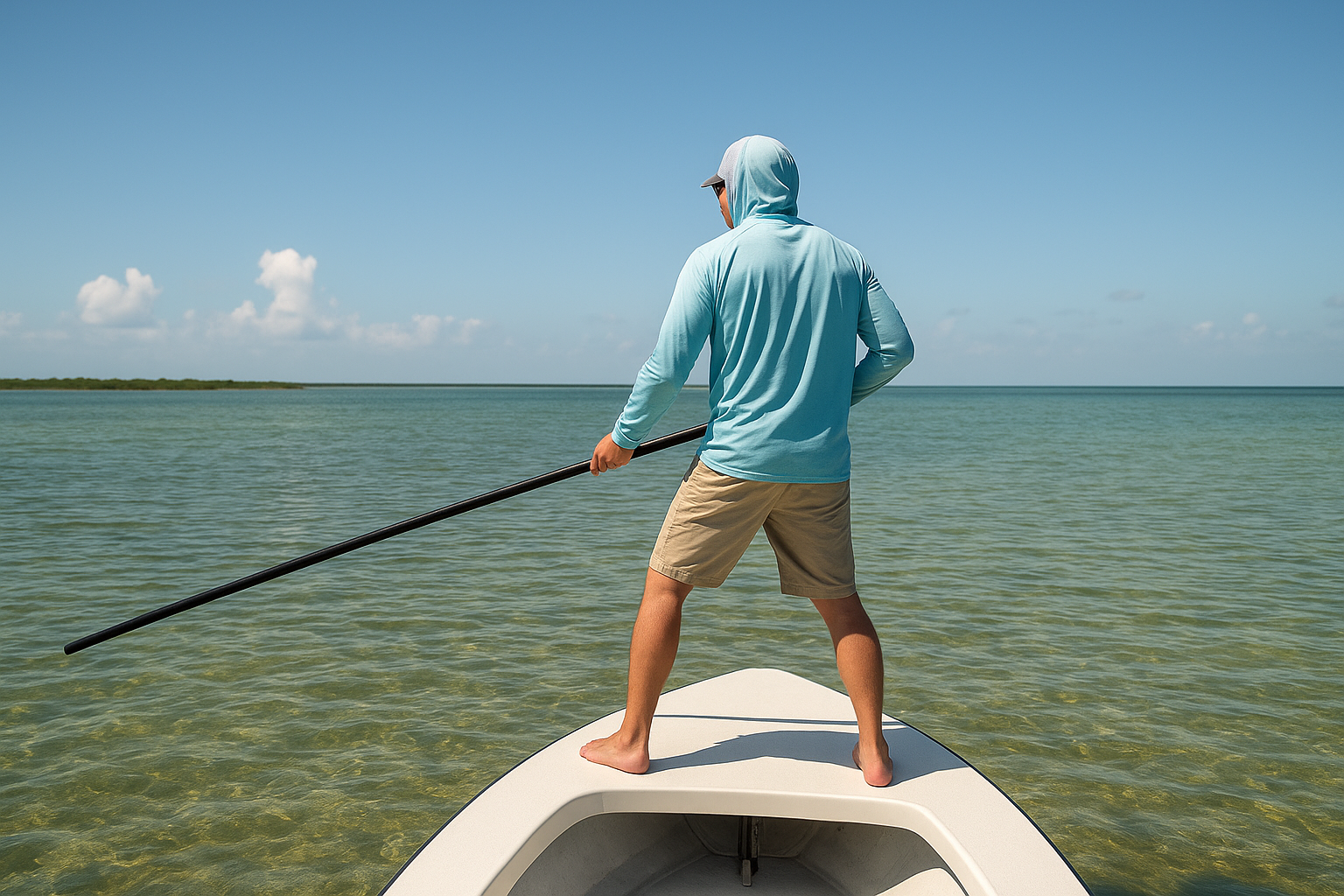
Go-to techniques and bait
Large live pinfish or cut mullet catches bull redfish around passes and nearshore structures. Trolling ballyhao or rigged bonito produces offshore pelagics cruising blue water. Live shrimp under popping corks works well for bay redfish as water temperatures drop.
Shoulder-season travel advantages
Reduced crowds mean easier access to boat ramps, bait shops, and productive fishing spots throughout September. Hotel rates drop after Labor Day while weather remains warm and mostly stable.
11. October
October delivers prime fall fishing conditions as water temperatures drop into the low to mid-70s and cooling trends trigger aggressive feeding behavior across multiple species. This month ranks among the best time to fish in Destin because you get excellent weather, reduced crowds, and productive action both inshore and offshore. Major fishing tournaments schedule throughout October, bringing competitive anglers to Destin’s waters but also confirming the month’s reputation for consistent catches across diverse target species.
What’s biting and what slows down
King mackerel dominate October fishing as massive schools move through Destin waters during their fall migration south. Redfish feed heavily throughout Choctawhatchee Bay as cooling water reactivates their metabolism after summer’s heat. Speckled trout appear in growing numbers around grass flats and oyster bars, providing excellent inshore action on light tackle.
Offshore species like wahoo, blackfin tuna, and mahi-mahi remain active around deeper structures and blue water. Grouper fishing stays strong on reef structures, while triggerfish continue biting through most of October before their season closes.
October represents one of the most versatile fishing months in Destin, with productive patterns spanning from shallow bay flats to deep offshore lanes where pelagics roam along temperature breaks.
Best water to fish: bays, passes, reefs, offshore
Target Choctawhatchee Bay grass flats and oyster bars where redfish and speckled trout feed throughout the day. King mackerel cruise along the 60 to 100-foot depth contour within easy reach of nearshore trips. Offshore waters from 200 to 600 feet produce wahoo, tuna, and late-season mahi-mahi around current edges and floating debris.
Go-to techniques and bait
Slow-trolling live bait or pulling spoons and diving plugs catches king mackerel along depth contours. Live shrimp under popping corks remains your most versatile option for redfish and speckled trout. Cut bait or live pinfish produces grouper over reef structures.
Tournament month considerations
Major tournaments concentrate boats over productive king mackerel grounds during October weekends. Plan your trips during weekdays to avoid the heaviest competition for fishing spots and bait supplies.
12. November
November brings cooler water temperatures into the mid to low 60s and signals the return of winter fishing patterns that concentrate species around structure and protected waters. This month bridges the gap between fall’s offshore productivity and winter’s inshore dominance, giving you solid action in both environments depending on weather conditions between cold fronts. Tourist crowds remain minimal through November, leaving popular fishing spots open and reducing competition for productive structure throughout Choctawhatchee Bay and nearshore reefs.
What’s biting and what slows down
Redfish move back into protected bay waters and around oyster bars as dropping temperatures trigger their winter patterns. Speckled trout numbers increase throughout Choctawhatchee Bay, providing excellent light tackle action on grass flats. Black drum appear around structure in growing numbers, feeding heavily before water temperatures drop further in December.
Late-season offshore opportunities remain viable during calm weather windows, with wahoo, blackfin tuna, and king mackerel still producing catches over deeper reefs and along the 100-foot contour. Sheepshead begin their pre-spawn concentration around jetties and bridges.
Best water to fish: inshore plus late offshore shots
Focus your effort in Choctawhatchee Bay around oyster bars, grass flats, and channel drop-offs where redfish and speckled trout feed throughout the day. The East Pass jetties hold sheepshead and black drum around structure. Offshore reefs in 80 to 120 feet produce bottom species and late pelagics when Gulf conditions allow trips between cold fronts.
Go-to techniques and bait
Live shrimp remains your most effective bait for redfish, speckled trout, and sheepshead throughout November. Soft plastic paddle tails in natural colors catch trout over grass flats. Cut mullet produces black drum around oyster beds and dock pilings.
Cold fronts, water clarity, and best times to fish
Cold fronts return with increasing frequency during November, bringing strong north winds that improve water clarity but can shut down the bite temporarily. Fish the two days before each front arrives when barometric pressure drops and species feed aggressively. Post-front periods require patience as fish adjust to temperature changes.
November represents one of the best times to fish in Destin for speckled trout when cooling water triggers their fall feeding patterns and concentrates fish on productive grass flats throughout Choctawhatchee Bay.
13. December
December closes out the year with full winter fishing patterns as water temperatures settle into the mid to upper 50s and inshore species concentrate around structure throughout Choctawhatchee Bay. This month delivers some of the clearest water conditions you’ll see all year in Destin, making sight fishing possible on calm days when you can spot redfish tailing in shallow flats. Shorter daylight hours and cold morning temperatures require strategic planning to maximize your fishing time, but the consistent action on redfish, sheepshead, and black drum makes December trips worthwhile for anglers who dress appropriately and target peak feeding windows.
What’s biting and what slows down
Redfish dominate December catches throughout protected bay waters and around oyster bars where they feed on crustaceans and small baitfish. Sheepshead stack up on jetties, bridges, and artificial reefs as their spawn approaches in January. Black drum appear consistently around dock pilings and oyster beds, providing solid action for anglers targeting larger specimens.
Offshore fishing becomes highly weather-dependent during December, with strong cold fronts limiting your opportunities to reach deeper waters. When conditions allow, red snapper, grouper, and triggerfish still bite over reef structures, but you’ll face limited weather windows between frontal passages.
Best water to fish: inshore winter patterns and late nearshore
Concentrate your effort in Choctawhatchee Bay from the Mid-Bay Bridge east to the Destin Bridge, where redfish cruise grass flats and shallow channels. The East Pass jetties produce sheepshead throughout the month, particularly during incoming tides when water movement pushes food into the rocks.
Nearshore reefs within 10 miles of shore offer productive fishing on calm days between cold fronts.
Go-to techniques and bait
Live shrimp catches everything biting in December and remains your most versatile option for redfish, black drum, and sheepshead. Fiddler crabs work exceptionally well for sheepshead around barnacle-covered structure. Soft plastic paddle tails in natural colors allow you to cover more water when searching for scattered redfish.
December represents one of the best times to fish in Destin for sight-casting to redfish when crystal-clear water and calm conditions let you spot tailing fish in shallow grass flats before making your cast.
Short days, cold mornings, and best times to fish
Sunrise happens after 6:30 AM during December, giving you less productive daylight compared to summer months. Target the warmest part of the day between 10 AM and 3 PM when fish activity peaks and air temperatures moderate. Water temperatures stabilize throughout the day, creating consistent bite windows rather than the dawn and dusk patterns that dominate warmer months.
Your next step
You now know the best time to fish in Destin based on your target species and the conditions each month brings. January through March deliver exceptional inshore action with redfish and sheepshead around structure. April and May bring spring migrations of cobia and Spanish mackerel. Summer months from June through August shift your focus offshore to red snapper, mahi-mahi, and pelagics cruising deep water. Fall’s September through November window produces diverse catches from bull redfish to king mackerel before winter patterns return in December.
Book your fishing charter with Original Crab Island and our captains will put you on the most productive water for the season you choose. We provide all tackle, bait, and local knowledge so you can focus on landing fish rather than guessing where they’re biting. Your Destin fishing trip starts the moment you step aboard with gear ready and a captain who fishes these waters year-round.