5 Best Deep Sea Fishing Party Boat Destin Trips & Prices

A deep sea fishing party boat Destin trip is one of the most affordable ways to get offshore and hook into red snapper, amberjack, and other Gulf of Mexico species, without chartering an entire vessel. Party boats (also called head boats) sell tickets per person, so you only pay for your spot on a shared trip, making them ideal for solo travelers, couples, and families on a budget.

At Original Crab Island, we help visitors get the most out of Destin’s waters through our own fishing charters and boat rentals. We’ve spent years on these docks and know which operations deliver. Below, we break down five of the best party boat fishing trips in Destin right now, including what each one costs, how long they run, and what you can expect once you’re on the water.

5 Best Deep Sea Fishing Party Boat Destin Trips & Prices

1. Original Crab Island Deep Sea Fishing Trip

Original Crab Island offers guided fishing charters that take you beyond the inshore flats and into the deeper Gulf waters where red snapper, amberjack, and grouper hold year-round. These trips run on well-maintained vessels with experienced captains who know Destin’s offshore structure inside and out.

Trip Style and What You Do on the Water

Once you leave the dock, your captain heads for natural reefs and artificial structures sitting in 80 to 150 feet of water. You’ll drop baited rigs straight down to where the fish stack up. The pace is relaxed enough for first-timers but productive enough to keep experienced anglers focused throughout the trip.

Dropping bait over deep Gulf structure in Destin gives you a real shot at red snapper on almost every trip during open season.

Who This Trip Fits Best

These charters work well for families with kids, small groups, and first-time offshore anglers. You don’t need prior experience since the crew handles rigging, bait, and fish cleaning. Couples looking for a memorable half-day activity on the water also book this trip regularly.

Typical Pricing and Trip Lengths

Trips typically run half-day (4 to 6 hours) or full-day (8 to 10 hours) depending on your group’s preference. Pricing varies by season and group size, so contact Original Crab Island directly through originalcrabisland.com for current rates and availability.

What’s Included and What Costs Extra

Your charter includes rod, reel, bait, and tackle as standard gear. Fish cleaning and bagging is typically handled by the crew. Bring sunscreen, snacks, and a valid Florida saltwater fishing license if one is not bundled with your booking.

Where to Meet and Booking Tips

The departure point is Destin Harbor, which is easy to reach from most rental properties along Highway 98. Book your spot at least two to three days in advance, especially during summer when demand runs high.

2. Destin Princess and Destiny Party Boats

The Destin Princess and Destiny are two of the most established shared-boat operations on Destin Harbor, running daily trips that represent a classic deep sea fishing party boat Destin experience with a large onboard crew to assist every angler.

Trip Style and What You Do on the Water

Both boats head offshore to bottom fish over reefs and wrecks, targeting snapper, amberjack, and grouper. The crew handles all the rigging so you can focus entirely on dropping lines and fighting fish.

Who This Trip Fits Best

These trips suit budget travelers and solo anglers who want to fish without booking a private charter. They’re also a practical option for walk-up visitors who didn’t plan far in advance.

Shared party boats let you split the offshore cost with dozens of other anglers, which keeps your out-of-pocket cost low.

Typical Pricing and Trip Lengths

Half-day trips run around $45 to $55 per person, while full-day trips land closer to $85 to $100. Trip lengths range from 4 hours to a full 10-hour day.

What’s Included and What Costs Extra

Rod, reel, and bait come with your ticket. Fish cleaning costs extra, and you’ll need to bring your own food, drinks, and sunscreen.

Where to Meet and Booking Tips

Both boats depart from Destin Harbor Boardwalk. Arrive 30 minutes early to secure your spot on the rail before the boat fills up.

3. Olin Marler Party Boat Charter

Olin Marler runs one of the longest-standing deep sea fishing party boat Destin operations, with daily departures from Destin Harbor. The crew has a strong track record for putting anglers on fish at all skill levels.

Trip Style and What You Do on the Water

You’ll spend the trip bottom fishing over offshore reefs, targeting red snapper, amberjack, and vermilion snapper in 80 to 200 feet of water. The crew stays active helping you re-rig and land fish throughout the day.

Who This Trip Fits Best

Olin Marler suits families and beginners who want hands-on crew support, and works equally well for budget-conscious groups who want offshore action without paying private charter rates.

The operation’s long history in Destin makes it a reliable choice for first-time offshore anglers.

Typical Pricing and Trip Lengths

Half-day trips cost approximately $45 to $55 per person, while full-day trips run closer to $85 to $95. Trip lengths range from 4 to 10 hours.

What’s Included and What Costs Extra

Your ticket includes rod, reel, and bait. Fish cleaning costs extra, and you should bring your own food, drinks, and sunscreen.

Where to Meet and Booking Tips

The boat departs from Destin Harbor off Highway 98. Arrive at least 20 minutes early, and book your ticket online or by phone ahead of time during busy summer months.

4. American Spirit Party Boat

The American Spirit is a solid choice for anyone looking for a reliable deep sea fishing party boat Destin experience with daily scheduled departures and a crew that keeps things moving from the moment you leave the dock.

Trip Style and What You Do on the Water

You’ll spend your time bottom fishing over Gulf reefs and wrecks, targeting red snapper, amberjack, and grouper in depths between 80 and 180 feet. The crew stays attentive throughout the trip, helping you re-rig and land fish without long gaps between drops.

Consistent reef fishing at these depths gives you a strong shot at multiple species on a single trip.

Who This Trip Fits Best

The American Spirit works well for casual anglers and first-timers who want a low-pressure experience with crew support. It also suits small groups and families who want offshore fishing without committing to a private charter.

Typical Pricing and Trip Lengths

Half-day trips run approximately $45 to $55 per person, and full-day options cost around $85 to $100. Trip durations range from 4 hours to a full 10-hour day.

What’s Included and What Costs Extra

Your ticket covers rod, reel, and bait. Fish cleaning is an additional charge, so bring cash for gratuity and cleaning fees.

Where to Meet and Booking Tips

The boat departs from Destin Harbor. Book your spot at least two days ahead during peak summer season to guarantee your place onboard.

5. Vera Marie Party Boat

The Vera Marie gives you another strong option for a deep sea fishing party boat Destin experience, with scheduled daily departures and a crew that keeps every angler productive from the first drop to the last.

Trip Style and What You Do on the Water

Your day centers on bottom fishing over offshore reefs and wrecks in depths ranging from 80 to 200 feet. The crew targets red snapper, amberjack, and grouper, keeping lines in the water and moving spots when action slows.

Consistent depth changes and spot rotation throughout the trip help you land multiple species in a single outing.

Who This Trip Fits Best

This boat works well for walk-up visitors and solo anglers who want a shared trip without committing to a private charter. Families and small groups on a tight vacation budget will also find this trip practical.

Typical Pricing and Trip Lengths

Half-day trips run approximately $45 to $55 per person, and full-day trips land around $85 to $100. Durations range from 4 to 10 hours.

What’s Included and What Costs Extra

Your ticket includes rod, reel, and bait. Bring cash for fish cleaning fees and crew gratuity.

Where to Meet and Booking Tips

The Vera Marie departs from Destin Harbor. Book your spot two to three days ahead during summer to avoid missing out.

Next Steps for Booking in Destin

You now have five solid options for a deep sea fishing party boat Destin trip, ranging from the guided charters at Original Crab Island to the classic shared-boat operations running daily out of Destin Harbor. Each one gives you a legitimate shot at red snapper, amberjack, and grouper without requiring a full private charter budget.

Your next move is simple: pick the trip length and price point that fits your schedule, then book your spot before the summer crowd fills up the boats. Half-day trips work well if you have other activities planned, while full-day trips give you the most time on productive offshore structure. Either way, get your reservation locked in early.

For a broader range of Destin water experiences beyond fishing, including pontoon rentals, jet skis, and parasailing, visit Original Crab Island to see everything available and book your next activity on the Emerald Coast.

5 Snorkeling Tips for First Timers in Destin That Work

If you’re looking for snorkeling tips for first timers, Destin’s emerald waters are the perfect place to start. The Gulf Coast offers calm, shallow areas ideal for beginners, but the idea of breathing through a tube while floating face-down can still feel intimidating if you’ve never done it before.

At Original Crab Island, we’ve helped countless visitors experience Destin’s underwater world for the first time. From the shallow sandbars near Crab Island to the colorful marine life along the jetties, this area offers beginner-friendly conditions that make learning to snorkel far less stressful than you might expect.

This guide covers five practical tips that actually work, from selecting gear that fits properly to mastering your breathing technique. You’ll walk away with everything you need to make your first snorkeling adventure in Destin a memorable one.

1. Start at Crab Island with a pontoon rental

Crab Island provides ideal conditions for your first snorkeling experience because the water stays shallow, calm, and clear throughout most of the year. You can rent a pontoon boat to reach this famous sandbar, giving you a stable platform to begin from and a safe place to return to between practice sessions. This approach removes the stress of swimming from shore or dealing with waves while you’re still learning the basics.

1. Start at Crab Island with a pontoon rental

What to do

Book a pontoon rental early in the morning when the water is calmest and the crowds haven’t arrived yet. Navigate to the shallow areas near Crab Island’s sandbar where the water depth ranges from waist-high to chest-high. Anchor your pontoon in a spot where you can easily touch bottom, then practice floating face-down near the boat. Start with five-minute sessions before gradually extending your time in the water as you build confidence with your breathing technique.

Why it works in Destin

The sandbars surrounding Crab Island offer protected waters that rarely see strong currents, making them perfect for beginners who need calm conditions to focus on technique rather than fighting waves. You’ll find consistent visibility of 10 to 15 feet on most days, allowing you to see the sandy bottom clearly and spot marine life without struggling. Having a pontoon boat provides instant access to shade, fresh water, and a rest area whenever you need a break from practicing.

The combination of shallow water and a stable platform turns your first snorkeling attempt into a controlled learning experience instead of an overwhelming challenge.

Common mistakes to avoid

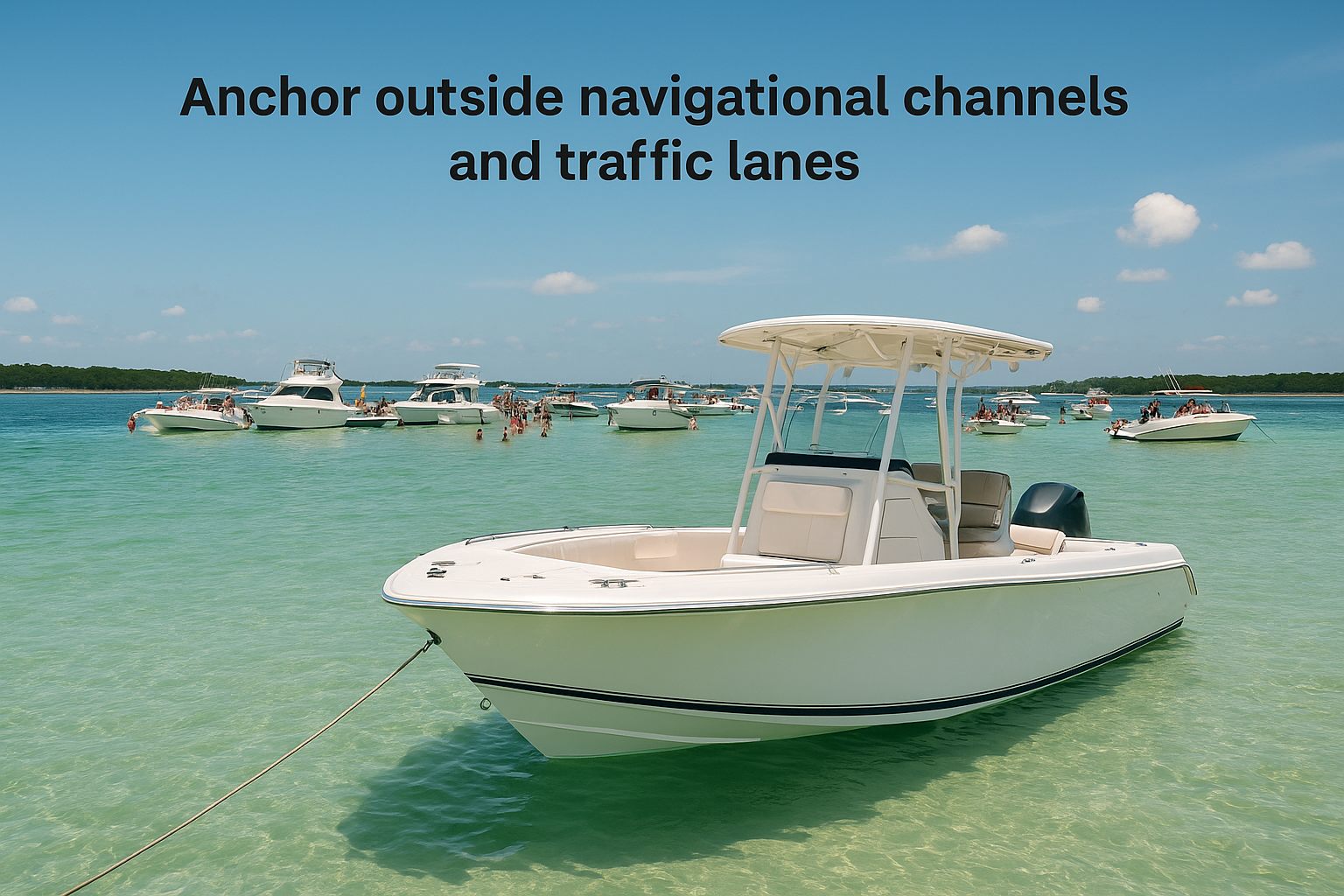
Don’t anchor your pontoon in the main traffic areas where other boats constantly pass by, as boat wakes will disrupt your practice and create safety concerns. Avoid venturing too far from your boat during your first attempts, even if the water seems inviting. Never skip the pre-snorkel equipment check at the boat, as discovering a leaky mask or faulty snorkel once you’re in the water creates unnecessary stress.

What to bring

Pack a cooler with drinking water to stay hydrated between snorkeling sessions, as saltwater exposure quickly dries out your mouth and throat. Bring towels and dry clothes for warming up after spending time in the water. Include reef-safe sunscreen that won’t damage marine ecosystems, and store your snorkeling gear in a mesh bag for easy access from the pontoon deck.

2. Use a mask and snorkel that actually fit

5 Snorkeling Tips for First Timers in Destin That Work

Ill-fitting equipment ruins more first snorkeling experiences than any other factor because leaky masks and uncomfortable mouthpieces turn a peaceful underwater adventure into a frustrating battle. You need gear that creates a proper seal around your face and allows you to breathe naturally through your mouth without jaw strain. Getting this right before you enter the water makes the difference between enjoying Destin’s marine life and spending your time adjusting equipment.

What to do

Test your mask by pressing it gently against your face without using the strap, then inhale through your nose. The mask should stay in place through suction alone if it fits correctly. Choose a dry snorkel with a purge valve near the mouthpiece, which makes clearing water far easier than basic tube designs. Bite down on the mouthpiece tabs without clenching your teeth, checking that your lips seal comfortably around the guards.

Why it works in Destin

Destin’s warm Gulf waters let you spend extended periods snorkeling, so comfortable gear becomes essential rather than optional. You’ll stay focused on spotting fish and exploring instead of constantly surfacing to empty your mask. Proper equipment helps you make the most of Destin’s excellent underwater visibility without interruptions.

Well-fitted gear transforms snorkeling from a struggle into one of the most relaxing snorkeling tips for first timers you’ll ever receive.

Common mistakes to avoid

Never assume your mask fits just because the strap feels tight. Avoid forcing a seal by overtightening the strap, which actually creates gaps and increases leaking. Skip masks with purge valves for now, as they add unnecessary complexity when you’re learning basic techniques.

What to bring

Bring anti-fog solution or baby shampoo to prevent your mask from fogging up underwater.

3. Practice breathing and clearing in shallow water

Your breathing rhythm determines whether snorkeling feels natural or stressful, and shallow water provides the safest environment to develop this skill before venturing into deeper areas. Spend your first session focusing exclusively on inhaling and exhaling through your mouth while your face stays submerged, keeping your body relaxed enough to float without effort. This fundamental practice builds the confidence you need to explore Destin’s underwater world without panic.

3. Practice breathing and clearing in shallow water

What to do

Stand in waist-deep water and submerge your face while breathing slowly through the snorkel tube, keeping your body vertical at first. Practice the snorkel clearing technique by blowing a sharp, forceful breath through the tube to expel any water that enters. Transition to floating horizontally once you maintain steady breathing for several minutes, using small kicks to move forward while keeping your breathing rhythm consistent.

Why it works in Destin

Destin’s shallow sandbars let you practice without the fear of deep water, allowing you to focus entirely on technique rather than depth anxiety. You can stand up instantly if you feel uncomfortable, which removes the stress that overwhelms many beginners during their first attempts.

Mastering your breathing in shallow water builds the muscle memory that carries over naturally when you move to deeper snorkeling spots.

Common mistakes to avoid

Don’t rush into deep water before you’ve spent at least 20 minutes practicing in shallow areas. Avoid breathing rapidly or holding your breath, which triggers panic responses that ruin your session.

What to bring

Bring nose clips if you struggle to keep water out of your nose during practice sessions.

4. Time it for calm water and good visibility

Water conditions change throughout the day in Destin, and choosing the right time dramatically affects your first snorkeling experience. Morning hours typically offer the calmest waters and clearest visibility before afternoon winds stir up the Gulf and boat traffic increases. Planning your session around these natural patterns gives you the best possible conditions to learn without fighting against rough water or murky visibility.

What to do

Check the local marine forecast the night before your planned snorkeling trip, looking for wind speeds under 10 mph and minimal wave heights. Schedule your outing for early morning between 7 AM and 10 AM when the Gulf remains flat and sunlight penetrates the water at optimal angles. Avoid days following heavy storms or high winds, which suspend sediment and reduce visibility for 24 to 48 hours afterward.

Why it works in Destin

Destin’s protected position along the coast creates morning calm periods that make learning techniques far easier than afternoon sessions. You’ll experience visibility ranging from 15 to 25 feet during optimal conditions, allowing you to spot marine life clearly and maintain spatial awareness.

Timing your session correctly turns challenging conditions into ideal learning environments that build your confidence quickly.

Common mistakes to avoid

Don’t schedule afternoon snorkeling sessions during your first attempts, as wind-driven waves create unnecessary difficulty for beginners.

What to bring

Bring a waterproof watch to track your session duration and monitor timing for optimal light conditions.

5. Snorkel like a local with safety and etiquette

Following local snorkeling protocols keeps you safe while protecting Destin’s marine environment for future visitors. These essential safety practices and etiquette rules separate experienced snorkelers from beginners who create problems for themselves and others. Understanding how locals approach snorkeling helps you avoid dangerous situations while respecting the underwater ecosystem that makes Destin special.

What to do

Always snorkel with a buddy system where at least one person stays within arm’s reach throughout your session. Display a dive flag on your boat or buoy to alert passing vessels of snorkelers in the water. Keep your distance from marine life by at least six feet, observing fish and sea creatures without touching or chasing them. Stay aware of boat traffic patterns and return to your pontoon immediately if water conditions deteriorate or you feel fatigued.

Why it works in Destin

Destin’s waters see heavy recreational boat traffic, making dive flag visibility critical for your safety. Local marine life thrives because experienced snorkelers respect wildlife boundaries, allowing fish to behave naturally rather than fleeing from harassment.

Practicing proper etiquette protects both your safety and the underwater environment that makes these snorkeling tips for first timers effective.

Common mistakes to avoid

Never touch coral formations or disturb sea grass beds, which provide essential habitats for juvenile fish.

What to bring

Bring a bright orange dive flag with stiff support to maintain visibility above the water surface.

snorkeling tips for first timers infographic

Quick recap and next step

These snorkeling tips for first timers give you everything you need to explore Destin’s underwater world with confidence. Starting at Crab Island with a pontoon rental provides the perfect beginner-friendly environment, while properly fitted equipment prevents the frustrations that ruin most first attempts. Practicing your breathing technique in shallow water builds the foundation for enjoying deeper areas, and timing your session for calm conditions maximizes visibility and safety. Following local safety protocols protects both you and Destin’s marine ecosystem.

Your next step involves booking a pontoon rental that gets you to Crab Island’s protected waters where you can put these techniques into practice. Original Crab Island offers the perfect combination of reliable boats and ideal snorkeling locations that make your first experience memorable rather than stressful. The shallow sandbars and clear Gulf waters around Crab Island create conditions that turn nervous beginners into confident snorkelers, giving you the foundation to explore Destin’s entire Emerald Coast underwater world.

Where to See Dolphins in Destin: 5 Spots, Tours & Best Times

Destin’s waters are home to a thriving population of Atlantic bottlenose dolphins, and watching them play in the wild ranks among the most unforgettable experiences on the Emerald Coast. If you’re wondering where to see dolphins in Destin, you’ve got plenty of options, from shoreline spots where you can catch glimpses for free to guided boat tours that bring you within safe viewing distance.

At Original Crab Island, we take visitors out on dolphin cruises through the harbor and Gulf waters where these animals live and feed. We see them regularly, so we know where they hang out and when they’re most active. That firsthand experience shaped this guide.

Below, you’ll find five proven locations for dolphin sightings, details on tour options, and the best times of day to maximize your chances. Whether you prefer watching from land or getting out on the water, this list covers it.

1. Original Crab Island dolphin cruise

Where to See Dolphins in Destin: 5 Spots, Tours & Best Times

Our dolphin cruise takes you through the East Pass channel and into the Gulf, where dolphins follow schools of baitfish and hunt near the jetties. You ride on a comfortable pontoon boat with an experienced captain who knows the local pods and their feeding patterns. We depart from Destin Harbor, cruise past Crab Island, and head into open water where dolphins are most active.

What makes this option good for dolphin spotting

Dolphins gather in East Pass because the tidal flow pushes nutrients and fish through the narrow channel. Our captains position the boat near these feeding zones without crowding the animals. You get up-close views from multiple angles as the dolphins surface, breathe, and dive around the boat. The pontoon’s open layout gives everyone clear sightlines, and you won’t spend half your trip searching blindly.

"Dolphins in Destin follow predictable patterns tied to tide changes and fish movement, making guided cruises one of the most reliable ways to see them."

Best time to try it

Early morning cruises between 6:00 AM and 9:00 AM produce the highest success rates because dolphins feed actively after sunrise. Late afternoon trips from 4:00 PM to sunset also work well, especially in spring and summer when baitfish run closer to shore. We run cruises year-round, but May through September offers the warmest weather and calmest seas.

What to bring and how to watch responsibly

Bring sunscreen, sunglasses, and a hat for sun protection on the open water. A camera or phone works fine for photos, but skip the flash. Keep noise levels moderate and avoid sudden movements when dolphins approach. Our captains follow federal marine mammal guidelines, maintaining safe distances and never chasing or cornering the animals.

Cost, access, and booking notes

Dolphin cruises through Original Crab Island start around $45 per person for a two-hour trip. You book directly through our website or by calling the harbor office. Trips depart multiple times daily during peak season, and we recommend reserving at least 48 hours ahead to secure your preferred time slot. Walk-ups are possible but not guaranteed.

2. Destin Harbor Boardwalk and Norriego Point

The Destin Harbor Boardwalk sits along the East Pass channel, where dolphins swim through daily on their way between the Gulf and Choctawhatchee Bay. You can watch from the wooden walkway, seafood restaurant patios, or the public docks without paying a cent. Norriego Point extends into the channel just across the bridge, offering another free vantage point where dolphins surface close to shore during tidal shifts.

2. Destin Harbor Boardwalk and Norriego Point

What makes this option good for dolphin spotting

Dolphins use the deep channel as a highway, especially when tides push baitfish through the narrow pass. You stand above the water on elevated boardwalk sections, giving you clear views of dorsal fins and backs as the animals move past. The boardwalk stretches nearly a half mile, so you can walk along and follow pods as they travel. Norriego Point adds rocky shoreline where dolphins sometimes hunt in shallow water.

Best time to try it

Visit during incoming or outgoing tides when water movement concentrates fish in the channel. Check a tide chart before heading out. Early mornings before 9:00 AM and late afternoons after 4:00 PM produce the most sightings. Spring through fall offers better odds than winter, though dolphins swim through year-round.

"Tidal changes in East Pass create natural feeding zones where dolphins hunt predictably, making shoreline observation surprisingly effective."

What to bring and how to watch responsibly

Bring binoculars for closer views and a camera with a decent zoom lens. Wear sun protection and comfortable shoes since you’ll walk the boardwalk to track dolphin movement. Stay quiet when dolphins approach and never toss food or objects into the water. You’re watching from public spaces, so keep the area clean and respect other visitors.

Cost, access, and booking notes

Both locations are completely free with no entry fees or parking charges during most of the year. The boardwalk has metered parking that costs a few dollars during peak summer months. You can walk to both spots from nearby hotels. No reservations needed since these are public access points open daily from sunrise to sunset.

3. Okaloosa Island Pier

The Okaloosa Island Pier extends 1,262 feet into the Gulf of Mexico, putting you directly over waters where dolphins swim and hunt. This fishing pier sits on Fort Walton Beach, just a short drive from Destin, and gives you an elevated view of the surrounding Gulf. Dolphins regularly pass underneath the structure as they chase schools of fish moving along the shoreline.

What makes this option good for dolphin spotting

You stand 60 feet above the water with unobstructed views in all directions. Dolphins follow baitfish that congregate around the pier pilings, where barnacles and structure attract smaller prey species. The height advantage lets you spot dorsal fins from a distance and track pods as they approach. Anglers on the pier often signal when dolphins surface nearby, creating an informal spotting network.

"The pier’s length and height provide exceptional sightlines across Gulf waters where dolphin pods travel parallel to the beach while hunting."

Best time to try it

Visit during early morning hours from sunrise to 9:00 AM when dolphins feed most actively. Late afternoon sessions between 4:00 PM and sunset also produce regular sightings. Summer months from May through September bring calmer seas and higher fish activity, increasing your chances. Avoid windy days when choppy water makes spotting difficult.

What to bring and how to watch responsibly

Pack binoculars for distance viewing and sun protection including sunscreen and a hat. Bring water since the pier has limited shade. Watch quietly without tossing objects into the water or making loud noises that might disturb the animals. Respect anglers sharing the pier and stay clear of fishing lines.

Cost, access, and booking notes

Admission costs $8 for adults and $5 for children to access the pier. You pay at the entrance gate, which opens daily at sunrise. Free parking is available in the adjacent lot. No reservations are needed since this is a walk-up public facility. The pier remains open year-round except during severe weather.

4. Henderson Beach State Park and John Beasley Park

Henderson Beach State Park protects over a mile of pristine white sand shoreline on the Gulf, while John Beasley Park sits across the street with direct access to Destin’s harbor waters. Both parks offer elevated viewing areas and quiet beaches where dolphins swim close to shore while hunting. Henderson focuses on Gulf-side viewing, while Beasley covers the bay and harbor channel, giving you two distinct ecosystems in one visit.

4. Henderson Beach State Park and John Beasley Park

What makes this option good for dolphin spotting

Henderson’s undeveloped beachfront attracts dolphins hunting in the clear Gulf waters where visibility reaches 30 feet or more. You watch from elevated dune walkways that let you scan the surface for fins and pods. John Beasley Park provides views of East Pass channel where dolphins travel between feeding zones. The combination covers both Gulf and bay populations, doubling your odds when searching where to see dolphins in Destin.

Best time to try it

Visit early mornings between 7:00 AM and 10:00 AM when dolphins feed actively along both shorelines. Spring and summer months bring warmer water temperatures and increased fish activity. Check for calm sea conditions since choppy water obscures dorsal fins.

What to bring and how to watch responsibly

Pack binoculars, sun protection, and water for extended viewing sessions. Both parks require walking on soft sand and elevated boardwalks. Stay behind dune fencing to protect nesting areas and keep voices low when dolphins appear close to shore.

Cost, access, and booking notes

Henderson Beach charges $6 per vehicle at the entrance gate. John Beasley Park is free with ample parking. Both parks open daily from sunrise to sunset with no reservations required.

5. Best times of day and year in Destin

Timing your dolphin search correctly matters as much as choosing the right location. Dolphins follow predictable feeding schedules tied to tides, light levels, and seasonal fish migrations. Understanding these patterns turns casual beach walks into successful wildlife encounters.

What makes this option good for dolphin spotting

Dolphins feed most actively during low-light periods when prey fish swim closer to the surface and predators hold a hunting advantage. Tidal changes push baitfish through channels and shallow areas where dolphins concentrate their efforts. Matching your viewing window to these natural cycles dramatically increases success rates regardless of whether you watch from shore or aboard a boat.

Best time to try it

Early mornings between 6:00 AM and 9:00 AM produce the highest sighting rates as dolphins hunt after sunrise. Late afternoons from 4:00 PM through sunset create another prime window when fish activity peaks. Spring through early fall (March through October) brings warmer Gulf temperatures and larger baitfish schools. Summer months offer the calmest seas and most consistent dolphin presence.

"Dolphins follow biological clocks tied to prey behavior, making early morning and late afternoon the most productive viewing windows year-round."

What to bring and how to watch responsibly

Pack sun protection and hydration for extended observation sessions during peak viewing hours. Bring binoculars or a camera with good zoom capability for distant pods. Watch quietly without attempting to feed or touch dolphins in any circumstances.

Cost, access, and booking notes

This approach works at any of the locations mentioned when planning where to see dolphins in Destin, adding zero extra cost to your chosen viewing method. Simply adjust your schedule to match optimal timing windows for maximum results.

where to see dolphins in destin infographic

Quick recap and next steps

You now know where to see dolphins in Destin with five proven options ranging from free shoreline viewing to guided boat tours. The Original Crab Island dolphin cruise puts you directly in prime feeding zones, while spots like Henderson Beach, the harbor boardwalk, and Okaloosa Island Pier offer excellent land-based alternatives. Timing matters just as much as location, so plan your visits during early morning or late afternoon when dolphins hunt most actively.

Ready to see these incredible animals up close? Our dolphin cruises depart daily from Destin Harbor, taking you through East Pass and into Gulf waters where pods feed and play. You’ll ride with experienced captains who track local dolphin behavior and position the boat for optimal viewing without disturbing the wildlife. Book your dolphin cruise at Original Crab Island and experience the Emerald Coast’s most memorable marine encounters.

What To Wear on a Sunset Cruise in Florida: 5 Outfit Tips

Florida sunsets from the water hit different, golden light bouncing off the Gulf, dolphins surfacing in the distance, and that warm breeze as the day winds down. But figuring out what to wear on a sunset cruise in Florida can feel surprisingly tricky. You want to look great for photos while staying comfortable as temperatures drop after dark.

At Original Crab Island, we host sunset cruises departing from Destin throughout the year, and we’ve seen it all, guests shivering in sundresses, others wobbling in heels on deck, and plenty who nailed the look completely. The Emerald Coast weather can be deceiving, and boat conditions add another layer most people don’t consider. What works on land doesn’t always work out on the water.

This guide covers five practical outfit tips that balance style with function. You’ll learn what to pack, what to skip, and how to look effortlessly put-together from departure to docking. Whether you’re celebrating something special or simply chasing that perfect golden hour, dressing right makes the whole experience better.

1. Match your outfit to the cruise plan in Destin

Not all sunset cruises follow the same script. Some include swimming stops at Crab Island, others keep you on deck the entire time. Your outfit should match the specific activities planned for your trip, or you’ll end up uncomfortable and underdressed for the conditions. Destin’s sunset cruises range from anchored sandbar visits to continuous sailing, and what works for one doesn’t always work for the other.

What to expect on an Original Crab Island sunset cruise

What To Wear on a Sunset Cruise in Florida: 5 Outfit Tips

Original Crab Island sunset cruises typically include anchoring near the sandbar for shallow-water activities before the sun drops. You’ll board from a dock, cruise across Choctawhatchee Bay, and potentially wade in knee-deep water depending on tide levels. The boat provides seating areas, but you’ll move around for photos and views. Expect open-air conditions with steady wind once you’re underway, and temperatures that shift noticeably after the sun disappears below the horizon.

What to wear if you will swim at Crab Island

Plan your outfit around a swimsuit base layer if you’re getting in the water. Women should wear bikinis or one-pieces under lightweight cover-ups like cotton dresses or shorts with tank tops. Men can stick with board shorts and a casual tee that you don’t mind getting damp. Skip anything that takes forever to dry or shows water marks badly. Bring a towel and dry clothes in a waterproof bag to change into after swimming, especially for the ride back when wet fabric amplifies the chill.

The smartest approach treats your swimwear as the foundation, not an afterthought you stuff in a beach bag.

What to wear if you will stay dry on the boat

Staying on deck the whole time opens up more polished outfit options. Women can wear sundresses, rompers, or linen pants with fitted tops. Men do well with chinos or khaki shorts paired with button-downs or polos. You’ll want something that photographs well but doesn’t restrict movement when you’re walking around the boat. Avoid anything too structured or formal, this is still a casual water environment even without swimming.

What to avoid based on boarding, seating, and wind

Skip long maxi skirts or dresses that drag on wet docks or blow up in the wind. White pants show every smudge from boat seats and railings. Delicate fabrics like silk wrinkle instantly and don’t handle salt spray well. Anything backless or strapless becomes a constant adjustment battle once the boat picks up speed. Your outfit needs to stay put without you fussing with it every few minutes.

Quick outfit formulas for couples, families, and groups

Couples should coordinate colors without matching exactly, think complementary tones like navy and coral. Families with young kids need easy bathroom access in outfits, elastic waists and simple layers work best. Groups celebrating bachelor or bachelorette parties can add themed accessories like leis or matching hats without going overboard on costume pieces that won’t hold up in wind. Keep the base outfit practical, then layer in the fun details.

2. Choose breathable fabrics and photo-friendly colors

Fabric choice determines whether you feel fresh throughout the cruise or end up sticky and uncomfortable. Natural materials like cotton and linen work best in Florida’s humidity, while certain synthetic blends trap heat against your skin. Colors affect how you photograph in that unique golden hour lighting, and the wrong shades wash you out completely or clash with the sunset backdrop.

Best Florida sunset cruise fabrics that stay comfortable

Cotton and linen handle Florida heat and moisture better than anything else. These fabrics breathe naturally, dry quickly if you get splashed, and don’t cling when you sweat. Lightweight jersey knits work well for casual pieces like tees and tank tops. Skip heavy denim, thick polyester, and anything labeled "dry clean only" when considering what to wear on a sunset cruise in Florida.

Colors that look good in sunset lighting and boat photos

Warm tones like coral, peach, and soft yellow complement the golden light beautifully. Jewel tones such as turquoise and emerald pop against the water without competing with the sky. Avoid pure white, which photographs as glaring and washed out. Pastels photograph better than you’d expect, especially blush pink and light blue.

Colors that look good in sunset lighting and boat photos

Prints vs solids and how to keep it flattering on camera

Solid colors photograph more cleanly in sunset conditions and won’t create visual noise in group shots. If you prefer prints, stick with large-scale patterns that read well from a distance. Tiny florals or busy geometric designs blur into visual static. Stripes work if they’re thick and well-spaced.

Solid colors let the sunset be the star of your photo, not your outfit.

Easy outfit ideas for women

Cotton sundresses in jewel or warm tones top the list for effortless style. Linen shorts with fitted tank tops work for active types. A casual jumpsuit in breathable fabric handles both movement and photos well.

Easy outfit ideas for men

Short-sleeve button-downs in cotton or linen blend keep you comfortable and polished. Performance fabric shorts in navy or khaki pair with almost anything. Skip graphic tees and opt for solid colored polos instead.

3. Bring a light layer for wind and post-sunset chill

Temperatures drop faster on the water than you expect, even in Florida. Once the sun dips below the horizon, that gentle breeze turns into a steady wind that cuts through thin clothing. Most people underestimate this shift and end up shivering through the return trip, which ruins an otherwise perfect evening. A lightweight layer solves this problem without adding bulk to your outfit.

Why it feels cooler on the water even in Florida

Water reflects heat differently than land, and boat movement amplifies wind chill considerably. What feels like 78 degrees at the dock can feel like 65 degrees once you’re cruising. Your body cools quickly when wet from swimming or ocean spray.

Best layers that pack small and block wind

Packable windbreakers and thin denim jackets block wind without taking up space in your bag. Long-sleeve cotton shirts work for mild evenings. Choose layers you can tie around your waist when you don’t need them.

A lightweight layer transforms your comfort level once the sun sets and wind picks up.

What to do in winter months and shoulder seasons

November through March requires actual warmth on Destin water. Bring a hoodie or fleece zip-up in your bag when planning what to wear on a sunset cruise in Florida during cooler months.

What to do in summer storms and sudden rain

Pack a thin rain jacket from June through September. Florida storms pop up quickly, and a waterproof layer keeps you dry without overheating.

How to layer without ruining your look in photos

Choose neutral-colored layers that complement your outfit instead of clashing with it. Drape a cardigan over your shoulders for photos, then wear it properly when temperatures drop.

4. Wear boat-safe shoes that still look nice

Footwear makes or breaks your sunset cruise experience. Wet decks, uneven docks, and unpredictable conditions require solid traction and support, but that doesn’t mean you need to sacrifice style completely. The right shoes keep you safe and confident while still looking put-together in photos and matching your outfit.

Best shoes for traction on wet decks and docks

Rubber-soled boat shoes and canvas sneakers top the list for safe traction. Non-slip sandals with thick treads work well in warmer months. Look for shoes with grooves or patterns in the sole that channel water away. Avoid smooth leather soles or anything that becomes slippery when wet.

Best shoes for traction on wet decks and docks

Traction matters more than style when you’re walking on wet surfaces with moving water underneath.

Shoes to skip on a sunset cruise

Skip heels, wedges, and dress shoes entirely when considering what to wear on a sunset cruise in Florida. Flip-flops offer zero support and fly off easily. Platform sandals catch on railings and uneven surfaces.

What to wear if you might step in shallow water

Water shoes or athletic sandals with straps handle shallow wading at Crab Island best. Quick-dry materials prevent soggy feet for the return trip.

Footwear ideas for kids and older adults

Kids need closed-toe water shoes with secure straps. Older adults benefit from supportive walking sandals with arch support and adjustable closures.

One-pair solutions that work on and off the boat

Leather boat shoes transition from water to dinner seamlessly. Quality athletic sandals work for active cruises and exploring Destin afterward.

5. Finish with the right accessories and a small bag

Accessories complete your sunset cruise outfit while adding practical protection against sun, wind, and spray. The right pieces enhance your comfort without weighing you down or creating hassle on a moving boat. You need items that serve multiple purposes and fit easily in a compact bag that won’t get in your way during the cruise.

Sun protection that still works near sunset

The sun still damages your skin during golden hour, even though it feels less intense. Apply broad-spectrum SPF 30 or higher before boarding, and reapply if you’re out longer than two hours. Lightweight sunglasses with polarized lenses cut glare off the water and protect your eyes from UV rays that reflect upward from the Gulf.
Hair and hat tips for wind

Wind on the water tangles loose hair quickly and whips it into your face constantly. Pull your hair into a low bun or braid that stays secure without constant adjustment. Baseball caps and wide-brim hats need chin straps or clips to stay put once the boat picks up speed.

The best bag to carry on a boat

Small crossbody bags or backpacks keep your hands free and distribute weight evenly. Waterproof materials protect your phone and wallet from spray. Skip large totes that tip over easily or dangle in the way when you’re moving around the deck.

What to pack for comfort and motion sickness

Bring seasickness medication if you’re prone to motion sensitivity, even on calm days. Pack a small pack of gum or mints to settle your stomach. Include a portable phone charger for sunset photos that drain your battery quickly.

A quick checklist so you do not forget the essentials

Double-check these items before leaving for your cruise: sunglasses, sunscreen, light layer, phone, ID, payment card, and any necessary medications. When planning what to wear on a sunset cruise in Florida, this simple list ensures you’re prepared for changing conditions without overpacking.

Packing light and smart lets you focus on the experience instead of managing your belongings.

what to wear on a sunset cruise in florida infographic

Ready to board

Your sunset cruise outfit sets the tone for the entire evening. Knowing what to wear on a sunset cruise in Florida means you’ll spend less time worrying about comfort and more time soaking in those golden hour views across the Emerald Coast. The right combination of breathable fabrics, smart layers, boat-safe shoes, and practical accessories keeps you comfortable from departure through docking.

Planning ahead eliminates guesswork and last-minute stress. Pack your bag the night before, check the weather forecast one final time, and lay out your complete outfit including that light layer you’ll need later. Small details like secure hair ties and waterproof phone protection make surprisingly big differences once you’re on the water.

Ready to experience Destin’s most spectacular sunset views from the water? Book your sunset cruise at Original Crab Island and see why the Emerald Coast delivers unforgettable golden hours. Our experienced crew knows these waters inside and out, and we’ll make sure your evening becomes the highlight of your Florida vacation.

Flats Fishing Techniques: Tips For Beginners In Destin

Destin’s shallow saltwater flats offer some of the most rewarding fishing experiences along Florida’s Emerald Coast. Mastering flats fishing techniques requires a different approach than traditional deep-sea angling, here, stealth, precision casting, and reading the water become your most valuable skills. Whether you’re stalking redfish through crystal-clear shallows or targeting speckled trout near grass beds, the learning curve rewards patience and the right guidance.

At Original Crab Island, we’ve helped countless beginners navigate their first flats fishing adventures in Destin’s waters. Through our fishing charters and years on the water, we’ve seen firsthand what separates a frustrating day from a successful outing. This guide breaks down the essential techniques you need, from proper gear positioning to bait selection strategies that actually produce results in our local flats.

By the end of this article, you’ll understand how to approach shallow water fishing with confidence and sidestep the mistakes that send fish scattering. You’ll walk away with actionable strategies for stealth, casting, and reading conditions, everything you need to start catching fish consistently in Destin’s stunning flats.

Know Destin flats before you go

Flats Fishing Techniques: Tips For Beginners In Destin

Destin’s flats fishing environment differs significantly from other coastal areas, and understanding these local characteristics sets you up for success before you even step onto a boat. The flats around Destin stretch across Choctawhatchee Bay and East Pass, where water depths range from six inches to four feet depending on tide conditions. You’ll find yourself fishing over grass beds, sand patches, oyster bars, and mixed bottom structures that each hold different species at different times.

What makes Destin flats unique

Destin’s flats benefit from the crystal-clear emerald waters that give this coast its name, allowing you to sight-fish more effectively than in many other Gulf locations. The tidal flow through East Pass brings baitfish and nutrients into the bay system, creating feeding opportunities that concentrate game fish in predictable zones. You’ll encounter calmer conditions here compared to open Gulf fishing, but wind still plays a major role in water clarity and fish behavior.

The most productive flats sit within Choctawhatchee Bay’s northern shoreline, particularly around Rocky Bayou, Turkey Cove, and the areas near Fort Walton Beach. These zones feature turtle grass beds that attract baitfish, creating natural ambush points for predators. Sandy pockets between grass beds serve as highways where fish travel, and learning to identify these transition zones separates productive anglers from those who struggle.

Understanding your local flat’s structure and how tides affect fish movement gives you a strategic advantage before you make your first cast.

Reading water conditions

Water clarity determines which flats fishing techniques you’ll use on any given day. Clear water demands longer casts and more cautious approaches, while slightly stained water allows you to get closer to your targets. You should check conditions at the boat ramp before heading out, looking for visibility of at least two to three feet for optimal sight fishing opportunities.

Reading water conditions

Depth changes signal structure even when you can’t see bottom features clearly. Watch for color variations in the water, darker patches indicate deeper holes or grass beds, while lighter areas reveal sand flats or shallow bars. Wind direction affects which flats fish comfortably, a north wind pushes water out and exposes more bottom structure, while south winds bring higher water levels into the bay.

Common species you’ll target

Redfish dominate Destin’s flats from spring through fall, with fish ranging from slot-sized 18 to 27 inchers to oversized bulls in the 30-plus-inch range. These fish cruise grass edges and oyster bars, feeding on crabs, shrimp, and small baitfish. You’ll spot them by their bronze backs and distinctive black tail spots when conditions allow sight fishing.

Speckled trout hold in slightly deeper pockets and along drop-offs where grass meets sand. These fish prefer cooler water temperatures and feed actively during early morning and late afternoon periods. During summer months, you’ll find them in three to four feet of water, while winter pushes them to deeper channels.

Flounder and pompano round out your target list on Destin flats. Flounder lay camouflaged on sandy bottom, waiting to ambush passing prey, while pompano cruise sand bars in small schools, particularly during their spring and fall migrations. Each species requires different presentation methods, so knowing what you’re targeting shapes your entire approach to tackle selection and retrieval techniques.

Step 1. Pick the right flat and fish the right tide

Your success in flats fishing techniques starts with choosing the right location and timing your trip around tidal movements. Many beginners make the mistake of fishing any flat at any time, but game fish concentrate in specific zones based on water depth and current flow. You’ll waste hours on unproductive water if you don’t match your location to the tidal stage.

Choose productive flat structure

You should target flats that offer multiple depth zones within a small area. Look for transitions between grass beds and sand pockets, where predators wait to ambush baitfish moving between structures. These edge zones concentrate fish because they provide both cover and feeding opportunities in a compact space.

Rocky Bayou and the northern shoreline of Choctawhatchee Bay offer prime examples of productive structure. You’ll find grass flats ranging from one to three feet deep, with deeper potholes that hold fish during low tide periods. Sandy channels cutting through grass beds create natural highways where redfish and trout travel as they feed.

Productive flats combine shallow feeding areas with nearby deep water refuge, allowing fish to move freely based on tide and temperature changes.

Oyster bars add another productive element to target. These structures sit in 18 inches to three feet of water and attract baitfish seeking shelter in the rough bottom. Position yourself to cast toward the edges of oyster bars during rising tides, when game fish move up to feed on crabs and shrimp dislodged by current.

Time your fishing with tides

You’ll catch more fish by fishing incoming and outgoing tides rather than slack periods. Moving water activates baitfish and triggers feeding behavior in predators. Plan your trips around the first two hours of incoming tide or the last two hours of outgoing tide for peak activity.

Different tidal stages require different approaches:

Tide Stage Target Depth Best Technique
Low incoming 1-2 feet Fish edges of deeper potholes
Mid incoming 2-3 feet Work grass bed perimeters
High slack 3-4 feet Focus on channels and drop-offs
High outgoing 2-3 feet Cast to structure edges
Low slack 1-2 feet Target deeper holes only

Early morning low tides expose bottom structure, helping you identify productive zones to fish when water returns. Mark these spots with your GPS or visual references on shore, then return during mid-rising tide when fish push onto the flats to feed. This scouting approach eliminates guesswork and puts you on fish consistently.

Step 2. Rig the right tackle, bait, and lures

Your tackle setup determines whether you’ll land fish or lose them in the grass. Flats fishing techniques demand lighter gear than offshore work, allowing you to make accurate casts while maintaining sensitivity to detect subtle strikes. You need equipment that balances casting distance with stealth, because spooking fish in shallow water ends your opportunity before it begins.

Select the proper rod and reel setup

You should use a 7 to 7.5-foot medium-light spinning rod paired with a 2500 to 3000 series reel for most Destin flats situations. This combination lets you cast lightweight lures 40 to 60 feet while maintaining control in windy conditions. Spool your reel with 10 to 15-pound braided line connected to a 20-pound fluorocarbon leader through an FG knot or double uni knot.

The fluorocarbon leader matters more than many beginners realize. Braided line offers no stretch and high visibility in clear water, making fish wary. Your three to four-foot fluorocarbon leader provides near-invisibility underwater and slight stretch that prevents hook pulls during aggressive strikes. Replace leaders after catching fish or detecting abrasion from oyster bars and grass.

Proper line-to-leader connections prevent break-offs when fish run through structure, so practice your knots before you hit the water.

Choose effective bait options

Live shrimp produces consistent results across all target species in Destin’s flats. You’ll rig them under a popping cork in two to three feet of water or free-line them in shallower zones. Hook shrimp through the horn (between the eyes) for natural presentation, allowing them to swim freely and attract predators.

Artificial soft plastics give you versatility when live bait runs out. Paddle tail shrimp imitations in white, chartreuse, or root beer colors match the forage base on most flats. Rig these on 1/8 to 1/4-ounce jig heads, adjusting weight based on water depth and current strength. Lighter jigs work better in calm, shallow water, while heavier options help you reach bottom in deeper pockets.

Match lures to conditions

Your lure selection changes based on water clarity and target species. Use this guide to match conditions:

Water Clarity Best Lure Type Recommended Colors
Crystal clear Topwater plugs Natural silver, white
Slightly stained Suspending twitchbaits Chartreuse, pearl
Murky Loud rattling jigs Bright orange, pink

Topwater lures excel during early morning when fish feed aggressively in six inches to two feet of water. Walk-the-dog style plugs create surface disturbance that triggers reaction strikes from redfish and trout. Work these lures with sharp twitches, pausing two to three seconds between movements to let fish track and attack.

Step 3. Move quiet, spot fish, and set up the shot

Stealth separates successful flats anglers from those who watch fish scatter before casting. You need to control noise, minimize movement, and position yourself strategically before fish detect your presence. These flats fishing techniques require patience and precise execution, but they dramatically increase your hookup rate in shallow water.

Approach with stealth

You should use a push pole or electric trolling motor when entering productive flats, never a gas motor that sends vibrations through shallow water. Cut your motor at least 100 yards from your target zone and coast or pole into position. Fish detect hull slaps and gear rattles from surprising distances, so secure loose items and move deliberately.

Approach with stealth

Wind direction determines your approach angle. Position yourself downwind of your target area so you drift naturally toward feeding zones without creating unnatural wakes. This technique lets you cover water silently while maintaining boat control for accurate casts. Avoid walking around in your boat, each footfall transmits through the hull and alerts nearby fish.

Silent approaches put you within casting range before fish know you exist, turning impossible shots into easy presentations.

Spot fish effectively

Polarized sunglasses become your most valuable tool for sight fishing. You’ll cut surface glare and see fish holding two to three feet below the surface in clear conditions. Choose copper or amber lenses for low light periods and gray lenses for bright midday sun. Position the sun at your back when possible, illuminating fish while keeping your silhouette less visible.

Look for shadows, nervous water, and tail wakes rather than entire fish bodies. Redfish tails break the surface when they feed head-down in shallow water, creating obvious targets. Trout push small wakes when cruising grass edges. You’ll spot these movement patterns before seeing the fish themselves, giving you time to prepare your cast.

Position for the cast

You need to set up 40 to 60 feet from your target with clear casting lanes between you and the fish. Account for wind drift by positioning slightly upwind, allowing natural drift to bring you into range. This approach keeps you moving naturally rather than fighting current and creating disturbance.

Calculate your casting angle based on fish direction. Lead moving fish by three to five feet, placing your lure in their path rather than directly at them. Fish traveling left to right require different timing than those moving toward you. Practice these angles before your trip, because hesitation costs opportunities when fish appear suddenly in shallow water.

Step 4. Present well, retrieve right, and land fish

Your presentation determines whether fish strike or ignore your offering. You need to land your lure softly within the strike zone and retrieve it naturally to trigger feeding responses. These final flats fishing techniques separate hookups from refusals, so execute each cast with precision and adjust your retrieve based on fish behavior.

Cast with precision

You should aim to place your lure two to four feet ahead of moving fish, allowing them to intercept it naturally during their travel path. Overhead casts create loud splashes that spook shallow water fish, so use sidearm or roll casts that deliver lures with minimal disturbance. Practice these casting styles at home before your trip, building muscle memory that eliminates hesitation when opportunities appear.

Casting accuracy matters more than distance in flats fishing. You’ll succeed by putting lures in six-inch target zones at 40 feet rather than bombing 80-foot casts that land nowhere productive. Watch your backcast to avoid snagging grass or hitting structure behind you. One clean, accurate cast beats three sloppy attempts that alert every fish in the area.

Soft presentations and accurate placement give fish confidence to strike, while loud splashes and poor timing send them fleeing to deeper water.

Match retrieve to target species

Your retrieve speed and pattern change based on what you’re targeting. Redfish respond to slow, steady retrieves with occasional pauses, mimicking wounded baitfish or crabs moving across bottom structure. Twitch soft plastics every three to four seconds, then pause for two seconds before resuming movement. This stop-and-go rhythm triggers aggressive strikes.

Trout prefer faster retrieves with erratic movements that imitate fleeing shrimp. Work your lure with sharp twitches and quick retrieves through the first 10 feet, then slow down as it enters deeper water. Topwater lures need walk-the-dog action created by rhythmic rod tip movements, producing side-to-side motion that imitates struggling baitfish.

Target Species Retrieve Speed Best Pattern
Redfish Slow, deliberate Pause every 3-4 seconds
Speckled Trout Medium-fast Erratic twitches, steady pull
Flounder Very slow Drag bottom, long pauses

Fight and land fish correctly

You need to keep rod tip high and maintain pressure once fish strike, preventing them from diving into grass or structure. Let your drag do the work rather than horsing fish toward the boat. Redfish make powerful runs, so allow line to peel while keeping steady tension that tires them without breaking your leader.

Net fish head-first in shallow water, scooping from behind gives them leverage to escape. Keep fish in the water during photos and handle them minimally to ensure healthy releases. Grip redfish by the lower jaw or support their belly, avoiding gill plates that damage easily and reduce survival rates.

flats fishing techniques infographic

Wrap-up and next steps

You’ve now learned the essential flats fishing techniques that produce consistent results in Destin’s shallow waters. From selecting productive flats and timing your trips around optimal tidal windows to rigging proper tackle and executing stealthy approaches, each step builds toward more hookups and fewer missed opportunities. These fundamentals give you the foundation to develop your skills through practice and observation on the water.

Start your flats fishing journey by booking time on Destin’s productive waters during incoming or outgoing tides. Focus on mastering one or two techniques during each outing rather than trying everything simultaneously. You’ll build confidence faster by perfecting your casting accuracy and retrieve patterns before adding complexity to your presentations and approaches.

Ready to experience Destin’s incredible flats fishing firsthand with expert guidance? Original Crab Island offers guided fishing charters that put you on productive flats with experienced captains who know these waters intimately. Book your charter today and turn these techniques into tangible results with professional guidance and top-notch equipment.

5 Best Private Dolphin Cruise Destin Options (2026)

Sharing a dolphin-watching boat with strangers isn’t everyone’s idea of a dream vacation moment. If you want your group to have the deck to themselves, whether that’s your family, your wedding party, or just you and your partner, a private dolphin cruise Destin charter is the way to go. You control the schedule, the vibe, and who’s on board.

Destin’s emerald waters are home to bottlenose dolphins year-round, and spotting them from a private vessel hits different than being packed onto a crowded tour boat. The experience becomes yours to shape, from the departure time to the playlist.

At Original Crab Island, we run dolphin cruises out of Destin and know these waters well. We’ve also done our homework on other operators worth your time. Below, you’ll find five solid options for private dolphin cruises in the area, including what makes each one stand out and what to expect when you book.

1. Original Crab Island

Original Crab Island runs fully private dolphin cruises out of Destin Harbor, and you get the entire pontoon boat for your group. No shared seats, no strangers hovering over your shoulder when dolphins surface. We keep the maximum capacity low so you can move around freely and everyone gets a clear view when dolphins show up.

What makes this charter a strong private option

You book the whole boat, not just a few seats. That means you control the departure time, the music, and how long you want to stay out once dolphins appear. We don’t rush you off the water to make room for the next group. The crew stays flexible with routes based on where dolphins have been spotted that day, and we track patterns throughout the season to improve your odds.

Typical route and what you can see

Most trips head east from Destin Harbor toward the Choctawhatchee Bay, where dolphins feed in shallow channels. You’ll cruise past Isla del Cangrejo, which gives you a look at the sandbar scene, then move into deeper pockets where dolphins surface to hunt. During calmer mornings, we sometimes loop toward East Pass where dolphins ride boat wakes near the jetties.

Typical route and what you can see

"Dolphins in Destin are most active during early morning and late afternoon feeding windows."

Boat setup, comfort, and ideal group size

The pontoon boats seat up to 12 passengers comfortably, though groups of 6 to 8 get the most elbow room. You’ll have shaded seating under the Bimini top, coolers with ice, and Bluetooth speakers if you want to queue up your own playlist. Bathrooms aren’t onboard, so plan accordingly before departure.

Pricing, add-ons, and booking tips

Expect to pay around $400 to $600 for a two-hour private dolphin cruise Destin charter, depending on the season and day of the week. We offer sunset time slots for an extra fee if you want to combine dolphin-watching with golden hour. Book at least three days ahead during peak months (June through August) to lock in your preferred time.

2. Bikkini Bottom Boat Charters

Bikkini Bottom Boat Charters operates semi-private cruises out of Destin Harbor, capping groups at six passengers maximum. They don’t technically offer exclusive boat rentals like a true private dolphin cruise Destin experience, but the small capacity keeps the atmosphere intimate enough that you won’t feel crowded.

What makes this charter feel private

The captain limits bookings to six people per trip, which filters out the typical tour bus vibe. You’ll share the vessel with strangers only if other groups book the same slot, but that rarely happens outside of summer weekends. Personalized attention from the crew makes it feel more tailored than a mass-market operation.

Typical route and dolphin-spotting style

Trips launch from the harbor and cruise west toward Okaloosa Island, where dolphins often patrol the deeper channels. The captain slows down near active pods instead of circling aggressively, giving you longer viewing windows without spooking the animals.

Typical route and dolphin-spotting style

"Smaller boats can get closer to dolphins legally, staying within the 50-yard federal guideline more comfortably."

Boat setup, comfort, and ideal group size

The boat is a center console with bench seating and minimal shade coverage. Ideal for groups of two to four who don’t mind direct sun exposure. Coolers are provided, but you supply your own drinks and snacks.

Pricing, add-ons, and booking tips

Expect $75 to $90 per person for a 90-minute cruise. No add-ons are offered. Book 48 hours ahead during spring break and summer months.

3. Destin Crab Island Adventure Cruises

Destin Crab Island Adventure Cruises offers semi-private sunset dolphin tours that cap bookings at eight passengers per trip. You won’t get the boat entirely to yourself unless you book all eight spots, but the smaller capacity keeps the experience closer to a private dolphin cruise Destin setup than standard group tours that pack 20 or more people onboard.

What makes this charter feel private

The company limits availability to two departures per evening, which reduces the cattle-call booking structure common with larger operators. You’ll share the boat only if other small groups book the same time slot, and the captain prioritizes quiet observation over aggressive dolphin-chasing maneuvers that spook the animals.

Typical route and sunset timing options

Cruises depart 90 minutes before sunset from Destin Harbor and head east toward the Choctawhatchee Bay channels. You’ll pass Isla del Cangrejo during the golden hour when sandbars glow under amber light, then move into deeper pockets where dolphins surface to feed before dusk.

"Sunset cruises in Destin offer the best combination of dolphin activity and dramatic lighting for photos."

Boat setup, comfort, and ideal group size

The vessel is a deck boat with cushioned bench seating and a partial Bimini top. Groups of four to six get the most comfortable spacing. Coolers are provided, and you can bring your own drinks.

Pricing, add-ons, and booking tips

Expect $65 to $80 per person for a 90-minute sunset cruise. No add-ons are available. Book one week ahead during peak summer months to secure evening slots.

4. Mobile Sports private dolphin cruise thrill ride

Mobile Sports runs high-speed dolphin cruises on performance boats that cover more water than standard pontoons. You won’t get the leisurely pace of traditional tours, but you’ll hit multiple dolphin-watching zones within a single trip. Groups looking to combine speed with wildlife viewing should consider this private dolphin cruise Destin operator.

What makes this charter different from a standard cruise

The boats reach 40 to 50 mph between dolphin zones, cutting travel time in half compared to pontoon-based tours. You spend less time cruising and more time watching dolphins surface. The captain prioritizes active pods over stationary ones, following feeding patterns instead of parking near solitary dolphins.

Typical route and dolphin-spotting style

Trips launch from Destin Harbor and sprint toward East Pass jetties, where dolphins chase baitfish in the current. The captain then loops back through Choctawhatchee Bay channels to catch different pods on the return leg.

"Fast boats can cover three times the area of standard cruises, increasing your odds of spotting multiple dolphin groups."

Boat setup, comfort, and ideal group size

The vessels are center console sportfishing boats with cushioned seating for up to six passengers. No shade coverage exists, so bring sunscreen.

Pricing, add-ons, and booking tips

Expect $500 to $650 for a two-hour private charter. Book five days ahead during spring and summer.

5. Crab Island Dolphin Tours

Crab Island Dolphin Tours operates group-focused cruises that can be converted to private bookings if you reserve all available seats. They don’t advertise private dolphin cruise Destin charters on their website, but calling ahead to block out an entire departure time works for groups of 10 to 12 passengers. You’ll pay the per-person rate multiplied by capacity, which adds up fast compared to operators that price by the boat.

What makes this a potential private option

You can buy out the entire boat by booking all 12 seats, which effectively turns a shared tour into a private experience. The company prioritizes group bookings during peak summer months, so availability drops between June and August. Off-season months offer more flexibility for last-minute private reservations.

Typical route and what you can see

Trips launch from Destin Harbor and cruise north into Choctawhatchee Bay, covering shallow feeding zones near Holiday Isle. Dolphins surface regularly in these channels during morning hours, and you’ll loop past Crab Island on the return leg. The captain slows near active pods instead of circling aggressively.

"Booking entire boats gives you control over departure times and route adjustments based on real-time dolphin sightings."

Boat setup, comfort, and ideal group size

The vessel is a double-deck pontoon with upper sun seating and lower shaded benches. Groups of 8 to 12 fit comfortably. Coolers are provided for drinks.

Pricing, add-ons, and booking tips

Expect $60 to $70 per person for 90-minute cruises. Book one week ahead during summer.

private dolphin cruise destin infographic

Quick recap and how to book

You’ve got five solid options for booking a private dolphin cruise Destin experience, ranging from fully private charters to semi-private setups that cap passenger counts. Original Crab Island gives you the entire boat for your group without strangers sharing your space, while operators like Bikkini Bottom and Crab Island Dolphin Tours offer smaller capacities that feel intimate even if not exclusively yours.

Booking ahead matters more than you’d think. Peak summer months (June through August) fill up fast, and last-minute availability drops to near zero during spring break. Most operators require two to five days’ notice for private bookings, with sunset slots disappearing first.

If you want flexibility with routes, departure times, and how long you stay out when dolphins appear, book your private dolphin cruise with Original Crab Island. We keep group sizes manageable, track dolphin patterns daily, and prioritize your experience over stacking back-to-back tours. You get the water to yourselves.

How Long Is A Deep Sea Fishing Trip? Typical Charter Times

Planning a fishing adventure off the coast of Destin, Florida? One of the first questions you’ll need to answer is how long is a deep sea fishing trip and which duration fits your schedule, budget, and goals. Whether you’re a first-timer hoping to reel in your first catch or an experienced angler chasing trophy fish in the Gulf of Mexico, trip length directly affects your experience, from the species you can target to how far offshore the captain can take you.

At Original Crab Island, we run fishing charters out of Destin and see this question come up constantly from visitors planning their vacations. The honest answer? It depends. Half-day trips run around 4-6 hours, while full-day excursions stretch to 8-12 hours, and multi-day adventures go even longer. Each option offers something different, and picking the right one matters more than most people realize.

This guide breaks down typical charter times, what you can expect from each duration, and how to choose the trip length that matches what you’re actually looking for on the water.

What counts as a deep sea fishing trip

Not every ocean fishing trip qualifies as deep sea fishing, even if you’re catching fish offshore. True deep sea fishing means venturing into waters at least 100 feet deep, typically anywhere from 5 to 50 miles from shore depending on where you fish. In Destin, that usually puts you well beyond the emerald-green nearshore waters and out into the darker blue Gulf where the continental shelf drops off.

Distance and depth requirements

You’re heading into deep sea territory when your captain crosses the 30-mile mark offshore from Destin’s coast. The depth matters more than the distance, though the two go hand in hand. Most captains consider anything past 100 feet as the starting point, but the best deep sea action happens between 200 and 600 feet down where bigger game fish cruise. Your boat needs the right equipment, including quality fish finders and VHF radios, to fish safely this far out.

Distance and depth requirements

When you’re 30 miles offshore in the Gulf of Mexico, you’re targeting an entirely different ecosystem than what lives near the beach.

Charters targeting snapper and grouper on artificial reefs 10 miles out don’t count as deep sea trips, even though they market themselves that way. Real deep sea fishing takes you to depths where species like tuna, marlin, wahoo, and mahi-mahi roam, and you need specialized tackle designed for powerful fish in open water. The conditions change dramatically once you leave sight of land.

What separates it from other fishing styles

Deep sea fishing differs from inshore, nearshore, and bottom fishing in several ways that directly affect how long is a deep sea fishing trip and what you experience. The travel time alone eats up hours since captains must navigate 20-40 miles offshore before lines hit the water. You’ll use heavier rods, larger reels, and trolling techniques instead of casting near structure. The target species grow bigger, fight harder, and require more patience between bites compared to quick-action inshore fishing.

Typical charter lengths and what you get

Most deep sea fishing charters fall into three standard durations, each designed for different fishing goals and budgets. Half-day trips run 4-6 hours, full-day excursions last 8-12 hours, and multi-day adventures extend beyond 24 hours. The length you choose determines how far offshore you’ll travel, which species you can realistically target, and how much actual fishing time you get after accounting for the ride out and back.

Half-day trips (4-6 hours)

Half-day charters give you 3-4 hours of fishing time after subtracting travel to and from productive waters. Captains typically head 15-25 miles offshore to reach depths between 100-300 feet, targeting species like king mackerel, bonito, and smaller tuna. You’ll leave early morning or head out mid-afternoon, making these trips perfect when you’re short on time or testing the waters before committing to a longer charter. Most first-timers book half-day trips to see if they can handle the offshore conditions without burning an entire vacation day.

Half-day trips (4-6 hours)

Half-day charters work best for families with young kids who might not handle 10 hours on the water.

Full-day charters (8-12 hours)

Full-day trips answer how long is a deep sea fishing trip needs to be for serious offshore fishing. Captains can push 30-50 miles out into 400-600 foot depths where trophy fish like marlin, sailfish, and yellowfin tuna feed. You’ll have 6-8 hours of actual fishing time, allowing multiple spot changes if the bite slows down and better odds at landing something worth mounting on your wall.

What changes the length of your trip

Several factors beyond your control determine how long is a deep sea fishing trip will actually take once you’re on the water. Captains adjust trip duration based on weather conditions, target species, and how quickly you reach your catch limit. What starts as a planned 8-hour charter might end early if rough seas kick up or extend if the fish aren’t biting where expected.

Target species and distance to productive waters

The fish you’re chasing dictates how far offshore your captain must travel and how much time you’ll spend reaching them. Mahi-mahi often appear 20-30 miles out in 200-foot depths, while blue marlin demand runs to 50+ miles offshore where waters exceed 600 feet. Seasonal migrations shift these distances throughout the year, meaning the same species that took 90 minutes to reach in May might require three hours in September when they move to deeper, cooler waters.

Distance to fish directly impacts your actual fishing time versus boat ride time.

Weather and sea state impact

Rough weather shortens trips regardless of your original booking. Captains won’t push into 5-foot swells or tropical storm conditions just to fill hours, and they’ll turn back early if conditions deteriorate offshore. Calm morning seas can turn choppy by afternoon, especially during summer when thunderstorms build quickly. Your captain prioritizes safety over fishing time, which sometimes means cutting a full-day trip to six hours or rescheduling completely.

How to pick the right trip length in Destin

Choosing how long is a deep sea fishing trip should be depends on what you want to catch, your offshore experience, and who’s coming along. Destin offers consistent year-round fishing, but booking the wrong trip length leaves you either exhausted on the water or frustrated that you turned back just as the bite picked up. Most visitors underestimate how physically demanding offshore fishing becomes after six hours of sun, waves, and fighting fish.

Consider your experience level and sea sickness tolerance

First-timers should start with half-day trips to test their stomach for offshore swells before committing to 10 hours in open water. Even calm Gulf days involve constant boat motion that builds up over hours, and you can’t exactly hop off when you’re 30 miles from shore. Experienced anglers with strong sea legs can jump straight into full-day charters without concern, but families with kids under 12 rarely make it past hour five without someone asking to head back.

If anyone in your group tends toward motion sickness, half-day trips reduce the risk of ruining everyone’s experience.

Match the duration to your target catch

Your target species determines minimum trip length more than any other factor. Snapper and grouper require 6-8 hour trips, while marlin and tuna need full 10-12 hour charters to reach feeding grounds and allow multiple passes. Book shorter if you just want action, longer if you’re chasing specific trophy fish worth the extra boat time and fuel costs.

How to plan your day around the charter

Your departure time determines everything else about your fishing day, and most deep sea charters leave between 6:00-7:00 AM to maximize productive fishing hours before afternoon heat and weather build. Half-day morning trips get you back by noon or 1:00 PM, while full-day charters don’t return until 6:00-8:00 PM depending on how far offshore you traveled. You’ll need to adjust meals, other activities, and even hotel checkout times around these fixed windows.

Meal timing and food prep

Pack breakfast if you’re leaving at dawn, since you won’t have time to sit down at a restaurant before departure. Most captains provide water and sometimes snacks, but full-day trips require you to bring substantial food since you’ll be on the water through lunch and possibly into dinner hours. Protein-heavy snacks work better than sugary foods that can make sea sickness worse, and you should eat before boarding rather than on rough seas.

Plan to eat a real meal before boarding instead of relying on snacks during the trip.

Clear your schedule based on return time

Don’t book dinner reservations, sunset activities, or other plans the same day as a full-day charter. Weather delays push return times back by hours, and you’ll likely feel exhausted after spending all day fighting fish and sun. Half-day trips give you afternoon flexibility to explore Destin or relax at your hotel.

how long is a deep sea fishing trip infographic

Quick recap and next step

Understanding how long is a deep sea fishing trip helps you book the right charter for your Destin vacation. Half-day trips at 4-6 hours work for families and first-timers testing offshore waters, while full-day 8-12 hour charters give serious anglers the time and distance needed to reach trophy fish 30-50 miles out. Your target species, experience level, and schedule constraints determine which duration makes sense, and planning your day around departure and return times prevents conflicts with other vacation activities.

Ready to book your deep sea fishing adventure in Destin? Original Crab Island offers guided fishing charters that put you on the Gulf of Mexico with experienced captains who know where fish are biting. We handle the equipment, navigate to productive waters, and make your time on the water count. Book your charter today and experience the Emerald Coast from 30 miles offshore.

Destin Charter Boat Association: Members, Contact, Charters

Destin, Florida earned its nickname "The World’s Luckiest Fishing Village" for good reason. The waters here hold red snapper, grouper, mahi-mahi, and dozens of other species that draw anglers from across the country. But with hundreds of charter boats operating in the area, finding a reputable captain can feel overwhelming. That’s where the Destin Charter Boat Association comes in, a professional organization representing some of the most experienced fishing captains in the region.

Whether you’re planning your first offshore trip or you’re a seasoned angler searching for a trustworthy crew, understanding how this association works helps you book with confidence. This guide covers the association’s background, its member captains, and how to contact them directly to arrange your trip.

At Original Crab Island, we connect visitors with quality deep-sea fishing charters as part of our full range of Emerald Coast experiences. We know that choosing the right charter operation makes the difference between a frustrating day and a story you’ll tell for years. Here’s what you need to know about the organization that sets the standard for professional fishing charters in Destin.

Why the Destin Charter Boat Association matters

Destin Charter Boat Association: Members, Contact, Charters

You’ll find plenty of boats advertising fishing trips along the Destin Harbor Boardwalk, but not all charter operations meet the same standards. The Destin Charter Boat Association acts as a filter, bringing together captains who maintain proper licensing, insurance, and safety equipment. When you book through a member captain, you’re working with someone who has demonstrated their commitment to professional operation standards.

Why the Destin Charter Boat Association matters

The association’s member requirements mean you avoid the risk of boarding an underinsured vessel with an inexperienced crew.

Professional standards you can trust

Member captains hold valid U.S. Coast Guard licenses and carry appropriate commercial insurance coverage. These aren’t optional qualifications. The association requires proof of both before accepting new members, which protects you from liability issues that can arise with unlicensed operators. Your captain has passed written exams, logged documented sea time, and undergoes regular drug testing as part of their federal credentials.

Beyond paperwork, most member captains bring decades of local fishing knowledge to their charters. They know where fish gather during different seasons, understand weather patterns specific to the Emerald Coast, and maintain relationships with other professional captains who share real-time fishing reports throughout the day.

Protection against unqualified operators

The Gulf of Mexico presents real hazards. Summer thunderstorms develop quickly, strong currents run through the Destin Pass, and offshore trips put you miles from shore. Inexperienced or uninsured operators create risks you shouldn’t accept on a vacation. Member boats undergo regular safety inspections and carry required emergency equipment, including life jackets, flares, fire extinguishers, and communication devices.

You’re investing significant money in your charter, typically $800 to $2,000 depending on trip length and boat size. Working with destin charter boat association members means your deposit goes to legitimate businesses with established track records, not operators who might disappear or fail to deliver promised services.

What the association does and who can join

The Destin Charter Boat Association functions as a professional trade organization that promotes high standards across the local charter fishing industry. Members meet regularly to discuss regulatory changes, safety protocols, and fishing conditions that affect their businesses. The organization also coordinates with marine resource agencies to support sustainable fishing practices that protect Gulf fish populations for future generations.

Supporting the charter fishing industry

Beyond setting membership standards, the association advocates for charter boat interests at local and state government levels. Members collaborate on issues like harbor regulations, fishing seasons, and access rights that directly impact their ability to operate. This collective voice helps ensure that charter captains have input when officials make decisions affecting the Destin fishing fleet.

The association’s advocacy work protects both captain livelihoods and your access to quality fishing experiences.

Membership requirements and who qualifies

You can’t simply pay dues to join. The destin charter boat association requires captains to hold active U.S. Coast Guard licenses and maintain commercial fishing vessel insurance. Applicants must also demonstrate their commitment to professional operation standards, including proper vessel maintenance and customer service practices. This selective approach means the member directory represents captains who’ve proven their dedication to running legitimate, safe charter operations in Destin waters.

How to find member boats and captains

The destin charter boat association doesn’t maintain a public searchable database on a central website. Instead, you’ll find member captains through direct harbor visits and individual boat websites that display their membership status. Most member captains operate from HarborWalk Village or nearby docks along the Destin Harbor, where you can see their vessels and speak with crews before booking.

Checking membership credentials

When you research charter boats online, look for association membership logos displayed on their websites or social media profiles. Member captains typically highlight this affiliation because it signals professional credibility to potential customers. You can also call the association directly to verify whether a specific captain holds current membership status before making your deposit.

Verifying membership before you book protects your investment and ensures you’re working with qualified professionals.

Walking the harbor boardwalk

Your most effective research method involves visiting the docks in person during afternoon hours when boats return from morning trips. Watch captains clean their catch, observe how crews maintain their vessels, and ask about their association membership. This direct approach lets you evaluate boat condition, meet the actual captain who’ll run your trip, and compare multiple options within a single afternoon.

How to contact DCBA and what to ask

The association doesn’t operate a centralized booking service, so you’ll contact individual member captains directly rather than calling a single organization number. You can find contact information for member boats through their individual websites, by visiting their dock locations, or by asking at local tackle shops and marinas that work closely with charter operations.

How to contact DCBA and what to ask

Reaching member captains

Most member captains list phone numbers and email addresses on their boat websites and social media pages. You’ll get faster responses by calling between 2 PM and 5 PM when boats return from morning trips and captains handle afternoon bookings. Expect detailed conversations about your experience level, preferred fishing targets, and available dates before the captain commits to your charter.

Direct phone conversations let you evaluate a captain’s knowledge and communication style before you commit.

Essential questions before booking

When you contact a destin charter boat association member, ask about their current fishing licenses and insurance coverage to confirm their credentials remain active. Request information about what’s included in your charter cost, such as tackle, bait, fishing licenses, and fish cleaning services. Ask about their cancellation policy for weather-related issues and what happens to your deposit if conditions prevent safe fishing. Clarify whether you need to bring food, drinks, or any specific gear beyond basic sun protection.

How to choose the right Destin fishing charter

After verifying a captain’s destin charter boat association membership, you still need to evaluate whether their operation matches your specific needs. Trip length affects both cost and fishing opportunities, with half-day charters (4 hours) covering nearshore waters while full-day trips (8-10 hours) reach deeper offshore grounds where larger species swim. Your group size matters because boats accommodate different passenger counts, typically ranging from four anglers on smaller vessels to twelve on larger party boats.

Matching boat capacity to your group

Smaller private charters provide personalized attention and flexibility to adjust fishing strategies throughout your trip. You’ll pay more per person but gain exclusive access to the captain’s knowledge and prime fishing spots without competing with other anglers. Larger shared charters reduce individual costs but mean less deck space and potentially shorter fighting time when you hook a big fish.

Private charters let you customize your fishing style, while shared trips work better for budget-conscious groups willing to compromise on personalization.

Comparing experience levels and specialties

Some captains specialize in bottom fishing for snapper and grouper, while others focus on trolling for pelagic species like tuna and wahoo. Match the captain’s expertise to your target fish. Ask how long they’ve operated in Destin waters, as local knowledge accumulated over decades produces better catch rates than recently licensed captains still learning the area.

destin charter boat association infographic

Next steps before you book

You’ve learned how the destin charter boat association maintains professional standards and how to verify member credentials. Now you need to narrow your options to three or four captains who match your group size, budget, and fishing preferences. Call each captain during afternoon hours to discuss your specific trip requirements and compare their responses, cancellation policies, and what’s included in the charter price.

Before you commit your deposit, visit the Destin Harbor to see your shortlisted boats in person. This final step lets you evaluate vessel condition and meet the crew who’ll run your trip. Check that safety equipment appears well-maintained and the boat looks clean and professionally operated.

Ready to explore beyond deep-sea fishing? Original Crab Island offers pontoon rentals, jet skis, parasailing, and other activities that complement your charter adventure. We help you build the complete Emerald Coast experience with quality equipment and friendly service.

Florida Personal Watercraft Laws: Age, License, PFD Rules

Renting a jet ski in Destin sounds like the perfect way to explore Crab Island and the Emerald Coast, until you realize there’s a rulebook involved. Understanding Florida personal watercraft laws isn’t just about avoiding fines; it’s about keeping yourself and everyone around you safe on the water.

Whether you’re a first-time rider or bringing the whole family out for some fun, Florida has specific regulations covering who can operate a PWC, what certifications you need, life jacket requirements, and when you’re allowed to ride. Missing even one detail can turn an exciting day into an expensive headache, or worse, a dangerous situation.

At Original Crab Island, we help visitors navigate these rules every day through our jet ski rentals in Destin. This guide breaks down everything you need to know before hitting the water, from age restrictions to required safety courses, so you can focus on the fun part.

Why Florida PWC laws matter

Florida’s waters attract millions of visitors each year, and personal watercraft account for a significant portion of boating accidents and injuries in the state. These laws exist because jet skis can reach speeds over 60 mph, operate in shallow waters where swimmers gather, and require split-second decision making. You’re not just protecting yourself when you follow the rules; you’re protecting every person sharing the water with you.

Safety consequences of ignoring PWC regulations

Accidents happen fast on a jet ski. Collision injuries involving personal watercraft tend to be more severe than other boating accidents because riders have no protective barrier between them and the water, other boats, or fixed objects. Florida law enforcement and the Coast Guard report that operator inexperience and failure to follow basic safety rules cause the majority of PWC incidents. When you skip required safety courses or let someone underage operate a rental, you’re gambling with real consequences that can include serious injury or death.

Florida Fish and Wildlife Conservation Commission data shows that personal watercraft accidents consistently rank among the top types of boating incidents in the state.

Financial and legal penalties you face

Breaking Florida personal watercraft laws costs you money, and sometimes much more. First-time violations for operating without proper certification can result in fines starting at $250, plus mandatory court appearances and points on your driving record. Rental companies hold you financially responsible for any violations that occur while you’re operating their equipment. If your violation causes an accident, you’re looking at potential civil liability, criminal charges, and skyrocketing insurance rates. Local law enforcement actively patrols popular areas like Crab Island, and they know exactly what to look for when spotting illegal operation.

Who can operate or rent a PWC in Florida

Florida personal watercraft laws set clear age limits and education requirements that affect both operators and rental companies. You can’t just hand the keys to anyone who wants to ride, and rental companies face serious liability if they allow unqualified operators on their equipment. Understanding these requirements protects you from legal trouble and ensures everyone stays safe on the water.

Age requirements for PWC operators

You must be at least 14 years old to legally operate a personal watercraft in Florida. Anyone born on or after January 1, 1988 needs to complete an approved boating safety course and carry their certification while operating. Children under 14 cannot operate a PWC under any circumstances, even with adult supervision. Rental companies won’t let you rent to minors, and they verify both age and certification status before handing over the keys.

Age requirements for PWC operators

Florida law makes no exceptions to the 14-year minimum age requirement for PWC operation.

Boating safety education requirements

Florida Personal Watercraft Laws: Age, License, PFD Rules

Your Florida Boater Education Card proves you completed an approved safety course through the Fish and Wildlife Conservation Commission or a National Association of State Boating Law Administrators (NASBLA) approved provider. The course covers navigation rules, safety equipment, and proper PWC operation. You only need to take the course once, and your certification remains valid for life.

What safety gear Florida requires on PWCs

Florida personal watercraft laws mandate specific safety equipment that you must have on board before leaving the dock. Rental companies check this gear before you take off, but understanding what’s required helps you verify everything yourself. Missing even one required item can result in fines and having your ride cut short by marine patrol.

Life jacket requirements for PWC riders

Every person on your personal watercraft must wear a Coast Guard approved Type I, II, or III life jacket at all times while the engine is running. Florida law doesn’t allow you to simply have PFDs on board; they must be properly fastened and worn. Inflatable life jackets don’t count as approved devices for PWC operation. Children under six years old need properly sized jackets that fit their weight and chest measurements.

Life jacket requirements for PWC riders

Florida requires life jackets to be worn, not just carried, on all personal watercraft.

Additional required safety equipment

Your PWC must have a functioning engine cutoff switch (lanyard) that attaches to your wrist or life jacket, stopping the engine if you fall off. You also need a sound producing device like a whistle or horn that’s audible for at least half a mile. Fire extinguishers aren’t required on PWCs because they’re considered open vessels, but you must have proper ventilation.

Where and when you can ride a PWC in Florida

Florida personal watercraft laws restrict both the times and locations where you can legally operate a jet ski. These rules protect swimmers, wildlife, and other boaters in areas where PWCs pose the greatest risk. Understanding these boundaries keeps you legal and helps you plan your ride around Destin’s most popular spots.

Time restrictions for PWC operation

You cannot operate a personal watercraft between sunset and sunrise in Florida. Law enforcement defines these times by official National Weather Service data, not by when it "looks dark" outside. Violating this rule carries mandatory fines and potential equipment seizure.

Rental companies often won’t let you take equipment out near sunset to ensure you return before the legal cutoff. This protects both you and their business from violations and liability.

Florida prohibits all personal watercraft operation during nighttime hours for safety reasons.

Location and distance requirements

You must stay at least 50 feet away from other vessels, people in the water, and fixed structures unless you’re traveling at idle speed. No-wake zones require the slowest possible speed while maintaining steerage, typically 5 mph or less. Certain areas around Destin completely prohibit PWC operation, including marked swimming zones and protected wildlife areas.

Operating within 100 feet of military or commercial vessels violates federal law under any circumstances. Local authorities actively patrol these restricted zones around Crab Island and Destin Harbor.

How to stay compliant when renting in Destin

Rental companies in Destin take Florida personal watercraft laws seriously because they face steep penalties for allowing unqualified operators on their equipment. You need to come prepared with specific documents and be ready for a verification process before you get the keys. Understanding what rental companies check saves you time at the dock and prevents last-minute disappointments when you show up without the right credentials.

What documents you must bring

You need valid government-issued photo identification that proves you meet the minimum age requirement of 14 years old. Anyone born on or after January 1, 1988 must also present their Florida Boater Education Card or an equivalent NASBLA-approved certification. Rental companies scan or photograph these documents for their records and liability protection. Your driver’s license alone doesn’t qualify as boating certification, even if you’ve rented jet skis before in other states.

Rental companies cannot legally allow you on a PWC without proper age verification and boating certification.

What rental companies verify before departure

Rental staff walk you through a mandatory safety briefing that covers basic operation, local no-wake zones, and emergency procedures. They fit you with an approved life jacket and verify the engine cutoff lanyard works properly. Most companies require you to sign a liability waiver acknowledging you understand all restrictions on time, location, and operation.

florida personal watercraft laws infographic

Before you head to Crab Island

Florida personal watercraft laws protect everyone enjoying the Emerald Coast, from first-time visitors to experienced riders. You now know the age requirements, certification rules, mandatory life jacket regulations, and operational restrictions that keep you legal on the water. Checking off these requirements before you arrive saves you from turning away at the dock or facing citations from marine patrol during your ride.

Rental companies handle most of the safety equipment and verification process, but you control whether you show up with proper identification and boating certification. Double-checking your documents the night before prevents disappointment when you’re ready to explore the crystal-clear waters around Destin. Weather conditions and local regulations can change, so confirm your rental details and any area-specific restrictions with your operator.

Original Crab Island provides fully compliant jet ski rentals with all required safety equipment and comprehensive briefings before you launch. Our staff verifies your credentials, walks you through proper operation, and points out the best spots to ride while staying within legal boundaries.

9 Daytime Bachelor Party Ideas for an Epic Destin Getaway

Planning a bachelor party doesn’t mean you have to wait until the sun goes down to start the celebration. Some of the best daytime bachelor party ideas keep the crew active, entertained, and building memories long before happy hour rolls around. Whether you’re looking for adrenaline-fueled adventures or something more laid-back, daytime activities set the tone for an unforgettable send-off.

Destin, Florida, delivers exactly what a bachelor party needs: crystal-clear Gulf waters, miles of white sand beaches, and enough outdoor activities to fill an entire weekend. From jet skis and pontoon boats to deep-sea fishing charters, the Emerald Coast offers group experiences that go way beyond the typical bar crawl. At Original Crab Island, we specialize in getting groups out on the water with top-notch gear and straightforward booking, so you can focus on celebrating, not logistics.

This guide breaks down nine daytime bachelor party ideas perfect for a Destin getaway. You’ll find options for every type of group, whether the groom wants high-speed thrills on the water or a relaxed afternoon cruising to Crab Island. Let’s get into it.

1. Rent a pontoon and spend the day at Crab Island

Crab Island sits at the top of most daytime bachelor party ideas in Destin for good reason. You get shallow emerald water, floating vendors, and a sandbar scene that runs all day long. Your crew can anchor up, jump off the boat, toss around a football, and drink cold beers while standing waist-deep in the Gulf. It’s social, easy to manage, and gives everyone space to do their own thing without splitting up the group.
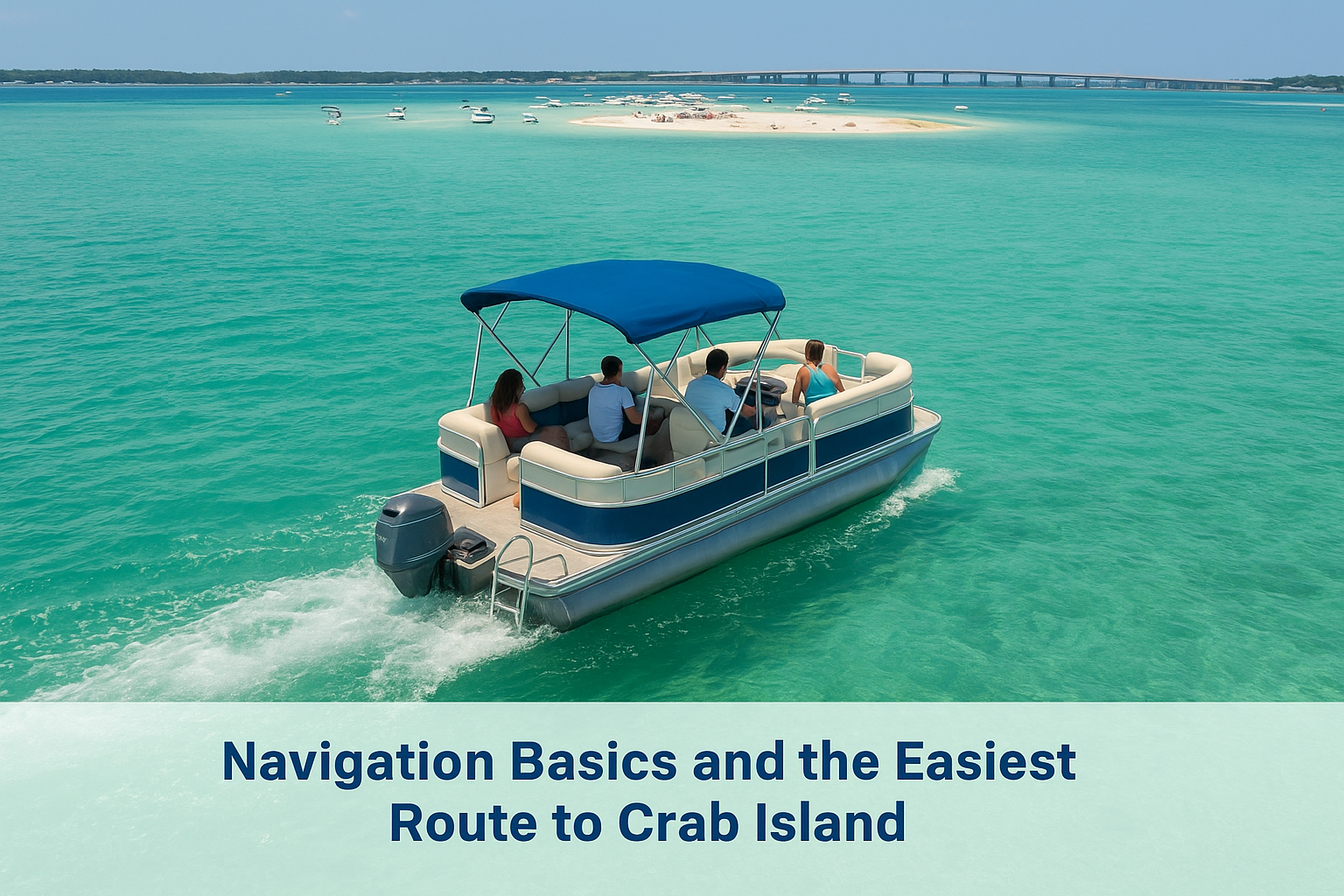
1. Rent a pontoon and spend the day at Crab Island

Why it works for a daytime bachelor party

This activity keeps the bachelor party together without forcing anyone into a rigid schedule. You control the departure time, the length of the trip, and how long you stay anchored. The pontoon gives you shade, seating, and a floating home base while Crab Island delivers the party atmosphere. Floating food boats sell burgers, tacos, and drinks, so you don’t need to pack everything yourself. Groups bond naturally when they’re all hanging in the water together, which makes this one of the easiest ways to kick off a bachelor weekend.
Crab Island offers one of the few spots where you can combine a boat rental, a swim-up party scene, and Gulf views into a single daytime activity.

Best time of day and how long to plan

You want to leave the dock between 10 a.m. and noon to claim a good spot before the sandbar fills up. Most groups rent for four to six hours, which gives you time to cruise over, anchor for a few hours, and head back without feeling rushed. Plan for the trip to take about 15 minutes each way from the harbor. Avoid late afternoon if you want calmer water and fewer boats jockeying for space.

Group size, vibe, and who will love it

Pontoons work best for groups of six to twelve people, depending on the boat size. The vibe stays relaxed and social, with plenty of room to move around, drink, and jump in the water. This activity fits bachelor parties that want low-key fun with flexibility. If your groom loves being on the water but doesn’t need nonstop action, this nails it.

Estimated budget per person

Expect to pay $50 to $100 per person for a half-day pontoon rental, depending on group size and boat capacity. Add another $20 to $30 per person for food and drinks from floating vendors. Fuel usually runs around $30 to $50 total, split across the group.

What to bring and key safety rules

Pack sunscreen, towels, a cooler with ice, and plenty of water. Bring cash for the floating vendors since most don’t take cards. Life jackets come with the rental, and you need to wear them if you’re operating the boat or if anyone’s under 18. Designate a sober driver before you leave the dock and avoid anchoring too close to other boats.

2. Do a guided jet ski ride on the bay

A guided jet ski ride through Destin Harbor and along the Emerald Coast delivers high-speed thrills and Gulf views without requiring any experience. Your crew follows an instructor who knows the best routes, the safest channels, and where to open up the throttle. You get adrenaline and scenery packed into one activity, which makes it one of the most popular daytime bachelor party ideas for groups that want action on the water.

Why it works for a daytime bachelor party

Jet ski tours keep the energy high and the group engaged without demanding hours of commitment. You ride in a pack, which creates a shared experience with built-in competition. Groups can race each other on straightaways, follow the guide through harbor traffic, and stop for photos near landmarks. The guide handles navigation and safety, so you focus on riding hard and having fun. This activity works for bachelor parties that want something more intense than a pontoon float but don’t need an all-day commitment.

Guided jet ski tours let you push speed limits safely while exploring parts of Destin Harbor most visitors never see.

Best time of day and how long to plan

Book a tour between 9 a.m. and 11 a.m. to beat afternoon heat and catch calmer water. Most tours run 60 to 90 minutes, which includes a safety briefing, gear setup, and the ride itself. You spend about 45 minutes on the water, covering miles of coastline and harbor channels.
Group size, vibe, and who will love it

Tours accommodate groups of four to ten riders, depending on availability. The vibe runs high-energy and competitive, perfect for bachelor parties that want speed and action. Grooms who love motorsports, water sports, or anything with a throttle will dominate this activity.

Estimated budget per person

Expect to pay $120 to $150 per person for a guided tour. This covers the jet ski rental, fuel, safety gear, and the guide. Some operators offer group discounts for parties of six or more.

What to bring and key safety rules

Bring sunglasses with a strap, sunscreen, and swimwear that won’t come off during high-speed turns. Wear the provided life jacket the entire ride. Follow the guide’s instructions, maintain safe distances between riders, and avoid alcohol before or during the tour.

3. Book a morning deep sea fishing charter

A deep sea fishing charter gets your bachelor party off the dock early and out into Gulf waters where bigger fish live. You leave while the sun rises, spend hours trolling for mahi-mahi, grouper, or red snapper, and return with fresh catches and sea stories before lunchtime. Chartered fishing trips combine competition, skill, and the kind of downtime that lets guys talk without distractions. This ranks high among daytime bachelor party ideas for groups that want something physical and rewarding.

Why it works for a daytime bachelor party

Fishing charters create natural camaraderie through shared challenges. Your crew competes to land the biggest fish while bonding over early morning beers and Gulf sunrises. The captain and crew handle navigation, bait, and filleting, so you focus on reeling in catches. Groups walk away with fresh fish for a cookout and photos of whoever caught the trophy haul. Bachelor parties that want a mix of competition and relaxation find this activity hits both.

Morning fishing charters deliver trophy catches and quiet Gulf time before most people finish breakfast.

Best time of day and how long to plan

Book a charter that leaves between 6 a.m. and 7 a.m. to reach productive fishing spots by sunrise. Most trips run four to six hours, returning you to the dock before noon. You spend three to four hours actively fishing, with travel time making up the rest.

Group size, vibe, and who will love it

Charters accommodate groups of six to twelve, depending on boat size. The vibe stays competitive but laid-back, perfect for bachelor parties that want morning action without chaos. Grooms who fish regularly or want to try something new will dominate this activity.

Estimated budget per person

Expect to pay $80 to $150 per person for a half-day charter. This covers the boat, crew, tackle, and bait. Some captains charge extra for fish cleaning.

What to bring and key safety rules

Bring sunscreen, polarized sunglasses, and motion sickness medication if anyone gets seasick. Wear closed-toe shoes with grip. Follow the captain’s instructions, watch your footing on wet decks, and avoid alcohol until you’re back on land.

4. Go parasailing for big views and big laughs

Parasailing launches your bachelor party 800 feet above the Gulf for views that stretch across miles of emerald water and white sand beaches. You get strapped into a harness, the boat accelerates, and you lift off the deck as the parachute fills with wind. The entire experience delivers adrenaline during takeoff, serenity in the air, and laughter when you splash down. This activity stands out among daytime bachelor party ideas because it pushes comfort zones without requiring athletic ability or experience.

Why it works for a daytime bachelor party

Parasailing creates instant photo opportunities and stories that last long after the trip ends. Your crew watches from the boat while each rider soars above the water, which builds anticipation and friendly trash talk. The contrast between nervous energy before launch and calm confidence in the air makes this activity memorable. Groups bond over shared nerves and celebrate together when everyone survives the splashdown.

Parasailing delivers bucket list views and genuine thrills without demanding hours of your bachelor party schedule.

Best time of day and how long to plan

Schedule your flight between 9 a.m. and noon for calmer winds and better visibility. Each session takes 60 to 90 minutes total, including boat travel and safety briefings. Your actual flight time runs 10 to 15 minutes per person.

Group size, vibe, and who will love it

Most operators handle groups of six to ten, with riders going up individually or in pairs. The vibe stays exciting and supportive, perfect for bachelor parties that want quick thrills with built-in bragging rights.

Estimated budget per person

Expect to pay $80 to $120 per person for a standard flight. Photo packages add $20 to $40.

What to bring and key safety rules

Bring waterproof sunscreen and secure your phone or leave it on the boat. Wear swimwear and shoes you can kick off. Follow crew instructions during takeoff and landing, and avoid parasailing after drinking alcohol.

5. Take a private dolphin and harbor cruise

A private dolphin and harbor cruise combines wildlife watching with coastal sightseeing in a relaxed setting that works for any bachelor party pace. Your group boards a chartered boat, cruises through Destin Harbor past fishing fleets and luxury yachts, then heads into open water where dolphins swim alongside the boat. You get close-up views of marine life, photo opportunities with the Gulf as backdrop, and narration from a captain who knows where dolphins feed and play. This ranks among the most chill daytime bachelor party ideas for crews that want something memorable without physical demands.

Why it works for a daytime bachelor party

Dolphin cruises deliver consistent entertainment without requiring effort from your group. Everyone stays on board, drinks in hand, watching dolphins surface and jump near the boat. The harbor tour adds local context and gives you views of Destin’s waterfront that you miss from land. Bachelor parties that want a break from high-intensity activities find this cruise resets the energy while keeping everyone together.

Private dolphin cruises offer guaranteed wildlife encounters and Gulf views without the physical commitment of fishing or water sports.

Best time of day and how long to plan

Book your cruise between 10 a.m. and 2 p.m. when dolphins feed most actively. Most trips run 90 minutes to two hours, covering both the harbor tour and dolphin watching.

Group size, vibe, and who will love it

Private charters accommodate groups of six to twenty, depending on boat size. The vibe stays relaxed and social, perfect for bachelor parties that want easy conversation and scenic downtime.

Estimated budget per person

Expect to pay $40 to $70 per person for a private charter. Larger groups split costs more efficiently.

What to bring and key safety rules

Bring cameras, sunscreen, and drinks if the charter allows outside beverages. Wear non-slip shoes and follow captain instructions when moving around the boat.

6. Plan a beach day at Henderson Beach with games

Henderson Beach State Park delivers 900 feet of protected Gulf shoreline with space to set up a full bachelor party base camp for the day. You claim a spot early, anchor your coolers and chairs in the sand, and spend hours rotating between beach games, swimming, and cold drinks. The park stays less crowded than public beaches while offering facilities like restrooms, showers, and pavilions. This lands among the most budget-friendly daytime bachelor party ideas for groups that want flexibility without sacrificing quality beach access.

6. Plan a beach day at Henderson Beach with games

Why it works for a daytime bachelor party

Beach days give your crew freedom to split up and regroup naturally throughout the day. Some guys play spikeball or cornhole while others swim or nap under umbrellas. You control the schedule, the activities, and the vibe without coordinating with vendors or captains. Groups bond over competitive beach games and shared downtime between rounds. Henderson Beach provides natural scenery and photo backdrops that beat generic hotel pools.

Henderson Beach combines pristine Gulf access with bachelor party flexibility that structured tours can’t match.

Best time of day and how long to plan

Arrive between 8 a.m. and 9 a.m. to secure prime spots before the park fills. Plan for four to six hours on-site. You pay the $6 entrance fee per vehicle at the gate.

Group size, vibe, and who will love it

This works for groups of six to twenty. The vibe stays casual and social, perfect for bachelor parties that want relaxed competition and Gulf views.

Estimated budget per person

Expect to spend $10 to $20 per person covering park entry, food, and drinks. Game equipment adds $20 to $50 total if you need to buy it.

What to bring and key safety rules

Pack beach games, coolers with ice, sunscreen, and plenty of water. Bring trash bags and follow park rules. Avoid glass containers and respect other beachgoers sharing the space.

7. Play a round of golf or hit a driving range

Golf fits naturally into daytime bachelor party ideas for groups that want friendly competition without getting soaked or sunburned. Destin offers several courses with Gulf views and challenging layouts that test your swing while keeping the atmosphere relaxed. You can book a full 18-hole round for competitive players or hit a driving range where everyone smashes balls without worrying about scorecards. The pace stays flexible, drinks flow throughout the round, and your crew gets hours of conversation between shots.

Why it works for a daytime bachelor party

Golf creates natural downtime between swings where your group talks, jokes, and bonds without forced interaction. You compete hole-by-hole while maintaining social flow that structured activities can’t match. Driving ranges work for mixed skill levels since everyone focuses on distance and form rather than keeping score. Bachelor parties that want relaxed competition with built-in breaks find golf delivers exactly that.

Golf keeps bachelor parties engaged for hours without demanding constant physical effort or nonstop energy.

Best time of day and how long to plan

Tee times between 8 a.m. and 10 a.m. beat afternoon heat and slower play. A full round takes four to five hours, while driving range sessions run 60 to 90 minutes.

Group size, vibe, and who will love it

Golf accommodates groups of four to sixteen across multiple foursomes. The vibe stays casual and competitive, perfect for grooms who golf regularly or want low-key daytime activity.

Estimated budget per person

Expect to pay $50 to $100 per person for 18 holes including cart rental. Driving ranges cost $15 to $30 for bucket rentals.

What to bring and key safety rules

Bring golf shoes, sunscreen, and plenty of water. Rent clubs if anyone doesn’t own a set. Follow course pace-of-play rules and avoid excessive drinking until the back nine.

8. Do a bike ride with stops in Destin hotspots

Bike rides transform daytime bachelor party ideas into active tours that cover more ground than walking while keeping the pace social. You rent bikes, map a route through Destin’s boardwalks, harbor district, and coastal neighborhoods, then stop at breweries, taco stands, or beach access points along the way. Your crew stays together while burning calories that justify the beers you drink at each stop. This activity combines exercise, exploration, and drinking without the cost or commitment of boat rentals.

Why it works for a daytime bachelor party

Biking keeps energy levels steady while creating natural conversation flow between stops. You avoid the sluggish feeling that comes from sitting at bars all day while still hitting multiple locations. Bachelor parties that want to explore Destin beyond the beach find bikes reveal neighborhoods, restaurants, and views they’d miss from a car. The activity stays flexible since you control your route, stop duration, and total mileage.

Bike tours let you cover miles of Destin coastline while building an appetite for seafood and cold drinks at every stop.

Best time of day and how long to plan

Start between 9 a.m. and 10 a.m. to finish before afternoon heat peaks. Plan for three to four hours total, including riding time and stops. You cover 8 to 12 miles depending on your route and fitness levels.

Group size, vibe, and who will love it

This works for groups of four to ten riders. The vibe stays casual and exploratory, perfect for bachelor parties that want active daytime plans with drinking built in.

Estimated budget per person

Expect to pay $20 to $40 per person for bike rentals. Add $30 to $50 for food and drinks at stops.

What to bring and key safety rules

Bring sunscreen, water bottles, and phone mounts for navigation. Wear helmets and follow traffic laws. Avoid heavy drinking until your final stop to keep riding safe.

9. Build a daytime food crawl with seafood and beer

A food crawl lets your bachelor party sample multiple restaurants, bars, and seafood shacks across Destin without committing to one location all day. You map a route hitting four to six spots for appetizers, entrees, and drinks, then walk or Uber between locations. Your crew eats fresh Gulf oysters at one stop, crushes fish tacos at the next, and finishes with cold beers overlooking the harbor. This ranks among the most flexible daytime bachelor party ideas for groups that want great food and social drinking without structured activities.

Why it works for a daytime bachelor party

Food crawls keep your group moving while satisfying different appetites and drinking speeds. You avoid sitting at one table for hours while still getting quality meals and local seafood. Bachelor parties that want downtime between physical activities find this fills afternoons perfectly. Everyone contributes to the route, which creates investment in the experience.

Food crawls let you taste Destin’s best seafood spots while keeping the bachelor party social and mobile throughout the day.

Best time of day and how long to plan

Start your crawl between noon and 1 p.m. to catch lunch specials and avoid dinner crowds. Plan for three to four hours covering four to six locations. Space stops 30 to 45 minutes apart for eating and travel time.

Group size, vibe, and who will love it

This works for groups of four to twelve. The vibe stays social and exploratory, perfect for bachelor parties that want good food with drinking built in.

Estimated budget per person

Expect to spend $50 to $80 per person covering food, drinks, and transportation between stops.

What to bring and key safety rules

Bring cash for quick payments and tips. Designate a sober driver or budget for rideshare costs. Pace alcohol consumption across stops and drink water between locations.

daytime bachelor party ideas infographic

Quick wrap-up

Destin delivers on every type of daytime bachelor party ideas your crew needs, whether you want adrenaline or relaxation on the Emerald Coast. You can hit the water with jet skis and fishing charters, claim beach territory at Henderson Beach, or cruise through town on bikes hitting seafood spots along the way. The Gulf Coast gives you options that keep energy high without forcing everyone into the same rigid schedule, and every activity works for groups that want to bond before the sun sets.

Your bachelor party deserves more than generic tourist traps and overpriced bar tabs that drain wallets without creating real experiences. Original Crab Island specializes in getting groups out on the water with pontoon rentals, fishing charters, and water sports that create the kind of memories you talk about for years. We handle the logistics while you focus on celebrating the groom. Book your bachelor party adventure and lock in the best daytime activities Destin offers before your crew arrives.