
Category: Isla del Cangrejo

What Is a Bachelor Party? A Guide to the Groom’s Big Night

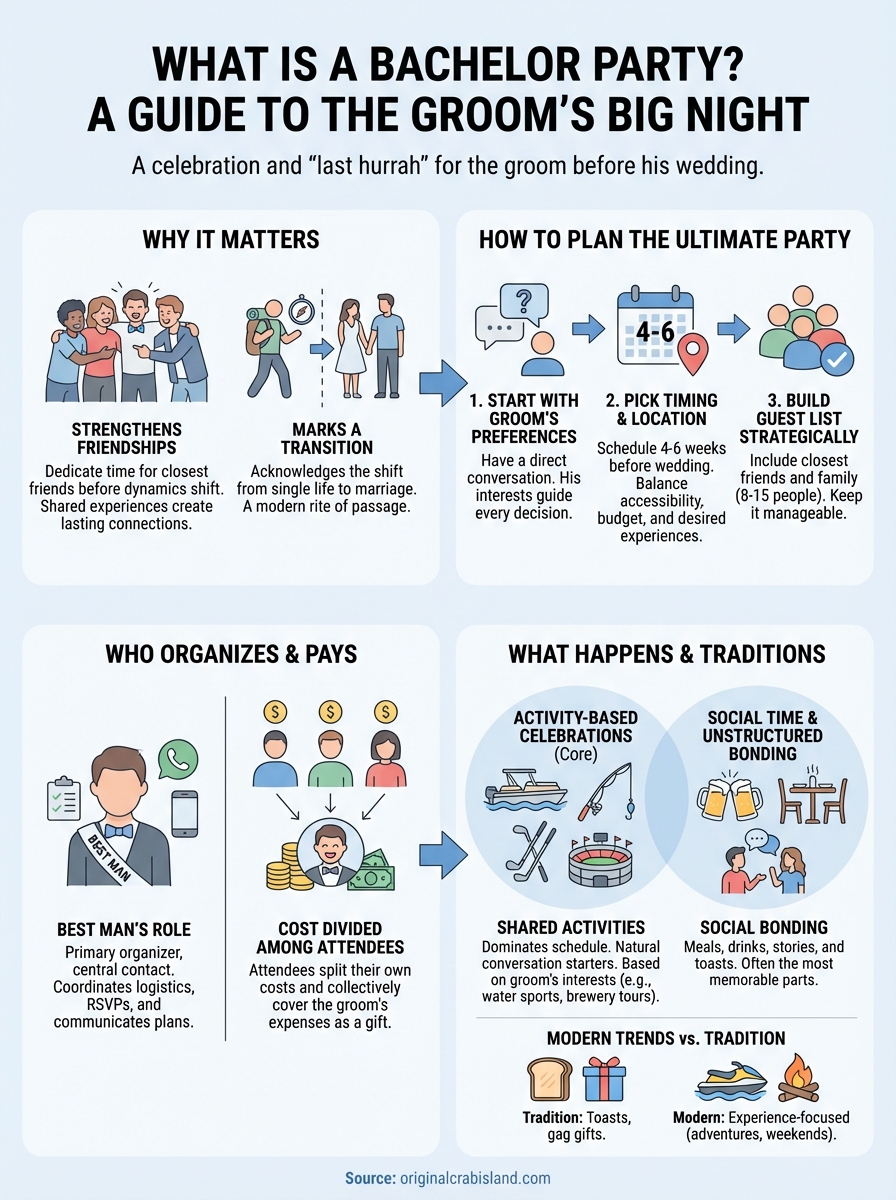
What is a bachelor party? It’s a celebration thrown for a groom before his wedding day. The event gives the groom and his closest friends one last hurrah as a single man. Traditions vary wildly, from low key gatherings to weekend adventures, but the core idea stays the same: honor the groom and celebrate his upcoming marriage with the people who matter most to him.

This guide walks you through everything you need to know about planning and hosting a bachelor party. You’ll learn why these celebrations matter, who handles the planning and costs, what actually happens at these events, and how traditions have evolved over time. Whether you’re organizing your first bachelor party or you’re a groom wondering what to expect, this article gives you the practical knowledge to pull off a memorable celebration.

Why having a bachelor party matters

A bachelor party serves a deeper purpose than just a night of celebration. It marks a pivotal transition in the groom’s life, offering him and his friends a chance to acknowledge that change together. The event creates space for the groom to step away from wedding planning stress and enjoy quality time with the people who’ve supported him throughout different chapters of his life.

It strengthens friendships before a major life change

Marriage changes your social dynamics, and a bachelor party acknowledges this reality head on. Your friendships naturally shift when you get married, as priorities reallocate toward your spouse and building a family. The bachelor party gives you dedicated time with your closest friends before those dynamics evolve.

This celebration brings together people from different parts of your life: childhood friends, college roommates, work colleagues, and family members. They might not know each other well, but the shared experience of celebrating you creates new connections within your social circle. These bonds often extend beyond the party itself, strengthening your support network for years to come.

A bachelor party provides a unique opportunity to gather your closest friends in one place, something that becomes increasingly difficult as everyone’s lives get busier.

It marks a significant transition

Understanding what is a bachelor party means recognizing its role as a modern rite of passage. You’re moving from one life stage to another, and the celebration acknowledges both what you’re leaving behind and what you’re stepping into. The event honors your single life without diminishing the commitment you’re about to make.

The party creates a clear boundary between your unmarried and married identities. This psychological marker helps you process the magnitude of your upcoming commitment. Rather than viewing marriage as losing freedom, the bachelor party reframes it as completing one chapter and beginning another, both equally valuable.

It creates lasting memories

Years after your wedding, you’ll remember the specific moments from your bachelor party: the inside jokes, the unexpected adventures, the heartfelt conversations that happened at 2 AM. These memories become touchstones in your friendship, stories you’ll retell at future gatherings.

The experience also provides shared history with your friends. When life gets complicated and you drift apart geographically or circumstantially, these memories keep your connections alive. You invested time and energy into celebrating together, and that investment pays dividends throughout your life.

Bachelor parties matter because they serve multiple functions simultaneously. They celebrate the groom, strengthen friendships, acknowledge life transitions, and create lasting memories. The event gives everyone involved permission to prioritize the relationship and have fun together without guilt or obligation. That combination of celebration, acknowledgment, and connection makes bachelor parties a meaningful tradition rather than just another party.

How to plan the ultimate bachelor party

What Is a Bachelor Party? A Guide to the Groom’s Big Night

Planning a successful bachelor party requires deliberate coordination and early preparation. You need to balance the groom’s preferences with practical constraints like budget, schedules, and group dynamics. The best parties happen when you start planning at least two to three months in advance, giving everyone time to request time off work and make travel arrangements if needed.

Start with the groom’s preferences

Every successful bachelor party begins with understanding what the groom actually wants. Some grooms prefer quiet weekends at a cabin, while others want action packed adventures in major cities. Have a direct conversation with him about his comfort level, interests, and any hard boundaries he wants to set.

Ask specific questions about activity preferences, group size, and locations he’s always wanted to visit. This prevents the common mistake of planning the party you’d want instead of the one he’ll enjoy. You’re celebrating him, so his preferences should guide every decision you make throughout the planning process.

Pick the right timing and location

Schedule the bachelor party four to six weeks before the wedding date. This timing gives the groom enough buffer to recover and handle any last minute wedding preparations. Avoid scheduling it the weekend immediately before the wedding, when stress levels peak and logistics get complicated.
Pick the right timing and location

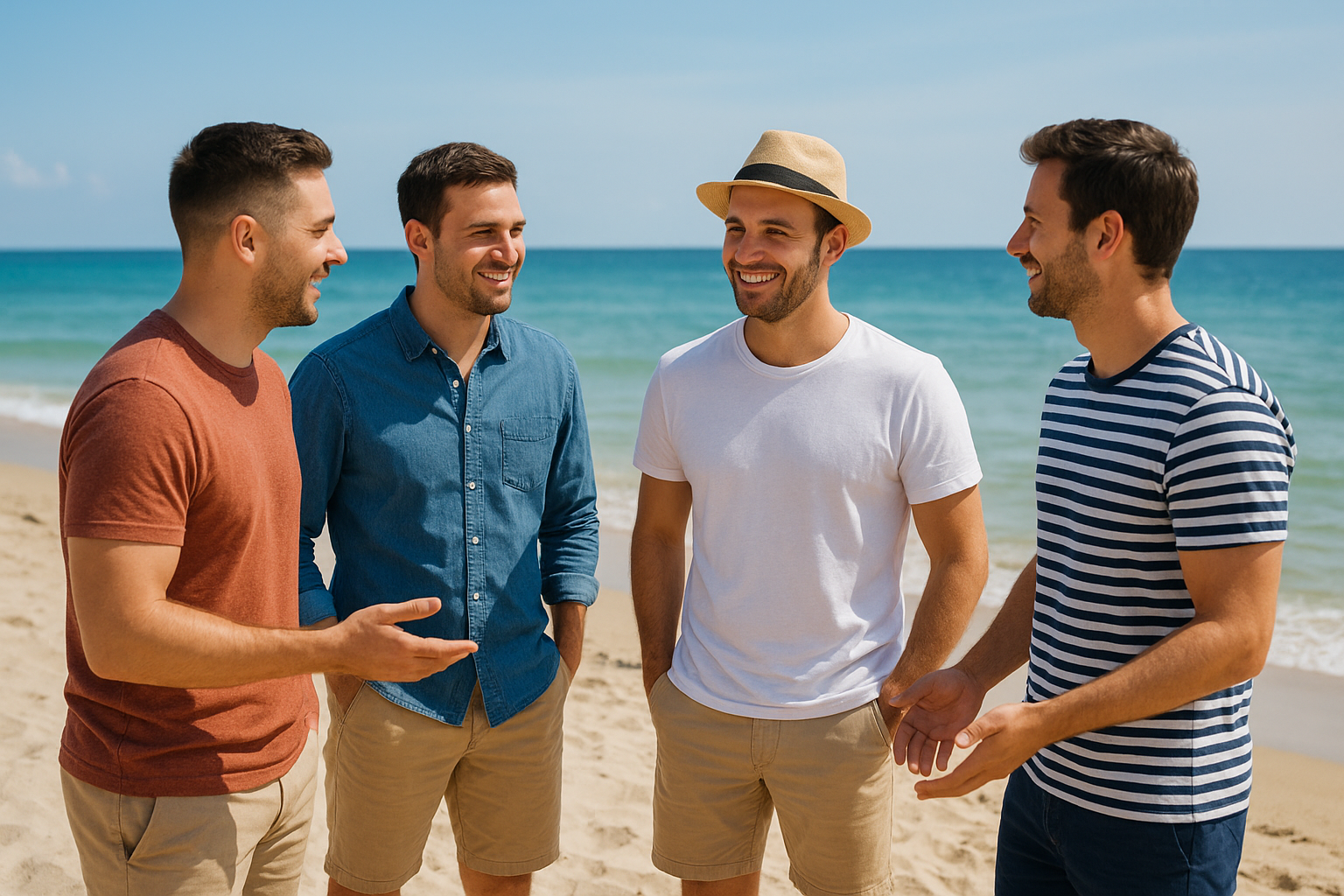
Choose a location that balances accessibility for your group with the experiences you want to have.

Location decisions depend on your budget and group size. Local celebrations work well for budget conscious groups or when travel complicates attendance. Destination bachelor parties in places like Destin create memorable experiences but require more planning and higher costs. Consider what percentage of your guest list can realistically attend based on the location you choose.

Build your guest list strategically

Your guest list should include the groom’s closest friends and important family members. Keep the group size manageable, typically between 8 to 15 people, to maintain group cohesion and simplify logistics. Larger groups split into factions and make restaurant reservations or activity bookings more challenging.

Who organizes and pays for the event

Understanding what is a bachelor party also means knowing who handles the planning responsibilities and financial obligations. The traditional structure places specific duties on certain people, but modern bachelor parties often distribute these tasks differently based on group dynamics and individual circumstances.

The best man’s role as primary organizer

The best man typically takes charge of organizing the entire event, from selecting the date to coordinating activities. He acts as the central point of contact for all attendees, handling RSVPs, collecting money, and managing logistics. This responsibility comes with the best man title, though he often forms a planning committee with other groomsmen to share the workload.

His duties include researching destinations, booking accommodations, creating itineraries, and communicating plans to the group. The best man also ensures the party aligns with the groom’s preferences while keeping everything within budget. Sometimes close friends or brothers step into this role when the groom doesn’t designate a best man, or when the best man lives too far away to coordinate effectively.

How costs get divided among attendees

Attendees split most bachelor party expenses, with each person covering their own travel, accommodation, and activity costs. The standard practice involves everyone except the groom paying for their portion, while the group collectively covers the groom’s expenses as their gift to him. This arrangement applies to meals, drinks, activities, and accommodations.

Splitting the groom’s costs among attendees keeps individual expenses manageable while ensuring he participates without financial stress.

Payment typically happens through digital platforms that track who owes what and simplify reimbursements. The organizer often pays upfront for group bookings and then collects money from attendees afterward. Clear communication about expected costs helps prevent awkward situations and ensures everyone can afford to participate. Some groups choose to skip expensive activities if they price out too many core attendees.

What happens at a bachelor party

Bachelor parties vary widely based on the groom’s interests and the group’s budget, but most follow a predictable structure that combines planned activities with social time. You spend the day or weekend doing things the groom enjoys, whether that’s hitting the golf course, renting boats in Destin, or exploring a new city. The events create opportunities for unstructured bonding alongside organized entertainment.

Activity-based celebrations dominate the schedule

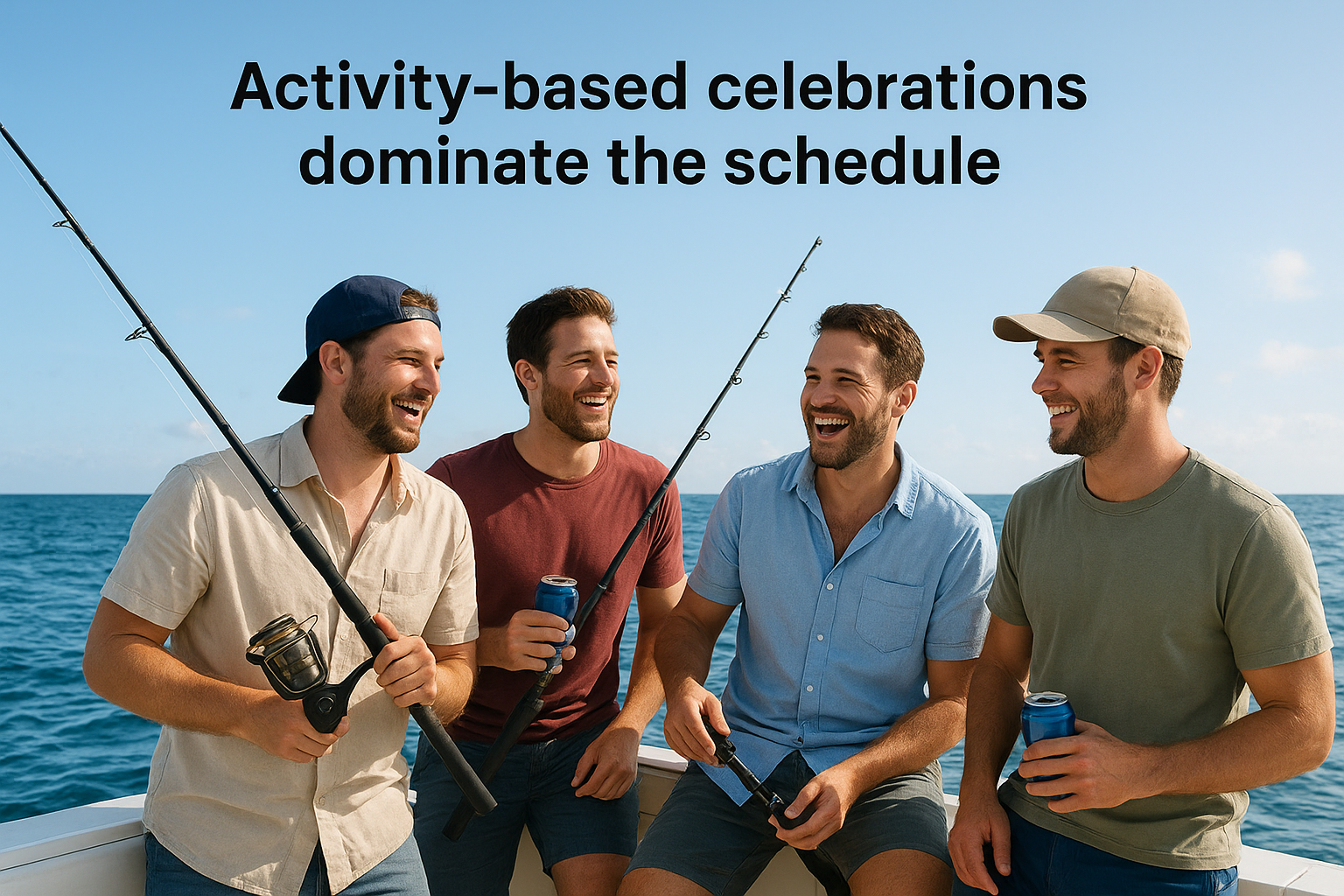
The core of most bachelor parties revolves around shared activities that get everyone participating together. Common options include outdoor adventures like fishing charters, water sports, or hiking trips. Urban celebrations might feature brewery tours, sporting events, or escape rooms. You choose activities based on what the groom genuinely enjoys rather than following a script.
Activity-based celebrations dominate the schedule

These activities serve a practical purpose beyond entertainment. They give people natural conversation starters and create shared experiences, especially important when attendees don’t all know each other well. Group activities break the ice faster than sitting around a table making small talk.

Social time strengthens the experience

Between planned activities, you spend considerable time eating meals together, sharing drinks, and telling stories about the groom. These informal moments often become the most memorable parts of the celebration. You reminisce about past adventures, roast the groom good naturedly, and discuss what marriage means to everyone present.

The unplanned conversations and spontaneous moments during downtime often matter more than the expensive activities you book.

Evenings typically involve going out to bars or restaurants, though some groups prefer staying in for games or watching sports. Understanding what is a bachelor party means recognizing these social connections form the real substance of the event. The activities provide a framework, but the relationships and conversations create the lasting value. You balance structure with flexibility, leaving room for spontaneous decisions that accommodate the group’s energy and interests throughout the celebration.

Common traditions and modern trends

Bachelor party customs have evolved significantly over the decades, blending time-tested rituals with contemporary preferences. Today’s celebrations maintain certain traditional elements while embracing new approaches that reflect changing attitudes about masculinity, friendship, and celebration. You’ll find parties that honor classic customs alongside those that completely redefine what is a bachelor party.

Traditional elements that remain popular

Several classic traditions still appear at most bachelor parties, regardless of how modern the overall event feels. Toasts to the groom remain a centerpiece, where friends share stories and express their support for his upcoming marriage. Groups often give the groom ceremonial gifts or gag items that reference his single life or upcoming married status.

The practice of taking the groom out for his last night as a single man persists, even though the activities surrounding that concept have changed. Many groups still visit bars or nightlife venues as part of the celebration, maintaining the social drinking aspect that’s been central to bachelor parties for generations.

How modern bachelor parties have evolved

Contemporary celebrations prioritize shared experiences over stereotypical debauchery. Adventure activities like skydiving, racing experiences, or renting pontoon boats have replaced traditional strip club visits for many groups. You see more grooms choosing destination weekends focused on outdoor recreation, craft brewery tours, or sporting events.

Modern bachelor parties emphasize creating meaningful memories with close friends rather than following outdated scripts about wild behavior.

Technology has transformed planning and execution, with groups using apps to coordinate schedules, split expenses, and share photos in real time. Customization defines today’s approach, where the groom’s actual interests dictate activities rather than generic traditions. Some grooms even invite their partners to join parts of the celebration, reflecting more inclusive attitudes about pre-wedding events.
what is a bachelor party infographic

A final toast to the groom

Understanding what is a bachelor party gives you the foundation to plan a celebration that honors your friendship with the groom while creating experiences everyone will remember. These gatherings work best when you prioritize the groom’s genuine interests, communicate clearly about costs and expectations, and balance structured activities with unstructured social time. The traditions you choose matter less than the intentionality behind your planning and the effort you put into bringing people together for a meaningful celebration.

Planning the perfect bachelor party means choosing a location that delivers memorable experiences without breaking your budget. If you’re looking for a destination that combines water adventures, outdoor activities, and relaxed coastal atmosphere, Destin offers everything you need for an unforgettable bachelor party weekend. Your group deserves a celebration that reflects the groom’s personality while giving everyone involved a chance to strengthen their bonds before the wedding day arrives.
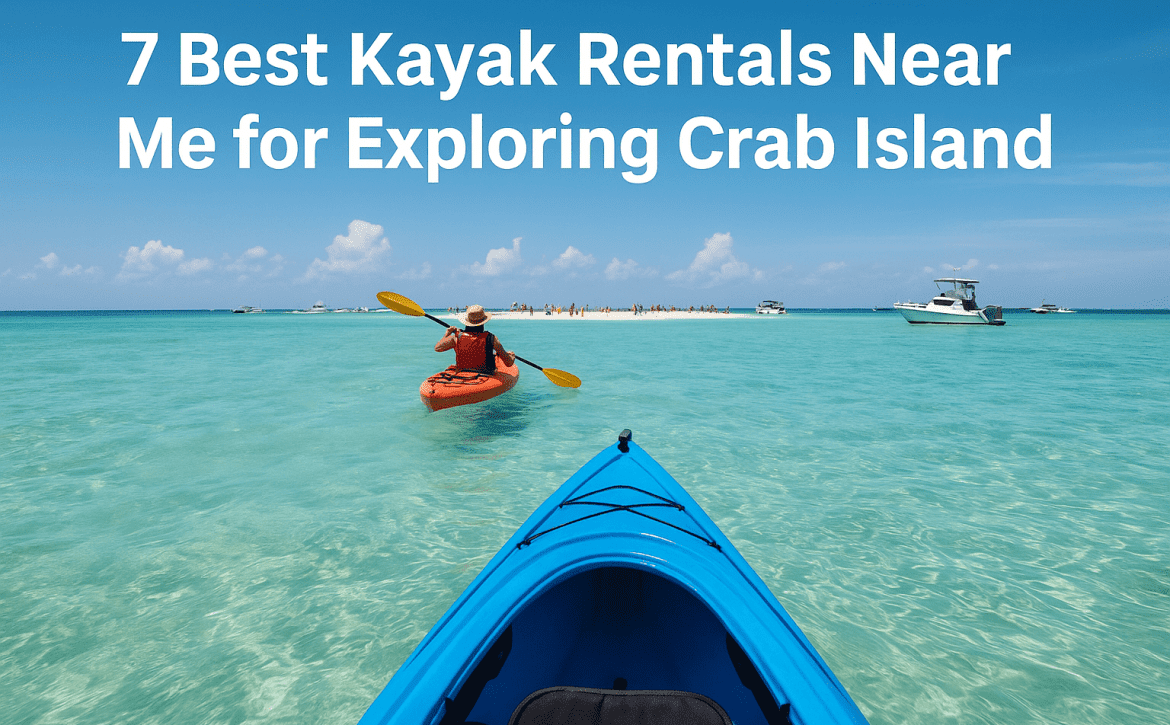
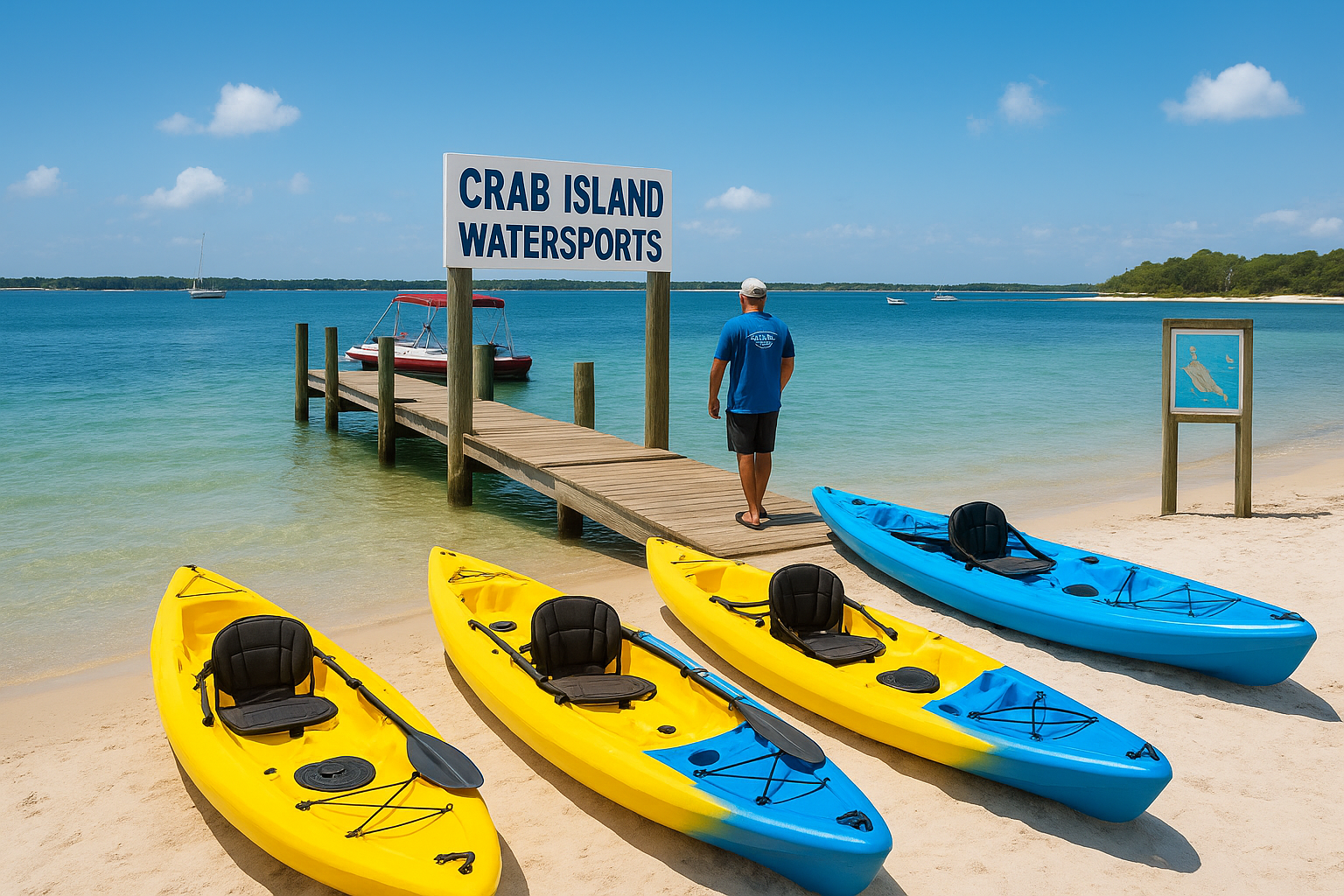
7 Best Kayak Rentals Near Me for Exploring Crab Island

You want to paddle out to Crab Island, but finding reliable kayak rentals near me can feel overwhelming. With dozens of rental shops scattered across Destin, you need clear information about pricing, locations, and equipment quality before you book. Not all rental providers offer the same value, and some are better positioned for reaching Crab Island than others.

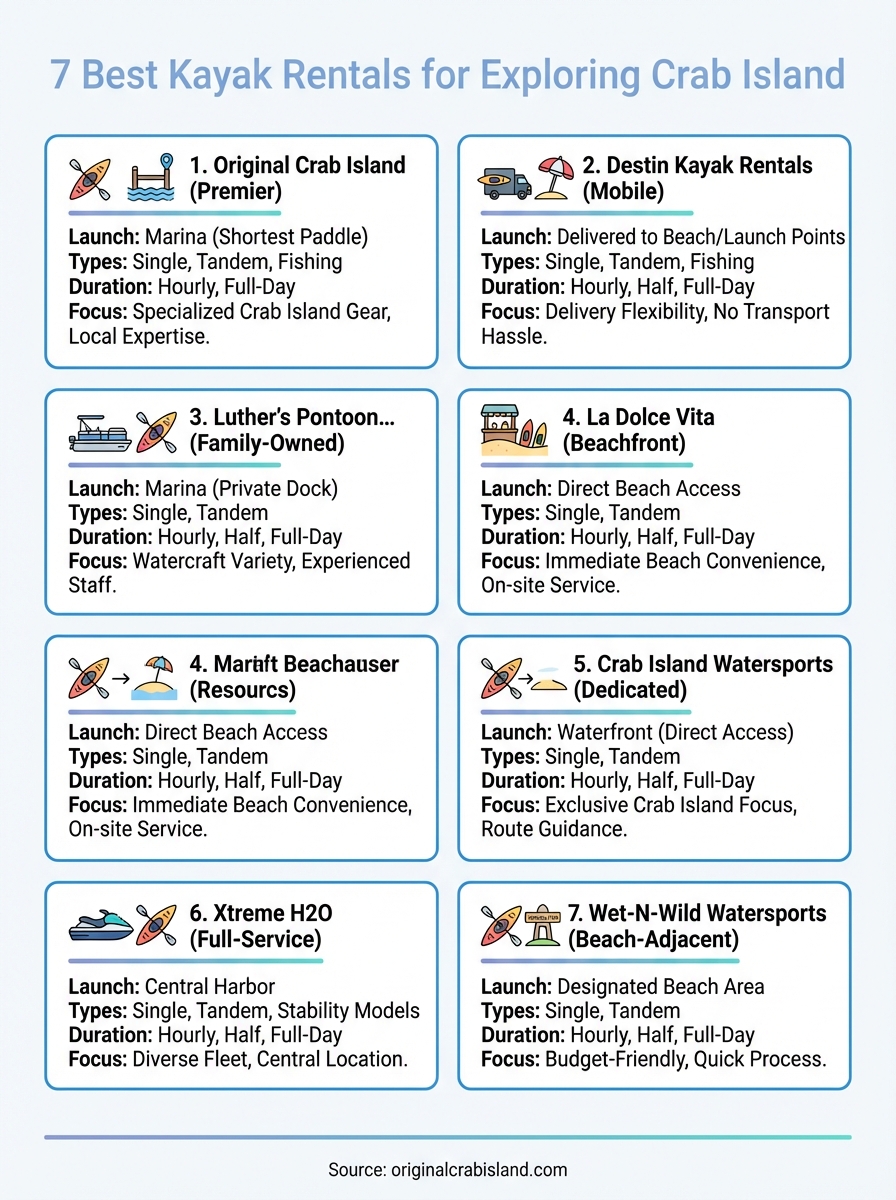
This guide breaks down the 7 best kayak rental options in the Destin area specifically for exploring Crab Island. You’ll get detailed information about rental rates, available kayak types, launch points, and what makes each provider unique. Whether you need a single kayak for a solo adventure, a tandem for you and a partner, or a fishing kayak to catch dinner, you’ll find the right rental match here. Each option listed gives you direct access to Crab Island’s famous sandbar and crystal clear waters.

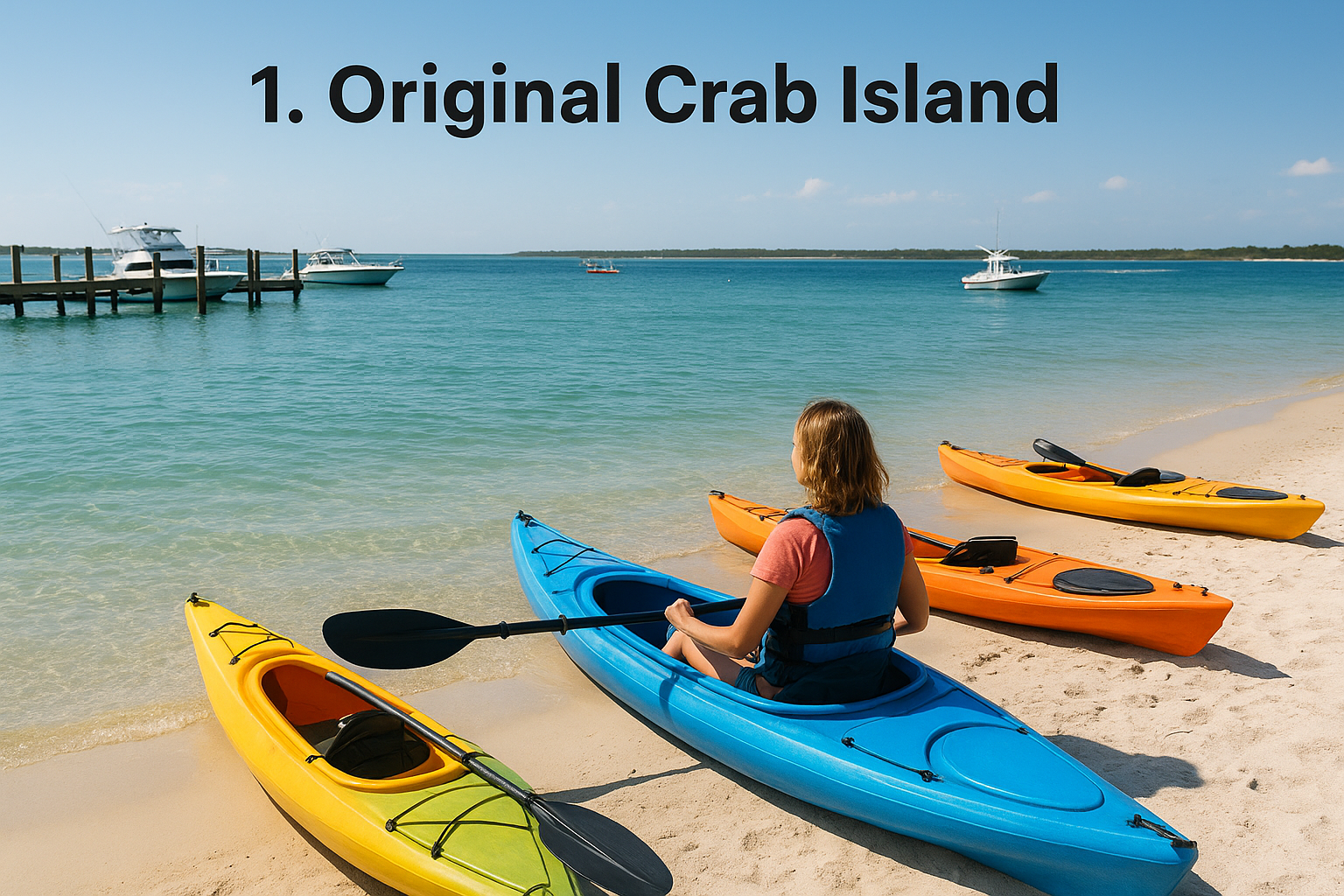
1. Original Crab Island

Original Crab Island tops this list as the premier kayak rental provider for reaching Crab Island’s famous sandbar. Located directly in Destin, this company specializes in watercraft rentals specifically designed for Crab Island adventures. You get access to well-maintained equipment, competitive pricing, and staff who know the area’s waters inside and out. Their strategic launch location cuts your paddling distance significantly compared to other rental shops in the area.

1. Original Crab Island

Rental options and equipment

You can choose from single kayaks, tandem kayaks, and fishing kayaks depending on your group size and activity preferences. Each kayak comes with paddles, life jackets, and basic safety equipment included in your rental. The single kayaks work best for solo paddlers who want maneuverability and speed, while tandem options let you and a partner share the paddling work. Fishing kayaks feature rod holders and storage compartments if you plan to cast a line near the sandbar. All equipment undergoes regular maintenance checks, so you don’t need to worry about faulty gear ruining your day.

When searching for kayak rentals near me, proximity to Crab Island matters as much as equipment quality.

Pricing and duration

Original Crab Island offers hourly and full-day rental options to fit different schedules and budgets. Hourly rates start around $25 for single kayaks and increase to approximately $40 for tandem models. Full-day rentals provide better value if you plan to spend 4+ hours on the water, typically running between $75-$120 depending on kayak type. You pay upfront when you book, and the staff walks you through a quick safety briefing before you launch. Weekend rates may increase slightly during peak summer months, so booking in advance saves you money.

Location and launch point

The company operates from a marina location near the Destin Bridge, giving you one of the shortest paddle routes to Crab Island. You launch directly from their dock, which means you avoid the hassle of transporting kayaks to public beach access points. The paddle to Crab Island takes approximately 15-20 minutes from their launch point, depending on water conditions and your paddling pace. Staff members provide clear directions to the sandbar and mark the best routes on waterproof maps. You can return your kayak any time before your rental period ends without penalties.

2. Destin Kayak Rentals

Destin Kayak Rentals operates as a mobile rental service that brings equipment directly to your preferred launch location. This company fills a unique niche for visitors who want flexibility in choosing their starting point for paddling to Crab Island. You don’t need to drive to a specific marina or rental shop because they deliver kayaks to various beach access points and public launches throughout the Destin area. Their delivery model works particularly well if you’ve already secured parking near a launch site or if you’re staying at a beachfront property.

Available kayak types

You can rent single sit-on-top kayaks, tandem kayaks, and specialized fishing models from Destin Kayak Rentals. The sit-on-top design makes getting in and out easier, which matters if you plan to swim or snorkel near Crab Island. Tandem kayaks accommodate two adults comfortably and include adjustable seats for different paddler heights. Every rental includes paddles, personal flotation devices, and dry bags for keeping your phone and valuables protected. The fishing kayaks feature built-in rod holders and gear tracks for mounting accessories.

Rental costs

Pricing starts at $30 per hour for single kayaks and increases to $45 per hour for tandem models. Half-day rentals (4 hours) run between $60-$90 depending on kayak type, while full-day options cost $80-$130. You save approximately 20% by booking full-day rentals compared to hourly rates. Payment gets processed when you book online or over the phone, and the company requires a credit card on file for security deposits.

Delivery and launch services

Destin Kayak Rentals delivers equipment to most public beach access points within a 5-mile radius of Destin Harbor. You schedule your delivery time when booking, and staff members arrive with kayaks already loaded on trailers. They help you launch and provide basic paddling instructions if you need them. Pickup happens at your specified end time, so you don’t handle transportation logistics yourself.

Looking for kayak rentals near me with delivery service eliminates the hassle of hauling equipment to the water.

3. Luther’s Pontoon, Waverunners, & Kayaks

Luther’s Pontoon, Waverunners, & Kayaks operates as a family-owned rental business that’s been serving Destin visitors for over a decade. This company offers multiple watercraft options beyond just kayaks, making it a solid choice if your group wants variety for a Crab Island trip. You can rent kayaks alongside other equipment like pontoon boats and jet skis from the same location. Their experienced staff members know the local waterways thoroughly and provide detailed route suggestions for paddling to the sandbar.

Fleet overview

The rental fleet includes traditional sit-on-top kayaks in both single and tandem configurations. You’ll find standard recreational models that handle well in calm waters, which describes most days around Crab Island. Each kayak comes equipped with adjustable paddles, Coast Guard-approved life vests, and waterproof storage compartments for securing your belongings. The company maintains their equipment regularly, replacing older kayaks each season to keep the fleet current.

Price breakdown

Kayak rentals start at $35 per hour for single models and run approximately $50 per hour for tandem kayaks. Half-day packages (up to 4 hours) cost between $70-$100 depending on kayak type, while full-day rentals range from $95-$145. You pay when you check in, and the company holds a refundable security deposit on your credit card until you return the equipment undamaged.

Comparing prices across kayak rentals near me helps you maximize your vacation budget without sacrificing quality.

Marina location

Luther’s operates from a marina on Highway 98 East, positioned about 2 miles from the Destin Bridge. You launch from their private dock, which gives you direct water access without dealing with crowded public beaches. The paddle to Crab Island takes roughly 25-30 minutes from their location under normal conditions.

4. La Dolce Vita

La Dolce Vita runs a beachfront rental service that sets up shop directly on the sand near Destin’s public beach access points. This company specializes in beach equipment rentals, and kayaks make up a significant portion of their inventory. You get the convenience of renting right where you plan to launch, which eliminates the need to transport equipment from a marina or shop. Their beach-based operation means you can walk up, rent a kayak, and start paddling within minutes of arriving at the beach.

Beach service details

You’ll find La Dolce Vita operating from seasonal beach stations positioned along Destin’s main public beach areas during peak months. Staff members set up equipment displays each morning and remain on-site throughout business hours to handle rentals and returns. The company provides basic paddling instruction and safety briefings before you launch, which helps first-time kayakers feel confident on the water. Each rental includes paddles, life jackets, and a quick orientation about current conditions and weather that might affect your paddle to Crab Island.

Hourly and daily rates

Kayak rentals cost approximately $30 per hour for single models and around $45 per hour for tandem kayaks. You can book half-day sessions (4 hours) for $65-$95 depending on kayak type, or opt for full-day access at $85-$125. Payment happens on the beach using credit cards or cash, and you receive a receipt with your return time clearly marked.

Beach-based kayak rentals near me offer unmatched convenience for spontaneous Crab Island adventures.

Accessibility to Crab Island

La Dolce Vita’s beach locations put you within 1.5-2 miles of Crab Island’s main sandbar area. The paddle typically takes 30-40 minutes depending on your starting beach and water conditions. Staff members point out the sandbar’s location and recommend the safest routes based on current boat traffic patterns.

5. Crab Island Watersports

Crab Island Watersports positions itself as a dedicated provider focused exclusively on Crab Island adventures. This company operates from a waterfront location that gives you direct access to the sandbar without navigating through crowded harbor areas. You work with staff members who specialize in Crab Island trips rather than general water sports, which means they provide specific recommendations about current conditions, timing, and routes to the sandbar. Their focus on this single destination translates to better equipment selection and more relevant local knowledge for your paddle.

5. Crab Island Watersports

Equipment selection

The rental inventory includes sit-on-top recreational kayaks in single and tandem configurations designed specifically for calm water paddling. You get stable models that handle well in the shallow waters surrounding Crab Island’s sandbar. Each kayak rental comes with adjustable paddles suited to your height, Coast Guard-approved life jackets, and waterproof bags for phones and wallets. The company stocks kayaks with built-in cup holders and gear storage, which matters when you plan to spend hours at the sandbar.

Rental fees

Pricing runs approximately $30 per hour for single kayaks and around $45 per hour for tandem models. Half-day packages (4 hours) cost between $65-$90, while full-day rentals range from $85-$120 depending on kayak type. You pay when checking out equipment, and the company processes payments through credit card only.

Specialized kayak rentals near me for Crab Island provide better route guidance than general rental shops.

Proximity to the sandbar

Crab Island Watersports operates from a location that puts you within 1 mile of the sandbar’s main gathering area. You paddle directly from their dock, and the trip takes roughly 15-20 minutes under normal conditions. Staff members mark the sandbar location on waterproof maps and update you about boat traffic patterns before you launch.

6. Xtreme H2O

Xtreme H2O operates as a full-service water sports rental company that caters to adventure seekers heading to Crab Island. This business maintains a diverse fleet of watercraft that goes beyond standard kayak offerings, giving you options if your group wants to mix kayaking with other activities. You benefit from their central location near Destin Harbor and their commitment to maintaining newer equipment that performs reliably on the water. Their staff focuses on getting you out on the water quickly while ensuring you understand basic safety protocols for navigating to the sandbar.

Watercraft variety

The kayak selection includes single and tandem sit-on-top models built for recreational paddling in calm waters. You can choose from standard kayaks or upgrade to wider stability-focused models that work better if you plan to fish or stand while anchored near Crab Island. Each rental comes equipped with paddles matched to your height, Coast Guard-approved life vests, and waterproof storage compartments. Beyond kayaks, the company rents jet skis and paddleboards if you want to explore different ways to reach the sandbar.

Pricing options

Kayak rentals cost approximately $35 per hour for single kayaks and around $50 per hour for tandem models. Half-day packages run between $70-$100 depending on kayak type, while full-day access ranges from $90-$135. You save money by booking online in advance rather than walking up during peak season.

Multi-activity kayak rentals near me give you flexibility to try different watercraft during your Crab Island visit.

Customer experience

Staff members provide detailed safety briefings and route maps before you launch from their dock. You get personalized recommendations about timing your paddle based on current conditions and boat traffic patterns. Return policies allow flexible end times within your rental window, and the company maintains a responsive phone line if you encounter issues on the water.

7. Wet-N-Wild Watersports

Wet-N-Wild Watersports rounds out this list with a beach-adjacent rental operation that combines convenience with competitive pricing for Crab Island paddlers. This company operates from a location near Holiday Isle, giving you easy access to the water without the crowds you find at major marina hubs. You deal with staff members who prioritize quick checkouts and straightforward rental processes, which matters when you want to maximize time on the water. Their inventory focuses on reliable recreational kayaks that handle the short paddle to Crab Island without advanced features you probably don’t need.

Gear availability

The equipment selection includes single and tandem sit-on-top kayaks designed for recreational use in calm bay waters. You receive standard paddles, Coast Guard-approved life jackets, and basic waterproof storage bags with each rental. The company stocks kayaks with comfortable seats and stable hulls that work well for beginners and experienced paddlers alike. All equipment undergoes regular cleaning and maintenance checks between rentals, so you get kayaks that perform as expected.

Cost information

Rental rates start at $30 per hour for single kayaks and increase to approximately $45 per hour for tandem models. Half-day rentals (4 hours) run between $65-$95, while full-day access costs roughly $85-$125 depending on kayak type. You pay when picking up equipment, and the company accepts both credit cards and cash payments.

Budget-conscious searches for kayak rentals near me benefit from comparing half-day versus hourly rates across providers.

Departure logistics

Wet-N-Wild Watersports operates from a spot that puts you within 1.5 miles of Crab Island’s main sandbar. You launch from their designated beach area, and the paddle takes approximately 25-30 minutes under typical conditions. Staff members provide waterproof maps marking the sandbar location and recommend departure times based on current weather patterns.

kayak rentals near me infographic

Plan your Crab Island trip

You now have detailed information about seven reliable kayak rental providers that give you direct access to Crab Island’s famous sandbar. Each option listed provides different advantages based on your budget, preferred launch location, and equipment needs. Comparing prices and proximity helps you choose the right provider for your specific situation.

Your search for kayak rentals near me should focus on three factors: distance to the sandbar, rental duration flexibility, and included safety equipment. Book ahead during peak summer months to guarantee availability and lock in better rates. Check weather conditions before paddling out, and always wear your life jacket regardless of swimming ability.

Original Crab Island offers the complete experience beyond just kayak rentals. You get access to equipment, local expertise, and a launch point positioned for quick access to the sandbar. Start planning your Crab Island adventure today and create memories that last long after your vacation ends.

Bachelor Party Meaning: What It Is, History & Traditions

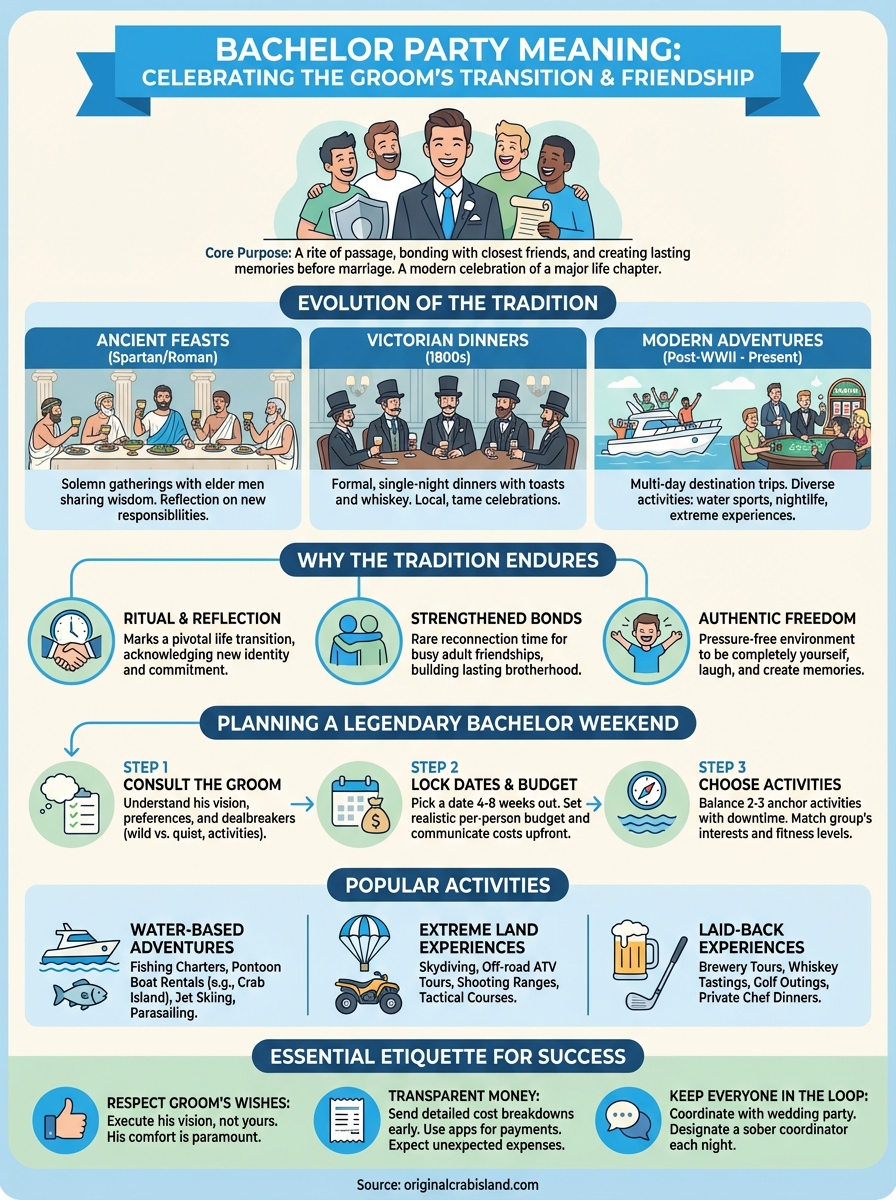
A bachelor party meaning boils down to one simple idea: celebrating a groom’s final days of single life with his closest friends. This celebration before the wedding typically takes place weeks or even days before the ceremony, giving the groom and his crew a chance to bond, create lasting memories, and mark the major transition from bachelor to married man. Think of it as a rite of passage wrapped in good times, plenty of laughter, and maybe a few wild stories that stay between the guys forever.

You’ll discover why this tradition has survived for thousands of years, stretching from ancient Spartan feasts all the way to modern destination trips across the country. We’ll walk you through planning an unforgettable bachelor weekend, share the most popular activities that keep grooms and their friends coming back for more, and cover the essential etiquette that makes the entire experience better for everyone involved. Whether you’re the best man trying to organize the perfect sendoff or a guest wondering what to expect, this guide has everything you need.

Why the bachelor party tradition endures

The bachelor party tradition endures because it taps into something primal and universal: the human need to mark major life transitions with ritual, laughter, and the people who matter most. You’re not just planning another night out when you organize a bachelor party. You’re creating a modern rite of passage that acknowledges the groom is about to take on new responsibilities, a new identity, and a completely different chapter of life. This celebration gives everyone involved a chance to pause, reflect, and honor the journey from single man to committed husband.

Brotherhood bonds that strengthen over time

Your friendships change as you get older, and bachelor parties create a rare opportunity for reconnection that busy adult lives rarely allow. Most guys see their closest friends only a handful of times each year once careers, mortgages, and other obligations take over. A bachelor weekend forces everyone to carve out dedicated time for the relationships that shaped who they are, bringing together college roommates, childhood friends, and work buddies under one roof. These shared experiences become the stories you’ll retell at future weddings, reunions, and random phone calls years down the road.

The best bachelor parties remind you why these friendships matter in the first place.

Research shows that male friendships significantly impact mental health and overall life satisfaction, yet men often struggle to maintain these connections after marriage. Bachelor parties counteract this trend by creating intentional space for vulnerability, inside jokes, and the kind of honest conversation that builds lasting bonds.

A cultural milestone worth celebrating

Every culture throughout history has recognized marriage as a pivotal moment that deserves acknowledgment, and the bachelor party meaning extends far beyond just partying. You’re witnessing someone transition from independence to partnership, from making solo decisions to considering another person in every choice. This shift carries real weight, and ignoring it feels like skipping graduation or not celebrating a promotion. The ceremony itself focuses on the couple, but the bachelor party belongs entirely to the groom and his crew, giving him a chance to process the magnitude of his decision surrounded by people who’ve known him since before he met his future spouse.

Freedom to create authentic memories

Bachelor parties thrive because they offer permission to be completely yourself without worrying about impressions, professionalism, or social filtering. You can laugh too loud, tell embarrassing stories, revisit old memories, and embrace the version of yourself that existed before adult responsibilities took over. This authenticity matters more than any specific activity or destination. The tradition endures because it provides a pressure-free environment where the groom can enjoy his friends without juggling wedding planning stress, family expectations, or the constant decision-making that comes with organizing a marriage ceremony.

How to plan a legendary bachelor weekend

Bachelor Party Meaning: What It Is, History & Traditions

Planning a legendary bachelor weekend requires more than just booking a random destination and hoping everything works out. You need to balance the groom’s personality with what the group can realistically afford, coordinate schedules across multiple busy adults, and create an experience that feels special without causing unnecessary stress. The bachelor party meaning centers on celebrating the groom, so every decision should reflect what he actually wants rather than what you think makes the perfect party.

How to plan a legendary bachelor weekend

Start with the groom’s preferences

Your first conversation should happen directly with the groom about three months before the wedding to give everyone enough time to request days off and save money. Ask him specific questions about what he envisions: does he want a wild weekend in Vegas or a quiet fishing trip with his closest friends? Some grooms prefer adrenaline-pumping activities like parasailing or jet skiing, while others just want good food, drinks, and time to catch up. Write down his dealbreakers and must-haves before you start planning anything else.

The most successful bachelor parties happen when the best man listens instead of assuming what the groom wants.

Lock down dates and budget early

Pick a weekend that works for the core group of attendees, typically four to eight weeks before the wedding. Avoid the week immediately before the ceremony since the groom will be drowning in last-minute details and family obligations. Set a realistic budget per person that accounts for transportation, lodging, food, activities, and the groom’s share, which the group usually splits. Send out a clear breakdown of costs upfront so nobody gets surprised by hidden expenses later.

Choose activities that match the group

Select two or three anchor activities that give structure to the weekend without overscheduling every hour. Mix high-energy options like water sports at Crab Island with downtime for drinking, eating, and conversation. Consider the fitness levels and interests of everyone attending since forcing a 55-year-old uncle to go clubbing until 3 a.m. probably won’t create the bonding experience you’re hoping for.

Evolution from ancient dinners to modern trips

The bachelor party meaning has transformed dramatically over thousands of years, shifting from solemn religious ceremonies to the weekend-long adventures you see today. Ancient Spartans held elaborate feasts where warriors toasted the groom’s upcoming marriage, viewing it as a transition from soldier to family man. These gatherings focused on serious reflection and communal bonding rather than wild celebration, with elder men sharing wisdom about marriage and responsibility. Romans later adopted similar traditions, hosting elaborate banquets called "bachelor dinners" where the groom said farewell to his youth surrounded by male relatives and friends.

From single-night dinners to multi-day adventures

Victorian-era bachelor parties in the 1800s remained fairly tame compared to modern versions, typically consisting of formal dinners at gentlemen’s clubs where attendees wore suits, drank whiskey, and delivered toasts to the groom’s future. You would have found no wild activities or destination travel during this period since most men lived in the same town their entire lives. The post-World War II economic boom changed everything by giving middle-class Americans disposable income and access to automobiles, allowing groups to venture beyond their hometowns for celebration. Las Vegas capitalized on this shift in the 1950s and 1960s, marketing itself as the ultimate bachelor party destination with casinos, shows, and nightlife designed specifically for male bonding.
The invention of affordable air travel turned local celebrations into cross-country adventures.
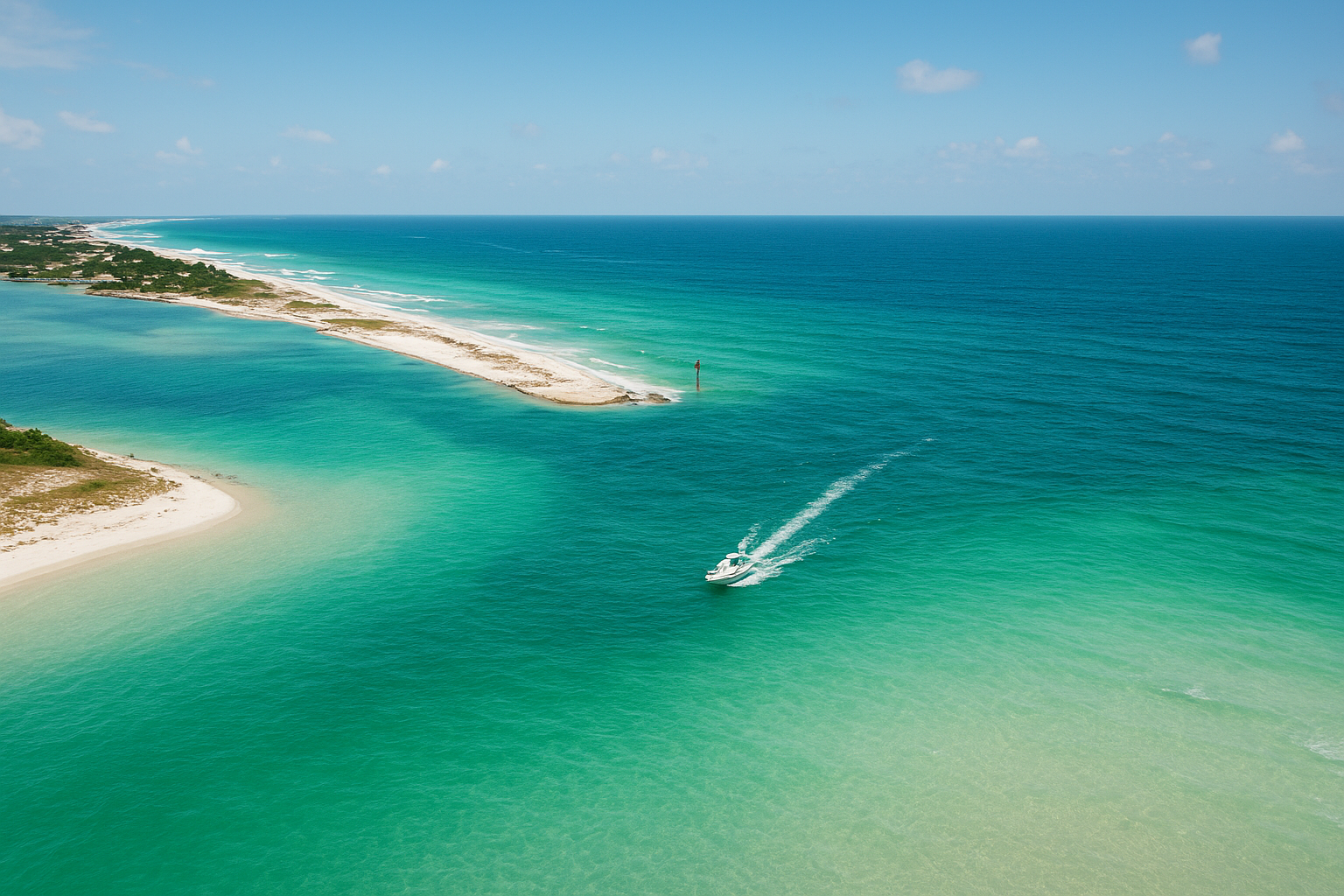
Modern destinations that redefined the tradition

Today’s bachelor parties span entire weekends or even full weeks in destinations chosen specifically for their activities and nightlife. You can choose from beach towns offering water sports and ocean views, mountain retreats focused on hiking and outdoor adventures, or major cities packed with restaurants, bars, and entertainment venues. The rise of short-term rental platforms made luxury accommodations affordable when split among groups, while social media created pressure to plan increasingly elaborate and photogenic experiences. Destinations like Destin, Florida attract bachelor parties specifically because they offer diverse activities from fishing charters to parasailing, letting groups customize their experience beyond just drinking at bars.
Popular activities for the groom and crew

The most popular bachelor party activities split into three categories: water-based adventures, extreme land experiences, and laid-back options for groups who prefer conversation over adrenaline. Your choice depends on the groom’s personality and interests, the destination you picked, and how much physical activity everyone can handle. Understanding the bachelor party meaning helps you select activities that create lasting memories while matching what the groom actually enjoys rather than forcing him into stereotypical party scenarios he’ll hate.

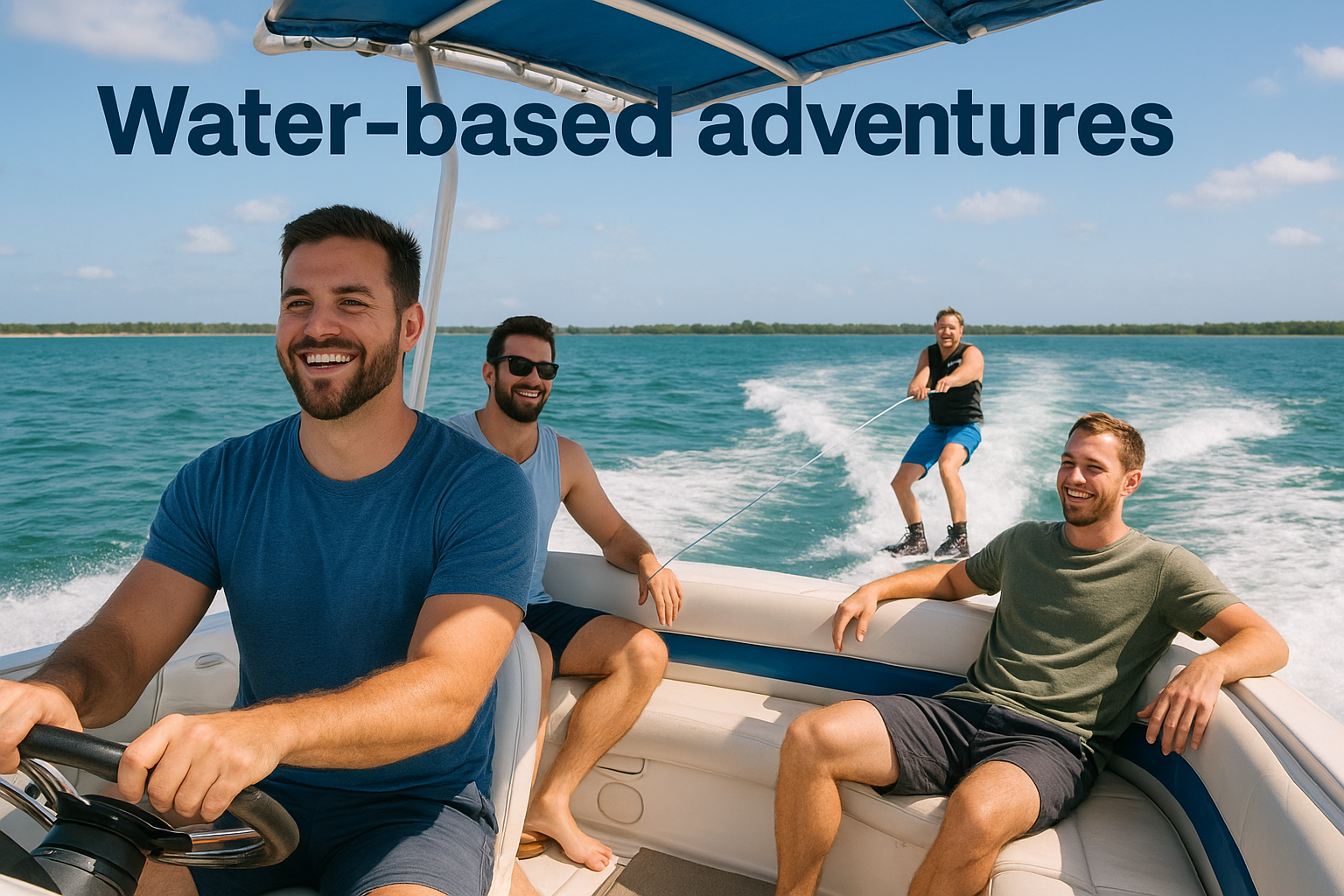
Water-based adventures

Beach and lake destinations offer fishing charters that combine competition with relaxation, giving the group a chance to bond while hauling in tuna, grouper, or bass depending on your location. You can rent pontoon boats for cruising to sandbars like Crab Island where swimming, drinking, and soaking up sun creates an all-day party atmosphere without requiring special skills. Jet skiing and parasailing appeal to grooms who want adrenaline rushes and Instagram-worthy photos, while kayaking or paddleboarding work better for groups seeking outdoor activities without the noise and speed.

Water-based adventures

Water activities force everyone to disconnect from phones and actually engage with each other.

Extreme land experiences

Skydiving ranks as the ultimate bucket-list activity for adventurous grooms willing to jump from planes at 10,000 feet, creating an unforgettable shared experience that bonds the group through controlled fear. Off-road ATV tours let you explore mountains, deserts, or forests while competing to see who handles rough terrain best. Shooting ranges and tactical experiences attract groups interested in firearms, offering everything from basic handgun training to full tactical courses with moving targets.

Laid-back experiences

Brewery tours and whiskey tastings provide structured activities that encourage conversation while sampling local craft beers or spirits in settings designed for groups. Golf outings work perfectly for grooms who enjoy the sport, combining friendly competition with hours of uninterrupted talk time between shots. Private chef dinners or steakhouse reservations let everyone relax in comfortable settings without the chaos of nightclubs or bars.

Essential etiquette for the best man and guests

Understanding proper bachelor party etiquette separates memorable celebrations from awkward disasters that leave friendships strained and wallets empty. The best man carries the heaviest responsibility since he orchestrates the entire event, but every guest plays a role in making the weekend succeed. Following these unwritten rules ensures everyone enjoys themselves while respecting boundaries, budgets, and the bachelor party meaning of honoring the groom’s transition into marriage.

Respect the groom’s wishes above all else

Your job as best man involves executing the groom’s vision rather than imposing your own ideas about what makes the perfect party. Some grooms want wild nights out, while others prefer quiet gatherings with close friends over craft beers and conversation. Ask the groom directly about his comfort level with surprises, whether he wants strippers or entertainment, and which friends he absolutely needs there versus optional invites. Never plan activities that conflict with his values or relationship boundaries just because you think it makes a better story.

The groom’s comfort matters infinitely more than impressing other guests with elaborate plans.

Handle money matters transparently

Send everyone a detailed breakdown of costs at least six weeks before the trip, covering accommodations, transportation, activities, meals, and the groom’s share that the group splits. Collect payments through apps that create automatic receipts rather than dealing with cash or vague promises to pay later. Unexpected expenses always arise, so build a small buffer into your budget and return unused funds afterward instead of scrambling for more money mid-trip.

Keep the wedding party in the loop

Communicate your travel dates and general plans with the bride and her family early enough that they can plan the bachelorette party around your schedule. Avoid booking the bachelor party during the final two weeks before the wedding when the groom faces mounting stress and last-minute decisions. Designate one person as the sober coordinator each night who ensures everyone gets back safely, nobody loses their wallet, and the groom survives to actually attend his wedding.

bachelor party meaning infographic

The final salute

Understanding the bachelor party meaning helps you create a celebration that honors tradition while reflecting the groom’s personality and your group’s unique dynamics. You’ve learned how this ritual evolved from ancient Spartan feasts into modern destination weekends, why the tradition continues to matter across cultures and generations, and what makes certain activities resonate more than others. The essential etiquette and planning strategies covered here give you everything needed to organize a legendary sendoff that strengthens friendships instead of straining them.

Your bachelor party should create memories that last decades, not just photos that disappear from social media feeds within days. Whether you choose extreme adventures or laid-back experiences, the destination matters less than the people you share it with and the intentional time you carve out together. Plan your bachelor party at Crab Island where water activities, sunshine, and the Emerald Coast’s natural beauty provide the perfect backdrop for celebrating your groom’s final days of single life.

How to Register a Boat in Florida: A Guide to Fees & Forms

You bought a boat or moved to Florida with your vessel. Now you need to make it legal on the water. The process to register a boat in Florida can feel confusing with different requirements for titling versus registration, various forms to fill out, and fees that vary by boat length. Add in questions about where to go and what documents you need, and it’s easy to put off the task.

The good news? Registering your boat takes less time than you think. Florida’s process is straightforward once you know the steps. You’ll visit your county tax collector office, bring the right paperwork, pay the fees, and walk out with your registration. Most people complete everything in one visit.

This guide walks you through each step to register your vessel. You’ll learn which boats need registration, what documents to bring, how much you’ll pay, and where to display your numbers and decal. We’ll also cover titling requirements and help you understand the difference between the two. By the end, you’ll have everything you need to get your boat legally on Florida waters.

Check if your vessel requires registration

Not every boat needs registration in Florida. Understanding which vessels require it saves you time and money while keeping you compliant with state law. The requirement depends on your vessel’s size, power source, and how you use it.

Vessels that need registration

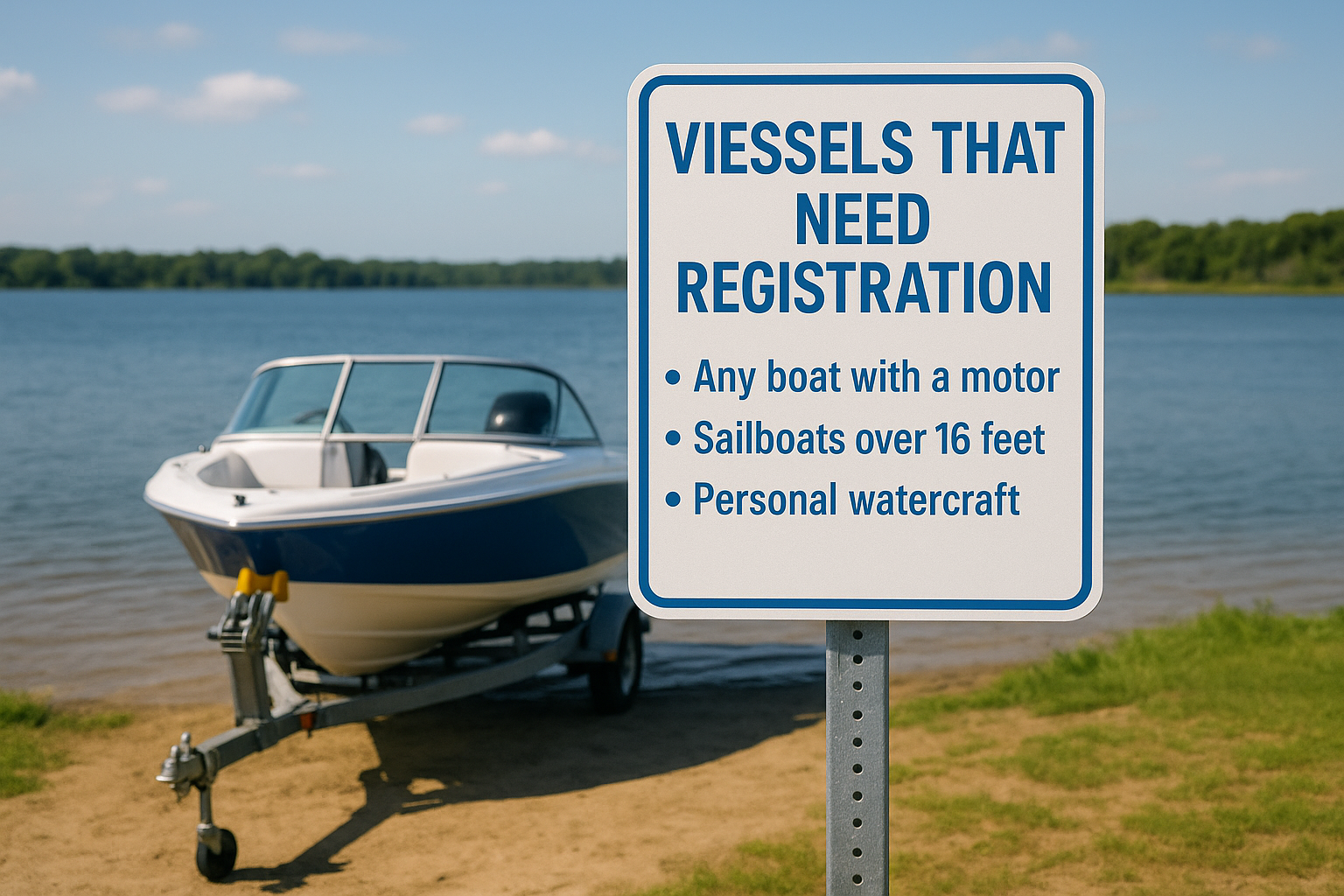
You must register a boat in florida if it has any type of motor attached, regardless of how small the engine. This includes gas engines, electric trolling motors, and outboard motors of all sizes. Sailboats longer than 16 feet also require registration, even without a motor. Personal watercraft like jet skis always need registration because they have built-in motors.

Vessels that need registration

The registration requirement applies to:

  • Any boat with a motor (gas, electric, or diesel)
  • Sailboats over 16 feet in length
  • Personal watercraft like jet skis and wave runners
  • Pontoon boats and houseboats with motors

Vessels exempt from registration

Some vessels skip the registration process entirely. Non-motorized boats shorter than 16 feet fall into this category, which includes most canoes, kayaks, paddleboards, and rowboats. Vessels documented with the U.S. Coast Guard also avoid state registration, though you still pay annual county taxes on them.

If you add a motor to a previously exempt vessel, you must register it within 30 days.

Other exempt vessels include government-owned ships and those used exclusively on private lakes or ponds. Racing shells, rowing sculls, and race boats recognized by the U.S. Rowing Association also avoid the requirement. Once you confirm your vessel needs registration, you can move forward with gathering the necessary paperwork.

Step 1. Gather necessary documents

The documents you need depend on whether you bought a new or used boat and where you purchased it. Collecting everything before visiting the tax collector saves you multiple trips and speeds up the process. Most sellers provide some paperwork, but you’re responsible for ensuring you have all required items.

Required documents for all boats

You need proof of ownership to register a boat in florida. For new boats, bring the manufacturer’s statement of origin (MSO) and your sales receipt. Used boats require a signed title from the previous owner or a notarized bill of sale if the boat was never titled. Add a valid photo ID like your driver’s license or passport to confirm your identity.

Florida residents must complete Form HSMV 82040 (Application for Certificate of Title). Download it from your county tax collector website or pick one up at their office. If the boat has a lien, bring lien holder information including their name, address, and the loan amount.

Additional paperwork for specific situations

How to Register a Boat in Florida: A Guide to Fees & Forms

Boats purchased out of state need extra documentation. You’ll submit the out-of-state title plus Form HSMV 87002 for sales tax purposes. Homemade vessels require a builder’s affidavit describing the construction details and materials used.

Keep copies of all documents you submit for your records.

Step 2. Apply at a tax collector office

You submit your application in person at any Florida county tax collector office during regular business hours. The process works the same whether you register a boat in florida for the first time or renew an existing registration. Bring all your documents in a folder to stay organized and make the submission smooth.

Where to submit your application

Your county tax collector office handles all boat registrations. You can visit any office in your county, not just the one closest to your home. Most counties run multiple locations to serve residents better. Call ahead to confirm hours since some offices close during lunch or have shortened Friday schedules.

Search for your county tax collector website to find addresses and contact information. Many offices also handle vehicle registrations, property taxes, and licenses, so expect some wait time during busy periods. Plan to visit on weekday mornings for shorter lines.

What happens during your visit

The clerk reviews your documents and enters your information into the state system. They verify your proof of ownership matches the vessel details you provide. You’ll sign the title application and confirm your mailing address for the registration renewal notice.

Bring exact change or a card since not all offices accept large bills.

The entire process takes 15 to 30 minutes once you reach the counter. You leave with a temporary registration that stays valid until your permanent documents arrive by mail.

Step 3. Pay the title and registration fees

The fees to register a boat in florida combine several charges into one payment. You pay for both the title and registration at the same visit, plus any applicable sales tax on your purchase. The registration amount varies based on your vessel’s length, while the title fee stays constant. Your total cost also includes a handling fee that covers administrative processing.

Fee breakdown by vessel length

Registration costs increase with your boat’s size. Vessels under 12 feet pay the lowest rate, while larger boats up to 65 feet pay progressively more. Your clerk calculates the exact amount based on the length measurement on your title or manufacturer’s statement.

Vessel Length Registration Fee Title Fee
Under 12 feet $5.50 $5.25
12 to <16 feet $11.50 $5.25
16 to <26 feet $20.50 $5.25
26 to <40 feet $53.50 $5.25
40 to <65 feet $111.50 $5.25
65 feet and over $153.50 $5.25

First-time buyers often underestimate the sales tax portion, which typically exceeds the registration fee.

Payment methods accepted

Most tax collector offices accept cash, checks, and major credit cards including Visa, MasterCard, Discover, and American Express. Some locations add a convenience fee for card payments, usually 2 to 3 percent of your total. Bring multiple payment options in case one method has issues or you want to avoid extra charges.

Step 4. Attach the decal and numbers

You receive your permanent registration card and validation decal by mail within 2 to 4 weeks after you register a boat in florida. The state also issues your boat registration numbers that identify your vessel on the water. Florida law requires you to display these items correctly before operating your boat. Law enforcement officers check for proper display during routine inspections and safety checks.

Displaying your registration numbers

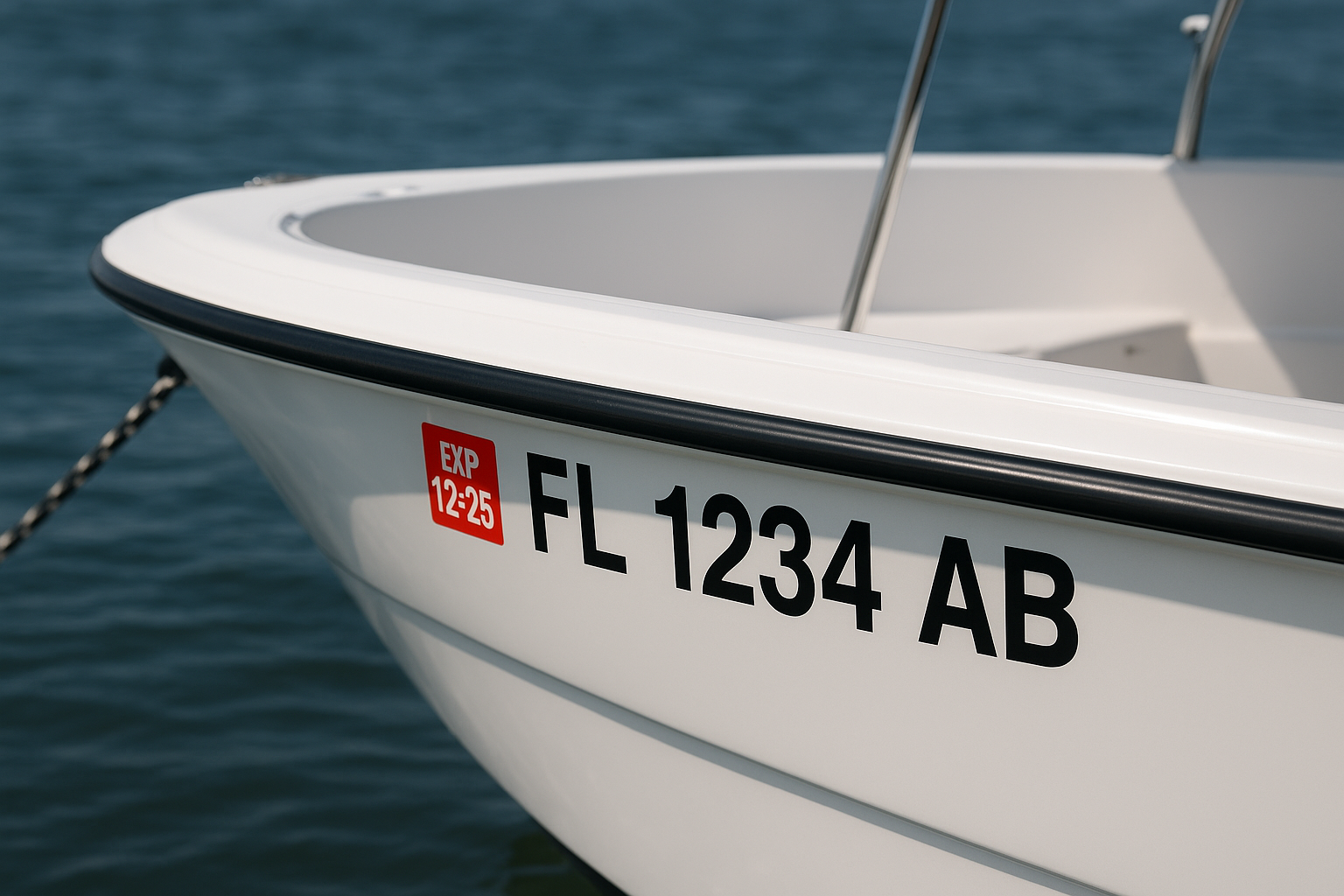
Your registration numbers appear on both sides of the bow in the forward half of your vessel. Paint or affix the numbers using block letters at least 3 inches high. Choose a color that contrasts sharply with your hull. White boats need black numbers, while dark boats need white or light-colored numbers. Space the letters and numbers to match this format: FL 1234 AB. Place a space or hyphen between the letter groups, but never within them.

Displaying your registration numbers

Numbers must remain visible and unobstructed by dock lines, fenders, or other equipment.

Placing the registration decal

Stick your validation decal within 6 inches of your registration numbers on the port side (left side when facing forward). The decal shows your expiration date and proves your registration stays current. Replace it each time you renew. Clean the surface with rubbing alcohol before applying the new decal to ensure it sticks properly and lasts through sun exposure and water spray.

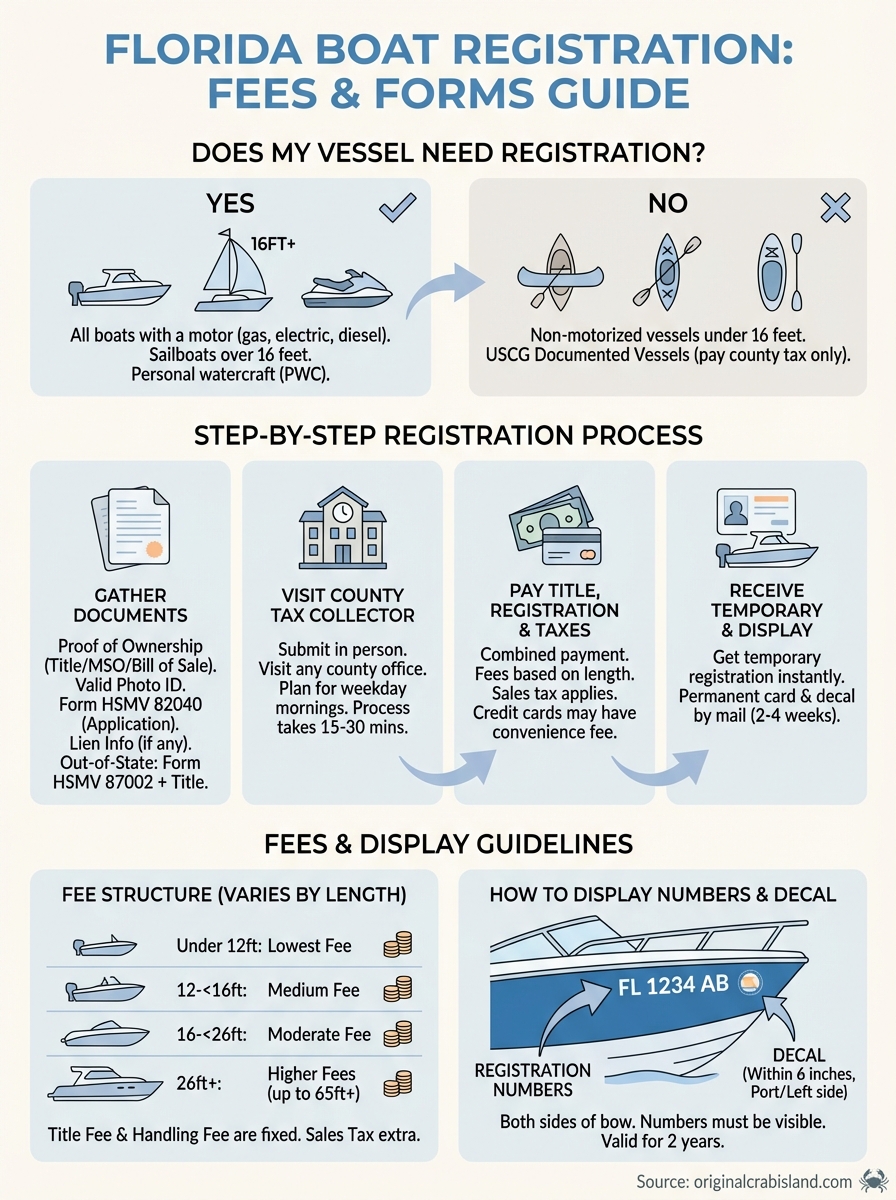
register a boat in florida infographic

Ready to get on the water?

You’ve completed the process to register a boat in florida and your vessel displays the proper numbers and decal. Your registration stays valid for two years from the issue date. Mark your calendar to renew before the expiration to avoid late fees and penalties on the water. Keep your registration card on board at all times since law enforcement officers can request it during routine inspections or safety checks.

Now that your boat meets all legal requirements, you can explore Florida’s incredible waterways without any concerns. The Emerald Coast offers some of the clearest waters and most stunning beaches in the entire state. Discover Crab Island with your newly registered vessel and experience why this famous sandbar destination attracts thousands of boaters every season. Whether you bring your own boat or need equipment, Original Crab Island provides pontoon rentals, jet ski rentals, and guided tours to help you make the most of your time on the water.

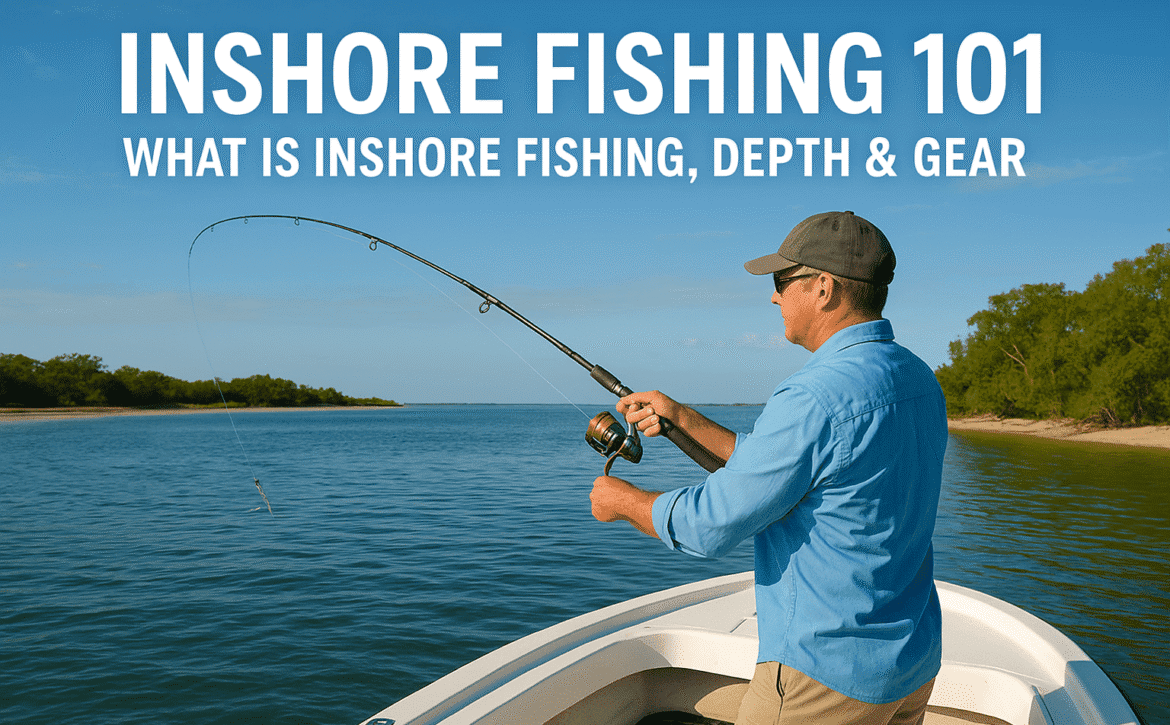
Inshore Fishing 101: What Is Inshore Fishing, Depth & Gear

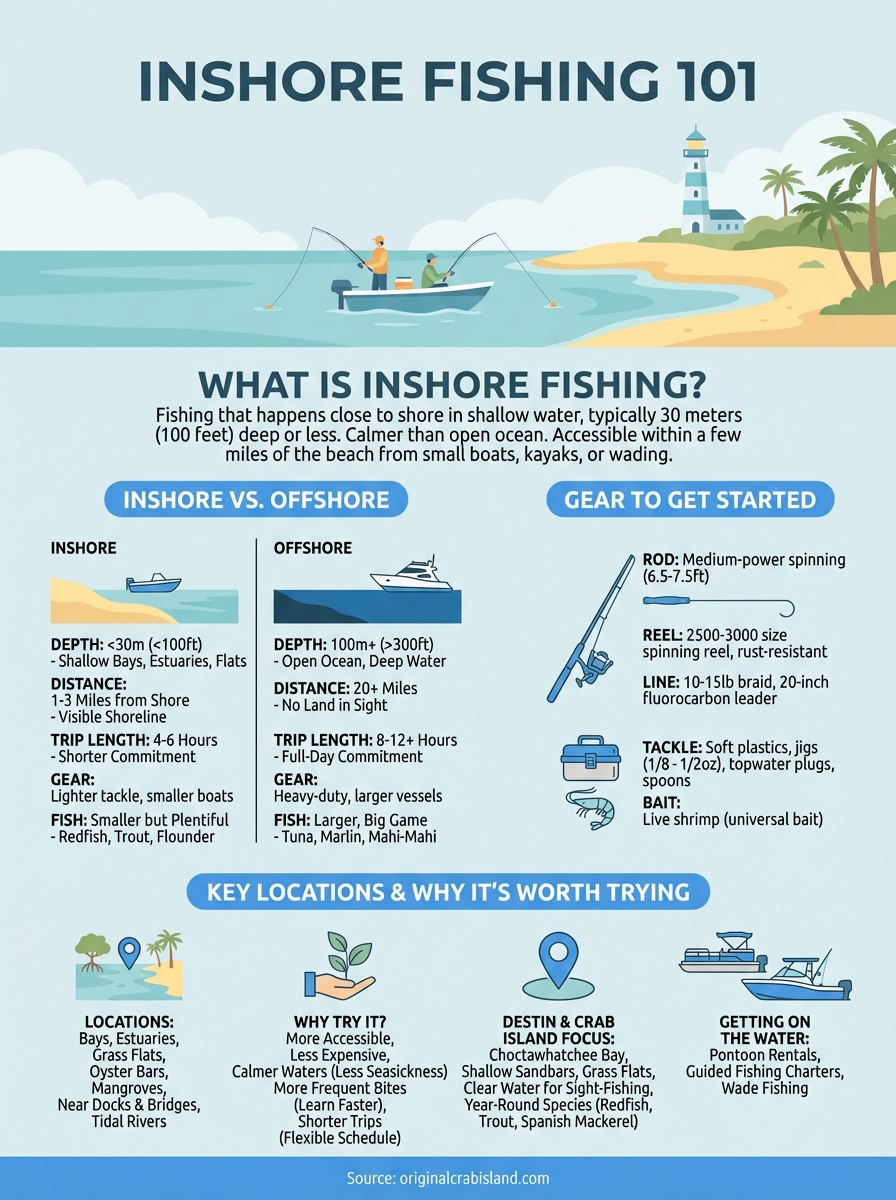
What is inshore fishing? It’s fishing that happens close to shore in shallow water, typically 30 meters deep or less. You’ll find yourself in bays, estuaries, flats and other protected areas where the water stays calmer than the open ocean. Unlike offshore trips that chase big game fish miles from land, inshore fishing keeps you within a few miles of the beach. You can do it from a smaller boat, kayak or even wade right into the water. The fish you target tend to be smaller but plentiful, and the whole experience feels more accessible for beginners.

This guide breaks down everything you need to know about inshore fishing. You’ll learn why it’s worth trying, what gear you need to get started, where to find the best spots (including right here in Destin and around Crab Island), and how it compares to offshore fishing. Whether you’re planning your first fishing trip or just curious about your options on the Emerald Coast, you’ll walk away with a clear picture of what inshore fishing offers and how to make the most of it.

Why inshore fishing is worth trying

Inshore fishing gives you an easier entry point into saltwater fishing without the challenges of deep-sea trips. You’ll spend less money on fuel and gear, and you won’t need a massive boat to get started. The calmer waters mean you’re less likely to deal with seasickness, which makes the experience more enjoyable for beginners and families. You can book a shorter trip, usually around 4 to 6 hours instead of the full-day commitment that offshore fishing demands. This flexibility lets you fit fishing into your vacation schedule without dedicating an entire day to it.

Why inshore fishing is worth trying

You catch more fish and learn faster

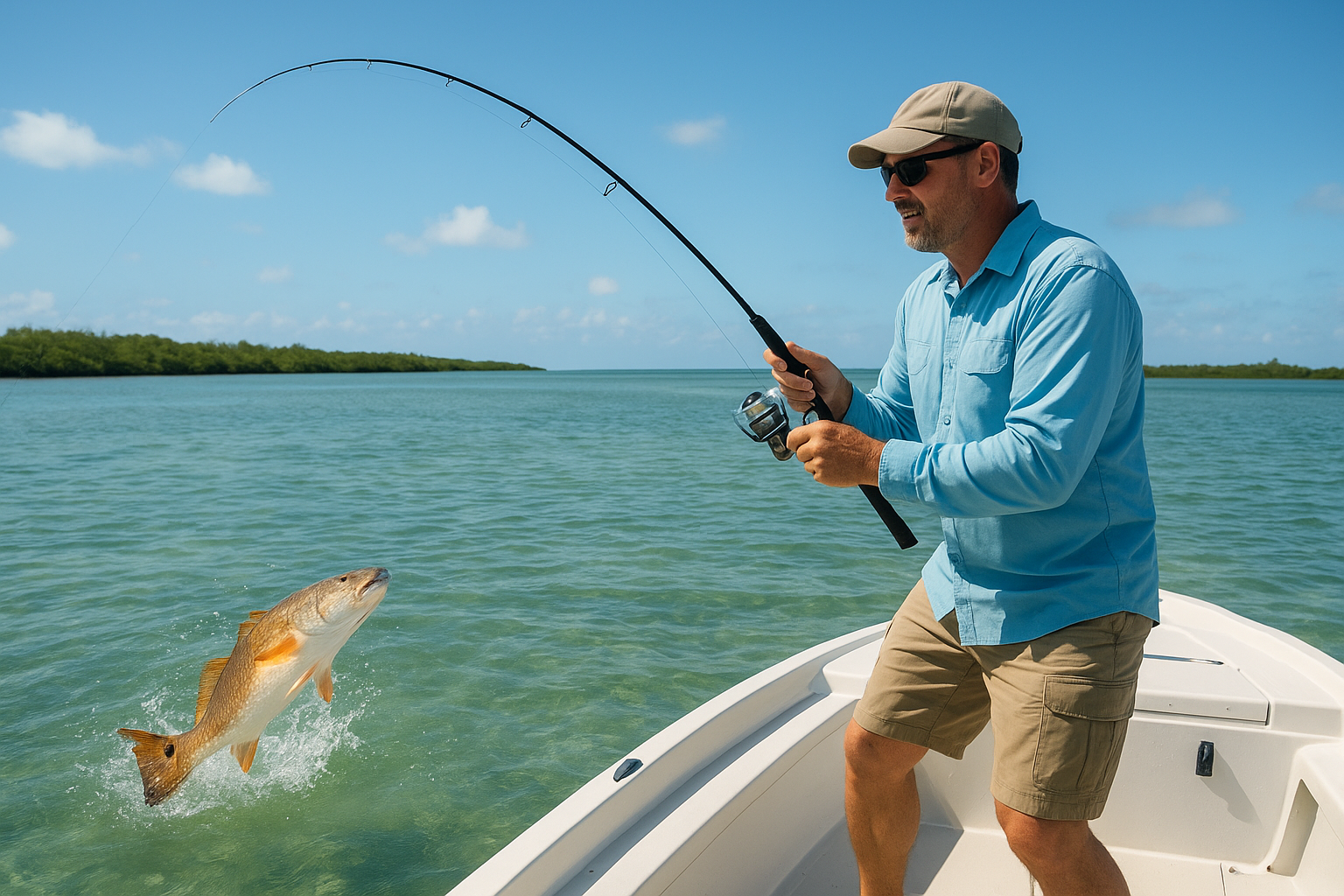
The fish inshore bite more frequently because you’re targeting species that live in these shallow areas year-round. You’ll hook into redfish, sea trout, flounder and snook throughout the day rather than waiting hours for a single big strike. This steady action helps you build your skills quickly as you practice casting, setting the hook and fighting fish. Each catch teaches you something new about reading the water, adjusting your technique and understanding fish behavior.

Inshore trips typically result in higher catch numbers, giving you more hands-on experience in a single outing.

The scenery stays within reach

You never lose sight of the shoreline when you fish inshore. You’ll watch dolphins swim by, see birds diving for baitfish and spot the local landmarks that make each area unique. The water stays clear enough to see grass beds, oyster bars and other structure where fish hide. This visibility helps you understand what is inshore fishing all about, connecting the environment to the fish you’re targeting and making each trip a complete learning experience.

How to choose inshore fishing gear and get started

Inshore Fishing 101: What Is Inshore Fishing, Depth & Gear

You don’t need to break the bank to start fishing inshore waters. A medium-power spinning rod between 6.5 and 7.5 feet long handles most situations you’ll encounter in shallow bays and estuaries. Pair it with a rust-resistant spinning reel that holds 150 yards of line, and you’re ready to target the common species that live near shore. Your initial investment stays manageable because you’re not dealing with the heavy-duty equipment that offshore fishing demands. When you understand what is inshore fishing all about, you realize that versatility matters more than specialized gear.

Start with a medium-power spinning rod

The rod forms the foundation of your setup. You want something that casts lightweight lures accurately while still having enough backbone to handle a strong fish. A 7-foot medium-power rod with a fast action tip works for everything from small sea trout to larger redfish. The extra length helps you make longer casts when you need to reach fish holding off structure, and the moderate power lets you feel subtle bites without overpowering smaller mouths.

Most sporting goods stores carry starter rods in the $50 to $100 range that perform well for beginners. You’ll avoid frustration by choosing a rod that matches the lure weights you plan to throw, typically between 1/4 and 3/4 ounce for inshore applications.

Pick the right reel and line combination

Your reel needs to handle saltwater without corroding after a few trips. Look for a 2500 to 3000 size spinning reel with sealed bearings that keep sand and salt out of the internal components. A smooth drag system matters because fish in shallow water make sudden runs, and you need consistent pressure to tire them out without breaking your line.

Spool your reel with 10 to 15-pound braided line for the main line, then add a 20-inch leader of 15 to 20-pound fluorocarbon. The braided line gives you better sensitivity to feel bites, while the fluorocarbon leader stays nearly invisible underwater and resists abrasion from oyster bars and dock pilings.

The right line combination gives you the strength you need while staying hard for fish to detect in clear shallow water.

Stock basic tackle and live bait

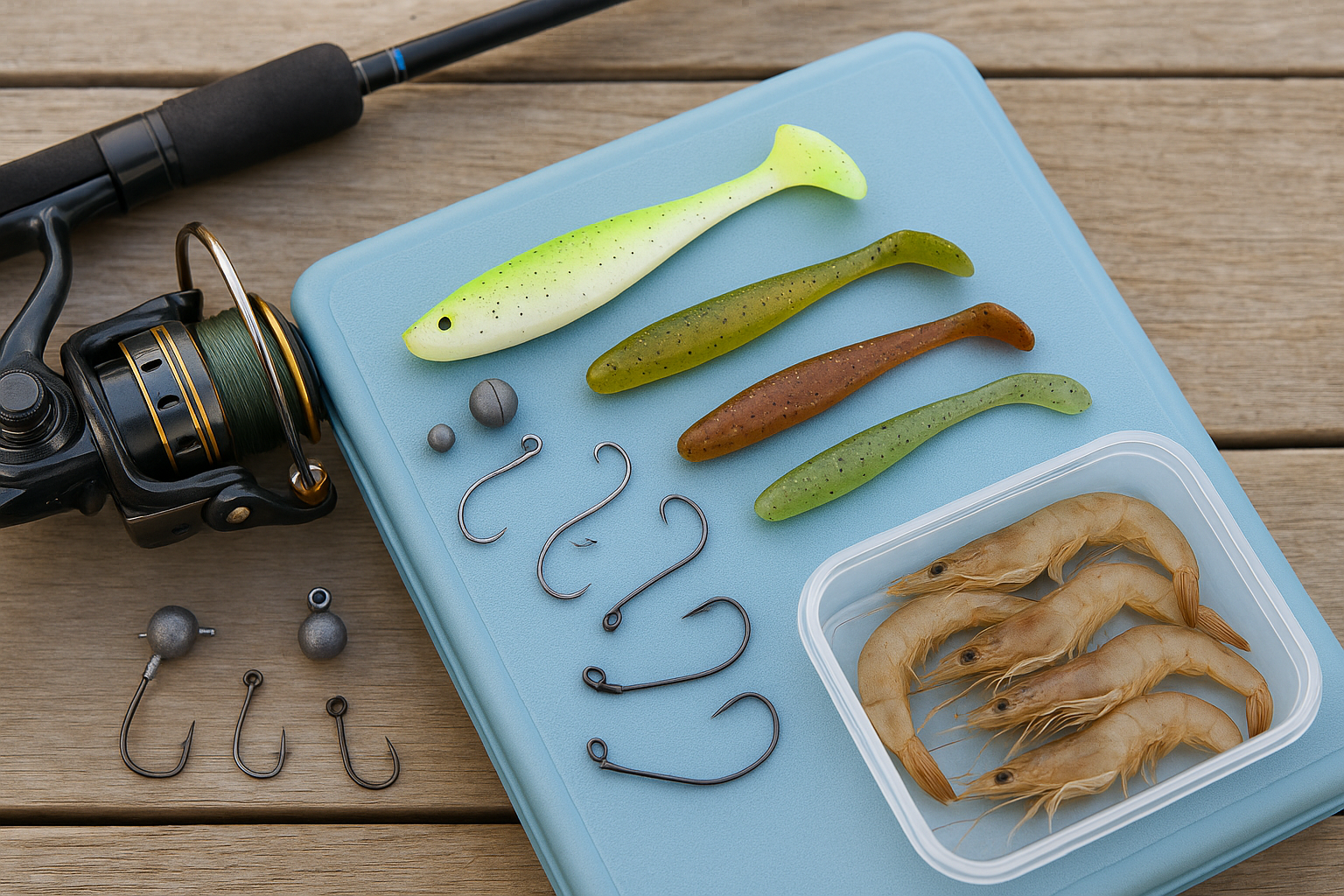
Keep your tackle box simple when you’re starting out. You need a handful of soft plastic baits in natural colors like white, chartreuse and root beer, plus some jig heads in 1/8 to 1/2 ounce weights. Add a few topwater plugs for early morning fishing and some spoons that flash in the water to attract aggressive fish. Live shrimp works as a universal bait that almost every inshore species will eat, so pick up a dozen or two from a local bait shop before you head out.

Stock basic tackle and live bait

Small split shot weights and a few different hook sizes round out your essential gear. You’ll learn which baits work best in your local waters through trial and error, but starting with these basics covers the majority of inshore fishing situations you’ll face.

Inshore fishing depth, distance and locations

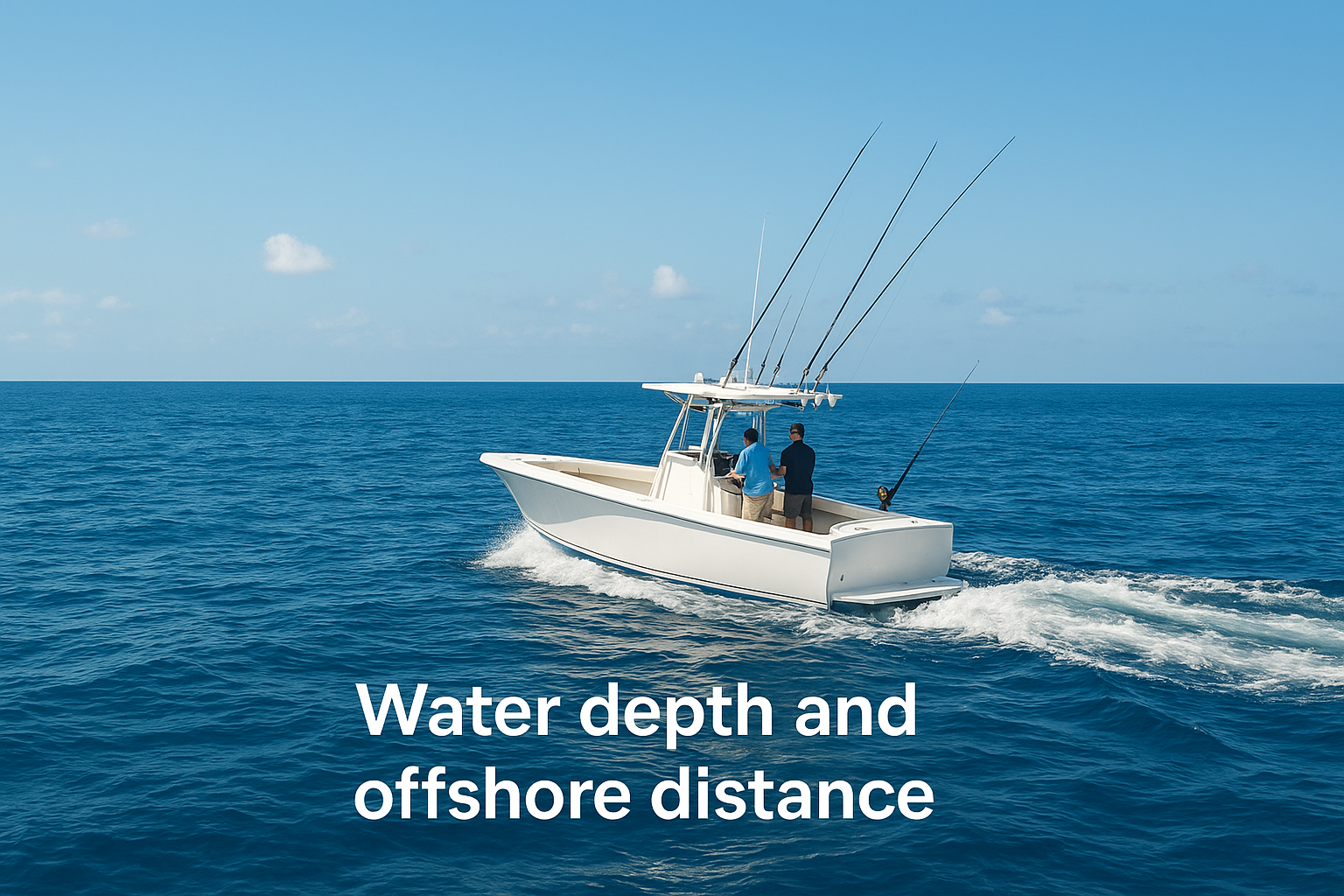
The definition of what is inshore fishing centers on two main factors: water depth and distance from shore. Most anglers and fishing guides consider inshore waters to be 30 meters (roughly 100 feet) deep or less, though you’ll often fish in much shallower areas that measure only a few feet. The distance from shore typically stays within 9 miles of the coastline, but the practical reality puts you much closer, usually within 1 to 3 miles. These parameters create a fishing environment that stays protected from ocean swells and offers easier access to productive waters without requiring hours of boat travel.

The 30-meter depth rule explained

Water depth determines the species you’ll encounter and the techniques that work best. Most inshore fish live in depths between 3 and 20 feet where sunlight penetrates enough to support grass beds, oyster bars and other structure that attracts baitfish. You’ll occasionally venture into waters approaching 30 meters when targeting specific species like cobia or king mackerel that cruise the edges of deeper channels. The shallow depths let you see bottom structure and fish movement, giving you visual clues about where to cast. Modern depth finders help you locate channels, holes and drop-offs that concentrate fish, but you can also read the water by watching for birds, bait activity and color changes that indicate depth transitions.

Distance from shore that counts as inshore

Your fishing trips stay close enough to shore that you maintain a constant view of landmarks and beaches. Most productive inshore spots sit less than 2 miles from the beach, putting you within quick reach of shelter if weather conditions change. The shorter distances mean you spend more time fishing and less time traveling to reach your destination. You can launch from a beach, dock or boat ramp and arrive at productive waters within 10 to 20 minutes in most cases.

Staying close to shore gives you the flexibility to adjust your location quickly based on tide, wind and fish activity throughout your trip.

Common inshore fishing locations

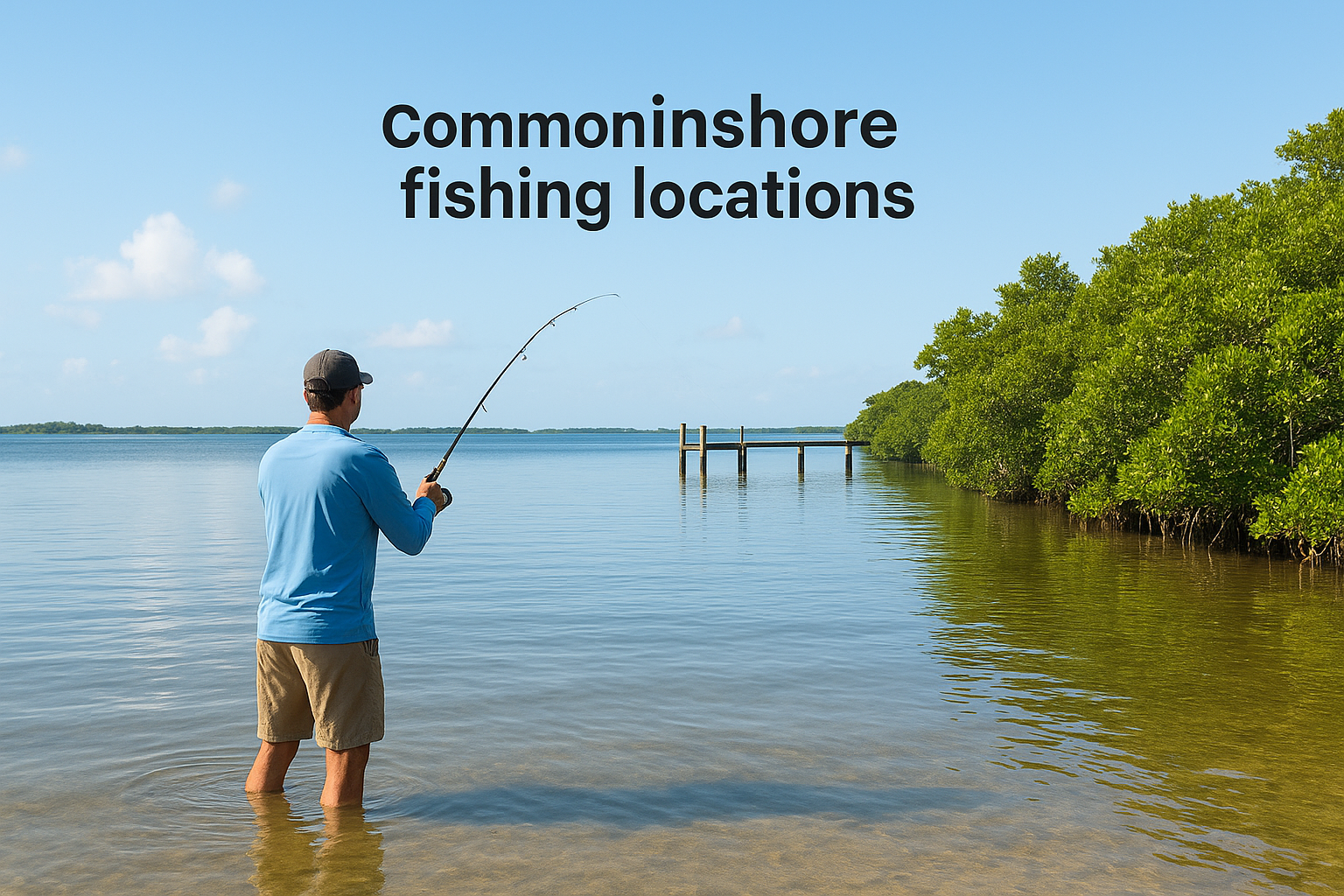
Bays and estuaries form the backbone of inshore fishing grounds because they provide shelter and abundant food sources for fish throughout the year. You’ll find productive water around dock pilings, bridge supports, grass flats, oyster bars, mangrove shorelines and shallow sandbars that hold fish during different tide stages. Creeks and tidal rivers that connect bays to the ocean create highways for fish moving with the tide, and the current concentrations near creek mouths often trigger feeding activity.

Common inshore fishing locations

Artificial reefs placed in shallow water attract fish just like natural structure, and many coastal areas maintain public reef systems that draw everything from snapper to grouper. The key to success involves learning how each location produces during different times of day and tide stages, building a mental map of spots that consistently hold fish under specific conditions.

Inshore vs offshore fishing at a glance

Understanding what is inshore fishing becomes clearer when you compare it directly to offshore fishing. The two styles target different species in vastly different environments, and each demands its own approach to gear, time commitment and skill level. Your choice between them depends on your experience, budget and the type of fishing adventure you want. Knowing these core differences helps you pick the right charter or rental for your Destin vacation.

Key differences in distance and depth

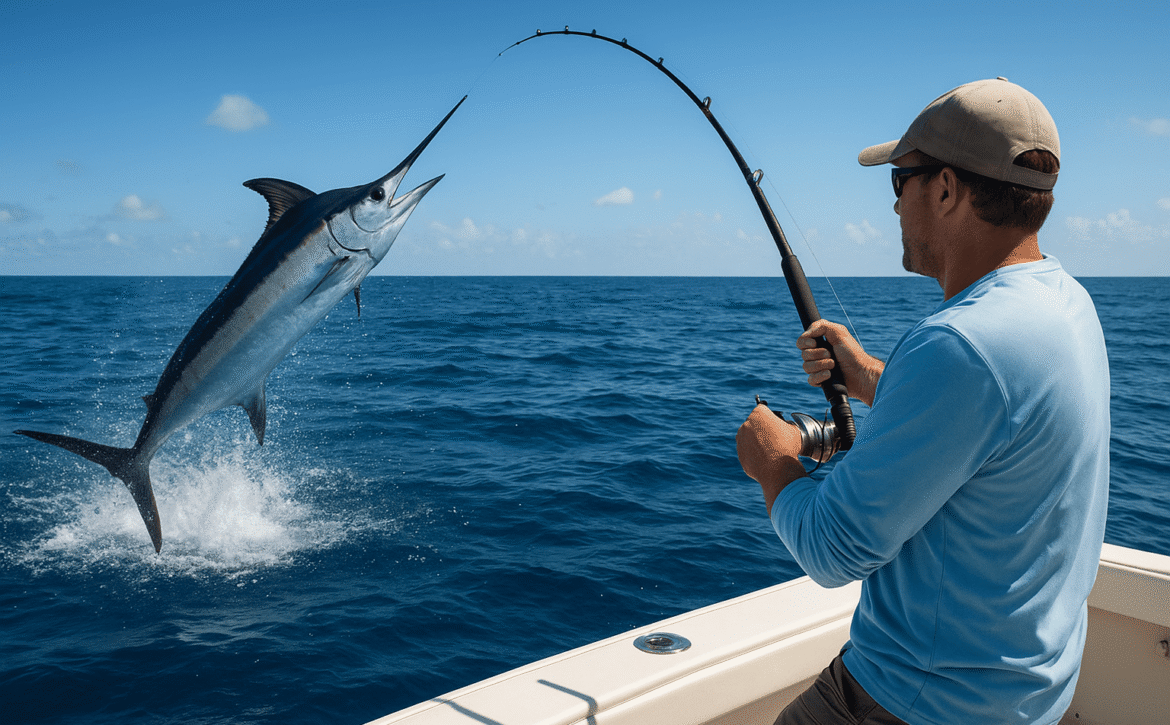
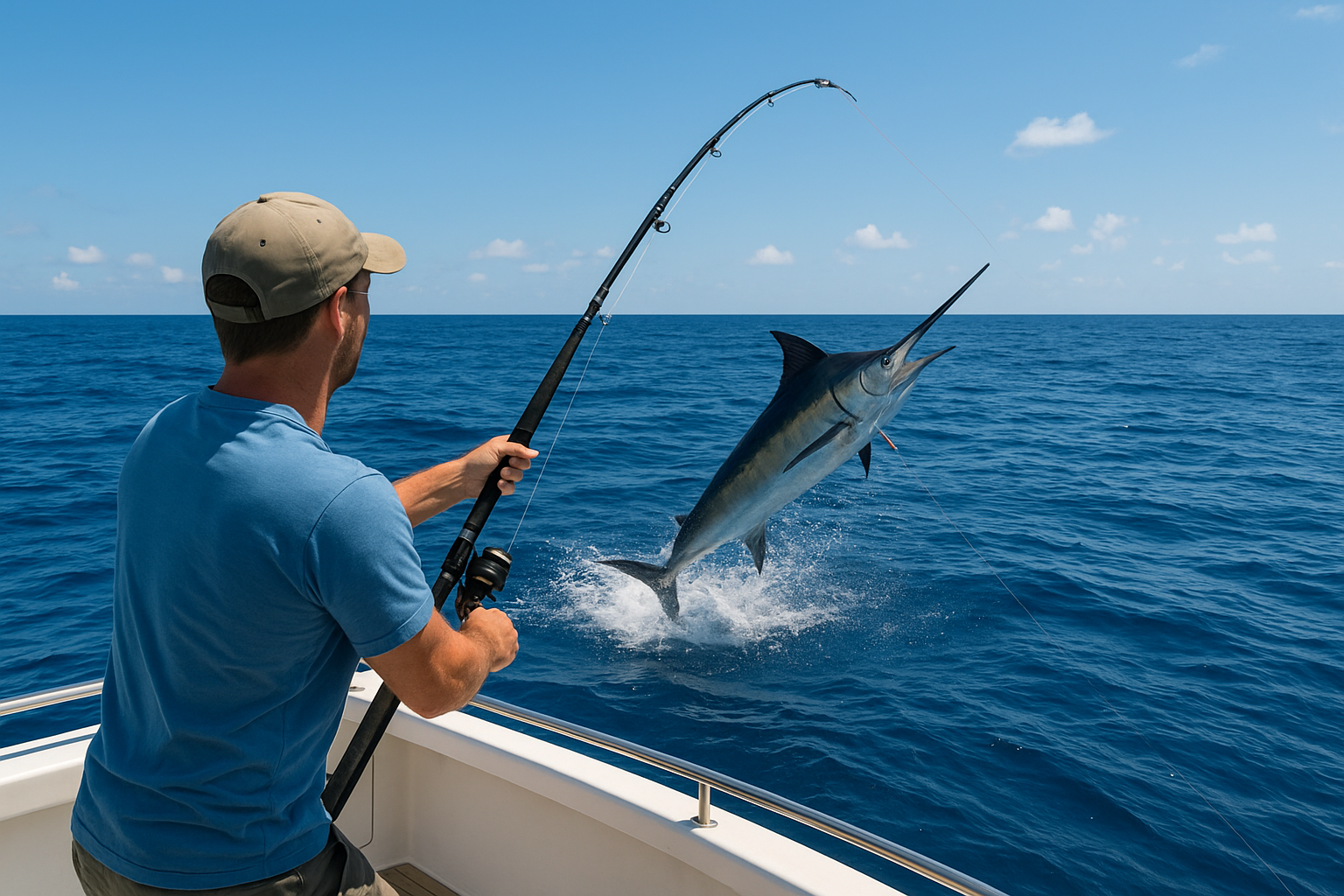
Inshore fishing keeps you within 1 to 3 miles of shore in waters 30 meters deep or less, while offshore trips take you 20 miles or more into the ocean where depths reach 100 to over 1,000 meters. You’ll fish in calm, protected bays and estuaries for inshore species like redfish and sea trout, but offshore anglers chase tuna, marlin and mahi-mahi in open water with larger swells. The calmer inshore conditions make the experience easier on your stomach and nerves if you’re new to saltwater fishing.

Inshore waters stay visible and accessible, while offshore trips venture into the deep blue where land disappears from view.

Equipment and trip length comparison

Your inshore setup uses lighter rods between 6 and 7 feet with medium power, and you can fish from boats as small as 18 feet. Offshore fishing requires heavy-duty rods over 7 feet paired with larger reels mounted on boats that measure 30 feet or longer to handle rough seas. Inshore trips run 4 to 6 hours with steady action, giving you multiple catches throughout the day. Offshore charters last 8 to 12 hours or more as you spend significant time reaching fishing grounds, then wait for occasional big strikes from trophy fish.

Inshore fishing in Destin and Crab Island

Destin sits on Florida’s Emerald Coast where Choctawhatchee Bay meets the Gulf of Mexico, creating perfect conditions for inshore fishing. The bay system offers miles of grass flats, oyster bars and shallow channels that hold fish throughout the year. Water temperatures stay warm enough to support active fish populations even during winter months, and the clear water lets you sight-fish for species cruising the flats. Crab Island, the famous sandbar located just north of the Destin Pass bridge, puts you in the middle of prime inshore fishing territory where you can combine swimming and socializing with catching fish.

Crab Island’s inshore advantages

The sandbar at Crab Island sits in 3 to 10 feet of water depending on the tide, making it an ideal spot that shows exactly what is inshore fishing delivers. You’ll find Spanish mackerel, bluefish and ladyfish cruising the edges of the sandbar during warmer months, and redfish often move through the area during tide changes. The surrounding channels drop to 15 to 20 feet and hold flounder, sea trout and sheepshead around structure.

Crab Island's inshore advantages

Early morning and late afternoon produce the best fishing action before crowds arrive or after they leave. Casting around anchored boats and near bridge pilings gives you the best chance at hooking fish that use these areas for shade and ambush points. The protected waters stay calm even when the Gulf shows whitecaps, letting you fish comfortably while beginners learn the basics.

Species and seasonal patterns around Destin

Spanish mackerel arrive in spring and stay through fall, chasing baitfish schools across the flats. You’ll catch redfish year-round in the grass beds that line the bay shores, and speckled sea trout hold in slightly deeper pockets where current brings food to them. Flounder lay flat on sandy bottoms near channel edges waiting to ambush passing prey, while sheepshead cluster around any hard structure like pilings and rocks where they feed on barnacles and crustaceans.

The variety of species around Crab Island means you’ll catch different fish throughout the day as tides change and feeding patterns shift.

Getting on the water in Destin

Renting a pontoon boat gives you the stable platform and shallow draft you need to access inshore fishing areas around Crab Island while still providing comfort for your group. You can book fishing charters that focus specifically on inshore species, putting you with a guide who knows the seasonal patterns and productive spots in Destin’s bay system.

what is inshore fishing infographic

Final thoughts on inshore fishing

You now understand what is inshore fishing means and why it works so well for beginners and experienced anglers alike. The shallow depths and shorter distances from shore give you access to productive waters without the commitment and expense of offshore trips. You’ll catch more fish in calmer conditions while learning valuable skills that transfer to any type of saltwater fishing. The gear stays simple, the scenery stays visible and the action stays consistent throughout your trip.

Destin and Crab Island offer some of the best inshore fishing opportunities on the Gulf Coast with year-round species, clear water and protected bays that stay fishable even when winds pick up. Original Crab Island gives you everything you need to experience these waters firsthand, from pontoon boat rentals that let you explore at your own pace to fishing charters with guides who know exactly where fish hold during each season. Book your trip and discover why inshore fishing creates the perfect balance between adventure and accessibility for your Destin vacation.

Crab Island: How to Get to Crab Island Without a Boat

You want to visit Isla del Cangrejo in Destin but hit a snag. The famous sandbar sits in the middle of Choctawhatchee Bay. You need a boat to reach it. If you don’t own one or lack boating experience, figuring out how to get to Crab Island feels like solving a puzzle with missing pieces. You might wonder about shuttles, water taxis, or whether you need to rent an entire pontoon just to float around for a few hours.

Good news. You have multiple affordable options that don’t require boat ownership or a captain’s license. Shuttles run daily during peak season. Water taxis offer quick rides. Some rentals even come with a professional captain who handles everything while you relax. Each option fits different budgets, group sizes, and time frames.

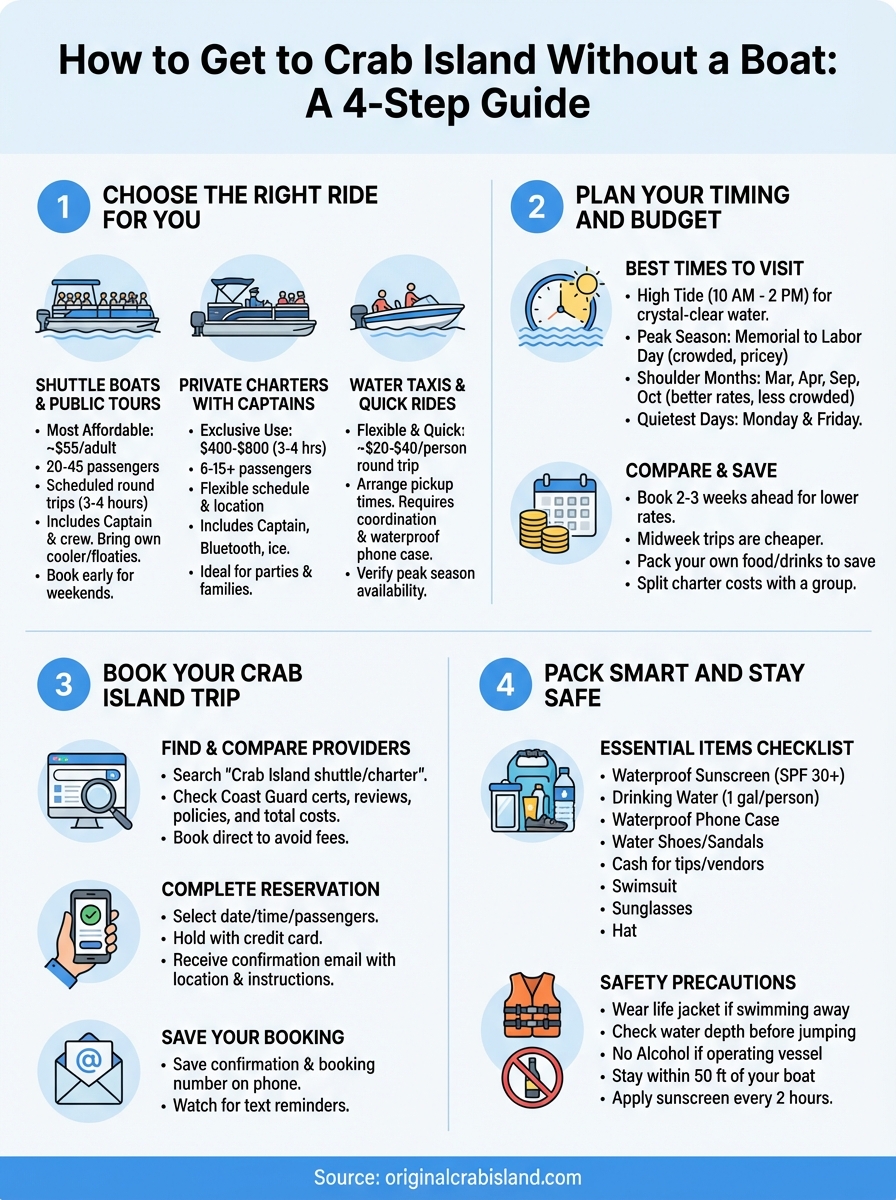
This guide walks you through four simple steps to reach Crab Island without the stress of boat ownership. You’ll learn which transportation fits your needs, when to book for the best rates, what safety rules matter, and how to pack like a pro. By the end, you’ll know exactly how to get there and what to expect when you arrive.

What to know before you go

Crab Island: How to Get to Crab Island Without a Boat

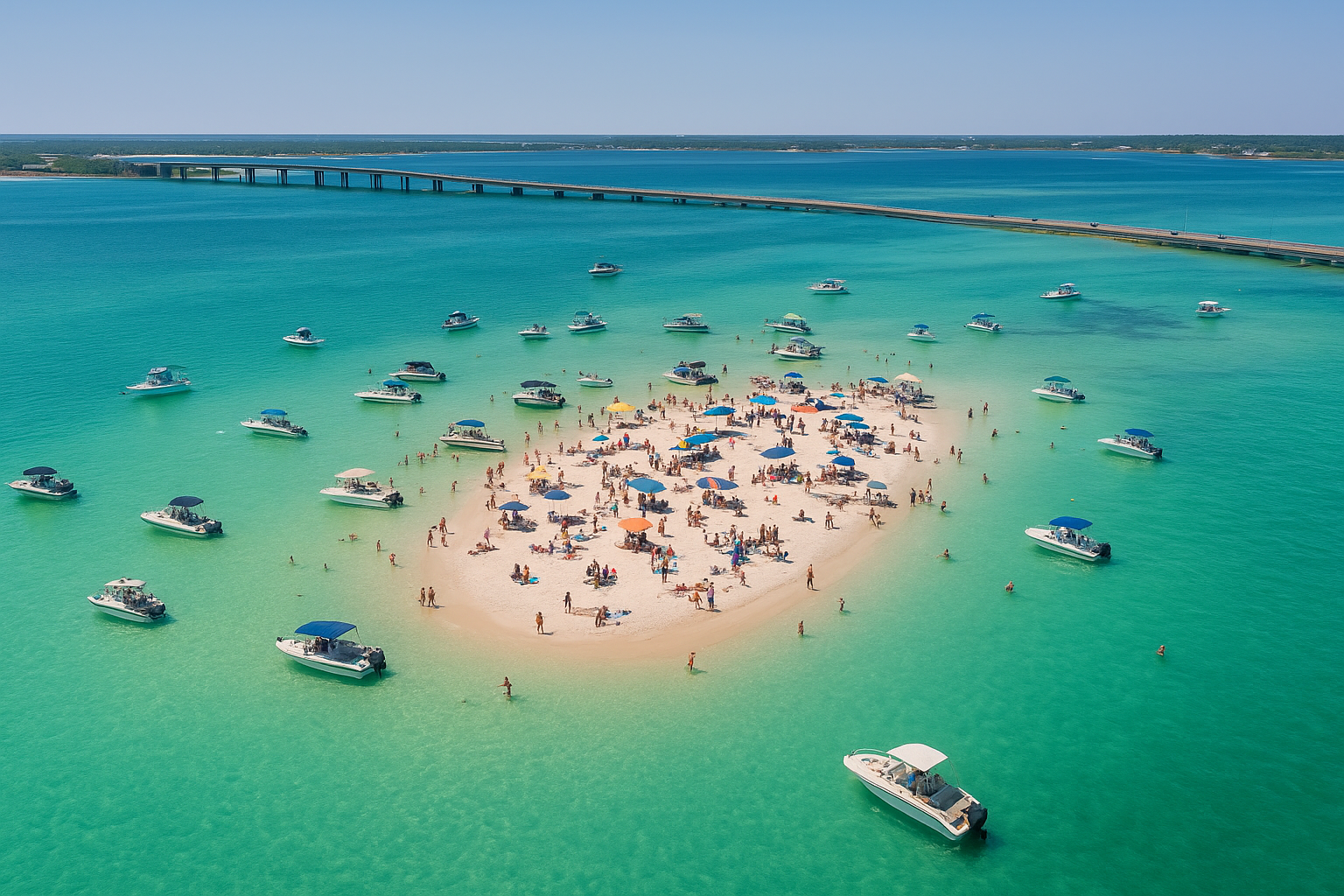
Isla del Cangrejo sits at 30.3941° N, 86.5121° W, directly under the north side of the Destin Bridge (Marler Bridge) where Choctawhatchee Bay meets the Gulf of Mexico through East Pass. The sandbar stretches across several acres with water depths ranging from one to four feet during high tide. Strong currents flow through the pass, making swimming from shore impossible and dangerous. You need waterborne transportation to reach the sandbar safely.

Location and water conditions

The distance from Destin Harbor to Crab Island measures less than one mile, typically a five to seven-minute boat ride. From Okaloosa Island, you travel 10 to 15 minutes, while Fort Walton Beach launches require 20 to 30 minutes on the water. Most shuttle services and water taxis depart from Destin Harbor, which offers the shortest route and easiest access. The sandbar exists year-round, but boat traffic and vendors operate mainly from March through October when warm weather brings crowds.

Location and water conditions

Safety rules and requirements

Florida law requires anyone born after January 1, 1988 to complete a boating safety course before operating a rental vessel. The Coast Guard and local law enforcement patrol Isla del Cangrejo regularly, enforcing boating under the influence laws with the same penalties as driving violations. You can bring alcohol in cans or plastic bottles (no glass), but designate a sober operator if you plan to drink.

Never attempt to swim to Crab Island from shore. The powerful currents and heavy boat traffic create life-threatening conditions even for strong swimmers.

Check tide charts before you go because water clarity and depth change dramatically between high and low tide. High tide produces the crystal-clear, aqua-green water you see in photos. Low tide exposes more sandbar but creates murkier conditions. Weather in the Gulf can shift quickly, so monitor forecasts and avoid days with high winds, storms, or rough seas.

Step 1. Choose the right ride for you

Your transportation choice depends on group size, budget, and how much control you want over your schedule. Each option for how to get to Crab Island offers different advantages. Shuttles work best for budget-conscious travelers who want a simple round trip. Private charters suit groups seeking personalized experiences with dedicated attention. Water taxis provide quick transport for those with flexible schedules. Understanding these options helps you book the right ride for your specific needs.

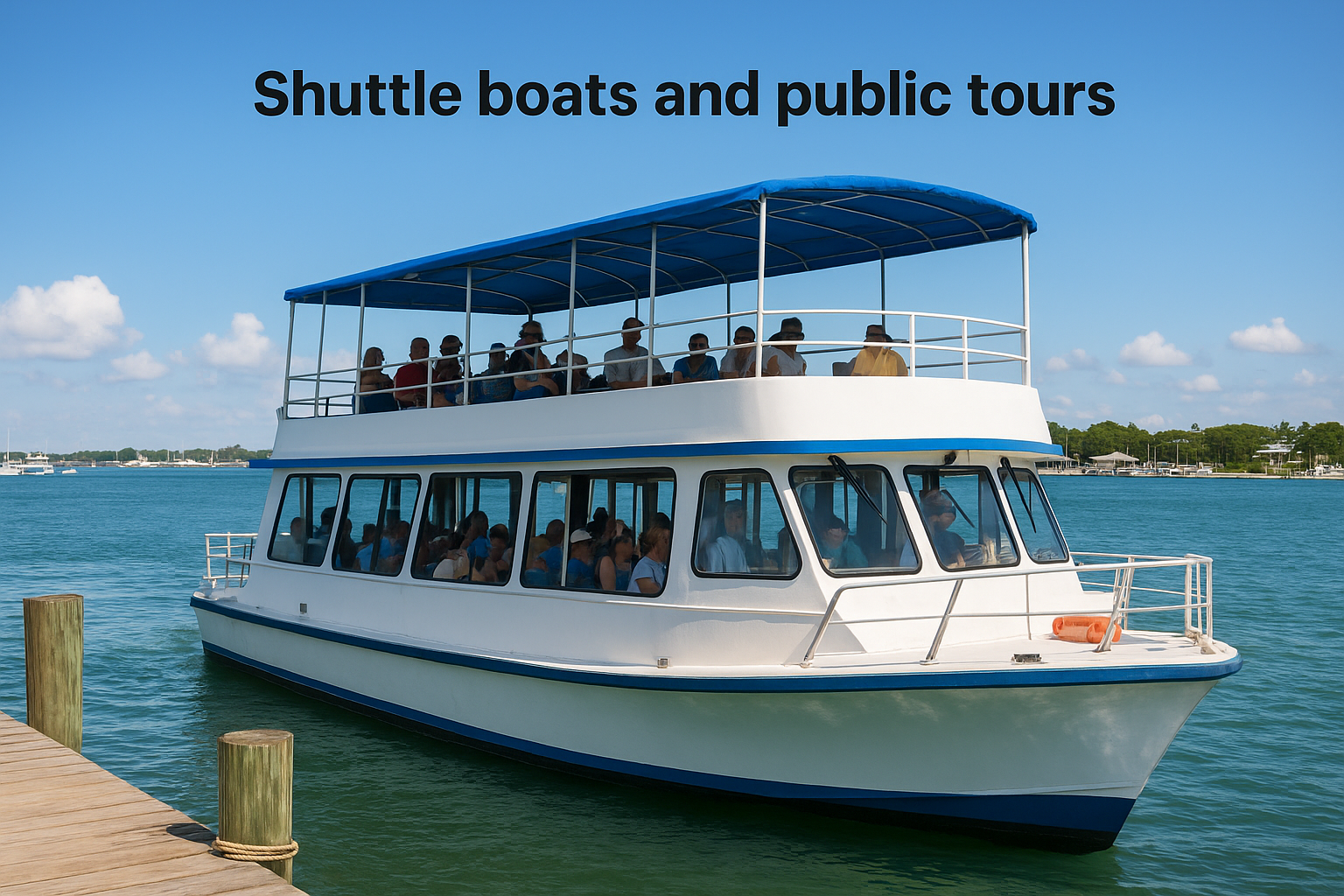
Shuttle boats and public tours

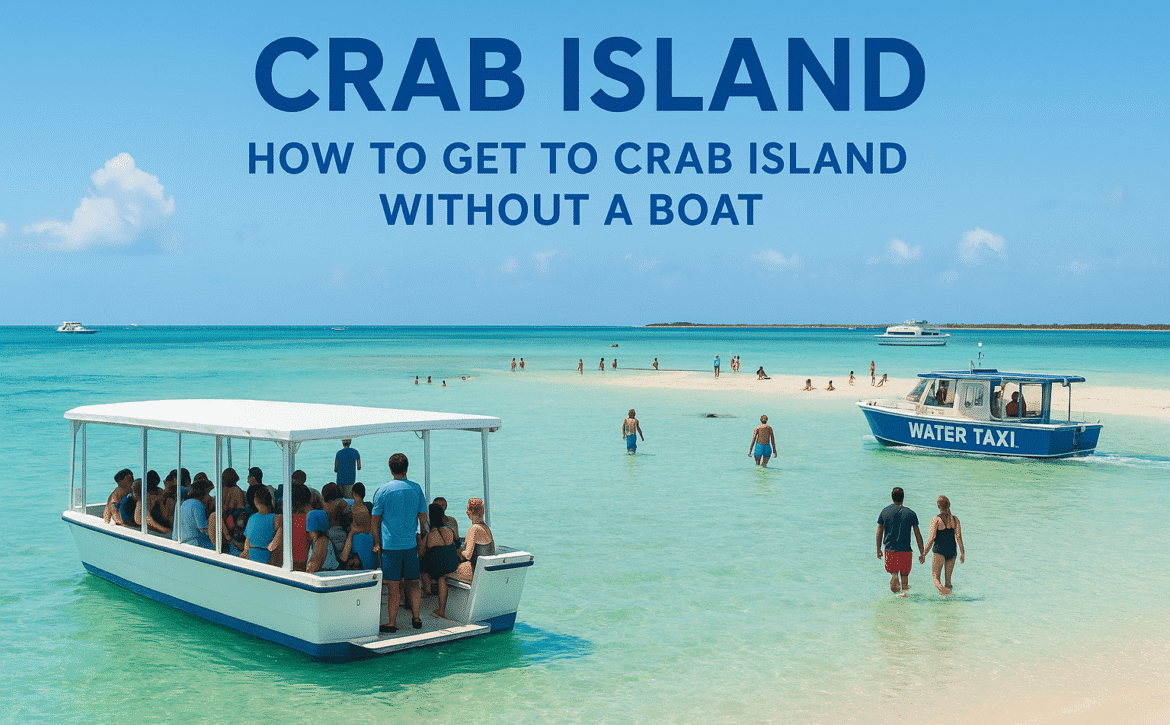
Shuttle boats offer the most affordable way to reach Crab Island, with adult tickets starting around $55 per person. These Coast Guard-certified vessels carry 20 to 45 passengers and run scheduled trips throughout the day. You board at Destin Harbor, cruise to the sandbar in five minutes, and anchor for three to four hours before returning on the same boat.

Shuttle boats and public tours

Most shuttles provide onboard restrooms, shaded seating areas, and a captain with crew who stay with you during your visit. You bring your own cooler with food and drinks (alcohol permitted in cans or plastic), plus floaties and water toys. The scheduled departure times mean you commit to specific windows, but you skip the responsibility of driving or parking a rental boat. Book early because space fills up fast, especially on weekends and holidays.

Private charters with captains

Private charters give you exclusive use of a vessel with a professional captain handling all navigation and anchoring. Groups of six to fifteen people typically rent pontoon boats with captains, while larger parties book double-decker boats that accommodate up to forty passengers. You control the departure time, how long you stay at the sandbar, and whether you explore other spots like dolphin watching areas.

Captained charters eliminate boating stress completely. You focus on having fun while the captain handles everything from navigation to safety.

Pricing runs $400 to $800 for three to four hours depending on vessel size and amenities. Many charters include Bluetooth speakers, coolers with ice, and water toys. You supply your own food and drinks. These work well for bachelor parties, bachelorette groups, and family reunions where you want private space without strangers.

Water taxis and quick rides

Water taxis operate like Uber for the bay, picking you up from various harbor locations and dropping you at Isla del Cangrejo. You arrange pickup times when you’re ready to leave, giving you flexibility without a strict schedule. Rates vary by provider but generally cost $20 to $40 per person for round-trip service.

This option requires more coordination and communication with the taxi service. You need to keep your phone protected in a waterproof case to call for pickup. Some water taxis only run during peak season (Memorial Day through Labor Day), so verify availability before your trip.

Step 2. Plan your timing and budget

Timing your visit correctly saves money and improves your experience. Peak season (Memorial Day through Labor Day) brings higher prices and larger crowds, while shoulder months (March, April, September, October) offer better rates with pleasant weather. Weekdays cost less than weekends, and morning departures typically run cheaper than afternoon trips. Your budget stretches further when you avoid major holidays like the Fourth of July or Memorial Day weekend.

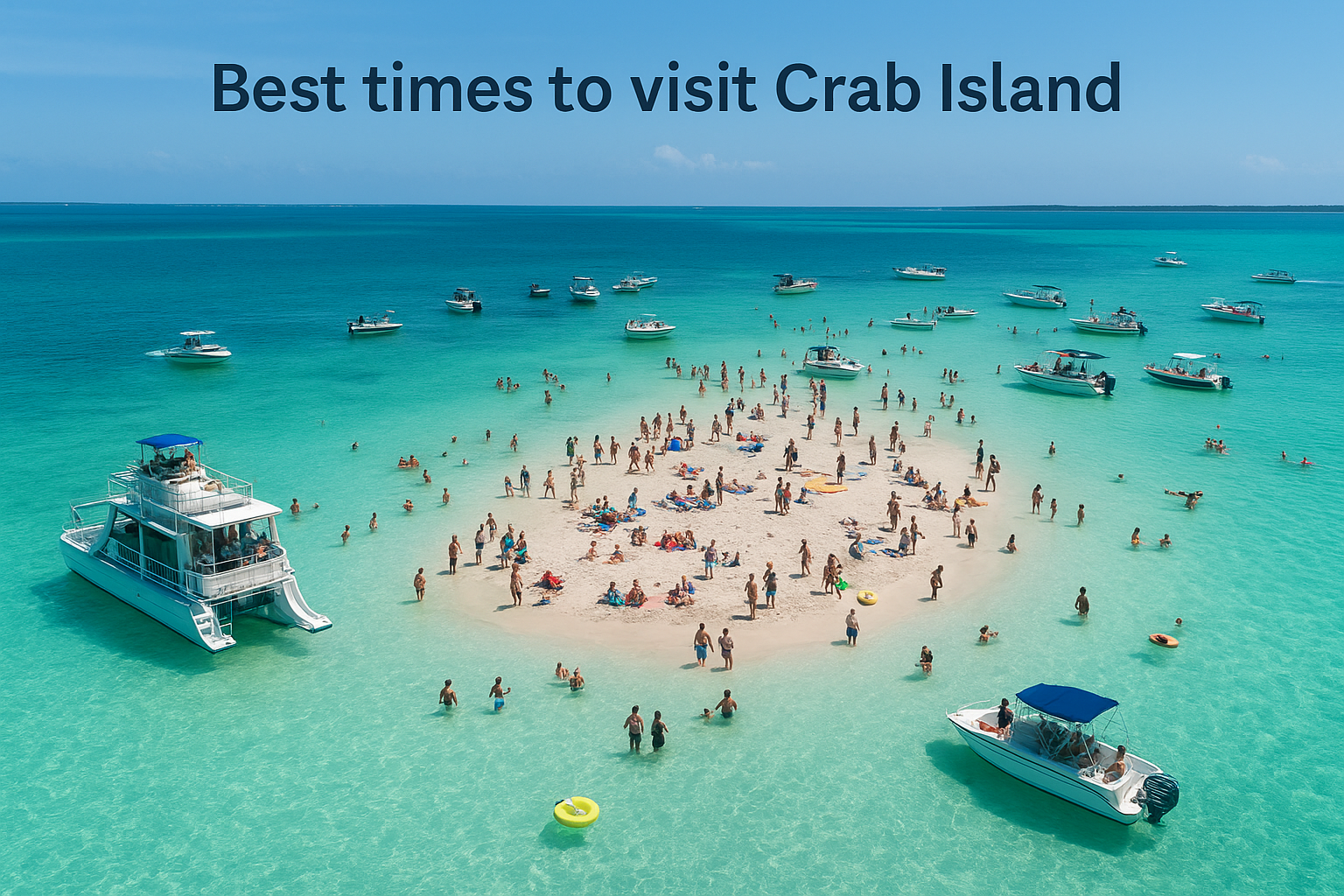
Best times to visit Crab Island

High tide transforms Crab Island into the crystal-clear, aqua-green paradise you see in promotional photos. Check tide charts for Destin East Pass before booking your trip. Water depth reaches three to four feet during high tide, creating ideal swimming conditions with excellent visibility. Low tide exposes more sandbar but produces murkier water and makes anchoring trickier for larger vessels.

Best times to visit Crab Island

Schedule your trip during high tide between 10 AM and 2 PM for the best water clarity and comfortable temperatures.

Visit on Mondays or Fridays for the quietest experience with fewer boats crowding the sandbar. Tuesday through Thursday sees moderate traffic, while Saturday and Sunday pack the area with hundreds of vessels. March through May offers warm weather with smaller crowds before summer vacation starts. September and early October deliver similar conditions after schools resume.

Compare costs across options

Shuttle boats provide the lowest per-person cost at $45 to $65 per adult for three to four-hour trips. Children under twelve typically pay $35 to $45. Water taxis run $20 to $40 per person round-trip but require you to coordinate pickup times and keep your phone accessible.

Private captained charters range from $400 to $800 for half-day rentals depending on boat size and amenities. Split among ten to twelve people, this breaks down to $35 to $65 per person, matching shuttle prices while giving you exclusive space and flexible scheduling. Double-decker boats with waterslides cost more but accommodate larger groups of fifteen to forty passengers.

Save money on your trip

Book your transportation two to three weeks ahead of your visit to lock in lower rates before prices increase closer to your date. Midweek trips on Tuesday or Wednesday cost $10 to $20 less per person than weekend departures. Pack your own cooler with food and drinks instead of buying from floating vendors who charge premium prices for convenience.

Split costs with another family or group when booking private charters to reduce your per-person expense while maintaining space and flexibility. Some providers offer early bird discounts for trips departing before 10 AM or late afternoon specials after 3 PM when demand drops.

Step 3. Book your Crab Island trip

Booking your transportation requires three simple actions: finding providers, comparing options, and securing your reservation. Most services operate through online booking systems that show real-time availability and pricing. You complete the entire process in ten to fifteen minutes from any device with internet access. Starting early gives you the best selection of departure times and vessel types, especially during peak summer months when popular slots fill up weeks in advance.

Find and compare providers

Search for "Crab Island shuttle" o "Crab Island charter" plus your travel dates to see available options. Most legitimate providers display their Coast Guard certifications, customer reviews, and detailed vessel information on their booking pages. Compare departure times, included amenities, cancellation policies, and total costs including any hidden fees for parking or fuel surcharges.

Book directly through provider websites instead of third-party booking platforms to avoid extra service fees and ensure you get accurate information about your trip.

Read recent reviews focusing on safety practices, staff professionalism, and whether boats departed on time. Check if providers offer free cancellation windows (typically 24 to 48 hours before departure) in case weather or plans change.

Complete your reservation

Select your preferred date and departure time, then enter the exact number of passengers in your group. Most booking systems ask for a credit card to hold your spot, charging the full amount immediately or requiring a deposit. You receive a confirmation email with your boarding location, arrival time (usually 15 to 30 minutes before departure), and what to bring.

Save your confirmation email and booking number on your phone. Some providers send text reminders the day before with weather updates and last-minute instructions about parking or check-in procedures.

Step 4. Pack smart and stay safe on the water

Your packing list determines whether you enjoy comfortable hours at Crab Island or scramble to borrow supplies from strangers. Smart packing means bringing waterproof protection for valuables, adequate sun coverage, and enough refreshments for your entire group. Safety preparation includes understanding current conditions, wearing proper flotation devices, and knowing emergency protocols. These preparations take fifteen minutes but prevent hours of discomfort or dangerous situations on the water.

Essential items checklist

Pack these items in a waterproof dry bag or sealed cooler to protect them from splashes and submersion. You need a swimsuit and water shoes (the sandbar has sharp shells and broken glass in some spots), waterproof sunscreen rated SPF 30 or higher, polarized sunglasses, and a wide-brimmed hat. Bring plenty of drinking water (one gallon per person for a four-hour trip) and ice to keep beverages cold in the Florida heat.

Essential items checklist

Your phone stays protected in a waterproof floating case attached to a lanyard around your neck. This keeps it accessible for photos while preventing loss if you drop it in waist-deep water. Pack extra towels for drying off before boarding your return shuttle and plastic bags for wet swimsuits. Bring cash in small bills for tipping your captain or crew and buying from floating food vendors who may not accept cards.

Must-Bring Items Optional but Recommended
Waterproof sunscreen (SPF 30+) Snorkel and mask
Drinking water (1 gallon/person) Waterproof Bluetooth speaker
Waterproof phone case Inflatable float or raft
Water shoes or sandals Underwater camera
Cash for tips/vendors Cooler with ice

Safety precautions on the water

Wear a Coast Guard-approved life jacket if you swim away from your anchored vessel or cannot touch bottom comfortably. Children under twelve should keep life jackets on at all times while in the water. Check water depth with your feet before jumping or diving because sandbars shift and create unexpected shallow spots that cause injuries.

Never consume alcohol if you’re operating any watercraft. Florida enforces boating under the influence laws with the same penalties as drunk driving, including fines up to $1,000 and possible jail time.

Stay within fifty feet of your vessel so you can reach it quickly if weather changes or you need assistance. Watch for boat traffic constantly because vessels approach from all directions around the crowded sandbar. Apply sunscreen every two hours and seek shade on your boat periodically to prevent heat exhaustion in temperatures that regularly exceed 90 degrees.

What to leave behind

Skip glass bottles and containers because they break easily on boats and create dangerous hazards in the water where people walk barefoot. Leave valuables like jewelry, expensive watches, and non-waterproof electronics at your hotel. Avoid bringing single-use plastics that blow away easily and harm marine life. Skip the elaborate beach setup with umbrellas and chairs because you stay on your vessel or in the water rather than on actual beach sand.

how to get to crab island infographic

Get ready for your Crab Island trip

You now know exactly how to get to Crab Island without owning a boat or spending thousands on rentals. Choose between shuttle boats for budget-friendly group rides, private charters for customized experiences with dedicated captains, or water taxis for flexible scheduling that fits your plans perfectly. Book two to three weeks ahead during peak season to secure your preferred departure time and lock in lower rates before prices increase closer to your travel dates.

Pack your waterproof bag with sunscreen, water shoes, plenty of drinking water, and a floating phone case to protect your valuables from water damage. Check the tide charts before you go because high tide produces the crystal-clear water conditions you see in promotional photos. Apply sunscreen every two hours, stay hydrated in the Florida heat, and keep life jackets accessible for anyone who needs them while swimming or floating.

Ready to experience Destin’s famous sandbar firsthand? Visit Original Crab Island for pontoon rentals, fishing charters, jet ski rentals, and guided tours that take you straight to the action. Your Crab Island adventure starts with one simple booking.

How to Complete a Boating Safety Checklist Before Departure

You’re ready for a day on the water, but standing at the dock with your keys in hand, a nagging question hits you. Did you check everything? Missing a critical safety item or skipping a pre-departure inspection can turn an exciting boat trip into a stressful situation. Most boating accidents happen because someone overlooked something simple, not because of bad luck or rough conditions.

A boating safety checklist gives you a clear system to follow before you untie those dock lines. You’ll catch problems while you’re still at the marina, not miles offshore. This simple habit protects your passengers, keeps you compliant with Coast Guard regulations, and lets everyone relax and enjoy the ride.

This guide walks you through every item you need to check before departure. You’ll learn what equipment must be onboard, how to inspect your boat’s critical systems, and the best way to brief your crew. By the time you finish reading, you’ll have a repeatable process that takes the guesswork out of safe boating.

Why a boating safety checklist matters before departure

You face real consequences when you skip your pre-departure checks. The U.S. Coast Guard responded to over 4,000 boating accidents in a recent year, and most involved boats that weren’t properly equipped or maintained. A missing fire extinguisher, expired flares, or malfunctioning bilge pump doesn’t seem critical until you need it. That’s when a simple oversight becomes a genuine emergency.

Your boating safety checklist protects you from three major risks: legal trouble, equipment failure, and passenger injury. Coast Guard officers can board your vessel and inspect your safety gear at any time. Missing required items means fines and a ruined day on the water. Beyond compliance, your checklist catches mechanical problems before they strand you offshore. You’ll spot a loose battery connection, low fuel, or worn dock lines while you can still do something about it.

A systematic check takes 15 minutes but prevents hours of trouble on the water.

The checklist also builds confidence in your crew. When passengers see you methodically inspect everything, they trust your judgment and relax into the experience.

Step 1. Plan your route and check conditions

Your boating safety checklist starts before you touch any equipment. Open your weather app and check the marine forecast for your departure time and planned route. You need to know wind speed, wave height, and any storm warnings that might appear during your trip. Weather changes fast on the water, so conditions that look perfect at dawn can turn dangerous by noon.

Step 1. Plan your route and check conditions

Check weather and water conditions

Pull up the National Weather Service marine forecast for your specific area. Look at wind predictions (anything over 15 knots creates rough conditions for smaller boats), wave heights, and tide charts. You should also check the water temperature because it affects how long someone can survive if they fall overboard.

Set alerts on your phone for weather updates throughout the day. Conditions shift rapidly near coastlines.

Check forecasts one hour before departure, not the night before.

File a float plan

Write down your departure time, destination, expected return, and passenger list. Text or email this information to a reliable contact on shore. Include your boat description, registration number, and emergency contacts. This simple step helps rescuers find you if something goes wrong.

A complete float plan template should include:

  • Boat name and registration number
  • Number of passengers and their names
  • Departure and return times
  • Planned route and stops
  • Emergency contact information
  • Radio frequencies you’ll monitor

Step 2. Check required safety gear

How to Complete a Boating Safety Checklist Before Departure

Walk through your boat and physically touch each piece of required equipment. Don’t just assume items are where they belong because you saw them last week. Your boating safety checklist must verify that everything meets Coast Guard standards and remains in working condition. Missing or expired gear means fines during random inspections and real danger if an emergency strikes.

Personal flotation devices

Count your life jackets and match the number to your passenger list. You need one wearable PFD (Type I, II, or III) per person, plus they all must fit properly. Check each jacket for rips, broken straps, or faded approval labels. Boats over 16 feet also require one throwable flotation device (Type IV) like a ring buoy or cushion.

Personal flotation devices

Store PFDs in an accessible location where everyone can grab them quickly. Tell passengers where to find them before you leave the dock.

Coast Guard regulations require children under 13 to wear their PFD at all times on a moving vessel.

Fire extinguishers and visual distress signals

Verify your fire extinguisher shows a full pressure gauge and hasn’t passed its inspection date. Boats under 26 feet need at least one B-1 type extinguisher, while larger vessels require two B-1s or one B-2. Mount the extinguisher within arm’s reach of the helm, not buried in a storage compartment.

Check your flare expiration dates and count your signals. You need three daytime and three nighttime signals if your boat exceeds 16 feet. Replace any flares older than 42 months.

Sound signaling devices

Test your horn or whistle to confirm it works. Carry at least one sound device, though two provides backup if your primary horn fails. Boats over 39 feet also need a bell for fog signals.

Step 3. Inspect boat systems and fuel

Your boating safety checklist must include mechanical systems that keep you moving and safe on the water. Walk around your boat and physically inspect each system, starting with the engine compartment and ending with your fuel gauge. A quick visual check catches leaks, loose connections, and worn parts before they fail offshore. These inspections take only minutes but prevent breakdowns that could leave you drifting miles from shore.

Check the engine and electrical systems

Open your engine compartment and look for any fluid leaks, frayed wires, or loose battery connections. Turn on your ignition and verify that all dashboard gauges respond correctly. Your oil pressure, temperature, and voltage readings should fall within normal ranges before you start the engine.

Check the engine and electrical systems

Test your bilge pump by pouring a bucket of water into the bilge and watching it activate automatically. Check that your navigation lights, running lights, and interior lights all illuminate properly. Dead batteries or faulty switches strand more boats than rough seas.

A fully charged battery and working bilge pump rank among your most critical safety systems.

Verify fuel levels and ventilation

Check your fuel gauge and calculate whether you have enough for your planned trip plus a reserve margin. The three-thirds rule works well: one-third out, one-third back, one-third reserve. Top off your tank if needed, following proper fueling procedures at the dock.

Run your blower fan for at least four minutes before starting any gasoline engine. This ventilates the engine compartment and clears any fuel vapors that could ignite. Smell for gasoline fumes near the engine, bilge, and fuel tank. Any fuel odor means you have a leak that needs immediate repair.

Step 4. Brief your crew and secure the boat

Your boating safety checklist isn’t complete until everyone on board understands the safety procedures and your boat is properly secured for departure. Gather your passengers at the dock and explain where emergency equipment sits and how to use it. This briefing prevents confusion during actual emergencies and ensures everyone knows their role if something goes wrong.

Conduct a safety briefing

Show each passenger where you store life jackets, the fire extinguisher, and visual distress signals. Demonstrate how to put on a PFD correctly and explain when children must wear theirs. Point out the VHF radio location and teach at least one other person how to call for help on Channel 16.

Conduct a safety briefing

Passengers who know where safety gear sits and how to use it respond faster during emergencies.

Cover these essential topics during your briefing:

  • Location of all safety equipment
  • How to operate the VHF radio and call Mayday
  • What to do if someone falls overboard
  • Where passengers should sit while underway
  • Hand signals for watersports activities

Secure lines and prepare to depart

Walk around your boat and confirm all compartments are latched, loose items are stowed, and dock lines are ready to release. Check that your anchor and rode remain accessible for quick deployment. Untie your lines in the correct sequence (stern first, then bow) and coil them neatly on deck.

boating safety checklist infographic

Ready to cast off safely

Your boating safety checklist transforms departure from a rushed scramble into a confident routine. You’ve verified your required equipment, inspected your boat systems, and briefed your crew on emergency procedures. Each item you check removes risk and adds peace of mind for everyone on board. Following this systematic approach before every trip keeps you compliant with Coast Guard regulations and prepared for whatever conditions you encounter. Ready to experience Destin’s waters with confidence? Book your boat rental at Original Crab Island and enjoy a worry-free adventure with properly maintained equipment and expert local guidance.

NOAA Marine Forecast Destin: Today’s Winds, Waves & Alerts

The NOAA marine forecast Destin is the official weather prediction issued by the National Weather Service for Destin’s coastal and offshore waters. It provides real-time information about wind speeds, wave heights, sea conditions, visibility, and any small craft advisories currently in effect. Whether you’re heading out on a pontoon boat, jet ski, fishing charter, or yacht rental in Destin, this forecast serves as your most reliable tool for planning safe trips on the water.

This guide walks you through everything you need about reading and using the Destin marine forecast. You’ll learn where to find official NOAA updates, how to interpret wind and wave data, what key weather terms mean for your safety, and how to make smart decisions before leaving the dock. By the end, you’ll check current conditions and plan your water time with complete confidence.

Why the NOAA marine forecast matters in Destin

Destin’s waters sit at the junction where shallow emerald bays meet the deep Gulf of Mexico, creating conditions that can shift rapidly throughout the day. The NOAA marine forecast Destin tracks these changes hour by hour, giving you critical information before you head to Crab Island, launch a fishing charter, or rent a jet ski. Weather patterns that look calm from shore often hide building winds or rising seas that make open water dangerous for small craft.

Destin’s unique coastal geography

NOAA Marine Forecast Destin: Today’s Winds, Waves & Alerts

Your safety depends on understanding how Destin’s geography affects marine conditions. The narrow East Pass connects Choctawhatchee Bay to the Gulf, funneling currents and waves that can surprise inexperienced boaters. Beyond the pass, offshore waters behave differently than protected bay areas, with wave heights and wind speeds that vary based on distance from shore. The forecast breaks down these zones clearly, telling you exactly what to expect in each area.

Destin's unique coastal geography

The difference between a 1-foot wave inside the bay and a 4-foot wave 20 miles offshore can mean everything for your boat’s handling and your comfort.

Checking the official forecast prevents wasted rental time, cancelled trips, and potential emergencies on the water.

How to read and use the Destin marine forecast

The NOAA marine forecast Destin uses a straightforward format that divides water areas into specific zones and provides time-stamped predictions for each. You’ll find forecasts organized by zone codes like GMZ655 (coastal waters out to 20 nautical miles) and GMZ650 (waters 20 to 60 nautical miles offshore), with separate entries for Choctawhatchee Bay and other protected areas. Each forecast includes wind direction and speed, wave heights, sea state descriptions, and any active advisories that affect your zone.

Understanding forecast zones

Zone boundaries determine which forecast applies to your planned route. GMZ655 covers the area most Destin boaters use for Crab Island trips, nearshore fishing, and jet ski rentals, extending from the beach out to 20 nautical miles into the Gulf. Beyond that distance, GMZ650 takes over with conditions that typically show higher waves and stronger winds. Protected bay waters fall under different zone codes with calmer predictions since barrier islands and land masses block open Gulf swells.

Understanding forecast zones

Your rental boat’s capabilities and your experience level should match the zone you’re entering, not just the weather at the dock.

Reading wind and wave data

Wind information appears as direction plus speed, listed in knots rather than miles per hour (one knot equals about 1.15 mph). A forecast reading "Northeast winds 15 to 20 knots" tells you both where wind comes from and its strength. Wave heights follow the same pattern, showing average height plus period (the time between waves), like "Seas 2 to 3 feet at 4 seconds." Higher wave periods mean longer, smoother swells, while short periods create choppy, uncomfortable conditions even at lower heights.

Where to find the official Destin forecast online

The most reliable source for the NOAA marine forecast Destin is the National Weather Service’s official marine portal at marine.weather.gov. This site updates every few hours with the latest conditions, predictions, and advisories specific to Destin’s coastal zones. You can access zone-specific forecasts by clicking on the water areas shown on the interactive map or by entering zone codes like GMZ655 directly into the search function.

Where to find the official Destin forecast online

Accessing your zone forecast directly

Navigate to marine.weather.gov and locate the Florida Panhandle section on the map, then click the waters off Destin to pull up current conditions. The forecast page displays wind speeds, wave heights, weather descriptions, and any small craft advisories in effect for the next 48 to 72 hours. You’ll also find links to nearby buoy data, radar images, and extended offshore predictions that help you plan multi-day trips.

Bookmark your specific zone forecast page before your Destin vacation so you can check conditions quickly each morning without searching.

Key wind, wave, and weather terms explained

Understanding the technical language in the NOAA marine forecast Destin helps you translate predictions into real conditions on the water. Terms like knots, small craft advisory, and wave period carry specific meanings that directly affect your boating decisions. Learning these definitions takes only minutes but gives you the knowledge to interpret forecasts accurately and avoid dangerous situations before they develop.

Knots vs. miles per hour

Wind speed appears in knots throughout marine forecasts, not the miles per hour you see in land weather reports. One knot equals 1.15 miles per hour, so 10 knots converts to roughly 11.5 mph. This difference matters when you’re comparing what you feel on shore to what the forecast predicts on open water. A 20-knot wind (23 mph) feels strong enough to create whitecaps and make small boat handling difficult, while a 5-knot breeze (6 mph) barely ripples the surface.

Small craft advisory thresholds

The National Weather Service issues a small craft advisory when sustained winds reach 20 to 33 knots or seas build to 7 feet or higher. These thresholds signal conditions where inexperienced operators or smaller vessels face significant risk. Advisories remain voluntary warnings rather than legal restrictions, but ignoring them puts you and your passengers in potential danger.

Small craft advisory thresholds

Small craft advisories account for most preventable boating accidents in the Gulf, yet many renters skip checking active warnings before departure.

Wave height and period

Wave height measures the vertical distance from trough to crest in feet, while wave period counts seconds between successive crests. Short periods (2 to 3 seconds) create choppy, uncomfortable rides that splash water into boats and tire passengers quickly. Longer periods (5+ seconds) produce rolling swells that boats handle more smoothly even at similar heights.

Destin boating safety tips based on the forecast

The NOAA marine forecast Destin becomes actionable only when you translate predictions into concrete safety decisions before leaving the dock. Reading wind speeds and wave heights means nothing if you don’t adjust your plans accordingly. Smart boaters check conditions every morning, compare forecasts against their vessel’s capabilities, and make tough calls about canceling or rescheduling trips when conditions exceed safe limits.

Cancel or postpone when advisories are active

Small craft advisories signal that conditions threaten smaller vessels, pontoon boats, jet skis, and inexperienced operators. These warnings exist to prevent accidents, not to ruin your vacation plans. Sustained winds above 20 knots or waves exceeding 3 feet create rough seas that challenge boat handling, increase seasickness, and make emergencies harder to manage. Rental companies often restrict departures during active advisories, but you should make that call yourself based on the forecast rather than waiting for someone else to stop you.

Your safety outweighs the cost of a rescheduled rental, and most Destin operators work with customers when weather forces cancellations.

Match your vessel to forecasted conditions

Different boats handle marine conditions differently. Pontoon boats perform best in calm bay waters with winds under 10 knots, while deeper-hull fishing charters tolerate rougher offshore seas. Check your rental agreement’s weather restrictions and compare them against forecast zones. A forecast calling for 2-foot waves inside GMZ655 might mean comfortable conditions for larger vessels but choppy, wet rides for jet skis and smaller craft.

noaa marine forecast destin infographic

Ready to check the forecast

Checking the NOAA marine forecast Destin before every water trip protects your safety and maximizes your time on the Gulf. The information you’ve learned here gives you the tools to read conditions accurately, understand advisory warnings, and make smart decisions about when to launch. Your next Destin adventure starts with confident planning. Book your pontoon rental, jet ski, or fishing charter with Original Crab Island and combine professional equipment with the forecast knowledge that keeps you safe on the water.

What Is Deep Sea Fishing? Basics, Species & How to Start

What is deep sea fishing? It’s fishing that happens far offshore in ocean waters at least 100 feet deep, often miles from land where you can no longer see the coast. You need a larger boat to handle big swells and open water conditions. The target is big game fish like marlin, tuna, wahoo, and sharks that live in the deep pelagic zone. This type of fishing differs from coastal or inshore fishing because of the distance traveled, the water depth, and the size of fish you’re after.

This guide covers everything you need to know before booking your first trip. You’ll learn why people travel across the country for this experience, how beginners can get started without owning a boat, what species swim in Destin’s Gulf waters, and what a typical charter includes. We’ll also break down seasonal patterns, fishing methods, costs, and safety basics so you know exactly what to expect when you head offshore.

Why deep sea fishing is worth trying

You chase fish that can weigh hundreds of pounds and fight for hours. The moment you hook a marlin, tuna, or wahoo, you understand why anglers travel worldwide for this experience. Deep sea trips take you into open waters where the ocean looks completely different from anything near shore. You spot dolphins, flying fish, and marine life you’d never encounter from the beach. If you’ve only fished lakes or rivers, what is deep sea fishing becomes clear the first time the coastline disappears behind you.

Why deep sea fishing is worth trying

The thrill of catching big game

Your adrenaline spikes when the rod bends and line screams off the reel at incredible speed. These fish test your strength, patience, and technique in ways bass or trout never will. The physical demands make every successful catch feel earned.

Many anglers describe landing their first offshore trophy as one of their most memorable outdoor achievements. The challenge is real and intense, but so is the satisfaction when you finally bring a powerful fish alongside the boat after an extended fight.

"Deep sea fishing offers a combination of physical challenge and natural beauty that few other activities can match."

Unique ocean experience

Miles from land, the water turns deep blue and the horizon stretches endlessly in every direction. The Gulf becomes your entire world for several hours, and you disconnect from everything else on shore. This isolation creates a sense of adventure and freedom you can’t replicate closer to the coast.

Most charters include knowledgeable captains who share local fishing knowledge and stories about the waters around Destin, making each trip both educational and entertaining.

How to start deep sea fishing as a beginner

You don’t need your own boat or expensive gear to experience what is deep sea fishing. The easiest way to start is by booking a guided charter with a reputable company that provides everything you need. These trips include the boat, captain, crew, tackle, bait, and fishing licenses. You show up ready to fish, and the crew handles navigation, equipment setup, and teaches you proper techniques throughout the day. First-timers often worry about getting seasick or not knowing what to do, but experienced captains work with beginners regularly and adjust the trip to match your comfort level.

Book a fishing charter

Charter companies in Destin offer half-day and full-day trips designed specifically for people without deep sea experience. Half-day trips (typically 4 to 6 hours) work well if you want to test the waters before committing to a longer excursion. Full-day trips (8 to 12 hours) give you more fishing time and better chances at landing trophy species. You can choose between shared charters where you split costs with other anglers or private charters for your group only. Private options cost more but give you complete control over the schedule and fishing spots.

Book a fishing charter

"Booking with an established charter eliminates the learning curve and lets you focus entirely on the fishing experience."

When selecting a charter, read recent reviews and confirm what’s included. Most provide rods, reels, tackle, and bait, but some charge extra for fish cleaning services or specific premium tackle. Ask about the captain’s experience level and whether they specialize in certain species during your travel dates.

What to bring and wear

Pack non-slip shoes, sunscreen (reef-safe if possible), polarized sunglasses, and a hat with a chin strap for wind. Bring motion sickness medication even if you rarely get nauseous, because ocean swells feel different from calmer waters. Wear lightweight, quick-dry clothing in layers since mornings start cool but temperatures rise quickly under direct sun. Most charters provide coolers with ice and water, but you can bring your own food and drinks. Avoid glass containers and remember that alcohol policies vary by charter. Leave valuable jewelry at your hotel and bring a waterproof phone case if you want photos.

Deep sea fishing in Destin: depth, distance and seasons

Destin sits on Florida’s Emerald Coast where the continental shelf drops quickly into deep Gulf waters. This geography means you reach productive fishing depths faster than in many other coastal regions. Understanding what is deep sea fishing in this area requires knowing the specific conditions that make Destin a premier destination for offshore anglers throughout the year.

Water depth and offshore distance

Most Destin charters reach waters 100 to 200 feet deep within 10 to 15 miles of shore. For deeper trolling and targeting pelagic species like blue marlin or yellowfin tuna, boats travel 30 to 60 miles offshore where depths exceed 600 feet. The trip to these deeper waters takes 1.5 to 3 hours each way depending on boat speed and sea conditions. Half-day charters typically fish the closer 100-foot depths, while full-day trips venture farther to access better concentrations of large game fish.

Water depth and offshore distance

"Destin’s proximity to deep water means less travel time and more fishing time compared to many other Gulf ports."

Best seasons and weather patterns

Spring (March through May) brings wahoo, king mackerel, and early season tuna as water temperatures rise. Summer (June through August) offers the most consistent fishing with calm seas and stable weather, making it ideal for beginners. Fall (September through November) produces trophy catches as migratory species pass through in larger numbers. Winter fishing (December through February) can be productive but weather becomes unpredictable with stronger winds and rougher seas. Most charters operate year-round, but winter trips cancel more frequently due to conditions. Book your trip based on target species and your tolerance for potentially rougher water.

Common deep sea species and fishing methods

Understanding what is deep sea fishing means knowing which species swim in offshore waters and how anglers target them. The Gulf of Mexico near Destin holds numerous game fish that require different techniques depending on their feeding habits and depth preferences. Your charter captain selects methods based on current conditions, target species, and the time of year you fish.

Target species in the Gulf

Destin’s deep waters support mahi-mahi (dorado), which you’ll find around floating debris and weed lines in 100 to 400 feet of water. Anglers prize these fish for their acrobatic fights and excellent taste. King mackerel run strong from spring through fall, often caught while trolling in 60 to 150 feet. Wahoo appear during cooler months and strike at high speeds, making them one of the most exciting catches. Grouper and snapper inhabit bottom structure in 80 to 300 feet, offering consistent action when pelagic species slow down. Tuna species including blackfin and yellowfin require trips to deeper water beyond 30 miles offshore. Sailfish and marlin represent the ultimate trophy catches, though encounters happen less frequently than with other species.

Target species in the Gulf

"Each species demands specific tackle, bait, and presentation to maximize your chances of a successful hookup."

Trolling and bottom fishing techniques

Trolling involves pulling artificial lures or rigged baits behind a moving boat at speeds between 4 and 12 knots. This method covers large areas quickly and triggers strikes from fast-swimming predators like wahoo, mahi-mahi, and tuna. Captains run multiple lines at different depths using outriggers and downriggers to present baits in the most productive zones. Bottom fishing requires anchoring or drifting over structure while dropping weighted rigs to the seafloor. You use live bait, cut bait, or jigs to target grouper, snapper, and other species that feed near reefs and wrecks. This technique demands patience as you wait for fish to find your bait, but it produces consistent results when positioned correctly over productive bottom.

Costs, safety and what to expect on a trip

Charter prices vary based on trip length, boat size, and whether you book a shared or private experience. Understanding what is deep sea fishing includes knowing the investment required and safety protocols that protect you throughout the journey.

Charter pricing and included services

Half-day shared charters typically cost $80 to $150 per person, while full-day trips range from $150 to $250 per person. Private charters run $800 to $2,500 depending on boat capacity and duration. Most prices include all fishing gear, bait, licenses, and basic instruction. Some companies charge extra for fish cleaning services ($3 to $5 per fish) or premium tackle upgrades. Gratuity for the captain and crew usually runs 15 to 20% of the charter cost and should be prepared separately in cash.

"Quality charters invest heavily in maintained equipment and experienced crews, which directly impacts your safety and success rate."

Safety measures and what happens onboard

Captains monitor weather forecasts constantly and cancel trips when conditions become unsafe. Coast Guard regulations require life jackets for all passengers, fire extinguishers, flares, and communication equipment on every vessel. Your crew conducts a safety briefing before leaving the dock, covering emergency procedures and proper behavior around moving equipment. Most trips run smoothly, but if someone gets seasick, the crew provides remedies and adjusts positioning on the boat. You’ll spend time watching lines, reeling in catches, and learning from experienced anglers between strikes. The captain handles all navigation and fish-finding, so you focus entirely on the fishing experience without worrying about technical aspects.

what is deep sea fishing infographic

Key takeaways

You now understand what is deep sea fishing means: offshore trips in waters at least 100 feet deep targeting large game species like tuna, marlin, wahoo, and mahi-mahi. These excursions require larger boats and specialized gear, but beginners can access the experience through guided charters that provide everything needed. Destin’s proximity to deep Gulf waters means you reach productive fishing zones faster than at most ports, with trips ranging from 10 to 60 miles offshore depending on target species. Your success depends on choosing the right season, booking with experienced captains, and preparing properly with motion sickness medication and appropriate clothing.

Original Crab Island connects you with experienced fishing charter captains who know Destin’s offshore waters and can guide your first deep sea adventure or help you target specific trophy species throughout the year.

Dolphin Sunset Cruise in Destin: Best Tours, Times, Prices

A dolphin sunset cruise in Destin combines two of Florida’s best experiences into one unforgettable trip. You board a boat in the late afternoon and head out into the calm waters of the Emerald Coast, where bottlenose dolphins play alongside your vessel as the sun dips below the horizon. These tours typically last 90 minutes to 2 hours and give you front row seats to both wildlife and one of the most stunning sunsets you’ll ever see. The waters around Destin are home to resident dolphin pods that feed and socialize in these protected bays, making sightings almost guaranteed on most trips.

This guide walks you through everything you need to know before booking your cruise. You’ll learn what makes Destin’s dolphin sunset tours unique, how to pick the right boat and captain for your group, what to expect during the journey, and what you’ll actually pay. We cover typical departure times, the routes most boats take, and practical tips that help you get the most from your experience. Whether you’re planning a romantic evening, a family adventure, or looking for that perfect vacation photo, you’ll find the details that matter most.

Why a dolphin sunset cruise in Destin is special

Dolphin Sunset Cruise in Destin: Best Tours, Times, Prices

Destin’s location on the Emerald Coast creates perfect conditions for dolphin watching and spectacular sunsets. The Choctawhatchee Bay and nearby Gulf waters stay relatively calm in the evening hours, providing a stable platform to spot dolphins as they hunt and play. You’ll cruise through protected waters where multiple dolphin pods live year-round, not just pass through seasonally like in other coastal areas. The shallow sandbars and grass flats near Isla del Cangrejo attract baitfish, which in turn draw dolphins close enough to see their distinctive markings and behaviors.

The golden hour advantage

Dolphins feed most actively during dawn and dusk, making sunset cruises the ideal time to witness their natural hunting patterns. You’ll watch them work together to corral fish, leap from the water, and swim within feet of your boat. The soft evening light also makes for incredible photography, capturing dolphins against orange and pink skies that you simply can’t get during midday tours. Captains know the specific channels and shallow areas where pods congregate in late afternoon, increasing your chances of extended close encounters rather than brief distant glimpses.

The golden hour advantage

The combination of peak dolphin activity and optimal lighting conditions makes evening departures superior to morning alternatives for both wildlife viewing and memorable photos.

Unique coastal scenery

Your dolphin sunset cruise in Destin takes you past landmarks that look completely different bathed in golden light. The Destin Harbor transforms as boats return from fishing trips and waterfront restaurants begin to glow. You’ll glide by luxury yachas and historic fishing vessels while watching the sky shift through vivid colors reflected in the emerald green water. The white sand beaches along the coast catch the last rays of sun, creating a backdrop that tropical postcards can’t quite capture. Most tours also pass near or around Crab Island, where you can see the famous sandbar from a different perspective as the crowds thin and the water turns from turquoise to deep blue.

How to choose and book a dolphin sunset cruise

Your choice of tour operator and boat type significantly impacts your experience on the water. You want a company with experienced captains who know where dolphin pods gather and can navigate safely while respecting wildlife. Start by checking recent customer reviews on Google that mention dolphin sightings, crew knowledge, and boat conditions. Look for operators based in Destin Harbor rather than brokers who book through third parties, as direct booking gives you better communication and often lower prices.

Research and compare tour operators

You’ll find dozens of companies offering sunset cruises, but they differ greatly in boat size, amenities, and expertise. Smaller vessels holding 6 to 15 passengers give you more personalized attention and better viewing angles, while larger boats with 40 or more guests offer stability and spacious decks but less intimate experiences. Check each operator’s website for photos of their actual boats, not stock images, and verify they hold valid Coast Guard certifications for passenger vessels. Read through reviews that describe specific dolphin encounters rather than vague positive comments, as these reveal which captains actually know the local waters.

Operators who include marine biologists or trained naturalists on their tours provide educational context that transforms a simple boat ride into a genuine learning experience about dolphin behavior and coastal ecosystems.

What to consider when selecting your cruise

The type of vessel matters more than most people realize when booking a dolphin sunset cruise in Destin. Catamarans provide the smoothest ride and best stability for photography, while pontoon boats sit lower to the water for closer dolphin views. Single-hull boats may feel faster but can bounce in choppy conditions, making it harder to spot wildlife or enjoy sunset photos. Ask about amenities like restrooms, shade coverage, and seating options, especially if you’re bringing young children or elderly family members who need comfort during the trip.

What to consider when selecting your cruise

Group size policies also affect your experience significantly. Some operators limit bookings to maintain quality, while others pack boats to capacity regardless of comfort. Private charters cost more but give you flexibility with departure times and route preferences if you want to combine dolphin watching with stops at Crab Island or specific beaches.

Booking process and timing

Most reputable operators accept online reservations through their websites with instant confirmation, though calling directly often reveals last-minute availability or weather-related schedule changes. Book at least 3 to 7 days ahead during peak summer months (June through August) when tours sell out quickly. You’ll typically pay a deposit or full amount upfront, so confirm the cancellation policy before completing your reservation, as weather can force trip postponements.

Reserve your spot for mid-week departures if you want smaller crowds and better dolphin viewing opportunities. Weekend cruises fill faster and may have less experienced temporary crew members working the busiest days. Operators send reminder emails with parking instructions, what to bring, and check-in procedures the day before your scheduled departure.

Typical schedules, routes, and what you will see

Most dolphin sunset cruise destin operators run one or two departures per evening based on actual sunset times, which shift throughout the year. Your boat typically leaves the dock 60 to 90 minutes before sunset, giving the captain enough time to reach prime dolphin feeding areas while still catching the full golden hour. Summer departures might start around 7:00 PM, while winter cruises often board passengers as early as 4:30 PM. The entire experience lasts between 90 minutes and 2 hours, returning you to the harbor just after dark when the first stars appear overhead.

Standard departure times and duration

You’ll check in at the dock approximately 15 minutes before departure to sign waivers and receive brief safety instructions from the crew. Boats leave promptly at scheduled times since delays cut into optimal viewing windows. Captains monitor daily sunset schedules and adjust departure times weekly to maintain the perfect timing between dolphin activity and fading light. Most operators offer only one evening departure slot to concentrate all passengers into a single trip rather than running multiple half-empty boats.

The actual cruise duration depends partly on how quickly your captain locates active dolphin pods and weather conditions that might require slower navigation. You’ll spend roughly 30 to 45 minutes traveling to and from dolphin hotspots, with the remaining time dedicated to wildlife observation and sunset photography. Captains extend the trip slightly if dolphins put on an exceptional show, but they stick close to advertised durations for operational consistency.

Common routes through Destin waters

Your boat exits Destin Harbor through the East Pass, a narrow channel where dolphins often hunt in strong tidal currents. Captains head either north into Choctawhatchee Bay toward the Crab Island sandbar or west along the Gulf shoreline, depending on where scouts spotted dolphins earlier that day. Bay routes provide calmer water and higher dolphin density, while Gulf trips offer more dramatic sunset backdrops against open water.

Most tours circle around Crab Island’s shallow flats where dolphins chase mullet and other baitfish trapped by the dropping tide. You’ll cruise slowly through water sometimes only 3 to 5 feet deep, allowing clear views of dolphins swimming beneath the surface. Captains communicate via radio with other tour boats to share real-time dolphin locations, creating a network that significantly improves sighting rates.

Experienced captains read water conditions, bird activity, and baitfish movement to predict where dolphins will surface next, positioning your boat ahead of the pod rather than chasing behind them.

Wildlife and scenery highlights

You’ll encounter bottlenose dolphins in pods ranging from 3 to 15 individuals, often including mothers with young calves that stay close to the surface. Dolphins approach within 10 to 30 feet of the boat, curious about the engine noise and looking for fish stirred up by the propeller wash. Watch for synchronized swimming, where multiple dolphins surface and dive in perfect rhythm, and breaching behavior where they leap completely out of the water.

Wildlife and scenery highlights

Beyond dolphins, you’ll spot brown pelicans diving for fish, herons wading in shallow water, and occasionally sea turtles surfacing to breathe. The Destin skyline transforms during sunset, with high-rise condos reflecting orange light and the harbor filling with returning fishing boats. Captains point out historic landmarks and explain local geography while giving you space to simply enjoy the changing colors across the water.

Average prices and what affects the cost

You’ll pay between $30 and $75 per person for a standard dolphin sunset cruise in Destin, with most reputable operators charging around $45 to $55 for adults. Children typically cost $25 to $40, while kids under three often ride free when sitting on a parent’s lap. These base rates cover your spot on a shared public tour with 20 to 40 other passengers aboard a larger vessel. Your exact price depends on the boat type, tour duration, amenities included, and whether you book directly or through a third-party vendor who adds markup fees.

Standard pricing tiers

Shared public tours on larger boats represent the most affordable option, starting around $30 per adult for basic 90-minute trips. You’ll find mid-range cruises priced at $45 to $60 that include features like covered seating, onboard restrooms, and experienced naturalist guides who explain dolphin behavior. Premium shared tours cost $65 to $75 and typically operate on newer catamarans with better viewing decks, complimentary drinks, and smaller passenger limits for more personalized experiences. Private charters jump to $400 to $800 total depending on boat size and duration, but you control the entire itinerary and guest list.

Standard pricing tiers

Booking a private charter makes financial sense when you have six or more people in your group, as the per-person cost often drops below premium shared tour rates.

Factors that increase your total cost

Longer tour durations add $10 to $25 per person when operators extend the standard 90-minute cruise to two or three hours. Special event packages for bachelor or bachelorette parties include decorations, music systems, and flexible departure times for an additional $150 to $300 on top of base charter rates. Adding food and beverage packages costs another $15 to $30 per person, though most operators let you bring your own snacks and non-alcoholic drinks without extra charges. Third-party booking sites charge convenience fees ranging from $5 to $15 per ticket, so booking directly through the operator’s website or phone saves you money.

Ways to find better deals

Operators offer early bird discounts of 10 to 15 percent when you book at least two weeks ahead, particularly for mid-week departures that historically fill slower than weekend slots. Many companies provide military discounts of $5 to $10 off per ticket with valid ID, and local residents sometimes receive similar breaks during off-season months. You’ll find the lowest rates for dolphin sunset cruise destin trips from November through February, when operators reduce prices by $10 to $20 per person to maintain bookings during slower tourist periods.

Tips for a safe and memorable cruise

Your preparation before boarding makes the difference between a good trip and an exceptional one. Simple decisions about what you wear, what you pack, and how you position yourself on the boat directly impact your comfort and photo quality throughout the dolphin sunset cruise destin experience. Most passengers overlook practical details until they’re already on the water dealing with sunburn, forgotten phones, or missed photo opportunities that could have been avoided with basic planning.

What to bring and wear

Wear non-slip shoes with closed toes since boat decks get wet and slippery from splashing water and evening dew. Bring a light jacket or windbreaker even during summer months, as temperatures drop quickly once the sun sets and wind picks up on open water. Pack sunscreen and apply it 30 minutes before departure, as the evening sun still burns exposed skin during the first half of your cruise. Your phone or camera needs a waterproof case or lanyard to prevent accidental drops overboard when dolphins surface unexpectedly close to the boat.

Polarized sunglasses cut through water glare and help you spot dolphins swimming beneath the surface before they break through, giving you advance warning to ready your camera.

Safety protocols and conditions

Listen carefully during the safety briefing and locate life jackets stored under your seat before the boat leaves the dock. Stay seated or hold railings when the boat moves between locations, as sudden turns or wave impacts can throw standing passengers off balance. Pregnant women and individuals with back problems should consult their doctors before booking, since even calm water creates jolting movements. Captains cancel trips when wind speeds exceed 20 mph or thunderstorms threaten, so check your email the morning of your cruise for weather updates and potential rescheduling.

dolphin sunset cruise destin infographic

Final thoughts

A dolphin sunset cruise in Destin delivers an experience that combines wildlife encounters with coastal beauty in ways few other activities can match. You’ve learned about the prime viewing conditions during evening hours, how to select the right tour operator, what routes captains typically follow, and what you’ll actually pay for this experience. The resident dolphin pods and spectacular Gulf Coast sunsets create natural entertainment that changes with each trip, making every cruise unique. Your preparation, from bringing proper gear to booking at the right time, determines how much you enjoy these two hours on the water.

Planning starts with choosing operators who understand both dolphin behavior and passenger comfort. Original Crab Island offers sunset dolphin cruises with experienced captains who know where pods gather each evening and how to position your boat for the best views.