Timing matters more than most people realize when planning a trip to the sandbar. The best time to visit Crab Island depends on what kind of experience you’re after, whether that’s crystal-clear water at high tide, a laid-back morning with your family, or the full-on floating party scene that Destin’s most famous shallow-water hangout is known for.
We run pontoon boats, jet skis, and guided trips out to Crab Island every season at Original Crab Island, so we see firsthand how the experience shifts depending on the month, the tide, and even the time of day. A Tuesday morning in May looks nothing like a Saturday afternoon in July, and neither one is wrong, they just attract very different crowds. Knowing what to expect helps you pick the window that actually fits your group.
This guide breaks down the best times to visit Crab Island by season, tide schedule, crowd level, and water conditions. We’ll cover peak months versus shoulder season, what high tide means for water clarity and depth, and when to show up if you want the sandbar mostly to yourself. No guesswork, just local knowledge from a crew that’s out there daily.
Why timing matters at Crab Island
Crab Island isn’t a fixed experience. The water depth, crowd size, and overall atmosphere shift dramatically depending on when you show up. During low tide in the off-season, the sandbar can feel almost empty, while a peak summer weekend turns it into one of the busiest floating social spots on the Gulf Coast. Choosing the right window isn’t about luck; it’s about knowing what drives those changes.
The difference between a calm Tuesday morning and a packed Saturday afternoon at Crab Island can separate a relaxing family outing from a full-on party scene on the water.
The season sets the baseline
Florida’s Gulf Coast tourism calendar runs from roughly Memorial Day through Labor Day, and Crab Island follows that same pattern. Summer brings warmer water, longer days, and peak visitor numbers. If you’re deciding on the best time to visit Crab Island for a quieter experience, late April through May or September into early October gives you warm enough conditions without the full summer surge.
Here’s how the seasons generally break down:
- Spring (April-May): Light crowds, warming water, strong visibility
- Summer (June-August): Peak crowds, warmest water, full vendor activity
- Fall (September-October): Thinning crowds, still comfortable, often the best value
What the crowd level actually changes
A busy sandbar means anchored boats packed side by side, floating vendors moving through constantly, and louder music coming from every direction. That’s genuinely fun if you’re there for the party atmosphere, but it creates real challenges if you’re bringing young kids or older family members who need calmer conditions.
Your group’s comfort level and goals should drive the timing decision. A couple looking for calm, clear water needs a completely different plan than a bachelorette group of twelve that wants the full social experience the sandbar is famous for.
How tides affect water clarity and safety

Tides at Crab Island directly control water depth and visibility, shaping everything from how safe it is to wade out to how the water looks in photos. At high tide, water over the sandbar typically reaches waist to chest depth, which keeps sediment settled and the Gulf’s emerald color intact.
High tide gives you the clearest water
High tide is when Crab Island matches the photos you’ve seen online. Deeper water settles the sand, so visibility stays sharp and swimming feels comfortable for the whole group.
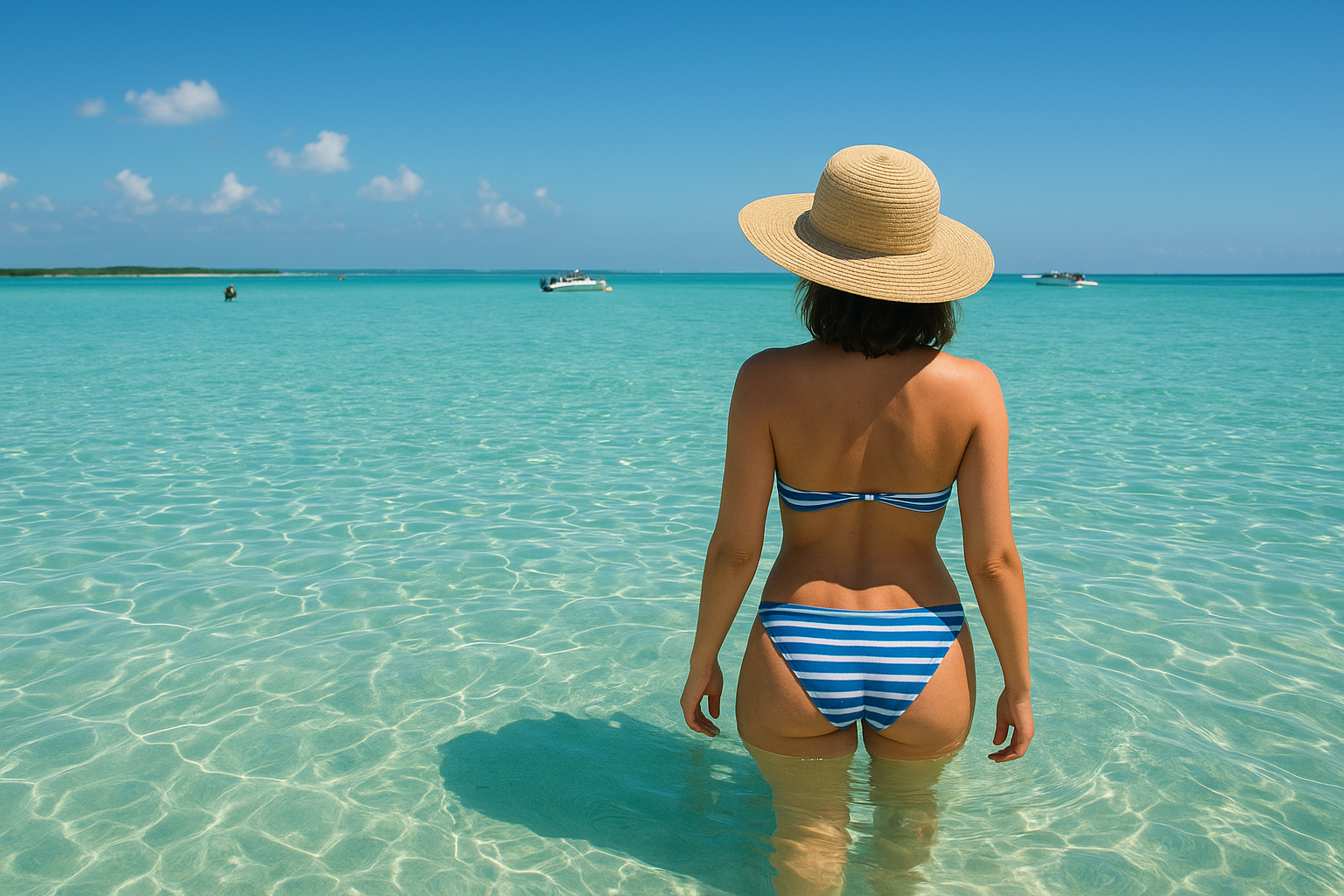
If the best time to visit Crab Island for water quality is your priority, check a local Destin tide chart and plan your arrival within one to two hours of high tide. That window gives you the best depth and clarity before conditions start shifting.
Tidal windows in Destin typically cycle twice daily, so even a morning low tide can be followed by usable afternoon conditions.
Low tide reduces depth fast
Low tide can drop water levels quickly and noticeably, leaving parts of the sandbar shallow or exposed. Watch for these specific changes when tides are falling:
- Murky water from stirred-up sediment near the bottom
- Reduced swimming depth, especially toward the sandbar edges
- Fewer anchored boats, which signals most visitors have already moved on
How to pick the best month and weather window
Month selection and weather awareness are two separate decisions, and both shape how good your day on the water actually turns out. May and September consistently deliver the strongest conditions for most visitors, balancing warm Gulf water with manageable crowd sizes before and after the summer rush.
May and September hit the sweet spot
If finding the best time to visit Crab Island is your main planning goal, these two shoulder months give you the most flexibility. Water temperatures in May typically sit in the mid-70s Fahrenheit, warm enough for comfortable swimming without the wall-to-wall boat traffic that July brings. September offers that same breathing room after the summer crowds thin out.
September often delivers some of the clearest water of the year, since summer traffic has dropped and afternoon storm activity starts to ease off.
- May: Water warming up, light crowds, vendors fully operational
- September: Post-summer calm, still comfortable, excellent visibility
Watch for Gulf weather patterns
Florida’s Gulf Coast runs afternoon thunderstorm cycles through summer, typically hitting between 2 and 4 p.m. Plan your visit to wrap up by early afternoon during June through August to avoid getting caught in a fast-moving storm while you’re out on the sandbar.
How to choose the best day and time of day
Once you’ve picked your month, narrowing down the specific day and arrival time makes a bigger difference than most visitors expect. The best time to visit Crab Island shifts even within a single week, and weekday mornings consistently deliver a calmer, more comfortable experience than weekend afternoons for the majority of groups.
Weekdays beat weekends for crowd control
Saturdays and Sundays draw the heaviest traffic to the sandbar, pulling in both tourists and local day-trippers who pack the water with anchored boats. If your schedule allows any flexibility, aim for Tuesday through Thursday, when boat traffic drops noticeably and you have real room to spread out without competing for a spot.
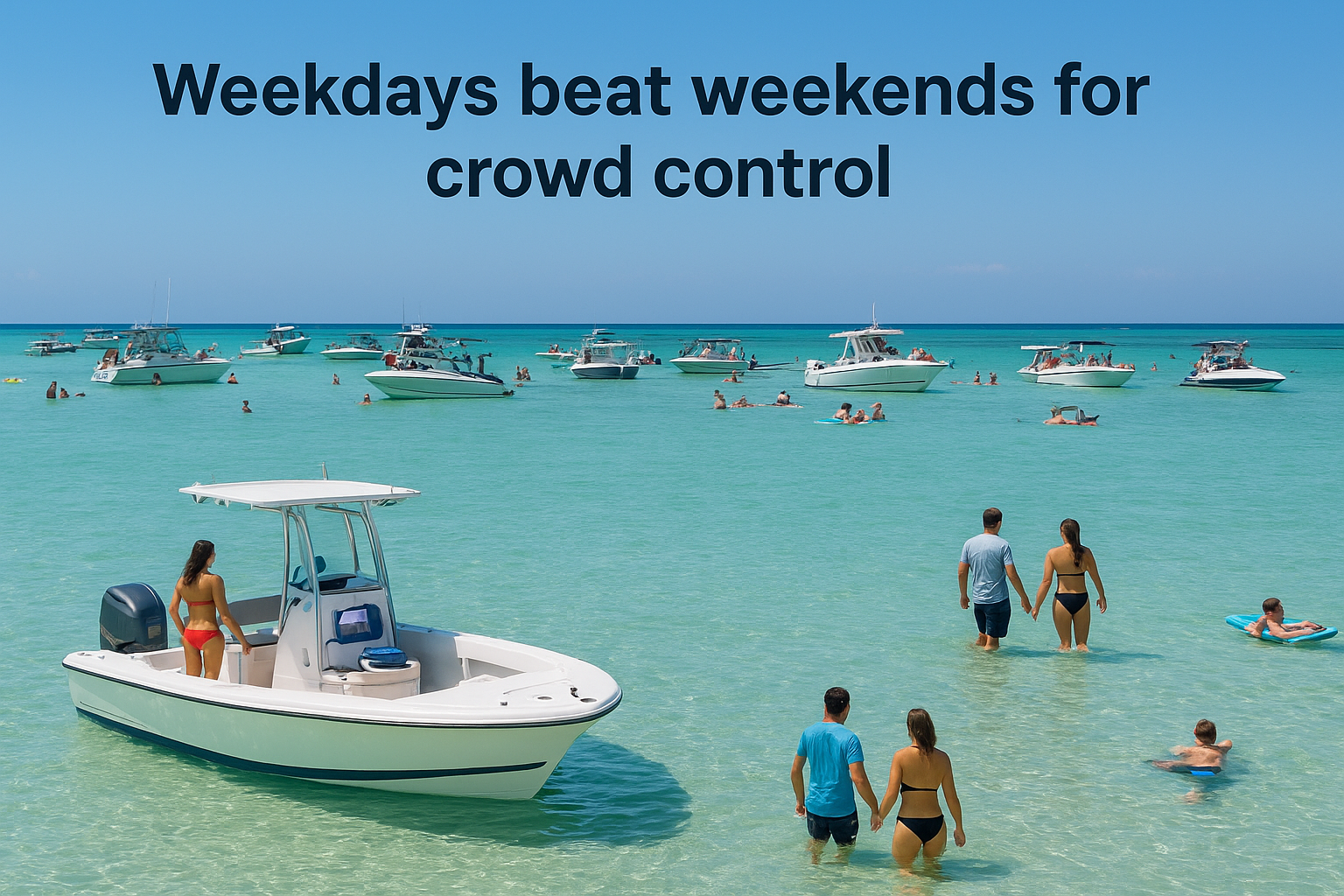
A midweek visit in July still gives you the full summer atmosphere, just without the shoulder-to-shoulder anchoring that defines weekend peak hours.
Arrive early for the calmest conditions
Getting out to the sandbar between 9 and 11 a.m. puts you there before the afternoon crowd builds and before Gulf storm activity starts cycling in. Early arrivals also get calmer water surfaces, better light for swimming visibility, and first pick of anchoring positions before the sandbar fills up around midday.
What to pack and plan for a smooth visit
Preparation separates a smooth day on the sandbar from one spent scrambling. What you bring and how you book shapes the whole experience, especially if you’re trying to time your visit around tides and lighter crowds.
Gear that makes the day easier
Packing the right items keeps your group comfortable from launch to return. Sun protection and hydration are non-negotiable on the open water, where shade is limited and reflection off the Gulf intensifies the heat.
Reef-safe sunscreen protects both your skin and the water quality at the sandbar, which stays healthier when visitors use it consistently.
Bring these essentials for any visit:
- SPF 50 or higher sunscreen, applied before you leave the dock
- Water shoes for walking the sandbar bottom
- Plenty of drinking water since vendors on the sandbar charge premium prices
- A dry bag for phones and wallets
Book your rental ahead of time
Knowing the best time to visit Crab Island only pays off if your boat is already reserved. Summer weekends fill rental slots fast, and showing up without a booking on a peak Saturday often means waiting or missing the tide window you planned around. Lock in your rental before you travel.
Quick recap and next step
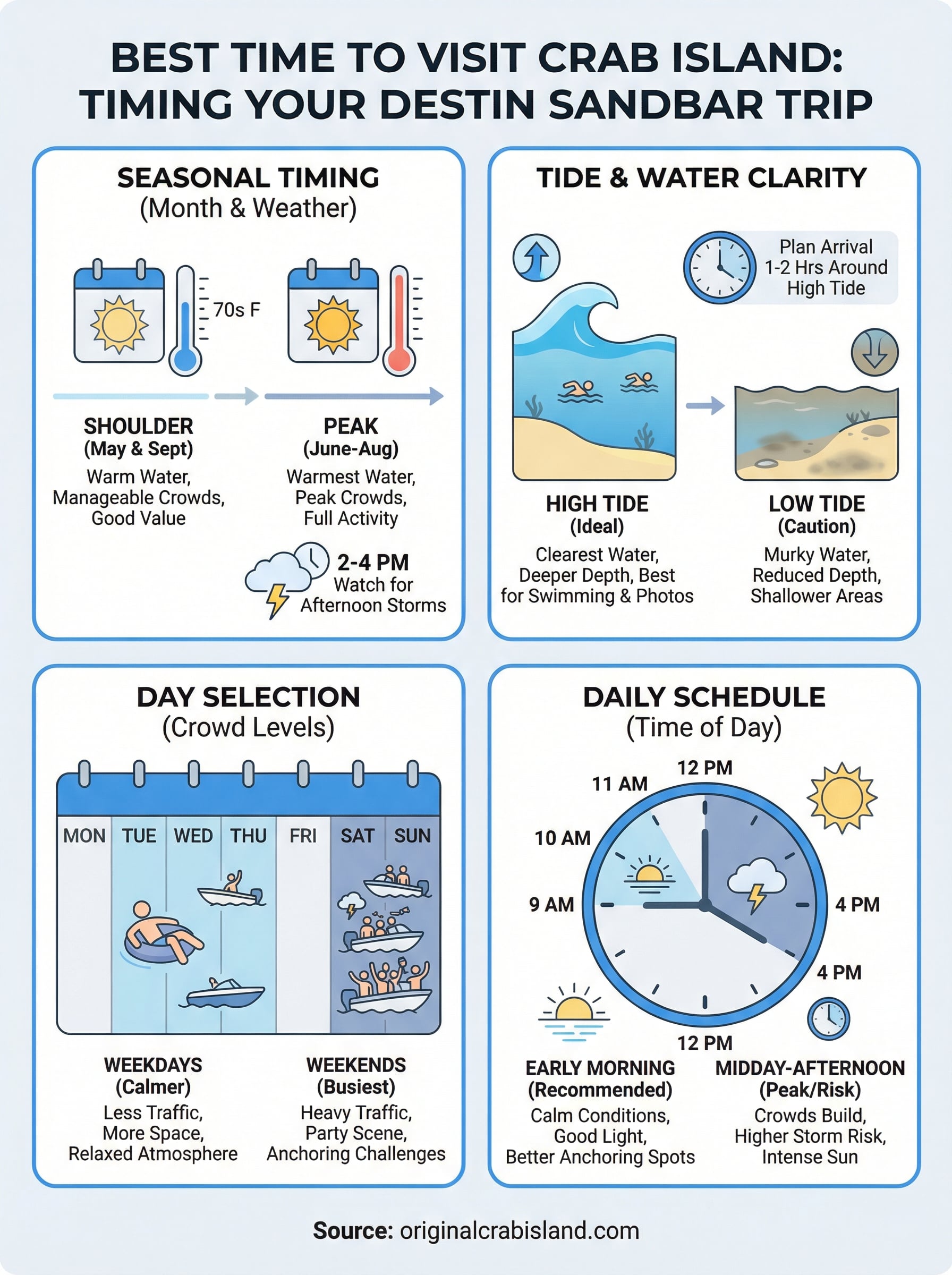
Picking the best time to visit Crab Island comes down to three things: the season, the tide, and the time of day. Shoulder months like May and September give you warm water with thinner crowds. Arriving within an hour or two of high tide keeps the water clear and deep enough for comfortable swimming. Weekday mornings between 9 and 11 a.m. consistently beat weekend afternoons for space, calm conditions, and better anchoring spots.
Your group’s goals matter just as much as the calendar. Families with young kids benefit from early weekday windows, while groups chasing the full social scene thrive on summer weekends. Either way, the sandbar rewards visitors who plan ahead over those who show up and hope for the best.
If you’re ready to lock in your day on the water, book a pontoon or jet ski rental with Original Crab Island before your preferred window fills up. For more options, explore our Destin pontoon rentals page. For more options, explore our Servicios página.
Popular Crab Island Pages
- Alquiler de pontones en Crab Island
- Chárters de pesca en Crab Island
- Crab Island Boat and Yacht Rentals
- Parapente acuático en Crab Island
- Alquiler de motos acuáticas en Crab Island
- Crab Island Helicopter Rides
- Crab Island Snorkeling Tours
- Crab Island Paddleboard Rentals
- Crab Island Kayak Rentals
- Alquiler de bicicletas en Crab Island
- Crab Island Shark Boat
- Crab Island Pirate Ship
- Crab Island Tiki Rentals
- Crab Island Snorkeling Tours


