Destin, Florida didn’t earn the title "World’s Luckiest Fishing Village" by accident. Sitting at the edge of the Gulf of Mexico where deep waters run close to shore, this stretch of the Emerald Coast delivers year-round fishing opportunities that draw anglers from across the country.
But here’s the thing: timing matters. The best time to fish in Destin depends entirely on what you want to catch. Red snapper, cobia, mahi-mahi, and kingfish all run on different schedules, and hitting the water during peak migration windows can turn a good trip into an unforgettable one.
At Original Crab Island, our fishing charters head out into these Gulf waters regularly, and we’ve seen firsthand how the seasons shape what’s biting. This month-by-month guide covers exactly when to target specific species, what weather conditions to expect, and how to plan your Destin fishing trip around the 2026 calendar. Whether you’re booking a deep-sea charter or fishing inshore, you’ll know what to expect before you ever leave the dock.
1. Fish with a Destin charter from Original Crab Island
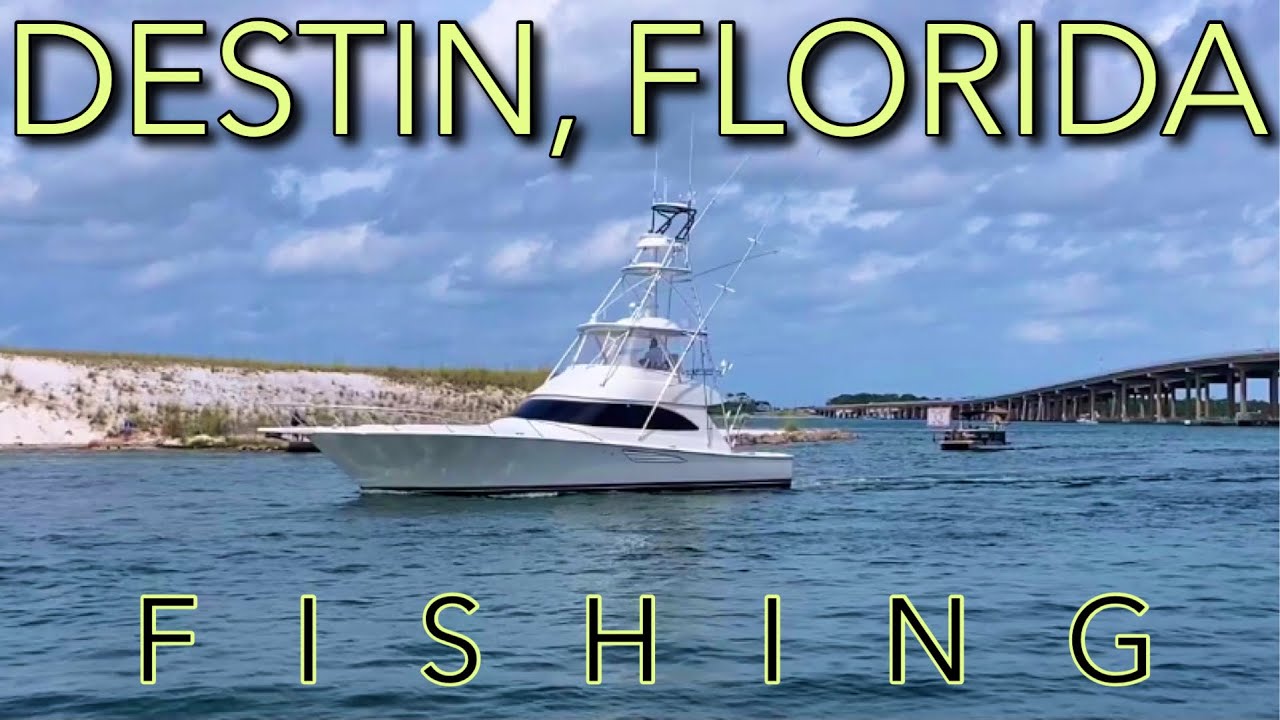
Booking a professional fishing charter removes the guesswork from finding fish in unfamiliar waters. Our captains at Original Crab Island know where the bite is happening, what’s running each month, and how to adjust tactics when conditions shift. You spend your time fishing instead of searching for GPS coordinates or burning fuel on unproductive spots.
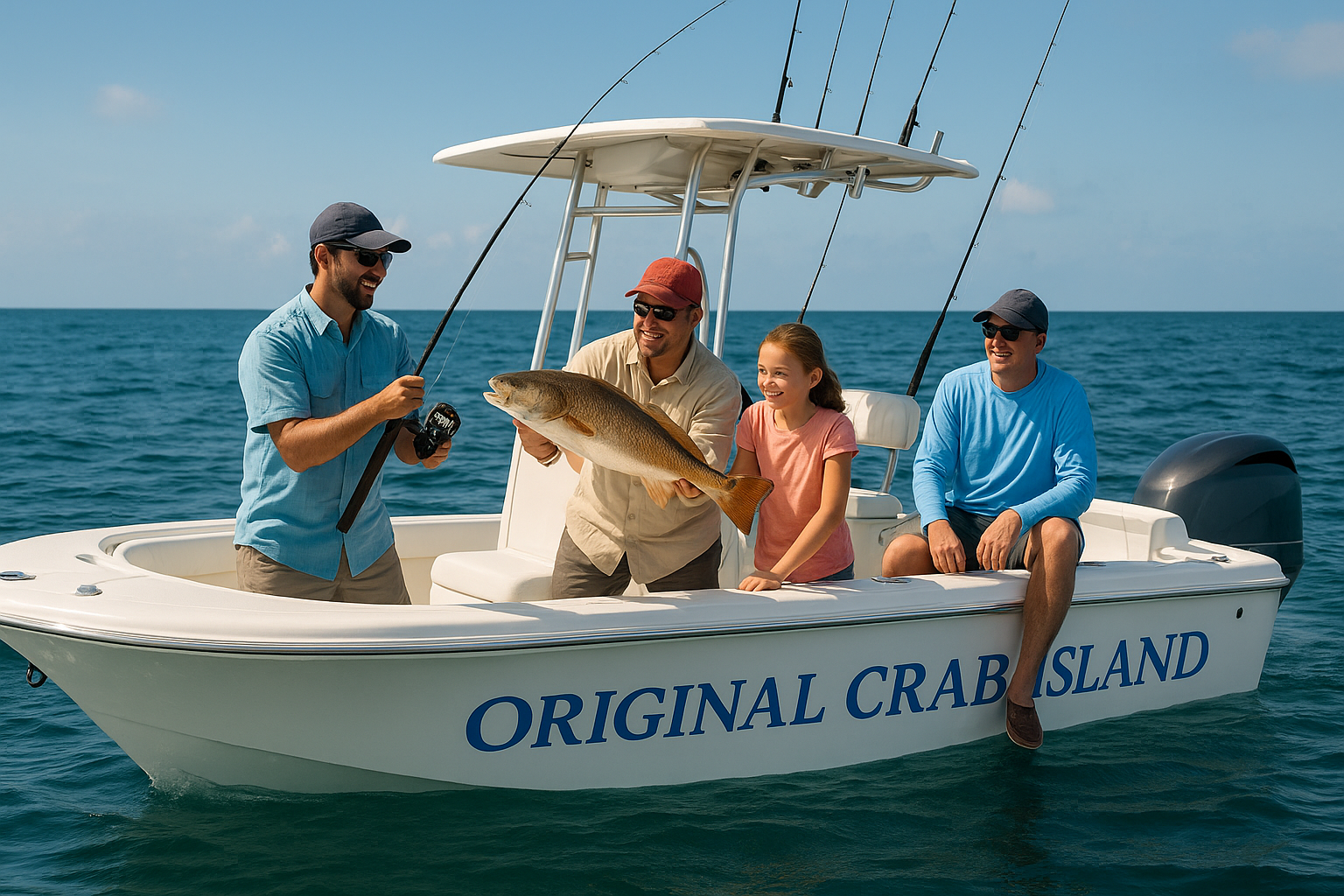
We run charters year-round out of Destin Harbor, targeting everything from inshore redfish to offshore mahi depending on the season. The boat, gear, and local knowledge come standard, so you can focus on landing fish rather than planning logistics.
Choose the right trip length for your goals
Half-day trips (4 hours) work well for families with young kids, first-time anglers, or anyone targeting inshore species like redfish, speckled trout, and flounder. You’ll fish the bay, passes, or nearshore reefs without committing to a full day on the water.
Full-day charters (8 hours) open up deeper offshore territory where snapper, grouper, amberjack, and kingfish hold. Longer trips give you time to reach productive bottom structure, work multiple spots, and adjust your strategy if the first location doesn’t produce.
Offshore species like mahi-mahi and tuna often require a minimum 8-hour trip just to reach the productive water and have enough fishing time to make the run worthwhile.
Match your trip type to the season
Inshore charters shine during winter months (December through February) when redfish, black drum, and sheepshead move into protected bays and around structure. Water stays calmer, and shorter trips deliver solid action without heading offshore.
Spring and fall bring peak migration windows for cobia, Spanish mackerel, and pompano, which you can target on nearshore trips. Summer turns the focus offshore where red snapper season (typically June through August) drives demand for deep-water bottom fishing charters.
Plan the day around tides, wind, and crowds
Tides matter most for inshore fishing, where redfish and trout feed aggressively during incoming water. Our captains schedule trips around strong tidal movement rather than slack periods, which often means early morning or late afternoon departures.
Wind direction affects both comfort and fish activity. South winds push warmer surface water toward shore and calm the Gulf, while north winds after cold fronts can make offshore trips rougher but improve water clarity inshore. We monitor forecasts closely and adjust departure times to avoid peak tourist boat traffic at the harbor.
Know what to bring and what’s typically included
We provide all rods, reels, tackle, and bait on every charter. You don’t need a fishing license when you’re on our boat because the captain’s license covers all anglers aboard. We also handle fish cleaning at the dock so you leave with fillets ready for the grill.
Bring sunscreen, polarized sunglasses, a hat, and any food or drinks you want on the water. Seasickness medication works best when taken the night before if you’re prone to motion sickness. Soft-sided coolers fit better on deck than hard coolers, and we have ice available.
2. January
January brings cooler Gulf temperatures that push most offshore species into deeper water or south toward warmer zones. While you won’t find the same pelagic action as summer, inshore fishing heats up as redfish, black drum, and sheepshead concentrate around structure and protected bays. Water clarity improves significantly during winter months, making sight fishing possible on calm days when you can spot tailing reds in shallow grass flats.
What’s biting and what slows down
Redfish dominate the January bite throughout Choctawhatchee Bay and East Pass, with fish ranging from slot-size keepers to bull reds over 30 inches. Black drum move into similar areas, feeding on oyster bars and around dock pilings. Sheepshead spawn during winter months and stack up on structure like jetties, bridges, and artificial reefs where barnacles and crustaceans provide easy meals.
January sheepshead fishing peaks during the coldest weeks when water temperatures drop into the mid-50s, triggering their spawn and concentrating fish around hard structure.
Offshore species like snapper, grouper, and amberjack still bite when weather allows, but trip cancellations increase due to rough Gulf conditions. Spanish mackerel and pompano move south or offshore, leaving inshore waters quieter than fall months.
Best water to fish: bay, jetties, nearshore
Focus your effort in Choctawhatchee Bay from the Mid-Bay Bridge east to the Destin Bridge, where redfish cruise grass flats and oyster bars. The jetties at East Pass hold sheepshead year-round, and January brings some of the best concentrations as fish prepare to spawn.
Nearshore reefs within 10 miles of shore produce sheepshead, black sea bass, and occasional red snapper on calm days. Destin Harbor itself offers productive fishing around docks and bulkheads when cold fronts make open water too rough.
Go-to techniques and bait
Live shrimp catches everything biting in January and remains the most versatile bait for redfish, black drum, and sheepshead. Fish shrimp under popping corks over grass flats or free-line them around structure. Fiddler crabs work exceptionally well for sheepshead around jetties and bridge pilings.
Cut mullet or ladyfish produces larger black drum when fished on bottom rigs near oyster beds. Artificial lures like soft plastic paddle tails in red or white mimic shrimp and allow you to cover more water when searching for scattered redfish.
Weather windows and safety notes
Cold fronts pass through every 7-10 days during January, bringing strong north winds that can make the Gulf unfishable for 2-3 days. Plan your trips between fronts when south winds return and temperatures moderate. Early morning starts often deliver the best bite before wind speeds increase throughout the day.
Water temperatures range from 55°F to 62°F, which means layering clothing and bringing waterproof outerwear. Hypothermia risk increases if you get wet in these conditions, so pack dry bags for extra clothes and avoid wading in deeper water.
3. February
February extends the productive winter fishing patterns that define Destin’s cooler months, with inshore species continuing to concentrate around structure and protected waters. Water temperatures stabilize in the upper 50s to mid-60s, which keeps redfish, sheepshead, and black drum actively feeding throughout the day. This month often delivers some of the best time to fish in Destin for sight-casting to tailing redfish on calm mornings when water clarity reaches its annual peak.
What’s biting and what slows down
Sheepshead fishing reaches its absolute peak during February as spawning activity intensifies around jetties, bridges, and artificial reefs. You’ll find these fish stacked on any hard structure with barnacle growth. Redfish remain consistent throughout Choctawhatchee Bay, though cold snaps can temporarily slow the bite until water temperatures rebound.
Black drum continue feeding heavily on oyster bars and around dock pilings. Offshore fishing improves slightly compared to January as Gulf conditions moderate between cold fronts, but pelagic species remain scarce until spring migration begins.
Best water to fish: bay, jetties, nearshore
The East Pass jetties produce limit catches of sheepshead when you target the right tidal stages. Focus on the rocks during incoming tide when water movement pushes food into the structure. Choctawhatchee Bay flats from the Marler Bridge to the Brooks Bridge hold redfish that cruise shallow water hunting for baitfish and crustaceans.
Nearshore reefs within five miles of shore offer mixed catches of sheepshead, black sea bass, and triggerfish on calm days between weather systems.
Go-to techniques and bait
Live shrimp and fiddler crabs remain your primary baits for sheepshead, with fiddlers producing larger fish around barnacle-covered structure. Small hooks (size 1 or 1/0) and light leaders increase your hookup ratio on these bait-stealing fish.
February sheepshead bite so lightly that you need to set the hook at the slightest tap rather than waiting for a traditional pull, and using fluorocarbon leaders in 15-20 pound test improves your presentation.
Gold spoons and soft plastic jerkbaits catch redfish when worked along drop-offs and channel edges.
Weather windows and safety notes
Cold fronts arrive less frequently in February compared to January, creating longer fishing windows between weather systems. South winds and warmer days between fronts provide the most comfortable conditions and often trigger increased fish activity. Water temperatures can swing 10 degrees within a week depending on cold front timing, so check forecasts before committing to offshore trips that require calmer Gulf conditions.
4. March
March marks the transition from winter to spring fishing in Destin, with warming water temperatures triggering the first major migrations of the year. Water temps climb from the mid-60s into the low 70s, activating species that remained dormant or offshore during colder months. You’ll notice increased baitfish activity in nearshore waters as glass minnows and silversides move into bays and along beaches, which draws predators closer to shore.
What’s biting and what slows down
Cobia begin their northward migration along the Gulf Coast during March, appearing first around nearshore structures like buoys, oil rigs, and floating debris. Spanish mackerel return to inshore waters in growing numbers as the month progresses, feeding aggressively on small baitfish around the jetties and sandy beaches.
Redfish continue their strong winter patterns throughout March, though warming water temperatures spread them across wider areas of the bay. Sheepshead fishing remains excellent through mid-month before spawning activity winds down and fish disperse. Pompano start appearing along surf zones and around jetties as water temperatures reach their preferred range.
March delivers one of the best times to fish in Destin for anglers targeting multiple species on a single trip, with productive winter patterns overlapping the arrival of spring migrants.
Best water to fish: bay, jetties, nearshore
Focus your effort on nearshore reefs and structures within three miles of shore where cobia cruise in 30 to 60 feet of water. The East Pass jetties hold Spanish mackerel and sheepshead simultaneously, allowing you to switch targets based on tidal movement and fish activity.
Choctawhatchee Bay flats produce consistent redfish action, particularly around oyster bars and grass edges. Surf zones along Destin beaches attract pompano when water clarity improves after calm weather periods.
Go-to techniques and bait
Live pinfish or small blue crabs work best for cobia when sight-fishing around structure. Cast ahead of cruising fish and let the bait sink naturally. Spanish mackerel hit fast-moving silver spoons or small white jigs retrieved quickly through schools of baitfish.
Fresh shrimp catches redfish, pompano, and sheepshead throughout March. Sand fleas become effective pompano bait later in the month when these crustaceans emerge in surf zones.
Weather windows and safety notes
Cold fronts decrease in frequency and intensity during March compared to earlier winter months. South winds dominate between weather systems, creating comfortable fishing conditions and calmer Gulf waters. Water temperatures can still drop after strong fronts, temporarily slowing fish activity until conditions stabilize.
5. April
April delivers prime spring fishing conditions as water temperatures push into the mid-70s and pelagic species arrive in force along Destin’s coastline. This month represents the transition into peak season, with cobia migration reaching full strength and multiple inshore species feeding aggressively in warming waters. Calm Gulf conditions become more consistent, opening up nearshore and offshore fishing opportunities that were limited during winter months.
What’s biting and what slows down
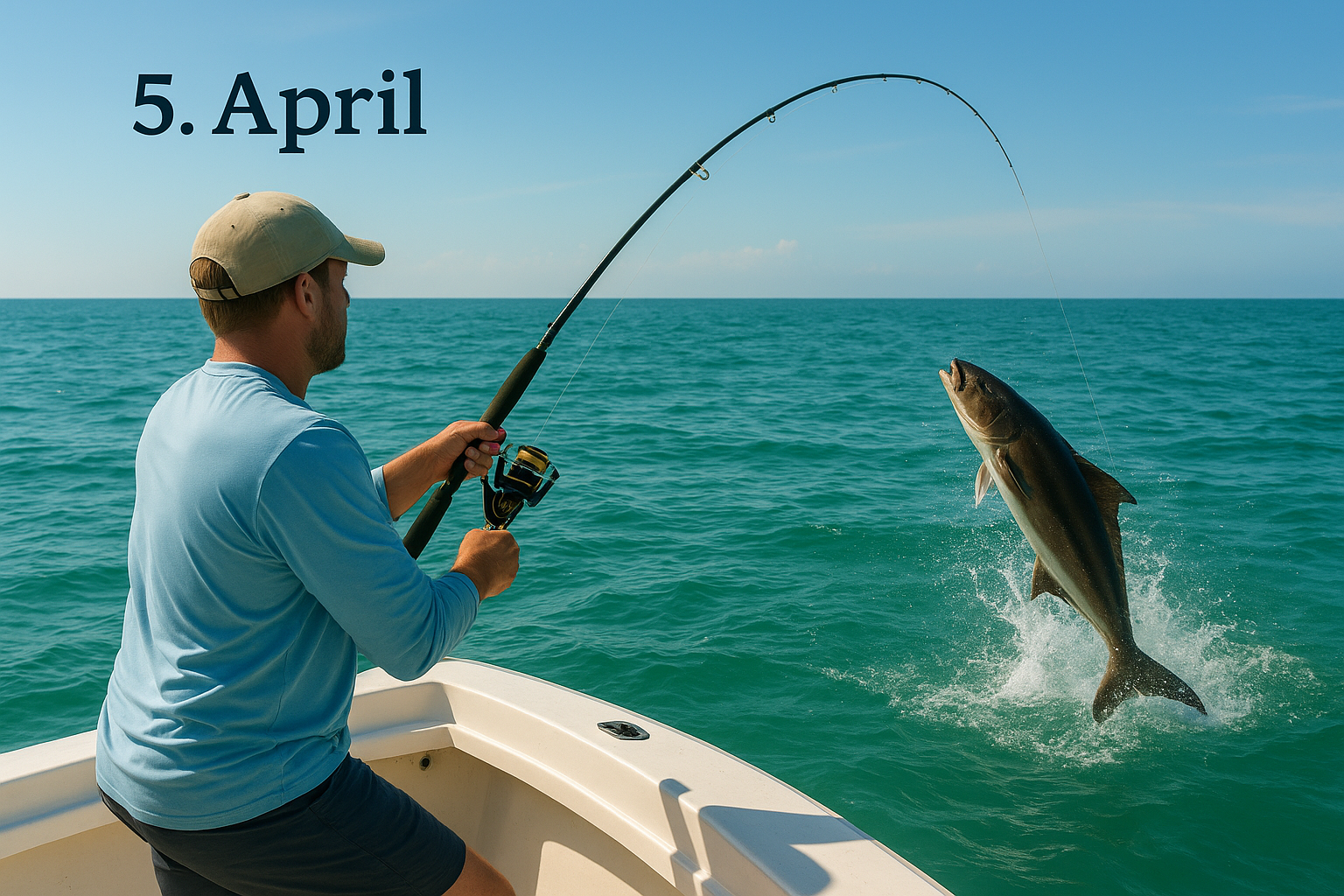
Cobia dominate April fishing as massive schools migrate north through Destin waters, with fish ranging from 30 to 80 pounds cruising around structures and following rays in open water. Spanish mackerel numbers explode throughout the month, creating fast action around jetties, beaches, and nearshore reefs. Pompano fishing peaks along surf zones and around East Pass.
Redfish spread across wider areas of Choctawhatchee Bay as warming water temperatures reduce their concentration around winter structure. Sheepshead fishing declines significantly after spawning concludes, though you’ll still catch occasional fish around jetties.
April ranks among the best time to fish in Destin for sight-casting to cobia, with clear water and migrating schools creating opportunities to target individual fish cruising near the surface.
Best water to fish: bay, jetties, nearshore
Nearshore waters from 20 to 60 feet deep produce consistent cobia action around natural and artificial structures. The East Pass jetties hold Spanish mackerel throughout the day, with peak activity during tidal movement. Choctawhatchee Bay flats continue producing redfish, particularly during early morning and late afternoon periods when fish move shallow to feed.
Go-to techniques and bait
Live eels or large pinfish work best for cobia when sight-fishing around structures or following rays. Spanish mackerel hit small silver spoons and Got-Cha lures retrieved quickly through feeding schools. Fresh shrimp remains effective for redfish and pompano throughout April.
Weather windows and safety notes
Stable weather patterns dominate April with fewer frontal passages compared to earlier months. South and southeast winds create comfortable conditions and push warm surface water toward shore, improving fish activity.
6. May
May bridges the gap between spring patterns and summer offshore fishing, with water temperatures climbing into the upper 70s and triggering aggressive feeding behavior across multiple species. This month marks the beginning of serious offshore action while maintaining excellent nearshore and inshore opportunities, giving you the widest variety of fishing options throughout the year. Red snapper season typically opens in early June, so May represents your last chance to target other bottom species without competing for space over popular reef sites.
What’s biting and what slows down
King mackerel arrive in strong numbers throughout May, roaming nearshore waters and the 100-foot depth contour offshore. Mahi-mahi begin appearing around weed lines and floating debris as Gulf Stream currents push closer to shore. Cobia migration continues through mid-May before fish disperse to summer feeding grounds, though numbers decline compared to April’s peak runs.
Redfish remain active in Choctawhatchee Bay but move to deeper grass flats as water temperatures rise. Spanish mackerel fishing stays consistent around jetties and beaches. Triggerfish season typically opens in May, providing excellent action on nearshore reefs and artificial structures.
May delivers some of the best time to fish in Destin for targeting multiple species in a single day, with productive inshore patterns overlapping the arrival of offshore pelagics.
Best water to fish: bay, jetties, nearshore, offshore
Offshore waters from 80 to 200 feet deep produce king mackerel and mahi-mahi along temperature breaks and current edges. Nearshore reefs within 10 miles hold triggerfish, Spanish mackerel, and remaining cobia. The East Pass jetties continue producing Spanish mackerel during tidal movement, while Choctawhatchee Bay grass flats hold redfish throughout the day.
Go-to techniques and bait
Slow-trolling live bait or pulling spoons and diving plugs catches king mackerel along depth contours. Live shrimp under popping corks remains effective for redfish on bay flats. Ballyhoo or bonito strips work well for mahi-mahi when trolled behind offshore spreads.
Weather windows and safety notes
Stable weather dominates May with minimal cold front activity and predictable afternoon sea breezes. Morning trips offer the calmest Gulf conditions before wind speeds increase through midday.
7. June
June launches peak summer fishing season in Destin as water temperatures push into the low 80s and red snapper season opens, creating the busiest month on the water. This month represents the transition to offshore dominance, with bottom fishing pressure intensifying over productive reefs and wrecks as anglers from across the region target the year’s most anticipated fishery. Your focus shifts from nearshore structures to deeper Gulf waters where grouper, snapper, and amberjack concentrate around hard bottom throughout summer months.
What’s biting and what slows down
Red snapper fishing explodes when the federal season opens (typically early June), with fish from 15 to 30 pounds stacked over natural and artificial reefs. Gag grouper, triggerfish, and red grouper provide excellent action on the same bottom structures. Mahi-mahi roam offshore lanes in growing numbers as summer progresses, following weed lines and temperature breaks in 200 to 1,000 feet of water.
King mackerel remain consistent along the 100-foot contour but move slightly deeper as surface temperatures warm. Inshore redfish action slows during midday heat but picks up during early morning and late evening periods when fish move shallow to feed.
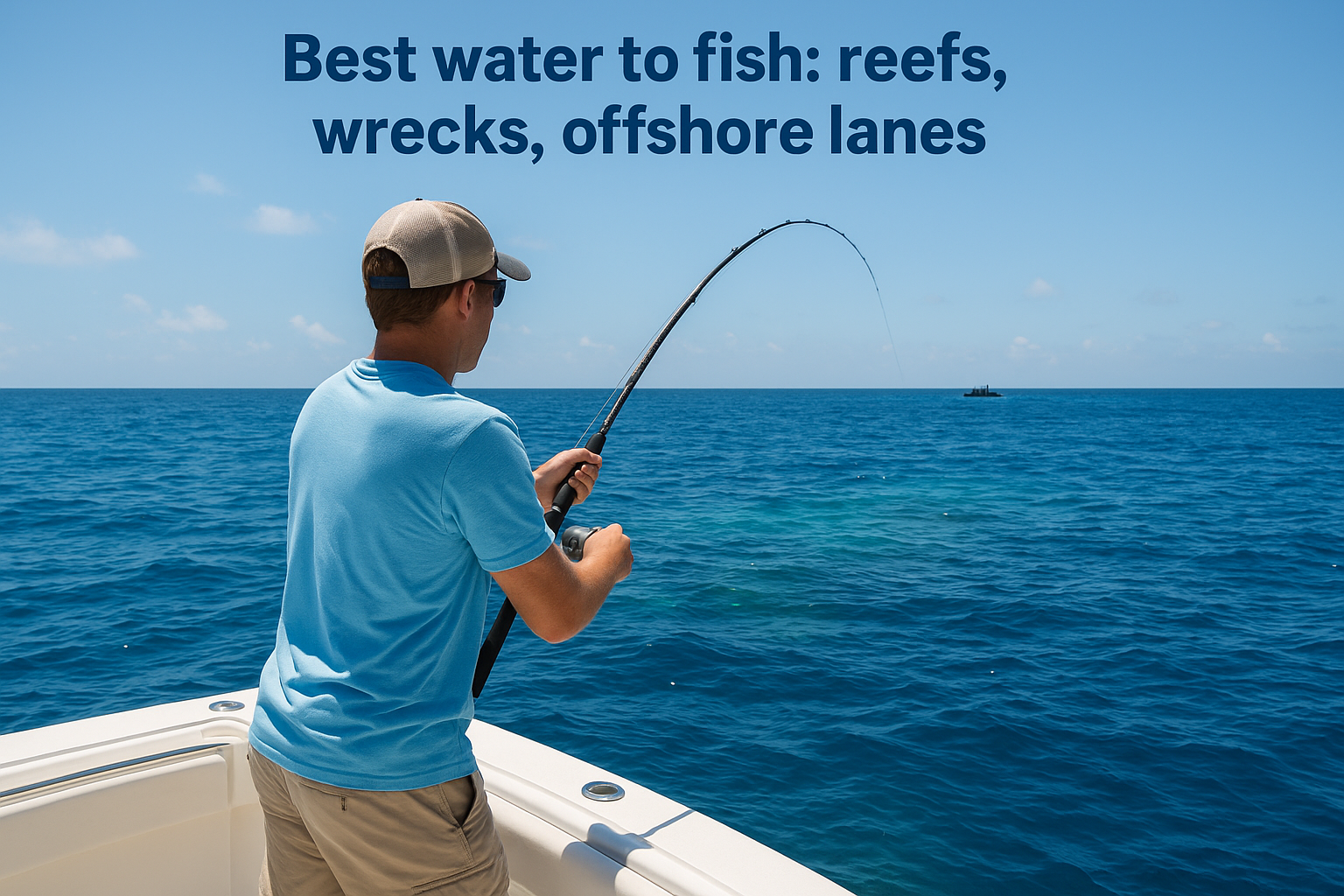
Best water to fish: reefs, wrecks, offshore lanes
Concentrate your effort on natural reefs and artificial structures in 80 to 120 feet of water where red snapper and grouper dominate the catch. Popular public reefs see heavy pressure during snapper season, so arriving early secures your spot. Offshore waters from 200 to 600 feet produce mahi-mahi and blackfin tuna along current edges and floating debris.
Go-to techniques and bait
Bottom fishing with cut bait or whole squid produces red snapper and grouper over reef structures. Circle hooks in 7/0 to 9/0 sizes reduce gut-hooking and improve survival rates for undersized fish. Trolling ballyhoo or rigged bonito behind offshore spreads catches mahi-mahi cruising blue water.
Season rules to confirm before you go
Check current federal regulations for red snapper season dates, which change annually based on stock assessments and can close with minimal notice once quotas fill. Size and bag limits vary between state and federal waters, so confirm which regulations apply to your fishing location.
June represents the best time to fish in Destin for red snapper when regulations allow, but you must verify the exact season dates and daily bag limits before leaving the dock because closures can happen unexpectedly.
8. July
July brings peak summer heat and the most intense fishing pressure of the year as tourists flood Destin for vacation season. Water temperatures reach the mid to upper 80s, pushing most productive fishing to early morning hours or late evening when surface temperatures cool slightly. Red snapper season typically closes by mid-July after quota fills, shifting your focus to other bottom species and offshore pelagics that thrive in warm Gulf waters. This month requires strategic planning around weather, crowds, and heat to maximize your time on the water.
What’s biting and what slows down
Mahi-mahi fishing reaches peak productivity during July as schools concentrate along weed lines and current breaks in deeper offshore waters. Blackfin tuna and wahoo appear more frequently as water temperatures climb. King mackerel move to the 80 to 100-foot depth range where cooler water provides relief from surface heat.
Grouper, amberjack, and triggerfish continue producing solid catches on reef structures, though you’ll compete with other anglers for productive spots. Inshore fishing slows dramatically during midday heat but picks up at dawn and dusk when redfish and speckled trout feed in shallow grass flats.
Best water to fish: offshore, reefs, early morning inshore
Offshore waters from 300 to 1,000 feet produce the most consistent action during July, with mahi-mahi, tuna, and wahoo roaming blue water far from the temperature extremes closer to shore. Nearshore reefs in 80 to 120 feet hold bottom species but see heavy boat traffic throughout the day.
July represents one of the best times to fish in Destin for offshore pelagics when you target deep water early in the morning before afternoon thunderstorms build over the Gulf.
Choctawhatchee Bay flats require dawn or dusk trips to avoid midday heat that shuts down inshore bite.
Go-to techniques and bait
Trolling spreads with ballyhoo, bonito strips, and artificial skirted lures catches mahi-mahi and tuna in offshore lanes. Bottom fishing with cut bait or live pinfish produces grouper and amberjack over reef structures. Live shrimp fished under popping corks remains your best option for inshore redfish during cooler morning hours.
Heat, storms, and peak crowd strategy
Afternoon thunderstorms develop almost daily during July, typically building between 2 PM and 5 PM over the Gulf. Plan your trips to finish by early afternoon and monitor radar constantly when offshore. Peak tourist crowds mean you’ll face competition for dock space, bait supplies, and productive fishing spots.
Bring extra water, apply sunscreen frequently, and wear protective clothing to manage intense UV exposure during midday hours.
9. August
August extends July’s summer fishing patterns while introducing peak hurricane season concerns that require constant weather monitoring and flexible planning. Water temperatures hold steady in the mid to upper 80s throughout the month, keeping the best action focused on deep offshore waters where cooler temperatures and stronger currents concentrate pelagic species. This month delivers excellent fishing when weather cooperates, but tropical systems can shut down the Gulf for days at a time, making backup plans essential for any trip to Destin.
What’s biting and what slows down
Mahi-mahi remain the primary offshore target during August, with schools feeding aggressively along weed lines and floating debris in 300 to 800 feet of water. Wahoo appear more consistently as the month progresses, hitting trolled baits at higher speeds than other pelagics. Blackfin tuna continue producing catches around current breaks and temperature edges in deeper water.
Grouper, amberjack, and triggerfish maintain steady catches on reef structures, though competition for spots remains high. Inshore fishing stays slow during midday but produces redfish and speckled trout during dawn and dusk when fish move shallow to feed.
Best water to fish: deep offshore and structure
Focus your effort in deep offshore waters from 400 to 1,000 feet where pelagic species avoid the warmest surface temperatures closer to shore. These depths also position you near the continental shelf edge where wahoo and tuna roam along dramatic depth changes and strong current flows.
Nearshore reefs in 80 to 120 feet continue holding bottom species but require early departure times to secure productive spots before other boats arrive.
Go-to techniques and bait
Trolling spreads with ballyhoo, bonito strips, and high-speed lures catches mahi-mahi and wahoo in offshore lanes. Varying your trolling speeds between 6 and 12 knots helps you determine which species are feeding most actively. Bottom fishing with cut bait or live pinfish produces grouper and amberjack over reef structures.
August represents one of the best times to fish in Destin for wahoo when you troll high-speed lures along the 100-fathom curve where these speedsters ambush baitfish moving with Gulf Stream currents.
Storm season planning and backup options
Tropical systems peak during August, bringing the highest risk of trip cancellations due to hurricanes, tropical storms, or large swells generated by distant weather. Monitor forecasts three to five days ahead and maintain flexible schedules that allow you to shift trips around storm windows.
Keep backup plans ready for inshore fishing when offshore conditions deteriorate but bay waters remain calm enough to fish safely.
10. September
September marks the transition from peak summer into Destin’s productive fall fishing season, with water temperatures dropping from the mid-80s into the upper 70s as the month progresses. This cooling trend triggers bull redfish migration into passes and nearshore waters while offshore species remain active around deeper structures. Tourist crowds thin significantly after Labor Day, giving you more room to fish productive spots without competing for space at popular reefs and channels.
What’s biting and what slows down
Bull redfish appear in large schools around East Pass and nearshore waters during September, with fish ranging from 27 to 40 inches feeding aggressively before their fall spawn. Mahi-mahi continue producing offshore catches along weed lines and floating debris, though numbers decline slightly compared to summer peaks. King mackerel move closer to shore as water temperatures moderate.
September represents one of the best times to fish in Destin for bull redfish when massive schools stack up in passes and around nearshore structures during their annual spawning migration.
Grouper, amberjack, and triggerfish maintain steady action on reef structures throughout the month.
Best water to fish: inshore bull reds and offshore pelagics
Focus your effort around East Pass and nearshore bars in 15 to 40 feet of water where bull redfish school during their spawn. Offshore waters from 200 to 600 feet still hold mahi-mahi and blackfin tuna. Choctawhatchee Bay flats become more productive as cooling temperatures reactivate slot-size redfish feeding patterns.
Go-to techniques and bait
Large live pinfish or cut mullet catches bull redfish around passes and nearshore structures. Trolling ballyhao or rigged bonito produces offshore pelagics cruising blue water. Live shrimp under popping corks works well for bay redfish as water temperatures drop.
Shoulder-season travel advantages
Reduced crowds mean easier access to boat ramps, bait shops, and productive fishing spots throughout September. Hotel rates drop after Labor Day while weather remains warm and mostly stable.
11. October
October delivers prime fall fishing conditions as water temperatures drop into the low to mid-70s and cooling trends trigger aggressive feeding behavior across multiple species. This month ranks among the best time to fish in Destin because you get excellent weather, reduced crowds, and productive action both inshore and offshore. Major fishing tournaments schedule throughout October, bringing competitive anglers to Destin’s waters but also confirming the month’s reputation for consistent catches across diverse target species.
What’s biting and what slows down
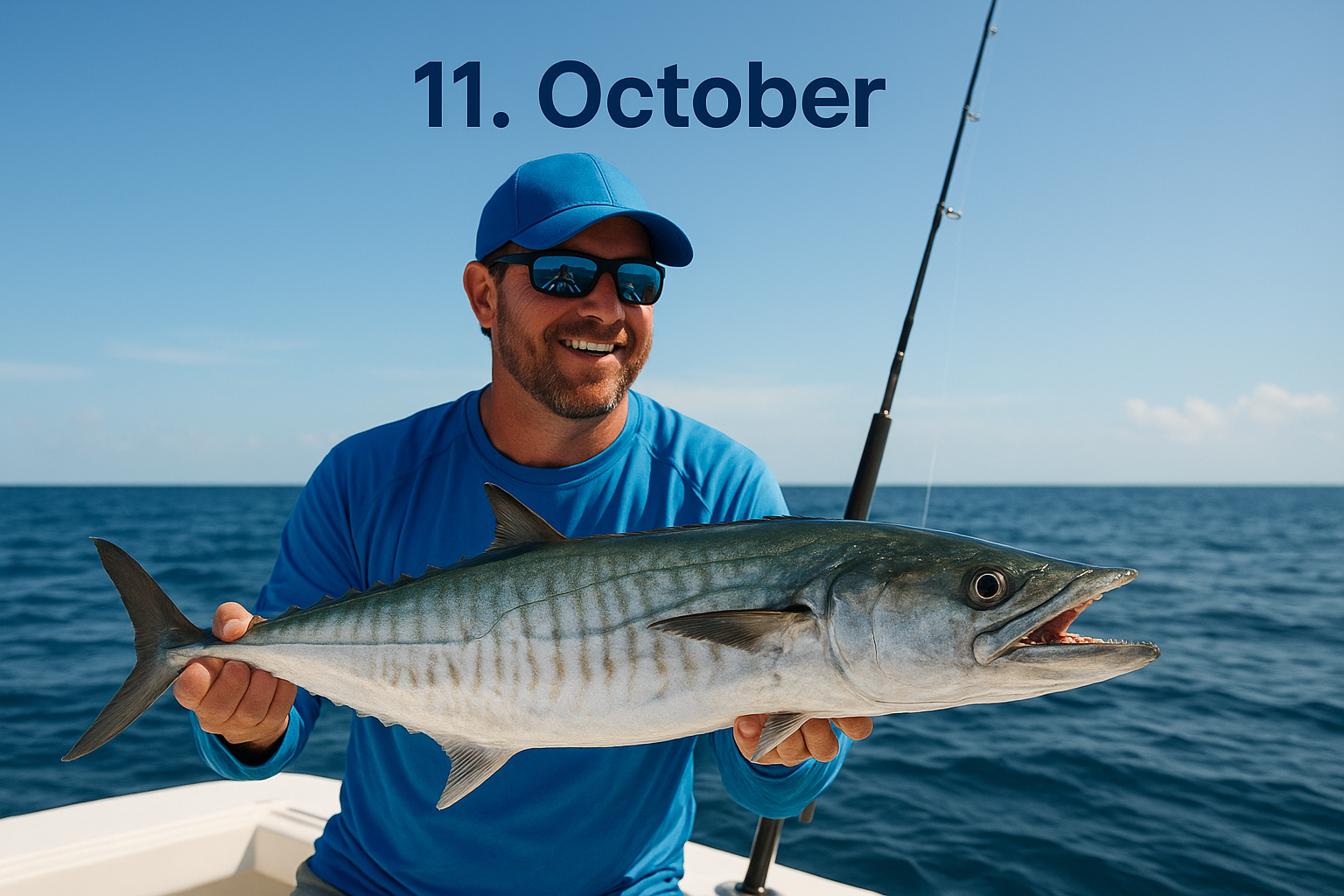
King mackerel dominate October fishing as massive schools move through Destin waters during their fall migration south. Redfish feed heavily throughout Choctawhatchee Bay as cooling water reactivates their metabolism after summer’s heat. Speckled trout appear in growing numbers around grass flats and oyster bars, providing excellent inshore action on light tackle.
Offshore species like wahoo, blackfin tuna, and mahi-mahi remain active around deeper structures and blue water. Grouper fishing stays strong on reef structures, while triggerfish continue biting through most of October before their season closes.
October represents one of the most versatile fishing months in Destin, with productive patterns spanning from shallow bay flats to deep offshore lanes where pelagics roam along temperature breaks.
Best water to fish: bays, passes, reefs, offshore
Target Choctawhatchee Bay grass flats and oyster bars where redfish and speckled trout feed throughout the day. King mackerel cruise along the 60 to 100-foot depth contour within easy reach of nearshore trips. Offshore waters from 200 to 600 feet produce wahoo, tuna, and late-season mahi-mahi around current edges and floating debris.
Go-to techniques and bait
Slow-trolling live bait or pulling spoons and diving plugs catches king mackerel along depth contours. Live shrimp under popping corks remains your most versatile option for redfish and speckled trout. Cut bait or live pinfish produces grouper over reef structures.
Tournament month considerations
Major tournaments concentrate boats over productive king mackerel grounds during October weekends. Plan your trips during weekdays to avoid the heaviest competition for fishing spots and bait supplies.
12. November
November brings cooler water temperatures into the mid to low 60s and signals the return of winter fishing patterns that concentrate species around structure and protected waters. This month bridges the gap between fall’s offshore productivity and winter’s inshore dominance, giving you solid action in both environments depending on weather conditions between cold fronts. Tourist crowds remain minimal through November, leaving popular fishing spots open and reducing competition for productive structure throughout Choctawhatchee Bay and nearshore reefs.
What’s biting and what slows down
Redfish move back into protected bay waters and around oyster bars as dropping temperatures trigger their winter patterns. Speckled trout numbers increase throughout Choctawhatchee Bay, providing excellent light tackle action on grass flats. Black drum appear around structure in growing numbers, feeding heavily before water temperatures drop further in December.
Late-season offshore opportunities remain viable during calm weather windows, with wahoo, blackfin tuna, and king mackerel still producing catches over deeper reefs and along the 100-foot contour. Sheepshead begin their pre-spawn concentration around jetties and bridges.
Best water to fish: inshore plus late offshore shots
Focus your effort in Choctawhatchee Bay around oyster bars, grass flats, and channel drop-offs where redfish and speckled trout feed throughout the day. The East Pass jetties hold sheepshead and black drum around structure. Offshore reefs in 80 to 120 feet produce bottom species and late pelagics when Gulf conditions allow trips between cold fronts.
Go-to techniques and bait
Live shrimp remains your most effective bait for redfish, speckled trout, and sheepshead throughout November. Soft plastic paddle tails in natural colors catch trout over grass flats. Cut mullet produces black drum around oyster beds and dock pilings.
Cold fronts, water clarity, and best times to fish
Cold fronts return with increasing frequency during November, bringing strong north winds that improve water clarity but can shut down the bite temporarily. Fish the two days before each front arrives when barometric pressure drops and species feed aggressively. Post-front periods require patience as fish adjust to temperature changes.
November represents one of the best times to fish in Destin for speckled trout when cooling water triggers their fall feeding patterns and concentrates fish on productive grass flats throughout Choctawhatchee Bay.
13. December
December closes out the year with full winter fishing patterns as water temperatures settle into the mid to upper 50s and inshore species concentrate around structure throughout Choctawhatchee Bay. This month delivers some of the clearest water conditions you’ll see all year in Destin, making sight fishing possible on calm days when you can spot redfish tailing in shallow flats. Shorter daylight hours and cold morning temperatures require strategic planning to maximize your fishing time, but the consistent action on redfish, sheepshead, and black drum makes December trips worthwhile for anglers who dress appropriately and target peak feeding windows.
What’s biting and what slows down
Redfish dominate December catches throughout protected bay waters and around oyster bars where they feed on crustaceans and small baitfish. Sheepshead stack up on jetties, bridges, and artificial reefs as their spawn approaches in January. Black drum appear consistently around dock pilings and oyster beds, providing solid action for anglers targeting larger specimens.
Offshore fishing becomes highly weather-dependent during December, with strong cold fronts limiting your opportunities to reach deeper waters. When conditions allow, red snapper, grouper, and triggerfish still bite over reef structures, but you’ll face limited weather windows between frontal passages.
Best water to fish: inshore winter patterns and late nearshore
Concentrate your effort in Choctawhatchee Bay from the Mid-Bay Bridge east to the Destin Bridge, where redfish cruise grass flats and shallow channels. The East Pass jetties produce sheepshead throughout the month, particularly during incoming tides when water movement pushes food into the rocks.
Nearshore reefs within 10 miles of shore offer productive fishing on calm days between cold fronts.
Go-to techniques and bait
Live shrimp catches everything biting in December and remains your most versatile option for redfish, black drum, and sheepshead. Fiddler crabs work exceptionally well for sheepshead around barnacle-covered structure. Soft plastic paddle tails in natural colors allow you to cover more water when searching for scattered redfish.
December represents one of the best times to fish in Destin for sight-casting to redfish when crystal-clear water and calm conditions let you spot tailing fish in shallow grass flats before making your cast.
Short days, cold mornings, and best times to fish
Sunrise happens after 6:30 AM during December, giving you less productive daylight compared to summer months. Target the warmest part of the day between 10 AM and 3 PM when fish activity peaks and air temperatures moderate. Water temperatures stabilize throughout the day, creating consistent bite windows rather than the dawn and dusk patterns that dominate warmer months.
Your next step
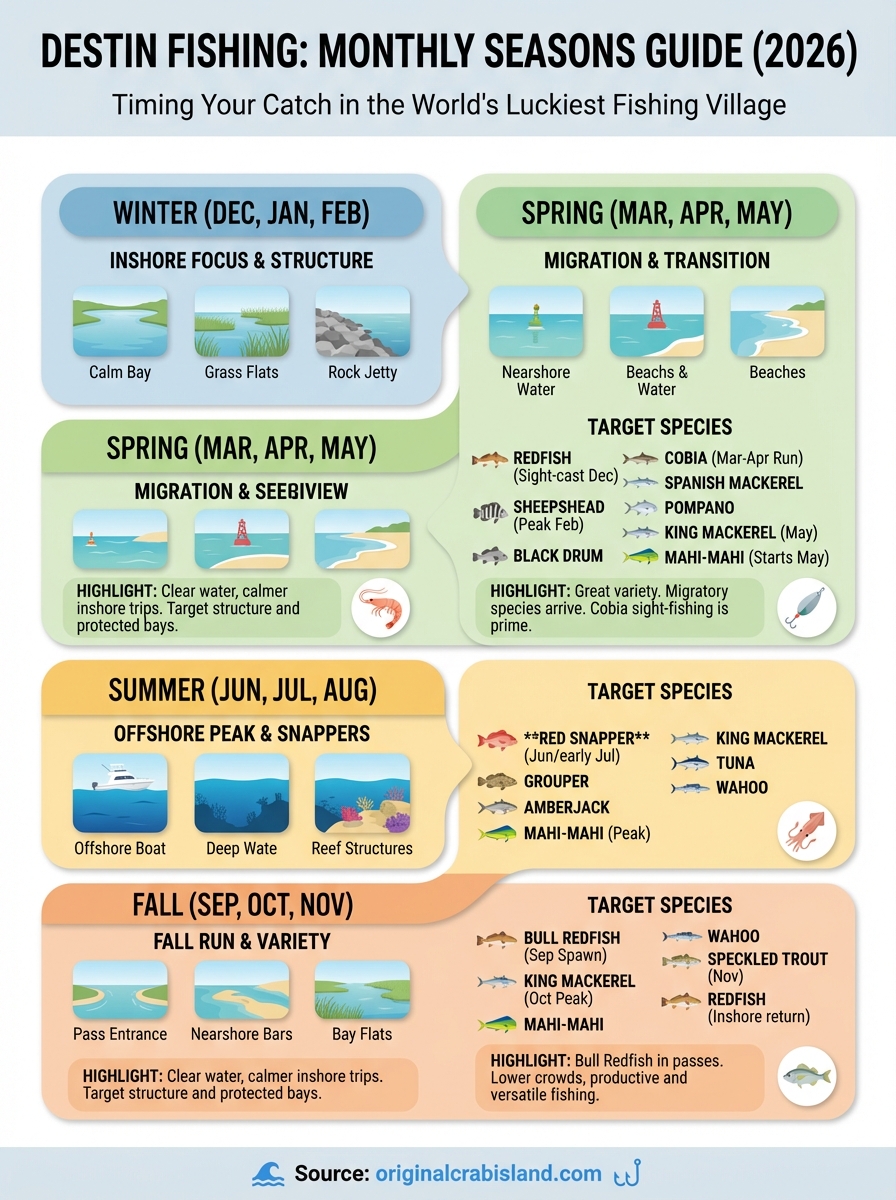
You now know the best time to fish in Destin based on your target species and the conditions each month brings. January through March deliver exceptional inshore action with redfish and sheepshead around structure. April and May bring spring migrations of cobia and Spanish mackerel. Summer months from June through August shift your focus offshore to red snapper, mahi-mahi, and pelagics cruising deep water. Fall’s September through November window produces diverse catches from bull redfish to king mackerel before winter patterns return in December.
Book your fishing charter with Original Crab Island and our captains will put you on the most productive water for the season you choose. We provide all tackle, bait, and local knowledge so you can focus on landing fish rather than guessing where they’re biting. Your Destin fishing trip starts the moment you step aboard with gear ready and a captain who fishes these waters year-round. For more options, explore our our services página.
Popular Crab Island Pages
- Alquiler de pontones en Crab Island
- Chárters de pesca en Crab Island
- Crab Island Boat and Yacht Rentals
- Parapente acuático en Crab Island
- Alquiler de motos acuáticas en Crab Island
- Crab Island Helicopter Rides
- Crab Island Snorkeling Tours
- Crab Island Paddleboard Rentals
- Crab Island Kayak Rentals
- Alquiler de bicicletas en Crab Island
- Crab Island Shark Boat
- Crab Island Pirate Ship
- Crab Island Tiki Rentals
- Crab Island Snorkeling Tours


