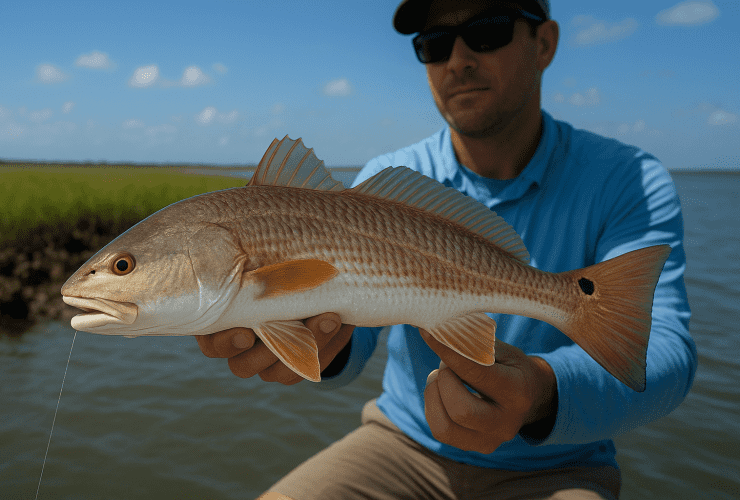
Whether you’re casting into the Gulf of Mexico off Destin or working the flats around Crab Island, your reel matters. Daiwa fishing reels have earned a loyal following among saltwater anglers for good reason, they’re built tough, cast smooth, and hold up against the kind of fish that pull back hard. At Original Crab Island, we put gear through real conditions on our guided fishing charters out of Destin, Florida, so we know what performs when it counts.
But not every Daiwa reel fits every situation. A reel that shines on an offshore trip for red snapper might be overkill for sight-casting redfish in the shallows. Picking the right model comes down to where you’re fishing, what you’re targeting, and how much you want to spend. That’s exactly what this guide is here to sort out, no fluff, just honest recommendations.
In this roundup, we break down five of the best Daiwa reels for saltwater and inshore use. Each pick includes what it does well, where it falls short, and who it’s best suited for. Whether you’re rigging up for your first charter or upgrading a well-worn setup, you’ll walk away with a clear idea of which Daiwa reel deserves a spot on your rod.
1. Daiwa BG MQ
The Daiwa BG MQ sits at the sweet spot between affordable and genuinely capable. It uses Daiwa’s Monocoque body construction, which removes the traditional side plate screws to create a more rigid, sealed frame that holds together under real fishing pressure.
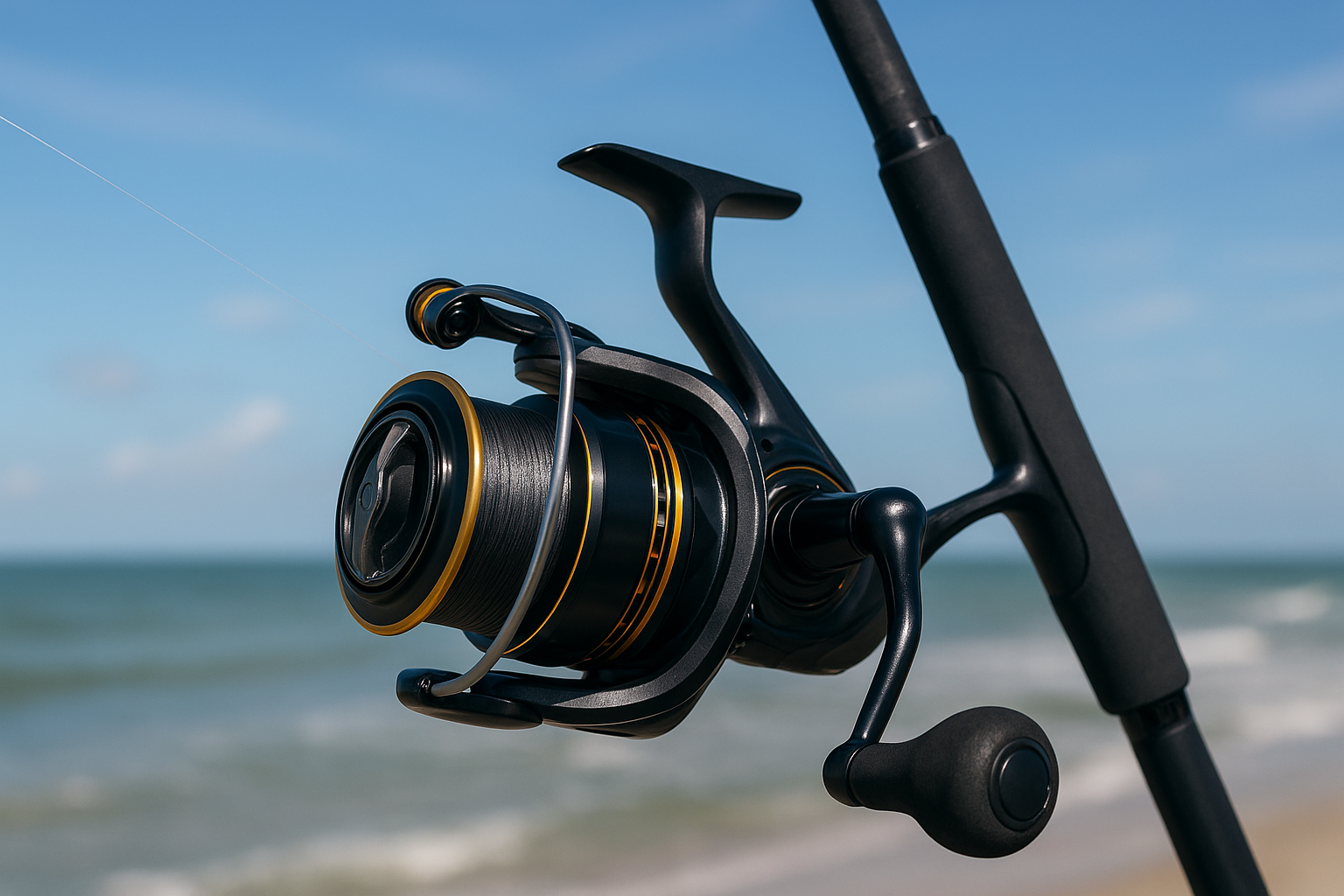
Why it’s a top pick for saltwater value
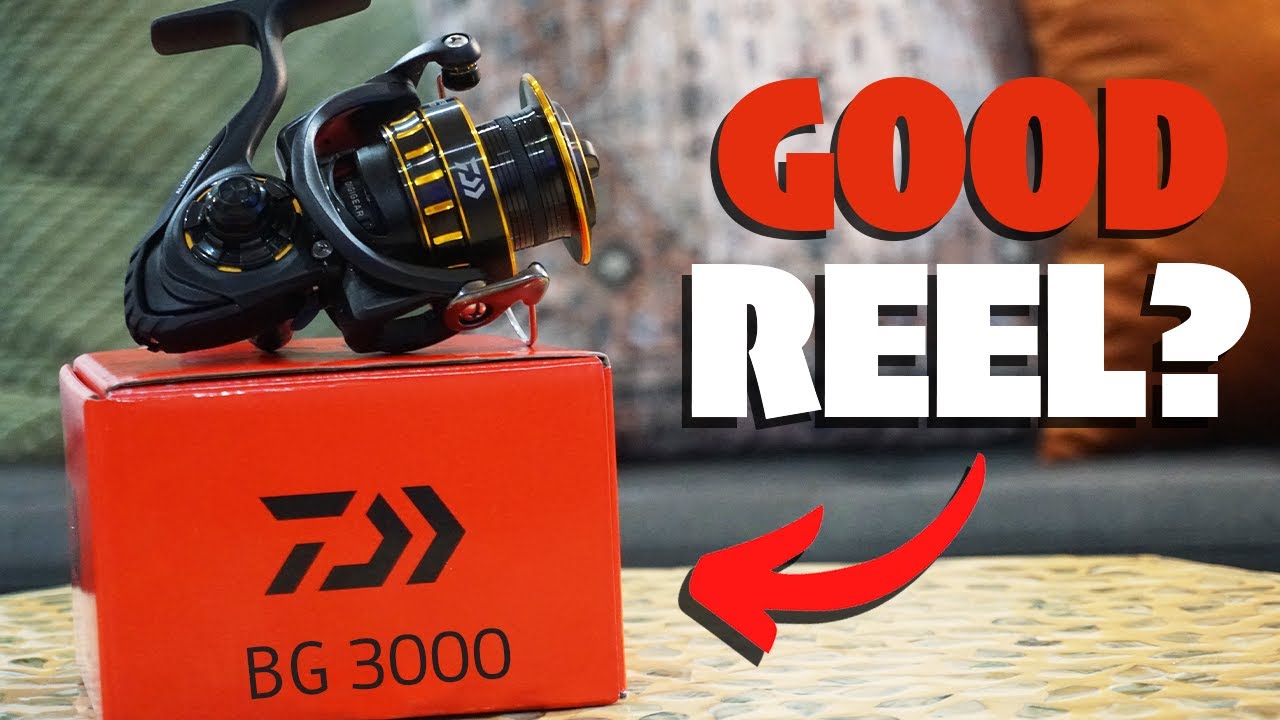
Most reels at this price cut corners on the body or the drag. The BG MQ doesn’t. You get tournament-grade frame rigidity and solid corrosion resistance without crossing into premium price territory, which makes it one of the strongest value plays in the daiwa fishing reels lineup.
At under $200, the BG MQ delivers structural quality that competing reels typically only match at a significantly higher price.
- Monocoque body resists flex under load better than open-frame designs
- Corrosion-resistant components hold up in salt without constant rinsing
Best use cases for inshore and nearshore
This reel performs best when you’re targeting inshore and nearshore species like redfish, snook, flounder, and smaller king mackerel. It works well from skiffs, docks, piers, and kayaks where balanced weight matters.
Recommended sizes and line setups
The 4000 and 5000 sizes cover most inshore and light nearshore situations without excess bulk.
- 4000: 20-30 lb braid or 10-15 lb mono
- 5000: 30-40 lb braid or 15-20 lb mono
Notable features to understand before buying
The Zaion Air rotor cuts rotational weight, which you notice on long casting days. The sealed body design also reduces sand and water intrusion compared to open-frame competitors in the same price range.
What to watch out for
The drag ceiling tops out around 22 lbs on the larger sizes. If you regularly target heavier nearshore species, you may outgrow this reel’s drag capacity faster than expected.
- Not ideal for large pelagics or trophy-class redfish under heavy conditions
- Drag feel can feel slightly coarse compared to higher-tier Daiwa models
Typical price range
You can expect to pay $130 to $200 depending on size and retailer. The 5000 and 6000 sizes typically land near the top of that window.
2. Daiwa Saltist MQ
The Daiwa Saltist MQ steps up from the BG MQ in both build quality and internal finish. It uses the same Monocoque body design but adds tighter tolerances and more refined components that dedicated inshore anglers will appreciate right away.
Why it shines as an inshore workhorse
The Saltist MQ handles the repetitive demands of inshore fishing without breaking down. Daily saltwater exposure and heavy retrieves don’t wear on it the way they do on budget alternatives. It sits in the mid-tier of daiwa fishing reels but performs noticeably closer to the top of the price bracket.
Best use cases for docks, passes, and surf
This reel handles heavy current well, making it a solid choice for tidal passes, jetties, and surf fishing where fish make long, hard runs.
The Saltist MQ delivers drag consistency under load that cheaper reels simply can’t match in fast-moving water.
Recommended sizes and line setups
The 3000 and 4000 sizes cover most inshore needs without adding unnecessary bulk to your setup.
- 3000: 20 lb braid or 10 lb mono
- 4000: 30 lb braid or 15 lb mono
Notable features to understand before buying
The Hardbodyz aluminum frame resists flex during hard fights, and Daiwa’s UTD drag system delivers smooth, consistent pressure from start to finish.
What to watch out for
The Saltist MQ runs slightly heavier than competing spinning reels at this price point, which you will notice during long surf casting sessions.
Typical price range
Expect to pay $200 to $280 depending on the size you choose.
3. Daiwa Certate SW
The Daiwa Certate SW sits in a different category than the BG MQ or Saltist MQ. This is a premium-class spinning reel built for anglers who want long-term performance without constantly swapping out worn components.
Why it’s the "buy once" inshore upgrade
If you fish saltwater seriously, the Certate SW is where many anglers stop shopping. Full metal construction and Daiwa’s Monocoque body combine to produce a reel that holds tight tolerances for years, not just seasons. Among daiwa fishing reels, this one stands out for the longevity you get relative to its cost over time.
Buying the Certate SW once will likely outlast two or three cheaper reels you’d otherwise cycle through.
Best use cases for big inshore fish and light offshore
This reel handles large redfish, tarpon, and snook without hesitation and crosses over cleanly into light offshore work like kingfish and smaller tuna.
Recommended sizes and line setups
The 4000 and 5000 sizes cover both inshore and light offshore applications effectively.
- 4000: 30 lb braid or 15 lb mono
- 5000: 40 lb braid or 20 lb mono
Notable features to understand before buying
The magnesium Monocoque frame keeps weight down while maintaining rigidity under load, and Daiwa’s ATD drag delivers smooth, consistent pressure through long, hard runs.
What to watch out for
The price will stop casual anglers in their tracks. This reel makes financial sense only if you fish regularly throughout the season.
Typical price range
Expect to pay $450 to $600 depending on size and current availability.
4. Daiwa Lexa HD
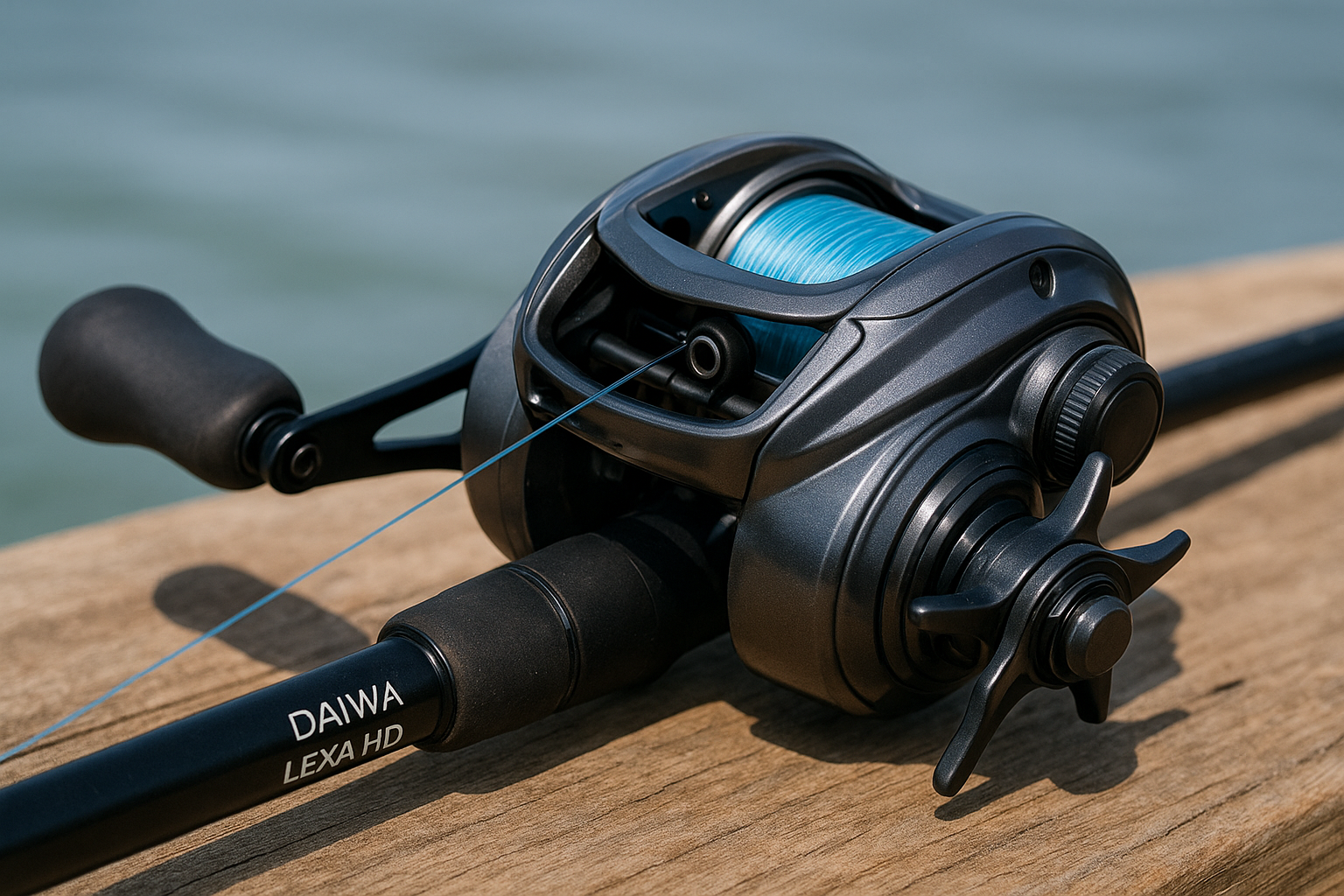
The Daiwa Lexa HD breaks from the spinning reel pattern of this list. It’s a low-profile baitcaster built for inshore anglers who prefer that format, and it brings genuine durability to the style.
Why it’s a strong inshore baitcasting option
The Lexa HD uses an aluminum frame and side plates that resist flex under load, giving you the rigid foundation a baitcaster needs when fighting fish around structure. Among daiwa fishing reels, it delivers build quality that regularly beats competitors at the same price point.
Best use cases for jigs, swimbaits, and live bait
This reel handles heavier inshore presentations well, including jigs worked around docks and rocks, large swimbaits, and live bait rigs targeting redfish or snook in tight spots.
Recommended sizes and line setups
- 100H: 30 lb braid or 15 lb mono
- 300H: 40 lb braid or 20 lb mono
Notable features to understand before buying
The CRBB corrosion-resistant ball bearings keep the retrieve smooth despite regular saltwater exposure, and the sealed drag holds pressure consistently through long runs.
The Lexa HD’s aluminum construction keeps flex out of the equation when a big fish pulls hard.
What to watch out for
Baitcasters require practice, and if you’re switching from spinning gear, expect a learning curve before your casts feel natural and controlled.
Typical price range
You’ll typically find the Lexa HD priced between $150 and $220 depending on the size you choose.
5. Daiwa Saltiga
The Daiwa Saltiga sits at the very top of Daiwa’s saltwater lineup. If you fish hard and target large, powerful species, this is where the search ends.
Why it’s Daiwa’s flagship saltwater reel
Daiwa builds the Saltiga for anglers who refuse to compromise on quality. Full metal Monocoque construction and Daiwa’s most refined internal components deliver performance that holds up through years of hard saltwater use, not just a few seasons.
The Saltiga is the reel Daiwa benchmarks everything else in its lineup against.
Best use cases for hard-fighting saltwater species
This reel handles large pelagics, amberjack, and grouper without strain. It also covers inshore big game situations targeting trophy tarpon and bull redfish where a cheaper reel would fold under pressure.
Recommended sizes and line setups
- 4000-5000: 40-50 lb braid for inshore big game
- 6000-8000: 60-80 lb braid for offshore work
Notable features to understand before buying
Magsealed construction blocks salt, sand, and water from entering the body and line roller. That protection extends the reel’s service life significantly compared to other daiwa fishing reels at lower price points.
What to watch out for
The price is significant, and this reel only makes financial sense if you fish offshore or inshore big game consistently throughout the year. Occasional anglers will not recoup the value.
Typical price range
Expect to pay $700 to $1,000+ depending on size, with larger offshore models sitting at the top of that window.
Next steps for your reel setup
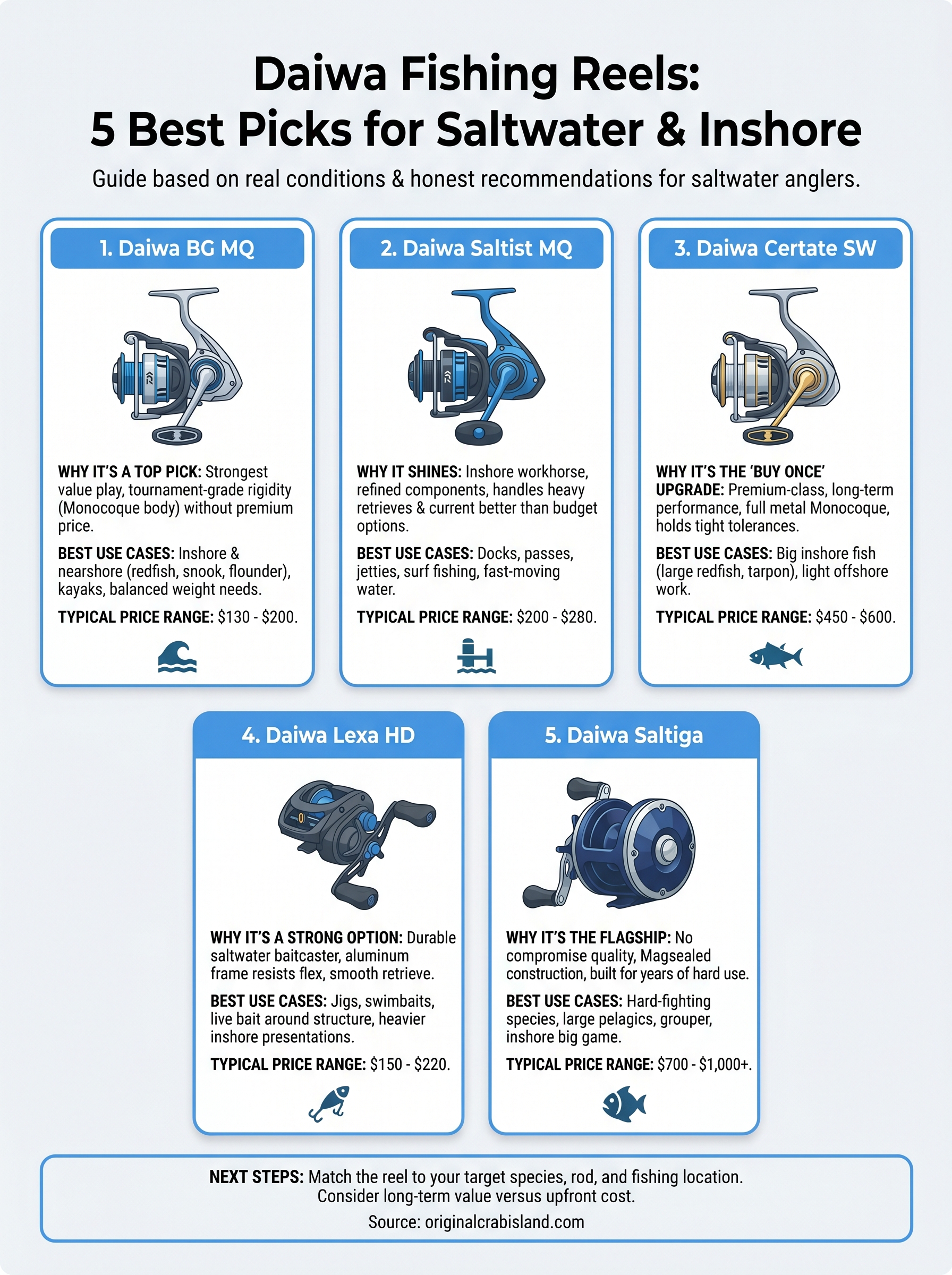
Each of these daiwa fishing reels serves a specific angler at a specific price point. If you’re just getting into saltwater fishing, the BG MQ gives you the most capability per dollar without forcing you into gear you’ll outgrow in a single season. If you fish regularly and want something built to last, the Certate SW or Saltiga will reward that investment across multiple seasons of hard use.
Picking the right reel matters, but so does pairing it with the correct rod, line weight, and target species. Use the size and line recommendations in each section above as your starting point, then adjust based on where you actually fish most. If you want to put that new reel to work on real Gulf water, book a guided fishing charter with Original Crab Island and fish the Emerald Coast with experienced local captains who know exactly where the fish are holding.