
Floating 500 feet above the Gulf of Mexico with the Emerald Coast stretched out beneath you, that’s the kind of moment people travel to Destin for. But before you clip into a harness and launch off the back of a boat, you need solid parasailing safety tips to make sure the experience stays fun from takeoff to touchdown. Every year, preventable incidents happen because riders skip basic precautions or choose the wrong operator.
At Original Crab Island, we send guests up over Destin’s waters regularly, so we’ve seen firsthand what separates a smooth ride from a sketchy one. The difference almost always comes down to preparation and awareness, two things that are entirely in your control. Whether you’re a nervous first-timer or just someone who likes to do their homework, knowing what to check before you fly makes all the difference.
This guide covers five rules every first-time parasailer should follow. We’ll walk through how to pick a reputable operator, what to wear, how to read weather conditions, and what equipment red flags look like up close. Let’s get into it.
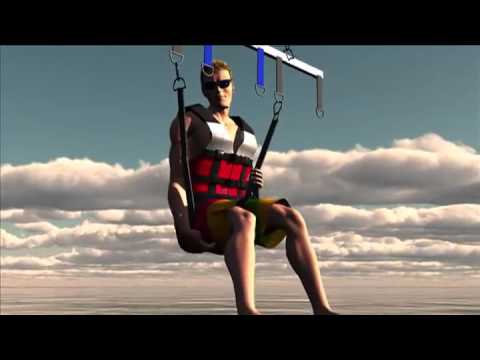
1. Choose a Reputable Destin Operator like Original Crab Island
The single biggest factor in any list of parasailing safety tips is who you fly with. An experienced, licensed operator keeps the gear maintained, monitors conditions, and trains its crew to handle problems before they escalate. A bad operator cuts corners on all three.
Why it matters
The U.S. Coast Guard requires parasailing vessels to carry proper documentation, and operators must follow federal and state regulations that govern passenger safety. Licensed captains know wind thresholds, weight load limits, and emergency procedures. Without those safeguards in place, your ride depends entirely on luck.
Choosing a licensed, insured operator is the most impactful safety decision you’ll make before your feet ever leave the boat deck.
What to do before you book
Look up the company online and check for verifiable reviews on platforms you trust. Confirm the business carries liability insurance and operates a Coast Guard-inspected vessel. Original Crab Island, for example, runs permitted parasailing trips out of Destin with trained staff and properly rated equipment built for the conditions out here.
What to do at check-in and on the dock
When you arrive, ask to see the captain’s credentials and inspect the boat for a current safety inspection sticker. A reputable crew will answer your questions directly and walk you through the full pre-flight briefing without rushing. If the staff seem dismissive or try to skip the safety talk, that tells you something important about how they operate.
Red flags to walk away from
Watch for operators who pressure you to sign unusually broad waivers that waive all liability for negligence, or who use visibly worn equipment. Any crew that dismisses your safety questions, skips the mandatory briefing, or rushes you through check-in without explanation is a crew worth avoiding entirely.
2. Let the Crew Call It for Weather and Wind
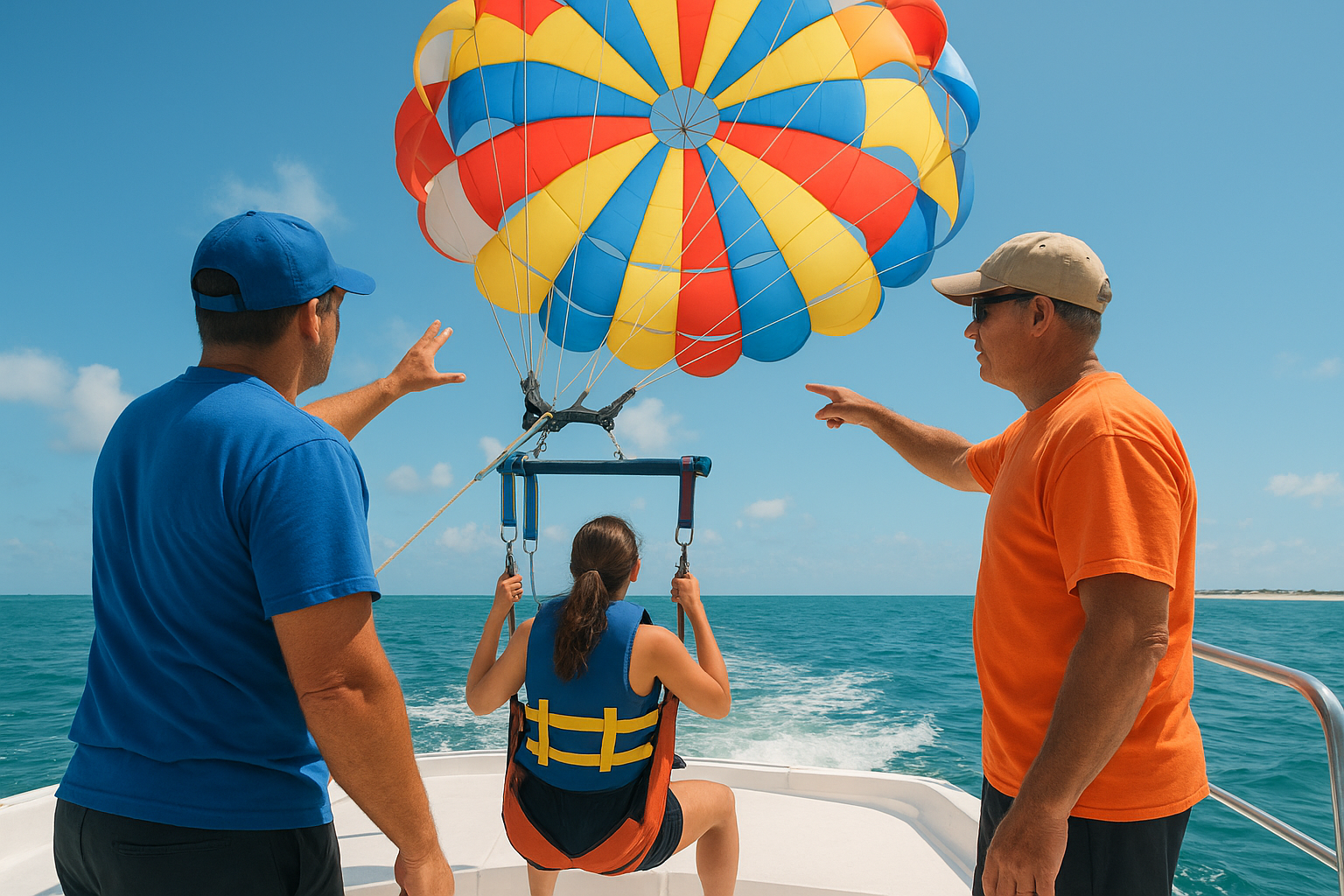
Weather shifts quickly on the Gulf Coast, and wind conditions at altitude can be significantly stronger than what you feel standing on the dock. Gusty or unstable air raises harness stress and reduces the crew’s ability to land you safely, no matter how clear the sky looks from shore.
Why it matters
Operators set specific wind speed thresholds for a reason. When conditions push past those limits, the risk of a rough landing or mid-flight swing increases sharply. Experienced captains track wind readings throughout the day and will hold flights without hesitation when numbers climb too high.
Deferring to the crew on weather decisions is one of the most practical parasailing safety tips you can follow.
What to do before you book
Ask about the operator’s weather cancellation policy before you pay. A reputable company offers rescheduling or a full refund when conditions aren’t flyable, with no pressure to go up anyway.
What to do at check-in and on the dock
Talk to the crew when you arrive and ask what wind speed limit they observe. Confirm whether there have been any holds that morning and whether current readings fall within their safe range.
Red flags to walk away from
Walk away if the operator launches in visibly rough conditions or dismisses crew hesitation to keep the schedule moving. No reservation is worth overriding a captain’s professional weather judgment.
3. Check the Towline and Harness Before Takeoff
The gear connecting you to the boat and keeping you in the air deserves a close look before you leave the deck. Worn or compromised equipment can fail under load, and a quick visual check before takeoff costs you nothing.
Why it matters
Towlines and harnesses absorb significant stress on every single flight. UV exposure, saltwater, and repeated use degrade materials faster than most people expect.
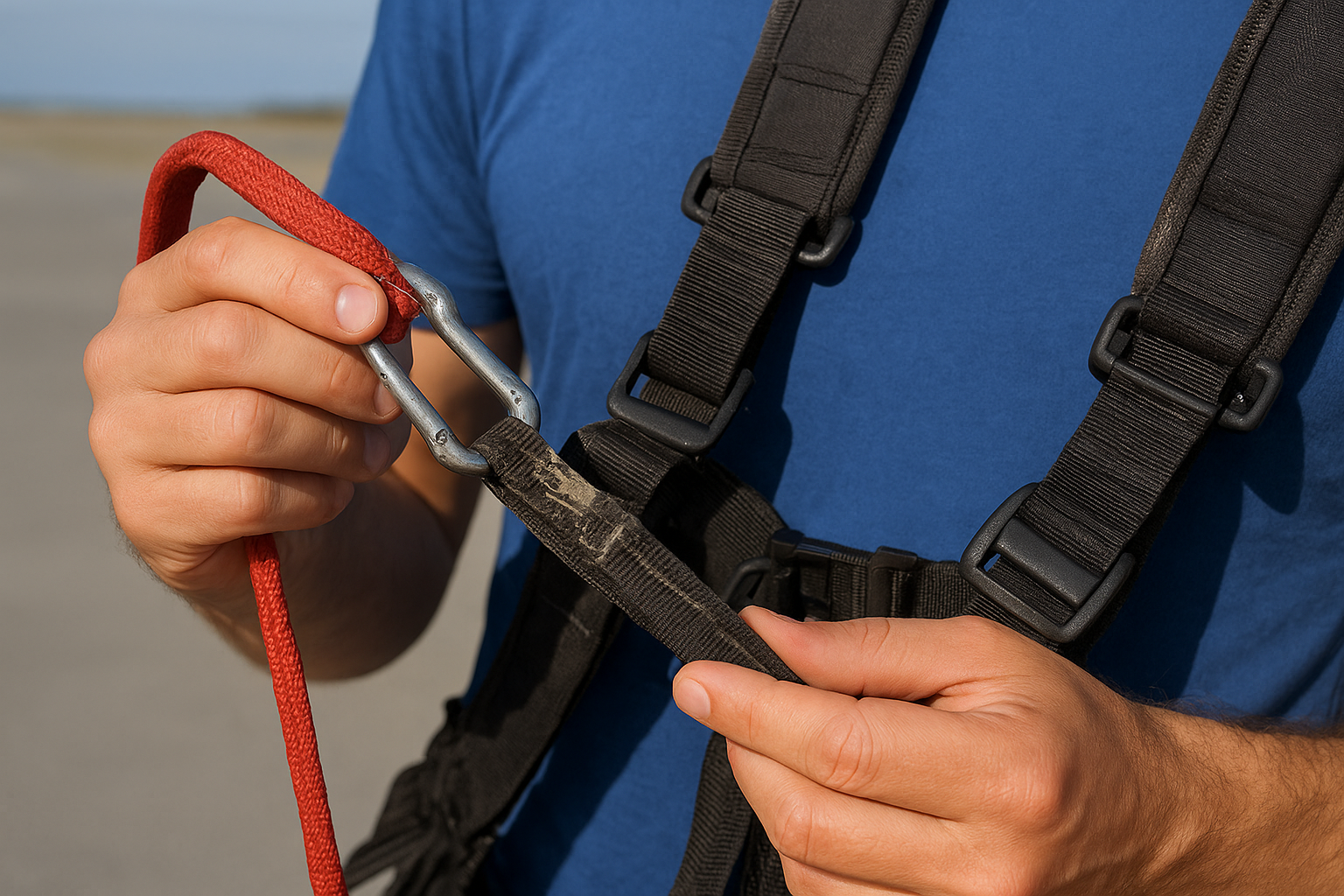
A line that looks acceptable from a distance can carry hidden weak points only visible up close. That’s why you should inspect gear yourself, not assume the previous flight went fine.
What to do before you book
Ask the operator how often they replace towlines and harnesses. Any reputable company runs a scheduled replacement cycle rather than waiting for visible failure before swapping out gear.
What to do at check-in and on the dock
Before you clip in, scan the harness webbing for fraying, discoloration, or cracking. Confirm that buckles and clips engage firmly. A qualified crew member should walk you through the fit and identify every connection point without hesitation.
If anything looks off to you, ask the crew to swap the equipment before you fly.
Red flags to walk away from
Avoid operators that rush through the harness fitting or use gear with visibly damaged stitching or corroded hardware. Proper equipment inspection is not optional on any legitimate operation.
4. Stay within Weight, Age, and Health Limits
Operators set weight, age, and health restrictions because these limits directly affect how the equipment performs and how safely you return to the boat. Following this category of parasailing safety tips protects the whole group, not just the individual rider.
Why it matters
Harnesses and towlines carry rated load limits that factor in total passenger weight. Flying above those limits stresses the equipment beyond its tested range. Certain medical conditions, including heart problems, recent surgeries, and back injuries, also increase the risk of serious harm during takeoff and landing forces.
What to do before you book
Review the operator’s stated weight range and age minimum before reserving a spot. Most reputable operators in Destin require riders to fall within specific weight brackets and set a minimum age of six for children.
Confirming restrictions before you book saves everyone time and keeps your group safe on the day.
What to do at check-in and on the dock
Disclose any relevant health conditions to the crew when you check in. They cannot protect you from risks they don’t know about.
Red flags to walk away from
Avoid any operator who waives weight or age limits when asked, or who shows no interest in a rider’s medical history before clipping them in.
5. Follow Takeoff, Flight, and Landing Signals
The crew uses hand signals and verbal cues to communicate with you during every phase of the ride. Missing or ignoring those signals is one of the most common and avoidable mistakes first-time riders make.
Why it matters
Parasailing crews manage multiple factors simultaneously: boat speed, line tension, and your body position in the air. Their signals tell you when to stand, brace, or bend your knees for landing. Ignoring them, even briefly, can turn a smooth touchdown into a rough one.
What to do before you book
Ask the operator whether they walk passengers through signal protocols before launch. Any reliable operation covers takeoff, in-flight, and landing cues as part of a standard pre-flight briefing.
Knowing the signals before you launch is one of the most underrated parasailing safety tips you can act on.
What to do at check-in and on the dock
Pay close attention during the pre-flight walkthrough and ask the crew to repeat anything that isn’t clear. Confirm the specific landing signal so you know exactly when to bend your knees before you touch down.
Red flags to walk away from
Avoid operators who skip signal instructions entirely or rush through the briefing so fast that you leave the dock unclear on what to do when it matters most.
Quick Recap and Next Steps
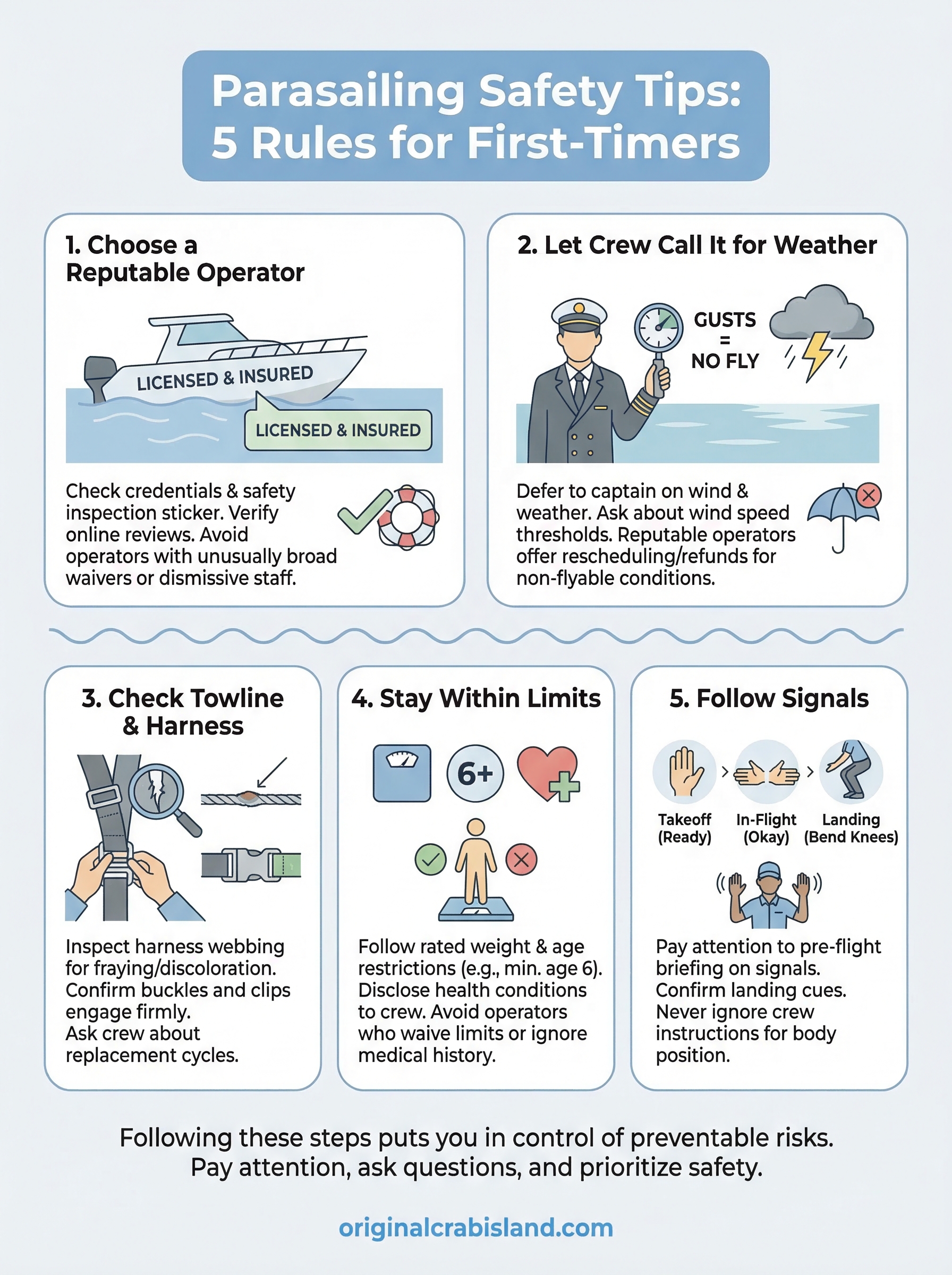
These five parasailing safety tips cover everything that separates a great flight from a preventable problem. Pick a licensed, reputable operator, defer to the crew on weather, inspect your harness before clipping in, stay within the stated weight and health limits, and learn the crew’s signals before you leave the dock.
Every rule on this list takes minimal effort to follow. None of them require special gear or prior experience beyond what the crew provides. They just require you to pay attention and ask the right questions before your feet ever leave the boat deck.
Following these steps puts you in control of the variables you can actually manage. The rest, the view, the altitude, the rush, takes care of itself once you confirm the crew and equipment are solid.
Ready to fly over the Emerald Coast with a crew that checks every one of these boxes? Book your parasailing trip with Original Crab Island and see Destin from 500 feet up.
Popular Crab Island Pages
- Alquiler de pontones en Crab Island
- Chárters de pesca en Crab Island
- Crab Island Boat and Yacht Rentals
- Parapente acuático en Crab Island
- Alquiler de motos acuáticas en Crab Island
- Crab Island Helicopter Rides
- Crab Island Snorkeling Tours
- Crab Island Paddleboard Rentals
- Crab Island Kayak Rentals
- Alquiler de bicicletas en Crab Island
- Crab Island Shark Boat
- Crab Island Pirate Ship
- Crab Island Tiki Rentals
- Crab Island Snorkeling Tours