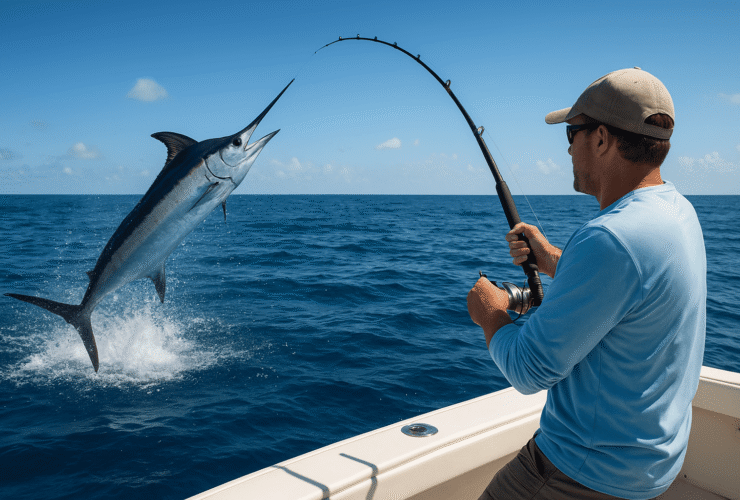
What is deep sea fishing? It’s fishing that happens far offshore in ocean waters at least 100 feet deep, often miles from land where you can no longer see the coast. You need a larger boat to handle big swells and open water conditions. The target is big game fish like marlin, tuna, wahoo, and sharks that live in the deep pelagic zone. This type of fishing differs from coastal or inshore fishing because of the distance traveled, the water depth, and the size of fish you’re after.
This guide covers everything you need to know before booking your first trip. You’ll learn why people travel across the country for this experience, how beginners can get started without owning a boat, what species swim in Destin’s Gulf waters, and what a typical charter includes. We’ll also break down seasonal patterns, fishing methods, costs, and safety basics so you know exactly what to expect when you head offshore.
Why deep sea fishing is worth trying
You chase fish that can weigh hundreds of pounds and fight for hours. The moment you hook a marlin, tuna, or wahoo, you understand why anglers travel worldwide for this experience. Deep sea trips take you into open waters where the ocean looks completely different from anything near shore. You spot dolphins, flying fish, and marine life you’d never encounter from the beach. If you’ve only fished lakes or rivers, what is deep sea fishing becomes clear the first time the coastline disappears behind you.
The thrill of catching big game
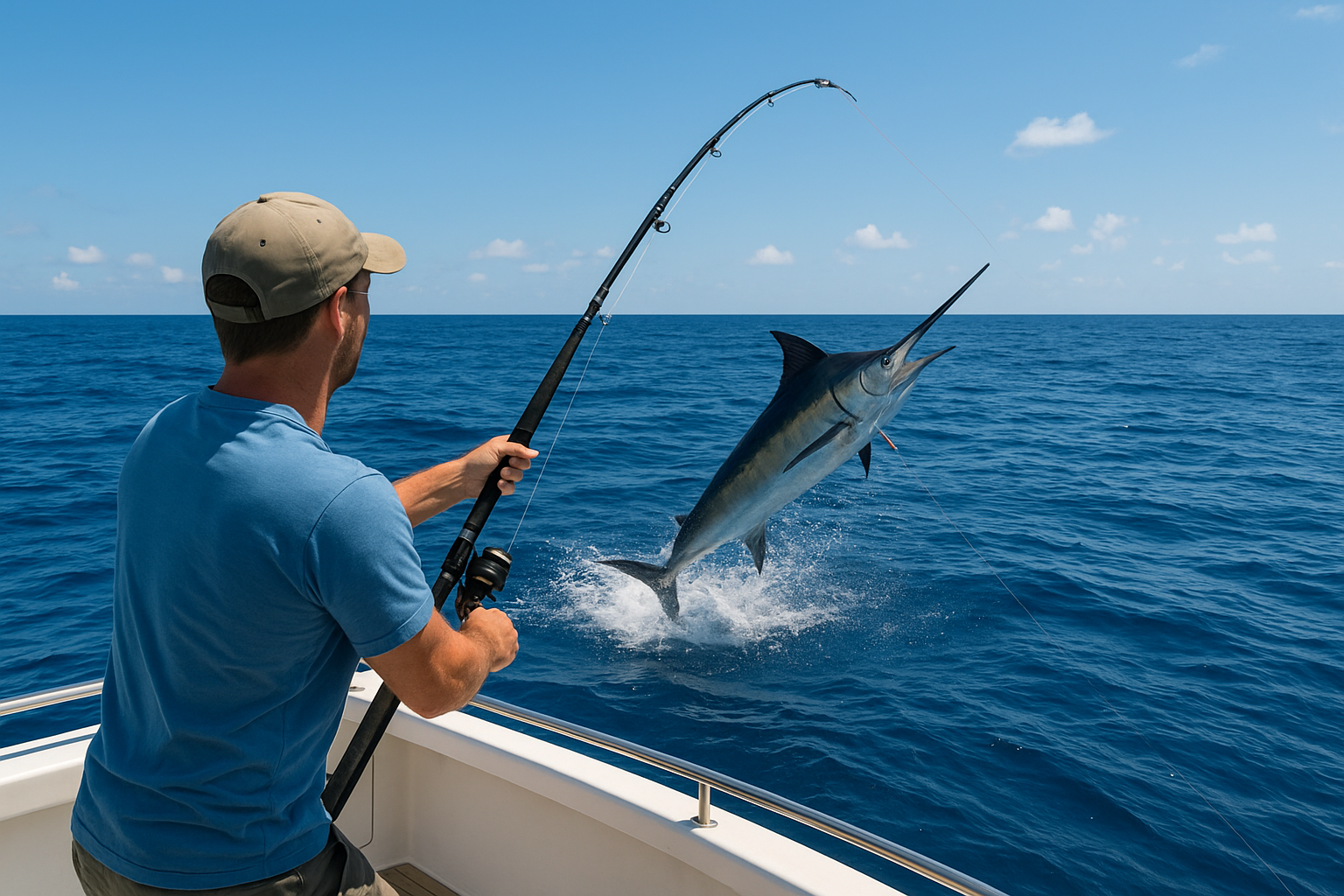
Your adrenaline spikes when the rod bends and line screams off the reel at incredible speed. These fish test your strength, patience, and technique in ways bass or trout never will. The physical demands make every successful catch feel earned.
Many anglers describe landing their first offshore trophy as one of their most memorable outdoor achievements. The challenge is real and intense, but so is the satisfaction when you finally bring a powerful fish alongside the boat after an extended fight.
"Deep sea fishing offers a combination of physical challenge and natural beauty that few other activities can match."
Unique ocean experience
Miles from land, the water turns deep blue and the horizon stretches endlessly in every direction. The Gulf becomes your entire world for several hours, and you disconnect from everything else on shore. This isolation creates a sense of adventure and freedom you can’t replicate closer to the coast.
Most charters include knowledgeable captains who share local fishing knowledge and stories about the waters around Destin, making each trip both educational and entertaining.
How to start deep sea fishing as a beginner
You don’t need your own boat or expensive gear to experience what is deep sea fishing. The easiest way to start is by booking a guided charter with a reputable company that provides everything you need. These trips include the boat, captain, crew, tackle, bait, and fishing licenses. You show up ready to fish, and the crew handles navigation, equipment setup, and teaches you proper techniques throughout the day. First-timers often worry about getting seasick or not knowing what to do, but experienced captains work with beginners regularly and adjust the trip to match your comfort level.
Book a fishing charter
Charter companies in Destin offer half-day and full-day trips designed specifically for people without deep sea experience. Half-day trips (typically 4 to 6 hours) work well if you want to test the waters before committing to a longer excursion. Full-day trips (8 to 12 hours) give you more fishing time and better chances at landing trophy species. You can choose between shared charters where you split costs with other anglers or private charters for your group only. Private options cost more but give you complete control over the schedule and fishing spots.
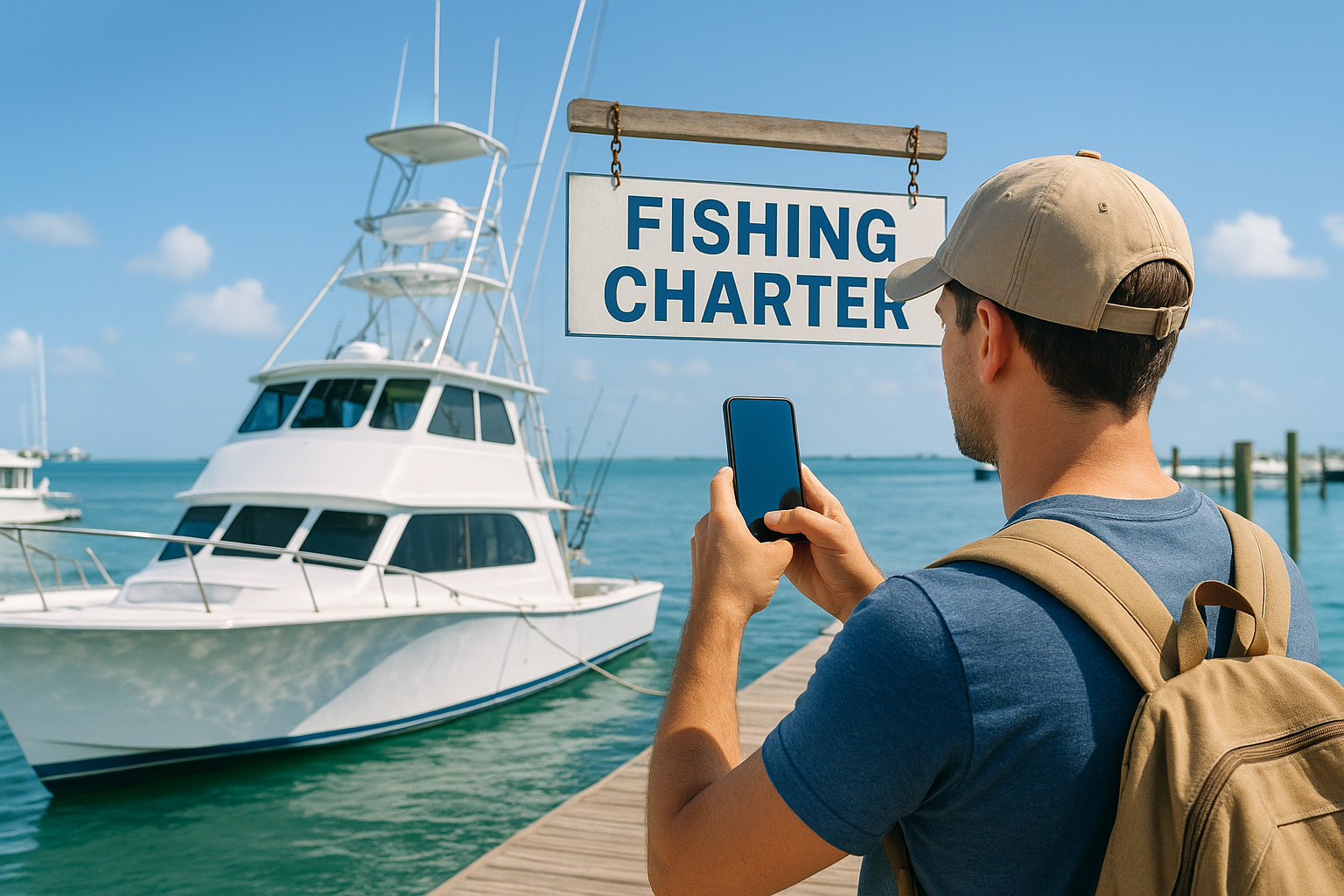
"Booking with an established charter eliminates the learning curve and lets you focus entirely on the fishing experience."
When selecting a charter, read recent reviews and confirm what’s included. Most provide rods, reels, tackle, and bait, but some charge extra for fish cleaning services or specific premium tackle. Ask about the captain’s experience level and whether they specialize in certain species during your travel dates.
What to bring and wear
Pack non-slip shoes, sunscreen (reef-safe if possible), polarized sunglasses, and a hat with a chin strap for wind. Bring motion sickness medication even if you rarely get nauseous, because ocean swells feel different from calmer waters. Wear lightweight, quick-dry clothing in layers since mornings start cool but temperatures rise quickly under direct sun. Most charters provide coolers with ice and water, but you can bring your own food and drinks. Avoid glass containers and remember that alcohol policies vary by charter. Leave valuable jewelry at your hotel and bring a waterproof phone case if you want photos.
Deep sea fishing in Destin: depth, distance and seasons
Destin sits on Florida’s Emerald Coast where the continental shelf drops quickly into deep Gulf waters. This geography means you reach productive fishing depths faster than in many other coastal regions. Understanding what is deep sea fishing in this area requires knowing the specific conditions that make Destin a premier destination for offshore anglers throughout the year.
Water depth and offshore distance
Most Destin charters reach waters 100 to 200 feet deep within 10 to 15 miles of shore. For deeper trolling and targeting pelagic species like blue marlin or yellowfin tuna, boats travel 30 to 60 miles offshore where depths exceed 600 feet. The trip to these deeper waters takes 1.5 to 3 hours each way depending on boat speed and sea conditions. Half-day charters typically fish the closer 100-foot depths, while full-day trips venture farther to access better concentrations of large game fish.
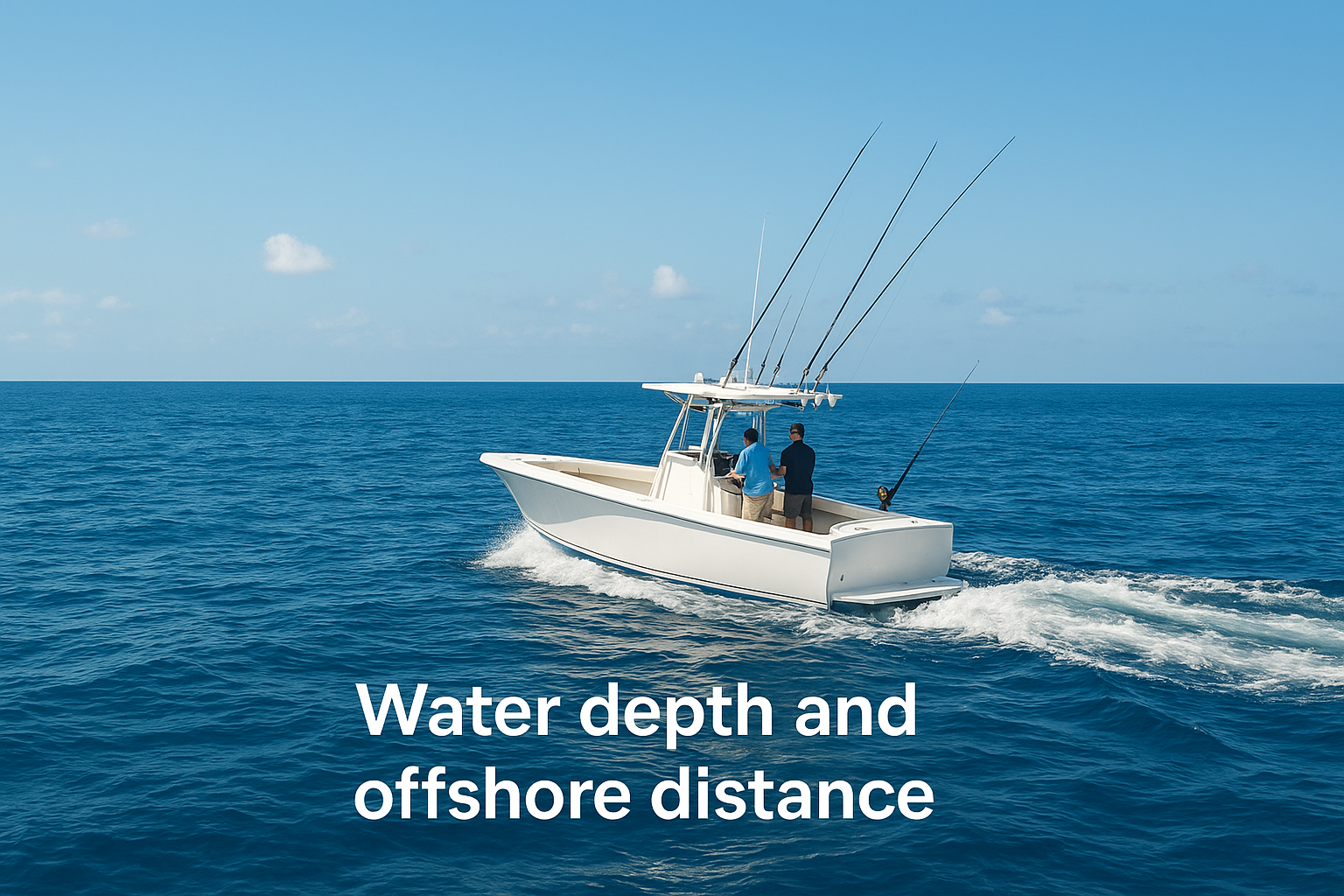
"Destin’s proximity to deep water means less travel time and more fishing time compared to many other Gulf ports."
Best seasons and weather patterns
Spring (March through May) brings wahoo, king mackerel, and early season tuna as water temperatures rise. Summer (June through August) offers the most consistent fishing with calm seas and stable weather, making it ideal for beginners. Fall (September through November) produces trophy catches as migratory species pass through in larger numbers. Winter fishing (December through February) can be productive but weather becomes unpredictable with stronger winds and rougher seas. Most charters operate year-round, but winter trips cancel more frequently due to conditions. Book your trip based on target species and your tolerance for potentially rougher water.
Common deep sea species and fishing methods
Understanding what is deep sea fishing means knowing which species swim in offshore waters and how anglers target them. The Gulf of Mexico near Destin holds numerous game fish that require different techniques depending on their feeding habits and depth preferences. Your charter captain selects methods based on current conditions, target species, and the time of year you fish.
Target species in the Gulf
Destin’s deep waters support mahi-mahi (dorado), which you’ll find around floating debris and weed lines in 100 to 400 feet of water. Anglers prize these fish for their acrobatic fights and excellent taste. King mackerel run strong from spring through fall, often caught while trolling in 60 to 150 feet. Wahoo appear during cooler months and strike at high speeds, making them one of the most exciting catches. Grouper and snapper inhabit bottom structure in 80 to 300 feet, offering consistent action when pelagic species slow down. Tuna species including blackfin and yellowfin require trips to deeper water beyond 30 miles offshore. Sailfish and marlin represent the ultimate trophy catches, though encounters happen less frequently than with other species.
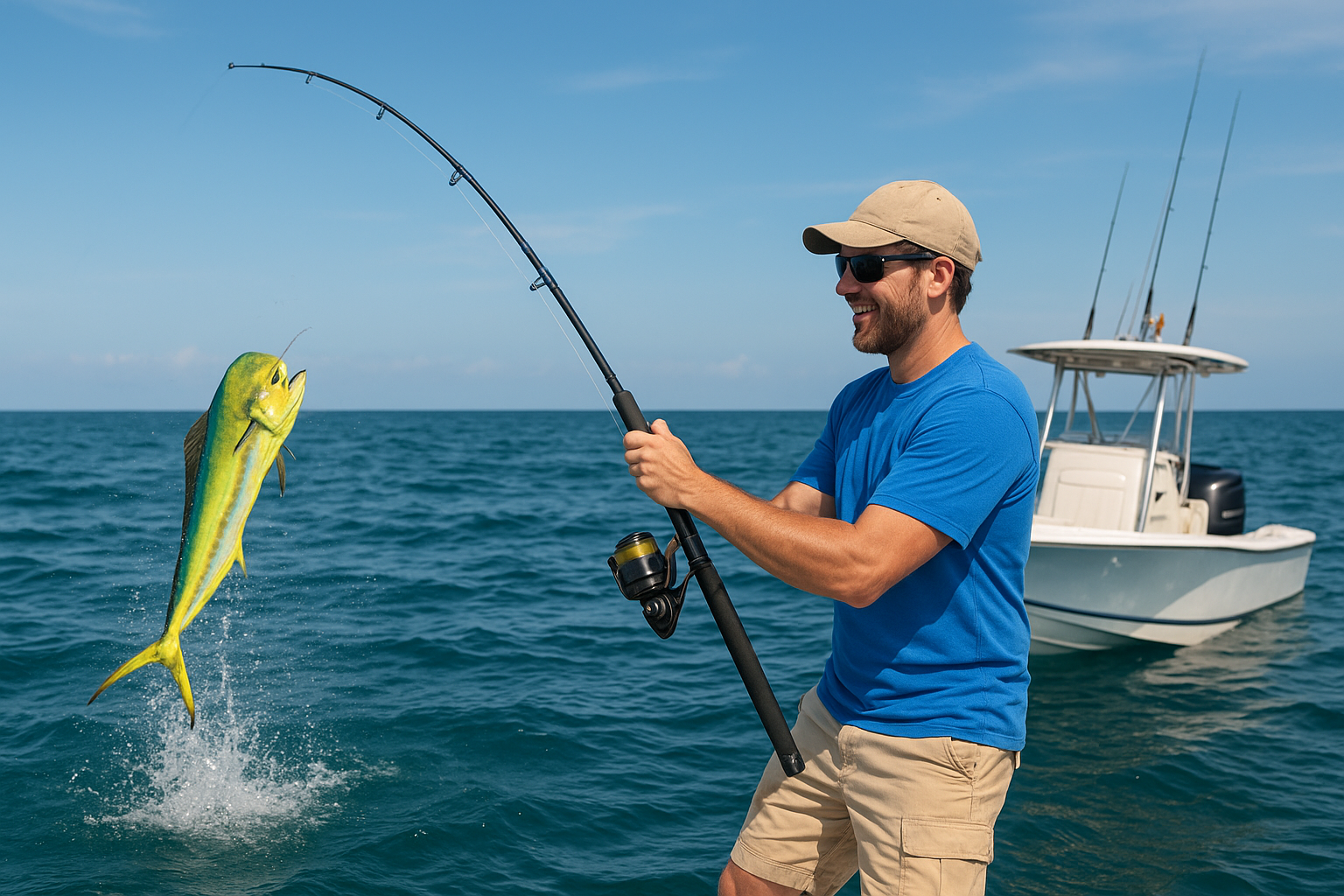
"Each species demands specific tackle, bait, and presentation to maximize your chances of a successful hookup."
Trolling and bottom fishing techniques
Trolling involves pulling artificial lures or rigged baits behind a moving boat at speeds between 4 and 12 knots. This method covers large areas quickly and triggers strikes from fast-swimming predators like wahoo, mahi-mahi, and tuna. Captains run multiple lines at different depths using outriggers and downriggers to present baits in the most productive zones. Bottom fishing requires anchoring or drifting over structure while dropping weighted rigs to the seafloor. You use live bait, cut bait, or jigs to target grouper, snapper, and other species that feed near reefs and wrecks. This technique demands patience as you wait for fish to find your bait, but it produces consistent results when positioned correctly over productive bottom.
Costs, safety and what to expect on a trip
Charter prices vary based on trip length, boat size, and whether you book a shared or private experience. Understanding what is deep sea fishing includes knowing the investment required and safety protocols that protect you throughout the journey.
Charter pricing and included services
Half-day shared charters typically cost $80 to $150 per person, while full-day trips range from $150 to $250 per person. Private charters run $800 to $2,500 depending on boat capacity and duration. Most prices include all fishing gear, bait, licenses, and basic instruction. Some companies charge extra for fish cleaning services ($3 to $5 per fish) or premium tackle upgrades. Gratuity for the captain and crew usually runs 15 to 20% of the charter cost and should be prepared separately in cash.
"Quality charters invest heavily in maintained equipment and experienced crews, which directly impacts your safety and success rate."
Safety measures and what happens onboard
Captains monitor weather forecasts constantly and cancel trips when conditions become unsafe. Coast Guard regulations require life jackets for all passengers, fire extinguishers, flares, and communication equipment on every vessel. Your crew conducts a safety briefing before leaving the dock, covering emergency procedures and proper behavior around moving equipment. Most trips run smoothly, but if someone gets seasick, the crew provides remedies and adjusts positioning on the boat. You’ll spend time watching lines, reeling in catches, and learning from experienced anglers between strikes. The captain handles all navigation and fish-finding, so you focus entirely on the fishing experience without worrying about technical aspects.
Key takeaways
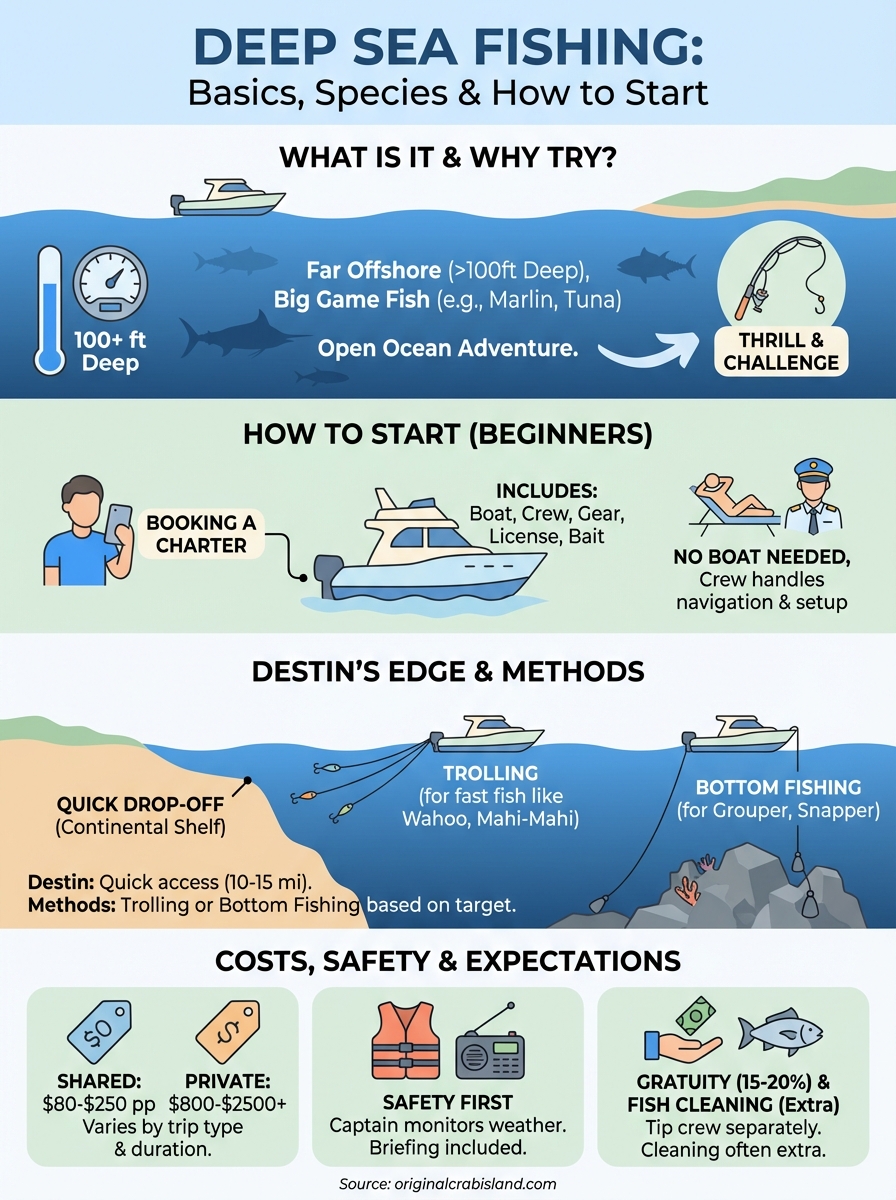
You now understand what is deep sea fishing means: offshore trips in waters at least 100 feet deep targeting large game species like tuna, marlin, wahoo, and mahi-mahi. These excursions require larger boats and specialized gear, but beginners can access the experience through guided charters that provide everything needed. Destin’s proximity to deep Gulf waters means you reach productive fishing zones faster than at most ports, with trips ranging from 10 to 60 miles offshore depending on target species. Your success depends on choosing the right season, booking with experienced captains, and preparing properly with motion sickness medication and appropriate clothing.
Original Crab Island connects you with experienced fishing charter captains who know Destin’s offshore waters and can guide your first deep sea adventure or help you target specific trophy species throughout the year.